
Your cart is currently empty!
New Data Shows a Major Drop in Us Alcohol Use
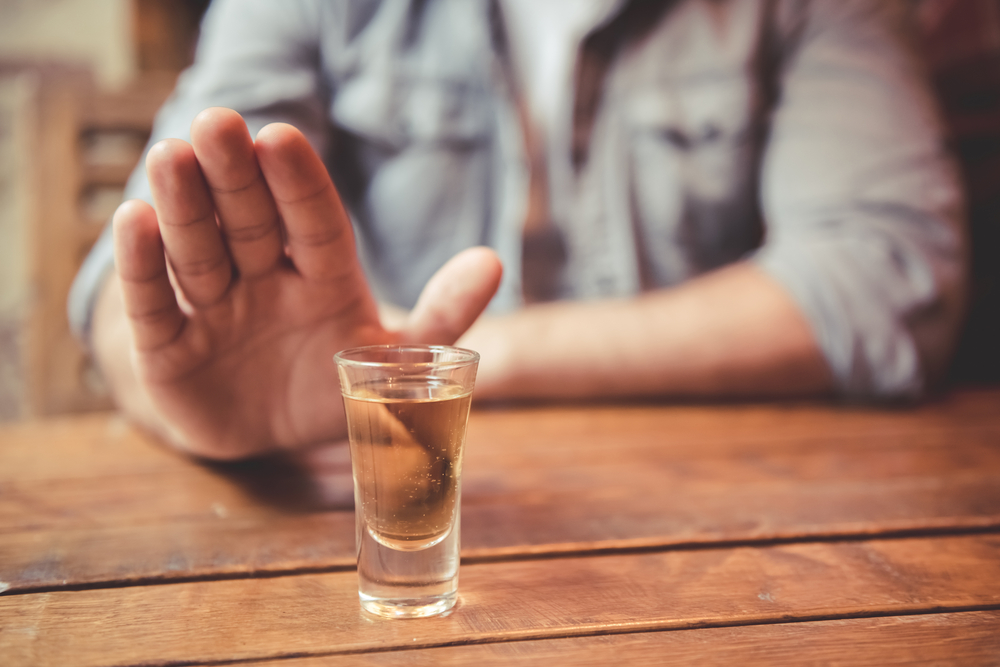
America is drinking less than it has in nearly a century. The latest Gallup Consumption Habits survey reports that only 54 percent of U.S. adults say they drink alcohol. This marks the lowest level recorded since Gallup began tracking alcohol consumption in 1939. What makes this finding particularly notable is not only the historic low, but the consistent and rapid decline seen across the past three years.
Contents
show
The data suggests that Americans are not simply reshaping their relationship with alcohol, but redefining it entirely. Shifts appear across age groups, political identities, genders, and racial categories, although the strongest declines emerge among women, young adults, and Republicans. While alcohol use has been a durable part of American social life and identity, the numbers indicate a clear change in attitudes and behaviors surrounding drinking.
This article examines the findings of four reference sources that together paint a cohesive picture of how and why alcohol consumption in the United States has dropped to a 90 year low. Through a neutral and data driven lens, it explores broader cultural, health, and economic contexts that may be driving this shift and what it could mean for the future of alcohol in America.
U.S. Drinking Rates Reach a Historic Low
Gallup’s 2025 Consumption Habits survey indicates that 54 percent of U.S. adults report drinking alcohol. This shows a decline from 62 percent in 2023 and 58 percent in 2024. These consecutive drops represent one of the steepest multi year slides in Gallup’s tracking. Before this period, U.S. drinking rates had remained above 60 percent for more than two decades.
Historically, rates have fluctuated, but rarely fallen below the 60 percent threshold. According to Gallup, the only earlier recorded dips below that level included 58 percent in 1939 and 55 percent in 1958. The peak consumption period occurred between 1974 and 1981, when reported drinking reached between 68 and 71 percent.
The magnitude of the current decline becomes even clearer when considering demographic detail. Women saw an 11 point drop since 2023, falling to 51 percent. Men experienced a smaller yet measurable decrease from 62 percent to 57 percent. Non Hispanic white adults registered an 11 point decline, while people of color remained steady at around 50 percent.

Young adults, who were already trending downward in alcohol use over the past decade, also saw a notable drop from 59 percent in 2023 to 50 percent today. Young adults now report drinking at lower rates than middle aged and older adults, reversing trends seen across earlier generations.
Political identity offers another lens. While drinking rates had remained surprisingly consistent across party lines in earlier years, that pattern has shifted. Reported drinking among Republicans dropped 19 points to 46 percent, while Democrats and independents remained closer to previous levels at 61 percent and 55 percent, respectively.
These changes highlight a broader trend. Alcohol consumption is no longer simply declining in isolated groups. Instead, the slide is widespread, steady, and occurring across most segments of American society.
Changing Perceptions of Alcohol’s Health Impact

One of the clearest themes across the reference sources is a shift in how Americans perceive the health risks associated with alcohol. For the first time since Gallup began monitoring public opinion on this topic, a majority of Americans say that moderate drinking one or two drinks per day is harmful to health.
Fifty three percent of U.S. adults now believe moderate drinking is unhealthy. Only 6 percent believe moderate consumption is beneficial, while 37 percent say it makes no difference. This marks a substantial shift from earlier years when perceptions were far more evenly divided.
Young adults appear to be the driving force behind this change. Two thirds of adults between 18 and 34 say moderate drinking is harmful, compared with 50 percent of those aged 35 to 54 and 48 percent of those 55 and older. This generational gap highlights an evolving awareness around alcohol and health.
Researchers suggest the shift stems from the growing scientific consensus that no amount of alcohol is entirely safe. The World Health Organization states that alcohol is a Group 1 carcinogen and is linked to at least seven types of cancer, including cancers of the mouth, throat, liver, colon, rectum, esophagus, and breast tissue in women.
Psychologists and public health experts note that earlier studies suggesting benefits from moderate alcohol consumption, such as the belief that wine supported heart health, were based on correlations rather than causation. As newer research clarifies these misunderstandings, the public outlook has adjusted accordingly.
Experts also point to social movements that normalize abstinence, such as Dry January and Sober October, along with the growing availability of alcohol free alternatives. These shifts suggest that declining drinking rates are not simply about fear of health risks but also reflect changing cultural norms.
How Drinking Behavior Is Changing Among Drinkers

Even among Americans who still choose to drink alcohol, behaviors have shifted. Across the surveys, drinkers report consuming less frequently and in lower quantities than in previous years.
Only 24 percent of drinkers say they consumed alcohol within the past 24 hours. This marks the lowest level Gallup has recorded. Additionally, 40 percent say it has been more than a week since their last drink, the highest percentage recorded since 2000.
Average weekly alcohol consumption has also decreased. Gallup found that the average number of drinks consumed over the past week is now 2.8, down from 3.8 a year earlier and significantly below the 2003 peak of 5.1 weekly drinks. This shift reflects both changing attitudes toward health and a broader reduction in habitual drinking.
Interestingly, drinkers who view moderate drinking as harmful still drink at similar rates to the broader drinking population, but they consume less frequently and in smaller quantities. Among those who are concerned about health impacts, only 49 percent drank within the past week, compared with 69 percent of those unconcerned about the health implications.
When both groups do drink, the difference remains. Drinkers with health concerns reported an average of 4.5 drinks in the past week, while those without concerns averaged 6.4.
These numbers may indicate that public health messaging and scientific research have influenced not only whether people drink, but also how they drink.
Economic and Industry Impacts of Declining Alcohol Use

Declining alcohol use has implications beyond public health trends. The alcohol industry and related sectors have seen shifts in demand, purchasing behaviors, and consumer preferences.
Beer Institute and National Beer Wholesalers Association data align with Gallup’s findings. Beer shipments have trended downward through 2025, and the Beer Purchasers Index remains below 50. An index reading below 50 suggests contraction in the market, particularly for craft beers and imports.
However, the on premise market tells a more complex story. According to CGA by NIQ, draft beer sales now represent 52.3 percent of beer volume sold in bars and restaurants. While overall beer consumption may be declining, draft beer has gained share within the venues where people still choose to drink.
Preferences for alcohol types continue to vary across gender groups. More than half of male drinkers prefer beer, compared with roughly 23 percent of women. Women tend to prefer wine, while preferences for liquor are nearly balanced between genders.
Non alcoholic beer and related beverages represent a growing market. Breweries have expanded into non alcoholic offerings to meet demand from consumers who want the flavor experience of beer without the alcohol content. These include non alcoholic lagers, hop flavored waters, and functional seltzers.
Younger adults have been especially receptive to these alternatives. As this demographic reports lower alcohol use overall, non alcoholic products allow brands to maintain customer loyalty even if consumption habits shift.
Economists also point to broader financial pressures that may influence drinking behavior. Inflation and interest rate increases place strain on household budgets, and alcohol can be perceived as a discretionary purchase rather than a necessity. This may be especially influential among younger adults navigating a challenging job market.
Together, these trends suggest that while alcohol consumption is declining, the industry may see growth in specific niches. Draft quality, customer experience, and product innovation in non alcoholic categories could shape the future market landscape.
Social and Cultural Factors Influencing Declining Drinking
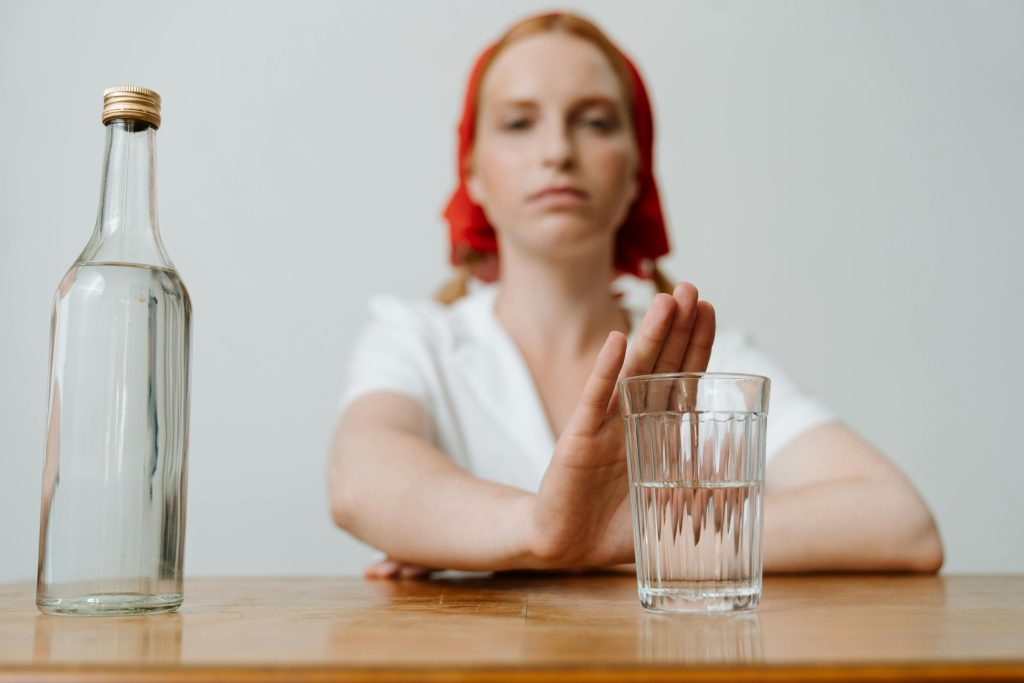
The decline in alcohol use cannot be explained by health concerns alone. Cultural shifts appear to be influencing how comfortable people feel about choosing not to drink.
In earlier decades, abstaining from alcohol could carry negative social assumptions or require justification in social settings. Today, not drinking has become more widely accepted. Social media challenges such as Dry January and Sober October promote temporary abstinence as a form of wellness. What begins as a short term challenge sometimes leads individuals to reevaluate their broader drinking habits.
Mocktails, crafted non alcoholic beverages, and alcohol free options have become more common in bars, restaurants, and events. This trend reduces the pressure to drink alcohol in social environments. Younger generations, who often prioritize health and moderation across several lifestyle categories, have embraced these choices.
Legal recreational marijuana has also become more accessible, though Gallup notes that increases in marijuana use do not correlate with the decline in alcohol consumption. Marijuana use has remained stable over the past four years and does not appear to explain why fewer people drink alcohol.
Instead, rising awareness of the risks associated with alcohol seems to be the primary driver. Public health campaigns highlighting the links between alcohol and cancer, stroke risk, and other health issues have resonated strongly, particularly among younger adults.
Older adults show increased concern as well, though their rate of change is slower. Many grew up hearing messaging that moderate drinking might be beneficial, which may influence how quickly new research shifts their perspectives.
Social shifts, combined with greater access to non alcoholic alternatives and changing views on health, suggest a cultural environment more supportive of reduced alcohol use.
Scientific Context Behind Changing Attitudes
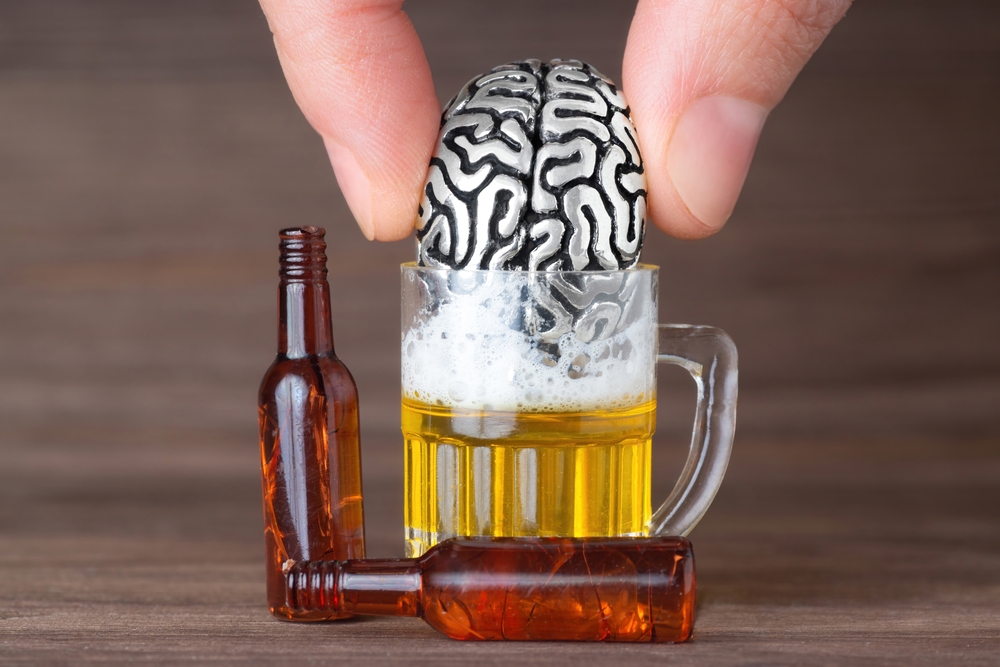
Scientific research plays a central role in shifting public opinions about alcohol. Over the past decade, peer reviewed studies and public health agencies have increasingly communicated the risks associated with alcohol consumption, even at moderate levels.
The International Agency for Research on Cancer categorizes alcohol as a Group 1 carcinogen. This classification indicates that alcohol is known to cause cancer in humans and is placed in the same category as tobacco and asbestos. The risks stem from biological mechanisms in which alcohol breaks down into acetaldehyde, a toxic chemical that can damage DNA. Alcohol consumption can also increase chronic inflammation, disrupt cellular repair processes, and alter hormone levels.
The relationship between alcohol and breast cancer in women is a particularly well documented concern. Even light and moderate drinking can contribute to breast cancer risk because alcohol can increase estrogen levels.
Alcohol also facilitates the absorption of cancer causing chemicals in the mouth and throat, compounding the risks for individuals who both smoke and drink.
The Centers for Disease Control and Prevention similarly warn that moderate drinking can increase the risk of chronic disease and death. This stance contrasts with earlier decades in which health messaging around moderate drinking was mixed.
Public understanding of these health implications appears to have accelerated over the past several years. References across Gallup surveys show that Americans increasingly view alcohol through a lens shaped by scientific evidence rather than cultural tradition.
What the Trends Suggest

The continuation of these trends raises questions about whether the recent decline in alcohol use represents a temporary shift or a long term change in American behavior. Several factors will likely influence the trajectory.
First, the role of public health messaging will continue to be significant. If policymakers and medical authorities reinforce the message that no level of alcohol is fully risk free, and if scientific research continues to support that message, public attitudes may shift even further.
Second, economic pressures may continue to influence alcohol purchasing decisions. If inflation or high living costs persist, consumers may limit alcohol purchases or reduce consumption frequency.
Third, the growth of non alcoholic alternatives and the rising quality of these products create a broader set of choices for consumers. This may enable more individuals to reduce their alcohol intake without feeling they are compromising their social experience.
Fourth, cultural norms will continue to evolve. Younger adults are shaping a society in which drinking is not viewed as a necessity for socializing. As this group ages, its habits may influence older generations and the market as a whole.
Finally, the alcohol industry may adapt in response to these shifts. Breweries, restaurants, and bars that focus on quality, variety, and consumer experience could discover new pathways for growth regardless of overall declines in alcohol consumption.
Interpreting the National Drinking Decline
The latest data on alcohol use in the United States highlights a significant shift in both behavior and perception. Drinking rates have reached their lowest level in 90 years, and most Americans now believe that even moderate alcohol consumption can be harmful to health. The decline is broad, affecting diverse demographic and political groups, and reflects changing cultural norms, growing scientific understanding, and evolving consumer choices.
Whether this signals a temporary adjustment or the beginning of a long term cultural transition remains to be seen. What is clear is that Americans are reconsidering their relationship with alcohol in ways that would have been difficult to imagine a generation ago. The future of alcohol use in the United States will likely be shaped by ongoing research, public health messaging, economic conditions, and the values and priorities of younger generations who are driving much of the change.
As these trends unfold, they offer an opportunity to reflect on how personal health decisions intersect with broader social patterns, scientific knowledge, and cultural shifts. Regardless of what comes next, the data tells a compelling story of an America that is drinking less and thinking more critically about the role alcohol plays in everyday life.