
Your cart is currently empty!
Apple’s Most Expensive iPhone Is Also Its Most Traded-In. Here’s What’s Really Going On
When a smartphone launches, the expectation is simple. People buy it, use it, and move on to the next model somewhere between two and four years later. Trade-in rankings reflect that older devices, phones that have done their time, are gradually making their way back into the resale market as their owners chase something newer. What those rankings rarely show is a flagship phone barely five months old sitting at the very top of the chart.
Contents
show
Yet that is exactly where the iPhone 17 Pro Max finds itself right now. Apple’s most expensive current model, a phone that launched in September 2025 with considerable fanfare and a starting price of $1,199, has climbed to the number-one position in independent trade-in rankings faster than any flagship before it. How it got there and what it says about the people selling it turns out to be a far more layered story than a headline about buyer’s regret might suggest.
A Rise No One Saw Coming
Trade-in data from SellCell, drawn from internal resale records and secondary market pricing trends across 40 independent iPhone buyers, tells a story that would have seemed unlikely at launch. In late November 2025, the iPhone 17 Pro Max held about 5.1% of the top-20 trade-in rankings. By early February 2026, that figure had more than doubled to 11.5%, enough to push the device into the number-one position.
What makes that climb particularly striking is how it happened. Share did not spike suddenly around a promotional period or a software update. It grew steadily, week after week, over roughly 12 weeks. Sustained, deliberate resale activity, not a short-term blip, drove the iPhone 17 Pro Max from outside the top five to the very top of the chart between late December and mid-January.
For context, the iPhone 15 Pro Max and iPhone 14 Pro Max now sit in second place, each accounting for 7.3% of top-20 trade-ins. Both are older devices, which is exactly where you would expect them to be. A newly released flagship leading that chart is, by historical standards, genuinely unusual. Altogether, the top 20 most traded-in devices account for roughly 47% of all trade-in activity, meaning resale volume clusters heavily around a small group of in-demand models, and right now, Apple’s newest Pro Max is leading that group.
What You Get for $1,199
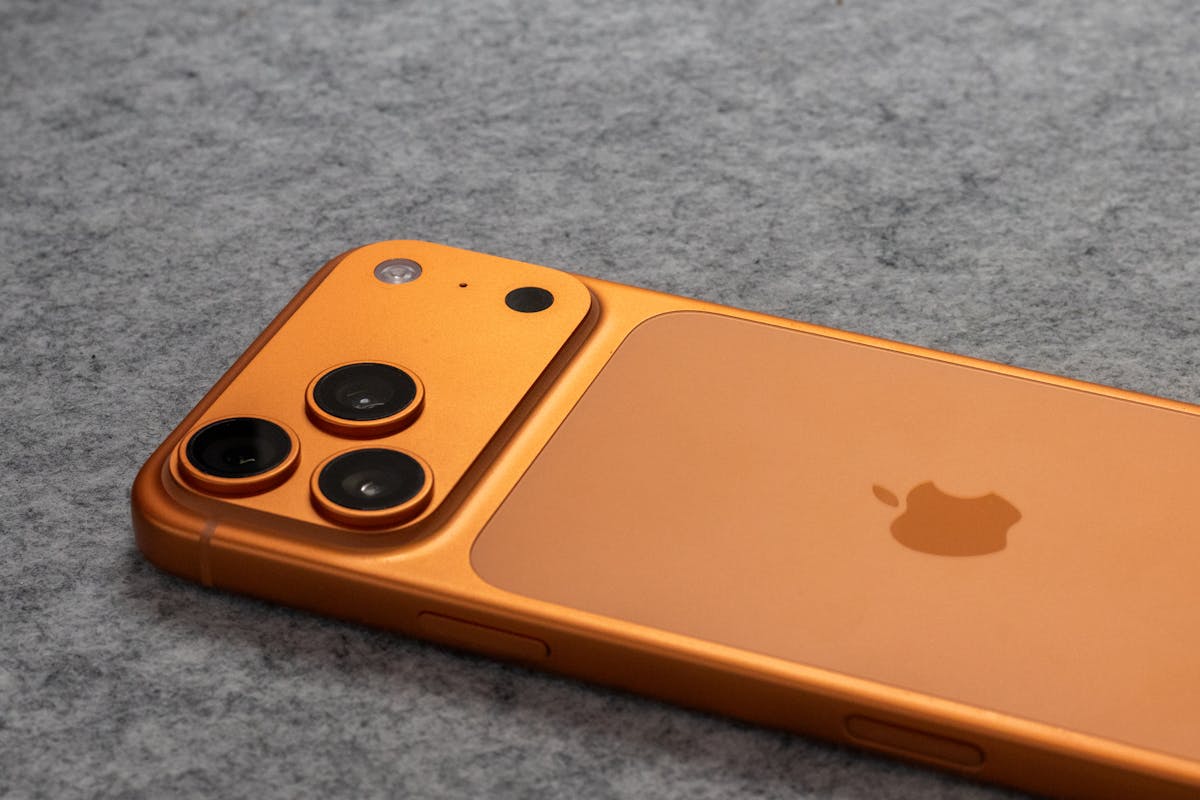
Before getting into why people are selling, it helps to understand what they bought. Apple positioned the iPhone 17 Pro Max as its most capable device to date. Buyers get a 6.9-inch display, an aluminum unibody design, a 48MP triple-camera system with a 48MP periscope lens, the A19 Pro chip, and a 37-hour video playback rating, the longest battery life Apple has ever put in an iPhone. Storage options run from 256GB at $1,199 up to 2TB at $1,999.
On paper, it is an impressive device. Real-world reactions, however, have been more mixed. One owner put it plainly in a thread that gained considerable traction online.
“I literally posted a couple days ago asking about the best way to sell my 17 Pro,” the user wrote. “This makes sense to me. Five months in, I really regret the purchase and would rather have some cash and go back to the 13 Pro, which to me is about imperceptibly different and a better color.”
What Owners Are Actually Saying
Reddit has become an informal clearinghouse for iPhone buyer sentiment, and the threads around the iPhone 17 Pro Max make for interesting reading. Satisfaction exists. One user wrote simply, “I’ve been very happy with my 17 Pro Max.” But that sentiment competes with a notable volume of regret, particularly from early adopters who feel the upgrade did not justify the cost.
That kind of comment, measuring a cutting-edge flagship against a four-year-old device and finding little meaningful difference, keeps appearing in various forms across owner forums. For buyers who spent over $1,200 expecting a transformative upgrade, the reality of day-to-day use has, for some, fallen short of what the spec sheet promised.
Size, Thickness, and the Ergonomics Debate
One of the most consistent criticisms running through owner feedback involves how the phone feels to hold and carry. Apple has incrementally increased the physical dimensions of its Pro Max line over several generations, and for a growing number of users, those extra millimeters have crossed a line.
“15 Pro Max was the last size that really felt okay in the hand,” one user wrote on Reddit. “The few extra mm they threw on to the 16 and 17 just makes it uncomfortable for extended use. I’m 6’2″ with bigger hands too.”
That comment cuts against the assumption that the size complaints come only from people with smaller hands. Multiple owners with self-described large hands have raised the same concern that single-handed use has become genuinely difficult, and that corners of the screen are increasingly hard to reach without adjusting grip entirely.
Thickness compounds the issue. One owner distilled the frustration in a few words, writing that “It’s so THICK. With a case it’s like carrying a brick in your pocket.” For users who remember slimmer Pro Max models from a few generations back, the current form factor represents a noticeable shift in how the phone integrates into daily life.
Apple made deliberate design choices in building the iPhone 17 Pro Max, and many buyers are happy with the result. But for a meaningful subset of owners, the phone’s physical presence has become a daily friction point significant enough to reconsider the purchase altogether.
The Financial Logic Behind Selling Early

User sentiment only tells part of the story. A closer look at the depreciation data reveals a second, perhaps more surprising driver behind the trade-in surge, one rooted not in dissatisfaction but in financial timing.
Mint-condition iPhone 17 Pro Max devices have depreciated by roughly 25.4% since launch. Over the same 145-day window after its own release, the iPhone 16 Pro Max lost closer to 32.5% of its value. That gap of more than 7 percentage points translates to up to $95 more in retained value per device when comparing the two generations at the same stage of their lifecycles. Average resale prices for a good-condition iPhone 17 Pro Max currently sit around $967.50.
Put simply, owners who sell now are getting back a larger portion of what they paid than owners of last year’s model could have at the same point. For some sellers, that is not a sign of dissatisfaction; it is a deliberate asset management decision. Buying a flagship, testing it in real-world conditions, and selling while prices remain elevated has become a recognizable pattern among a certain type of tech consumer.
SellCell’s data adds weight to that reading. Around 76.5% of iPhone 17 Pro Max trade-ins are unlocked, which means sellers are not relying on carrier upgrade programs to time their exit. They are making active, independent decisions about when to sell and choosing to do so while resale prices are still strong. Around 86% of trade-ins are in Mint or Good condition, further suggesting many devices have changed hands after a relatively short period of ownership. That level of care points more toward strategic resale than toward a phone that has been abandoned out of frustration.
iOS 26 and the Software Disappointment
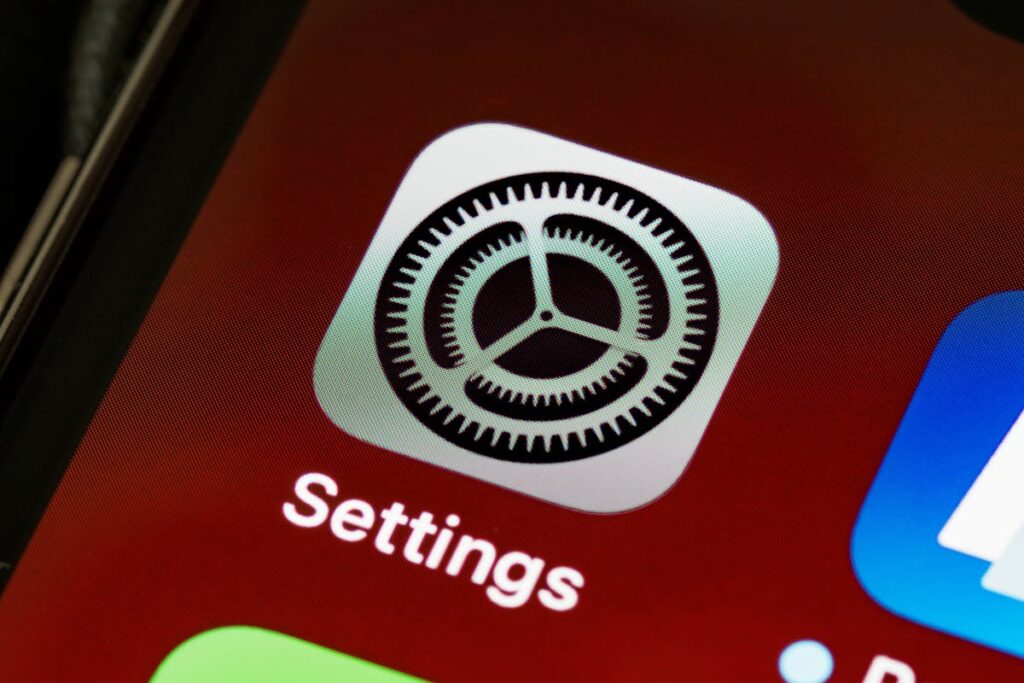
Software may be adding a third layer to the equation. Apple’s iOS 26 update introduced a visual overhaul called Liquid Glass, a significant design shift that has divided opinion sharply among long-term iPhone users. SellCell’s own prior research found that many iPhone owners remain cautious about major software updates, and the Liquid Glass redesign has been no exception. Several Apple Intelligence features that were announced alongside the iPhone 17 launch have also not yet arrived for users, leaving some buyers feeling that the device’s full potential remains locked behind promised updates.
For owners who paid premium prices partly on the strength of those software promises, the gap between expectation and current reality may be contributing to earlier-than-usual exit decisions.
When a Phone Becomes a Financial Asset
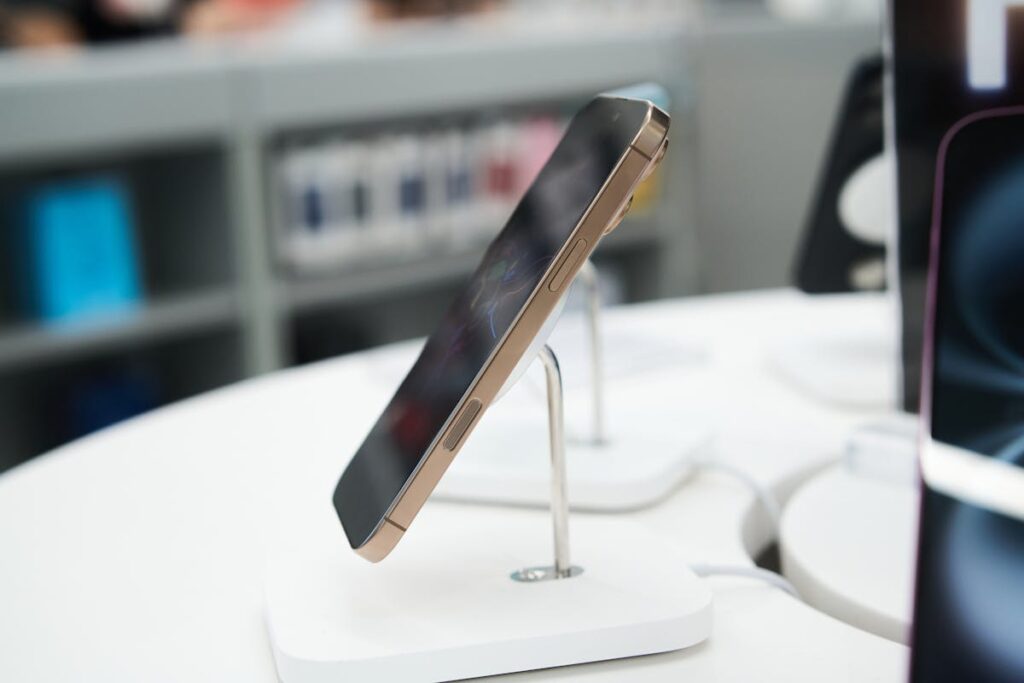
Zooming out beyond individual user experiences, the iPhone 17 Pro Max trade-in trend reflects something broader happening in consumer behavior around expensive technology.
Research from PYMNTS Intelligence suggests roughly 71% of Americans report living paycheck to paycheck. Separately, industry data shows more than half of Americans sold at least one second-hand item last year as resale markets continue to expand. Against that backdrop, a smartphone priced between $1,199 and $1,999 no longer functions purely as a consumer product. For a growing number of buyers, it acts as a liquid asset, something that holds value in the short term and can be converted back into cash when financial pressures require it.
Apple devices have historically held stronger resale value than competing Android flagships. Industry data suggests iPhones retain roughly 60 to 70% of their value after one year, compared to 50 to 60% for Samsung devices. That stronger depreciation curve makes iPhones and Pro Max models in particular attractive candidates for short-cycle ownership strategies. Buy near launch, use the device for a few months, and sell before the value curve drops too sharply.
That behavior may once have been the domain of a niche group of tech enthusiasts. At current flagship prices, it is becoming increasingly mainstream.
Not a Simple Story
It would be easy to read the iPhone 17 Pro Max’s position at the top of trade-in rankings as a straightforward verdict on the device, a sign that Apple’s most expensive phone has failed to earn its price tag. But the data resists that conclusion.
Some owners are selling because they genuinely regret the purchase. Others are selling because the phone feels physically awkward in day-to-day use. Some are cashing out while prices are still high, with no particular dissatisfaction beyond the math. Others may be responding to financial pressures that have nothing to do with how good or bad the phone is.
What the trade-in numbers make clear is that the relationship between consumers and premium smartphones is changing. Ownership cycles are shortening. Resale timing is becoming more strategic. Flagship devices are being evaluated not just as products but as purchases that need to justify costs in real, ongoing terms, and when they fall short of that bar, for whatever reason, today’s resale market makes it easier than ever to move on.
For Apple, the more pressing question may not be why so many people are selling the iPhone 17 Pro Max. It may be what the next generation needs to offer to make them want to stay.