
Your cart is currently empty!
Two Meteor Showers Will Happen Simultaneously This Month, Astronomers Say

April skies are set to deliver a celestial spectacle rarely seen, as two meteor showers—the Lyrids and the Eta Aquarids—grace the heavens simultaneously. This unusual overlap offers a perfect opportunity for skywatchers to witness a vibrant display of cosmic fireworks. As we move through the remnants of ancient comets, these meteor showers promise to light up the night with their swift and bright trails. Prepare to explore the stories behind these celestial events and learn the best ways to watch them unfold. Don’t miss out on the chance to see nature’s own light show in the skies this month.
Contents
show
Overview of the Meteor Showers
April heralds a remarkable astronomical event as two prominent meteor showers, the Lyrids and the Eta Aquarids, coincide to offer a breathtaking night-time display. Originating from the debris of Comet Thatcher, the Lyrids are a yearly spectacle that light up the spring skies with their peak activity typically occurring around late April. Observers can expect to witness up to 18 meteors per hour, each leaving a brief but brilliant streak across the celestial canvas.
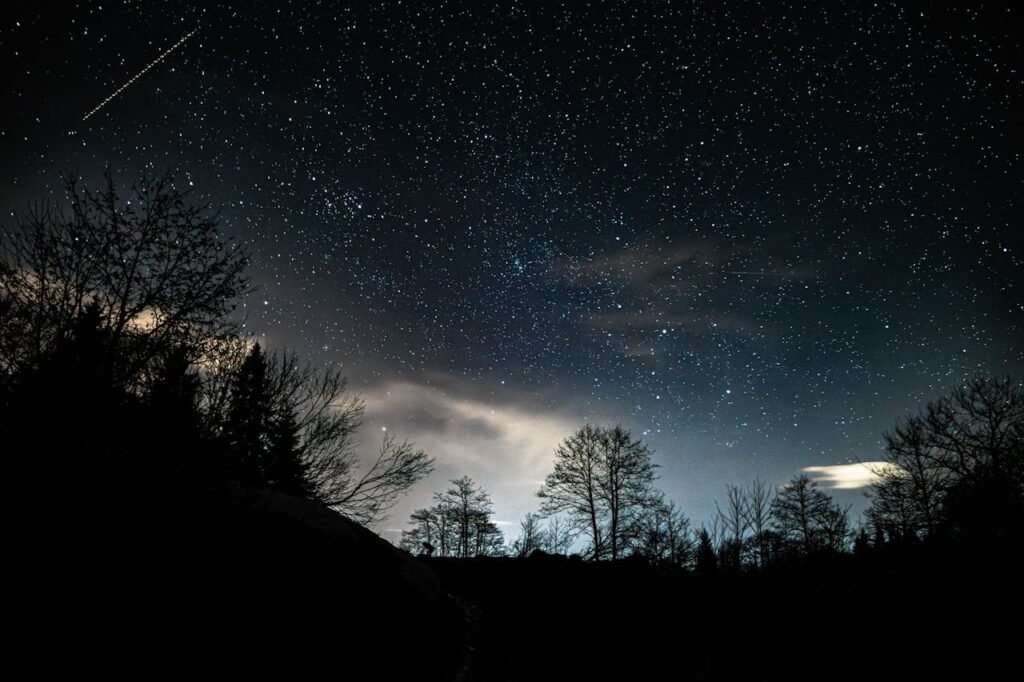
Simultaneously, the Eta Aquarids, deriving from the well-known Comet Halley, begin their celestial show around the same time. Known for their impressive speed and higher frequency, the Eta Aquarids can produce about 50 meteors per hour at their peak. These meteors are particularly fast, traveling at about 41 miles per second, creating long, glowing streaks in the night sky. This shower tends to peak in early May but starts making its presence felt as early as April 20th, providing an extended period for observers to catch a glimpse of these swift-moving space rocks.
This simultaneous occurrence is not just a treat for avid stargazers but a rare opportunity for anyone interested in witnessing the wonders of the cosmos. The dual display enhances the night sky, allowing viewers to see a diverse array of meteor styles and behaviors, from the quick Eta Aquarids to the brighter and slightly slower Lyrids. As both meteor showers radiate from different points in the sky, they collectively enhance the celestial theatre with their overlapping trails and bursts of light.
Optimal Viewing Details
The best time to view both the Lyrids and Eta Aquarids meteor showers is from April 20th to 26th, when their activities overlap. To experience the showers at their peak, viewers should aim for the darkest hours of the night, specifically after moonset and before the predawn light. This timing ensures minimal light pollution from the moon, enhancing the visibility of the meteors against the night sky.
- Best Time and Location for Lyrids: For the Lyrids, the prime viewing time is during the predawn hours. The meteor shower appears to radiate from near the star Vega, located in the constellation Lyra, which rises in the northeast. Observers should look toward this part of the sky after the moon has set to best see the Lyrids’ fast and bright meteors.
- Best Time and Location for Eta Aquarids: The Eta Aquarids are best viewed in the hours before dawn. This shower’s radiant point is near the constellation Aquarius, which is more prominent in the southern sky. While this shower is typically more spectacular in the Southern Hemisphere, Northern Hemisphere viewers can still enjoy a good display by looking toward the southern part of the sky.
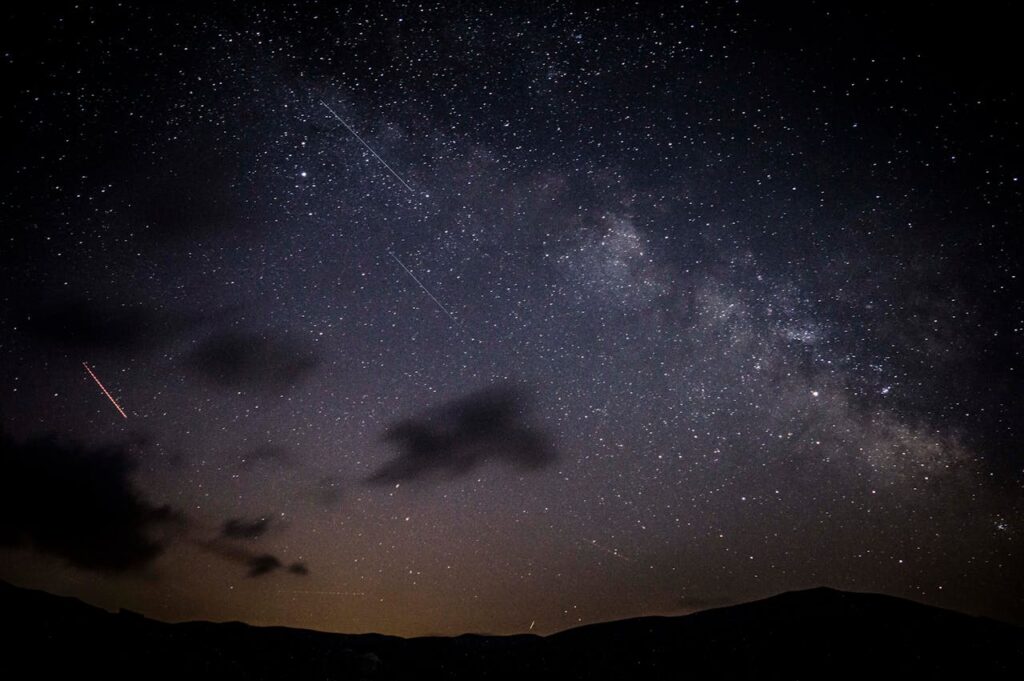
- Weather and Light Conditions: Clear skies are essential for meteor shower viewing, as clouds can obscure visibility. It is advisable to check local weather forecasts and find a viewing spot away from city lights to avoid light pollution. Rural areas typically offer the best conditions. Observers should allow their eyes about 30 minutes to adjust to the darkness, enhancing their ability to spot meteors.
- Viewer Preparation: To maximize comfort and enjoyment during the meteor showers, viewers should prepare appropriately. Bringing a blanket or a lawn chair can provide comfort during long observation periods. Patience is key, as it may take some time for meteor activity to peak, but the celestial display is well worth the wait.
Tips for Optimal Viewing
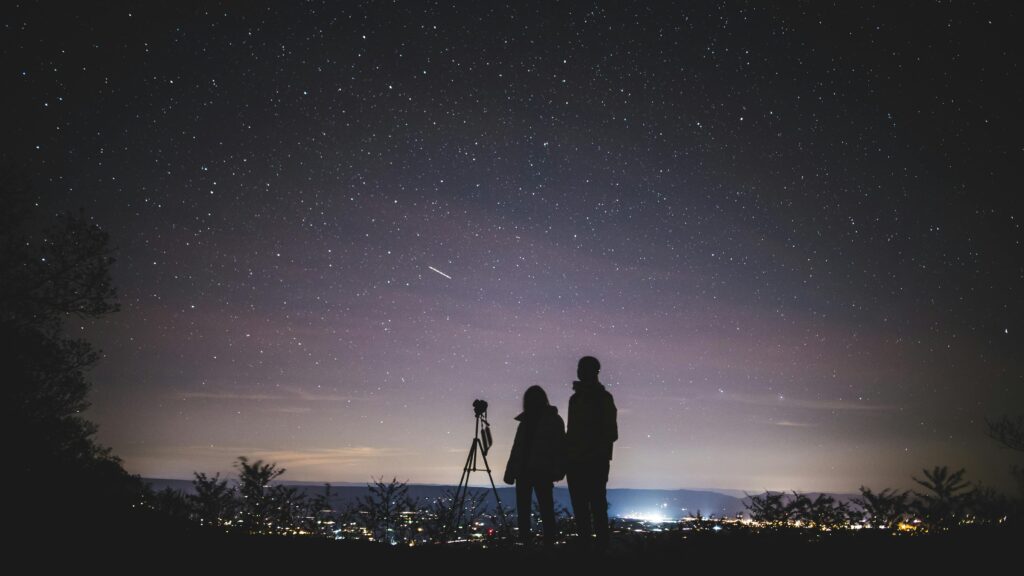
To ensure the best possible experience when watching the Lyrids and Eta Aquarids meteor showers, here are some practical tips for optimal viewing:
Choose the Right Location
Selecting an appropriate viewing spot is crucial. Ideally, this location should be far from urban light pollution. National parks or other remote areas typically provide the darkest skies. The absence of artificial lights enhances the visibility of the meteors significantly.
Prepare for the Environment
Weather can be unpredictable, especially in April. Check the weather forecast ahead of time and dress appropriately for night-time temperatures. Consider bringing additional items such as blankets, warm clothing, and hot beverages to stay comfortable throughout the night.
Adjust to the Darkness
Allow your eyes to adapt to the dark for about 30 minutes before starting your observation. This adaptation enhances your night vision, making it easier to spot meteors. Avoid looking at your phone or any other light source during this time, as these can disrupt your night vision.
Use the Right Equipment
While binoculars and telescopes can be great for other types of stargazing, they are not ideal for meteor shower viewing because they limit the field of view. Meteor showers are best viewed with the naked eye, which allows you to observe as much of the sky as possible.
Be Patient and Persistent
Meteor watching can sometimes test your patience. There may be periods of low activity, but patience often pays off with spectacular bursts of meteors. Set aside several hours for watching to increase your chances of seeing more meteors.
Capture the Moment
If you’re interested in astrophotography, meteor showers are a great opportunity to capture stunning images of the night sky. Use a tripod-mounted camera with a wide-angle lens. Set a long exposure to capture the trails of the meteors. A remote shutter release can help prevent camera shake during long exposures.
Other Notable Celestial Events in April
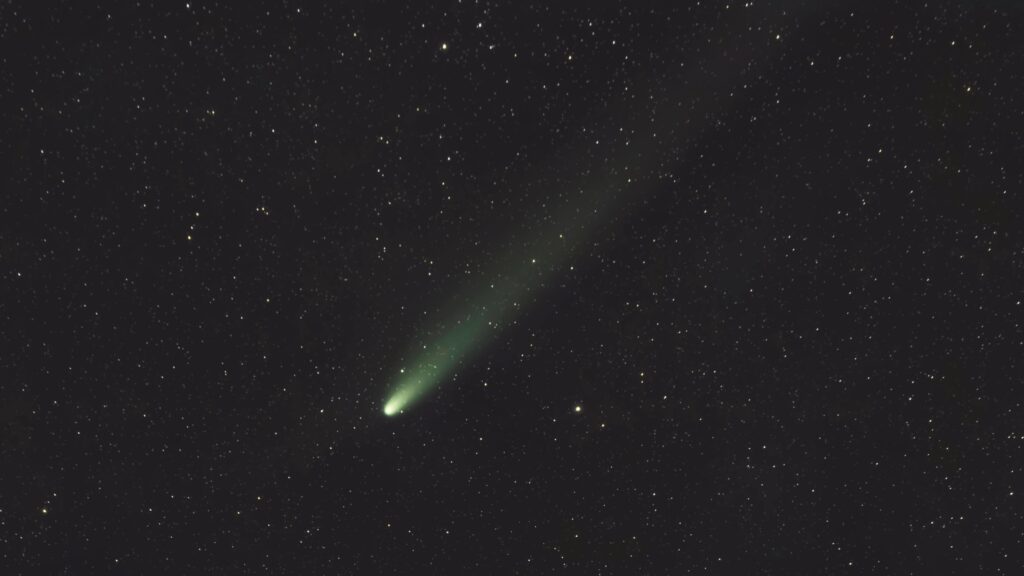
April is not only noteworthy for its dual meteor showers but also for a series of other fascinating celestial events that astronomy enthusiasts can look forward to. Here are some of the highlights:
Planetary Alignments and Conjunctions
Early in the month, the night sky features a delightful arrangement where the Moon aligns closely with Jupiter, offering a splendid view of the gas giant and our lunar neighbor side by side. This conjunction provides an excellent opportunity for photography and is easily visible with the naked eye or through a telescope for a more detailed view.
The Pleiades Star Cluster
Mid-April is also an optimal time to observe the Pleiades star cluster, an open star cluster consisting of middle-aged, hot B-type stars. This cluster appears near the Moon, creating a picturesque view that is best observed with binoculars or a small telescope, enhancing the visibility of its brighter stars and the surrounding nebulosity.
The Messier Marathon
For those who enjoy a challenge, April presents the perfect conditions for the “Messier Marathon.” This event involves trying to observe all 110 Messier objects in one night. Ideal for committed amateur astronomers with access to dark skies, this marathon tests skill and stamina but rewards participants with views of some of the most iconic deep-sky objects.

The Pink Full Moon
April’s full Moon, known as the Pink Moon, occurs on the 12th. Despite its name, the Moon doesn’t actually appear pink. The name comes from the pink flowers that bloom in early spring. This full Moon is especially significant as it coincides with religious and cultural celebrations such as Easter, adding an extra layer of cultural richness to its observation.
Solar Activity and Auroras
The Sun continues to be in a phase of high activity, known as the solar maximum, which enhances the likelihood of aurora sightings. This solar maximum is expected to peak around March 2026, but this year’s increased solar activity can lead to spectacular aurora displays, particularly visible in higher latitudes.
Embracing the Night Sky
As April unfolds its celestial wonders, the simultaneous occurrence of the Lyrids and Eta Aquarids meteor showers offers a unique spectacle that is both awe-inspiring and humbling. This convergence is a vivid reminder of the dynamic and ever-changing universe that surrounds us. Whether you are a seasoned astronomer or a casual observer, taking the time to witness these meteor showers can provide a profound sense of connection to the cosmos and the natural world.
These celestial events not only offer a chance to see the sky in its most dramatic form but also serve as a perfect opportunity for families, friends, and communities to gather and share in the wonder of the universe together. So, take this opportunity to step outside, look up, and let the universe surprise and delight you with its fleeting, fiery brushstrokes across the night sky. The memories created under these stars will last far beyond the trails they leave behind.