
Your cart is currently empty!
As Trump Expands Travel Ban, World Cup Fans From Dozens Of Countries Face Exclusion
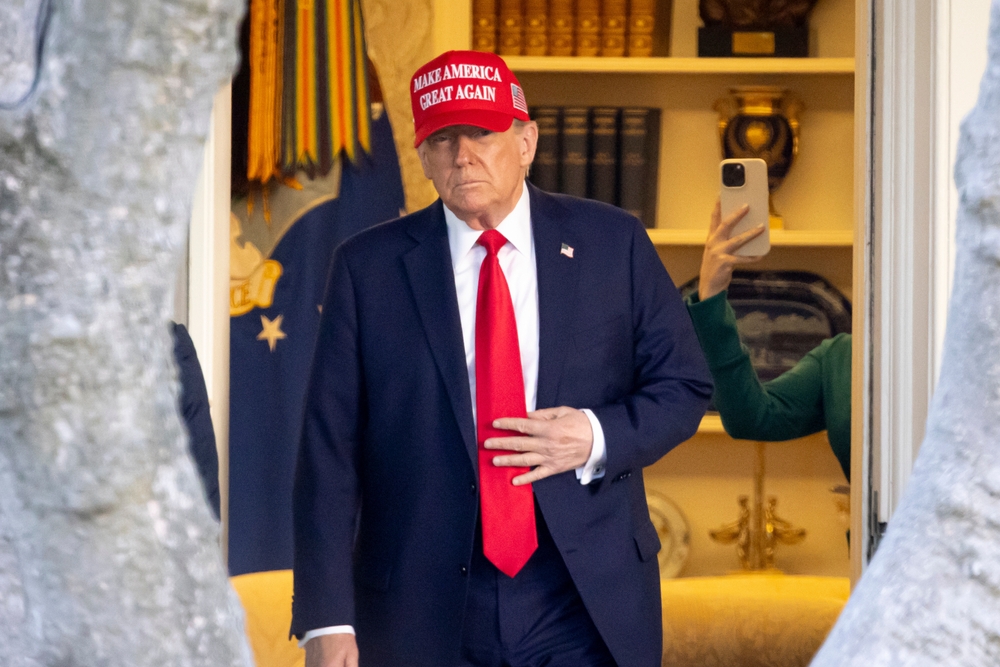
The FIFA World Cup has long been viewed as one of the few truly global events capable of cutting across borders, ideologies, and political divisions, bringing together nations that might otherwise have little in common. With the tournament set to unfold across the United States, Mexico, and Canada, expectations have been building for what is projected to be the largest World Cup ever staged. Organizers estimate that more than three million fans will attend matches in person across the continent, while well over a billion people are expected to follow the tournament from their homes. For many supporters, attending a World Cup match represents a once in a lifetime opportunity tied to years of anticipation, financial planning, and emotional investment in their national teams.
Contents
show
That sense of excitement, however, is increasingly giving way to frustration and uncertainty as President Donald Trump expands a sweeping set of travel and visa restrictions that could prevent millions of fans from entering the United States during the tournament. Over the past year, stricter screening measures and the freezing of migration visas for dozens of countries have raised serious concerns about whether the US can realistically fulfill its obligations as a host nation. Critics argue that while immigration enforcement remains a sovereign right, hosting the World Cup carries an implicit responsibility to ensure reasonable access for international supporters. As the countdown to kickoff continues, the collision between border policy and global sport is becoming harder to ignore.
Hosting the World Cup Amid Intensified Border Controls
Hosting a World Cup requires far more than modern stadiums and broadcast infrastructure. It also demands a commitment to openness, accessibility, and logistical coordination on an international scale. In the upcoming tournament, the United States is slated to host a significant number of matches, including high-profile games that traditionally attract tens of thousands of traveling supporters from around the world. This makes US visa policy a central factor in determining whether the event can deliver the atmosphere and inclusivity that define World Cup history.
Over the last twelve months, the Trump administration has introduced stricter entry requirements that go well beyond conventional immigration screening. Visa applicants are now subject to expanded background checks, longer processing times, and increased discretionary authority for consular officials. Reports indicate that even minor criminal records or content considered overly political on personal devices may result in denial, a level of scrutiny that many fans believe is excessive for short-term sporting travel tied to a fixed event.
For supporters who must coordinate flights, accommodation, and match tickets months in advance, the lack of predictability poses a serious barrier. Even those willing to comply fully with the process face the risk that delays or last-minute denials could make attendance impossible. Critics argue that while such measures may be defensible in broader immigration contexts, applying them during a major global tournament places an unreasonable burden on ordinary fans with no intention of remaining in the country beyond the competition.
Countries Likely to Be Hit the Hardest
The controversy deepened after the administration expanded its list of countries whose migration visa applications have been frozen, raising fears that supporters from entire nations could effectively be shut out of US-hosted matches. Although the restrictions are officially aimed at immigration rather than tourism, the practical consequences for World Cup travel are significant, particularly for countries with strong football traditions and large traveling fan bases.
Supporters from Morocco, Haiti, Ivory Coast, Tunisia, Egypt, Iran, Cape Verde, Uruguay, Senegal, Algeria, Jordan, Uzbekistan, Colombia, Ghana, Albania, Kosovo, North Macedonia, Iraq, and Brazil are among those who could face serious difficulties entering the United States under the current framework. Many of these nations have either qualified teams or a history of sending large numbers of fans abroad, contributing to the vibrant and multicultural atmosphere that defines the tournament.
While it remains unclear whether non-immigrant tourist visas will be fully restricted for those on the ban list, demand for such visas is expected to surge as the World Cup approaches. The absence of clear guidance has already led some fans to delay or abandon travel plans altogether, fearing the financial and emotional cost of being turned away. For supporters without flexible budgets, the uncertainty alone is enough to make attendance feel out of reach.
The Administration’s Rationale
According to a cable sent to US embassy staff around the world, consular officials have been instructed to carry out additional screening measures to ensure that visa applicants do not overstay their welcome or improperly access public benefits. The Trump administration has framed the policy as a necessary step to address systemic vulnerabilities rather than a targeted response to any particular event or nationality.
“With the uncovering of massive public benefits fraud across the United States, the Trump administration is laser-focused on eliminating and preventing fraud in public benefits programs,” the cable stated. Officials argue that tightening visa controls is essential to protecting taxpayer resources and maintaining the integrity of the immigration system.
Critics, however, question how such justifications apply to World Cup supporters seeking short-term entry for a clearly defined event. Advocacy groups and policy analysts note that fans attending matches are highly unlikely to seek public assistance or overstay visas tied to a tournament with fixed dates. They warn that broad enforcement policies risk creating disproportionate consequences when applied without flexibility in globally significant contexts.
Senegal, Ivory Coast, Iran, and Haiti in the Spotlight
The human impact of the restrictions is most visible in countries such as Senegal and Ivory Coast, both of which were added to the expanded travel ban list in December. While the bans do not affect players, coaches, or official delegations, they do prevent ordinary supporters from traveling to US-hosted matches, a distinction that has fueled anger and disbelief among fans.
A Senegal supporter told the Associated Press, “I don’t know why the American president would want teams from certain countries not to take part. If that’s the case, they shouldn’t agree to host the World Cup.” The fan continued, “It’s up to the United States to provide the conditions, the means, and the resources to allow the qualified countries so everyone can go and support their team.”
Iran and Haiti, both of which were included in earlier waves of travel restrictions, are also affected under the current framework. For supporters in these countries, the expanded bans feel like a continuation of long-standing barriers to international mobility, reinforcing perceptions that global sporting events are not as universally accessible as they are often portrayed.
Parallels With Trump’s Earlier Travel Bans
For many observers, the current backlash recalls the travel bans implemented during Trump’s first term, which initially targeted several Muslim-majority countries and sparked widespread protests and legal challenges. Airports around the world became flashpoints of confusion and outrage as travelers were detained or denied entry with little warning.
Although revised versions of those bans were ultimately upheld by US courts, the political and cultural fallout lingered. Critics argue that the present restrictions represent a broader expansion of the same philosophy, applied across a wider range of countries and circumstances, including a global sporting event with symbolic significance far beyond immigration policy.
Supporters of the administration maintain that national security and border enforcement must take precedence regardless of timing. Human rights advocates counter that repeating such measures during the World Cup risks reinforcing perceptions of exclusion and undermining America’s image at a moment when it is meant to welcome the world.
Economic and Diplomatic Implications
The potential consequences extend beyond symbolism and fan experience. World Cup tourism generates billions of dollars in economic activity, from hotel bookings and restaurant spending to transportation and local services. International supporters play a critical role in that ecosystem, particularly in cities hosting marquee matches.
If large numbers of fans are unable to attend games in the United States, host cities may see lower attendance and reduced revenue than projected. There is also concern that supporters may shift their travel plans toward matches in Canada or Mexico, diverting economic benefits away from US locations.
On a diplomatic level, the restrictions risk straining relationships with countries whose supporters feel excluded. Sporting events have long served as tools of soft diplomacy, and critics argue that restrictive visa policies squander an opportunity to foster goodwill and cultural exchange at a time of heightened global tension.
FIFA’s Silence and Unanswered Questions
So far, FIFA has not publicly confirmed whether it will seek temporary visa exemptions or guarantees for affected fans. While host nations typically facilitate entry for teams and officials, access for ordinary supporters often falls into a gray area outside formal hosting agreements.
As the tournament approaches, pressure is growing for clarity. Critics argue that awarding hosting rights without ensuring reasonable fan accessibility undermines claims that the World Cup is a celebration of global unity. Without intervention, teams from affected countries may be forced to compete in front of diminished or uneven crowds, altering the atmosphere that defines the tournament.
A Global Event Tested by Policy
At its core, the backlash highlights a deeper tension between national border control and the expectations placed on countries that host global events. Governments retain the authority to regulate entry, but the World Cup carries symbolic obligations that extend beyond domestic politics.
For supporters who may be barred from attending, the issue is not merely logistical. It raises questions about fairness, representation, and whether global sport can truly remain separate from political realities. As kickoff draws closer, fans across dozens of countries wait for clarity, aware that the decisions made now will shape not only who fills the stadiums, but how this World Cup is ultimately remembered.