
Your cart is currently empty!
Native American Tribe Owning Land Under Billie Eilish’s LA Mansion Issues Message Regarding Singer’s Activism
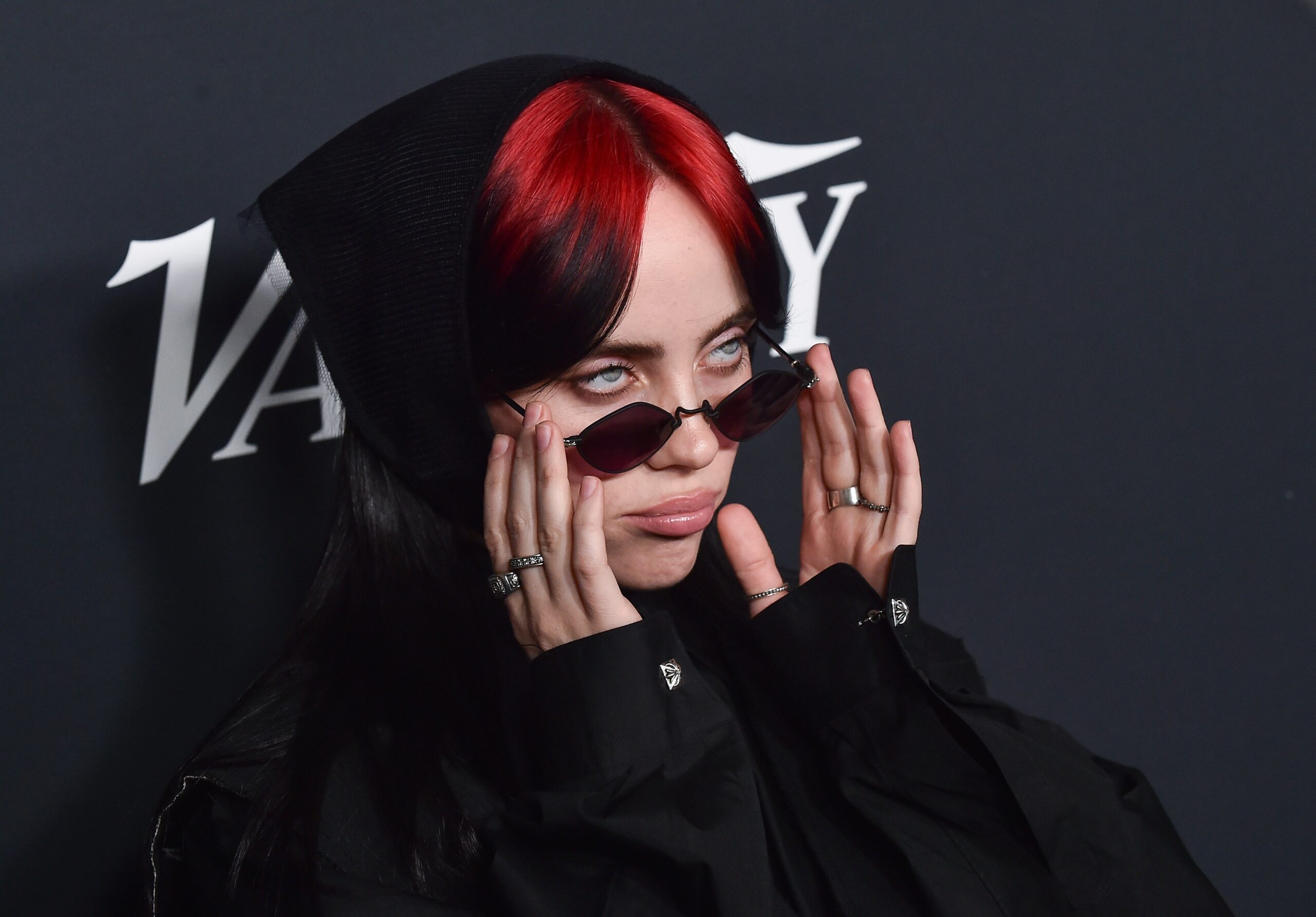
When Billie Eilish stood before the Grammy audience to condemn the concept of illegal status on “stolen land,” the applause was instantaneous, but the silence that followed from the actual landholders spoke volumes. What began as a viral moment of political defiance quickly unraveled into a much stickier conversation about privilege, property, and the responsibilities of those who claim to speak for the marginalized.
Contents
show
As the dust settles on the ceremony, the focus has shifted from the singer’s lyrics to her real estate, prompting a rare and necessary intervention from the Gabrieleno Tongva tribe—the “First Angelenos”—who found themselves at the center of a narrative they didn’t ask for, but are now determined to correct.
The Tongva Tribe Calls for Explicit Acknowledgment
Celebrity activism often sparks important conversations, but it can also raise questions about what it means to be a true ally. This dynamic played out recently after Billie Eilish used her 2026 Grammy acceptance speech to make a bold political statement. While accepting an award, the singer declared that “no one is illegal on stolen land,” a comment aimed at criticizing current immigration policies. However, the spotlight quickly shifted from her words to her own backyard, specifically her multimillion-dollar home in Los Angeles.
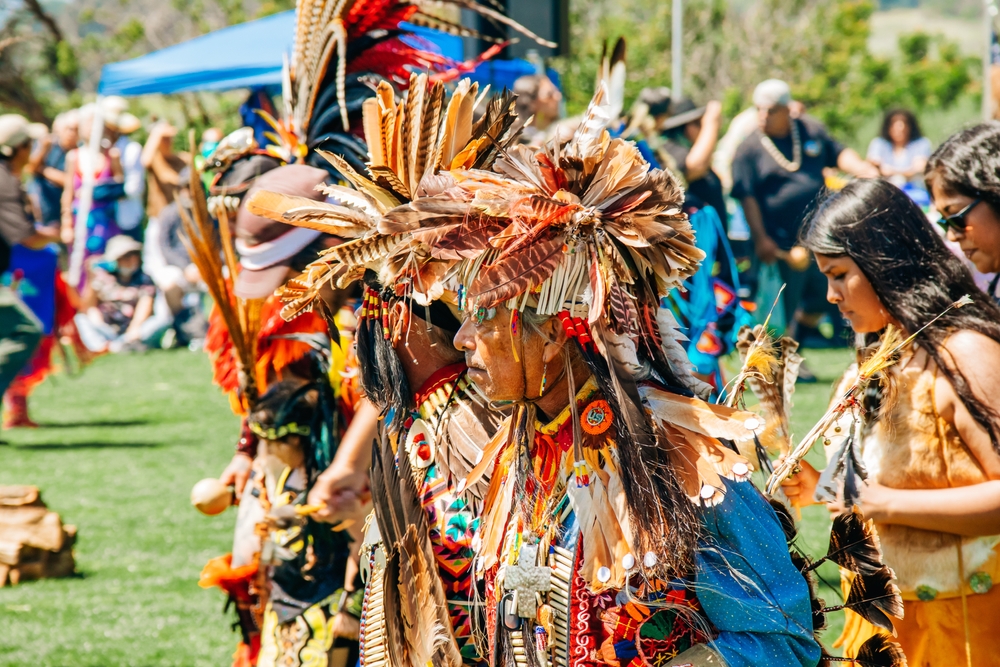
The Gabrieleno Tongva tribe, known as the “First Angelenos,” confirmed that Eilish’s residence sits on their ancestral territory. Their response to the singer’s speech was both gracious and instructive. A tribal spokesperson acknowledged the value of public figures shining a light on the country’s history but pointed out a significant oversight. Eilish has never reached out to them directly.
For the Tongva people, vague references to “stolen land” are a good start, but they aren’t enough. The tribe emphasized that meaningful support requires specific recognition. “It is our hope that in future discussions, the tribe can explicitly be referenced,” the spokesperson explained. This request serves as a gentle but firm reminder that acknowledging history should not just be a slogan. It requires naming the specific communities who are still here today and ensuring the public understands exactly whose land they are standing on.
“Put Up or Shut Up”: Critics Dare Billie Eilish to Hand Over Her $3M Mansion Keys
The singer’s impassioned declaration on the Grammy stage did more than just draw applause; it triggered a swift and sharp response from political figures and commentators. The main criticism focused on a perceived disconnect between Eilish’s words and her actual lifestyle. While she condemned the U.S. as “stolen land,” critics were quick to point out that she owns a very expensive home sitting right on that same soil.
Florida Governor Ron DeSantis was one of the first to challenge the singer. He suggested on social media that if Eilish truly believed her rhetoric, she should “step up and forfeit her Southern California mansion.” This sentiment was echoed by Utah Senator Mike Lee, who argued that land acknowledgments feel empty without real action. He stated that anyone making such a claim should be willing to return their property to Native Americans, adding, “Otherwise they don’t mean it.”
The backlash wasn’t limited to politicians. Independent journalists and commentators also jumped in to question the sincerity of her activism. Manny Marotta pointed out the singer’s reported $50 million net worth, noting she hadn’t given financial support to the original inhabitants of the land. Meanwhile, commentator Eric Daugherty challenged her to open her home to the migrants she was defending. These reactions highlight a common frustration with celebrity activism: when high-profile stars preach about sacrifice without making any themselves, it often leaves the public wondering if the message is genuine or just a performance.
Hollywood’s “ICE OUT” Protest: The Real Tragedies Fueling the Red Carpet Rebellion
Billie Eilish says "f*ck ice" during her #Grammys acceptance speech: "Nobody is illegal on stolen land. We need to keep fighting and speaking up. Our voices do matter." pic.twitter.com/Sz1um3afYJ
— Variety (@Variety) February 2, 2026
Billie Eilish’s outburst on the Grammy stage was not an isolated incident but part of a larger wave of dissent rippling through the entertainment industry. The 2026 ceremony saw a coordinated effort among Hollywood’s elite to protest hardline immigration policies.
Legendary figures like Joni Mitchell and pop icons such as Justin and Hailey Bieber were spotted wearing “ICE OUT” pins, signaling a unified stance against the administration’s enforcement tactics. Fellow winner Kehlani also used her platform to rally artists, urging the community to speak out against injustice rather than staying silent.
This specific moment of advocacy from Eilish appears rooted in recent tragic events that have deeply affected her. Weeks prior to the Grammys, the singer expressed outrage over the shooting of Renee Nicole Good, a 37-year-old woman killed during a confrontation with immigration officers in Minnesota. Eilish took to social media to label the agency a “terrorist group” and shared statistics regarding deaths in custody, making it clear her frustration had been building for some time.
The Grammy speech also echoed sentiments she shared at the MLK Jr. Beloved Community Awards earlier in the year. Despite receiving the Environmental Justice Award for her financial pledges to the cause, she admitted feeling undeserving of the honor. She cited the troubling political and social climate as a reason why celebrating progress felt strange.
Her consistent messaging suggests that her Grammy declaration was less about a spur-of-the-moment impulse and more about a growing disillusionment with the current state of civil rights and government authority.
The Tongva Tribe’s Partnership with the Recording Academy
Rather than letting the controversy end in finger-pointing, the Tongva tribe has used this moment to model constructive engagement. Far from being sidelined during music’s biggest week, the tribe revealed they had been working closely with the Recording Academy well before the ceremony aired. This collaboration resulted in an official Land Acknowledgment statement that was shared during Grammy week and at the Premiere Ceremony, marking a significant step toward institutional recognition.
A tribal spokesperson praised the Recording Academy as an “incredible partner,” highlighting a relationship built on mutual respect and a shared goal: to ensure the voices of the First People are heard and honored. This partnership serves as a blueprint for how institutions—and individuals—can move beyond performative gestures. Instead of vague, uncoordinated statements, the tribe advocates for verified, specific acknowledgments that are developed in consultation with the living communities they reference.
The Tongva tribe’s message to Billie Eilish and other celebrities is clear: good intentions are the starting point, not the finish line. By asking for explicit reference to the Gabrieleno Tongva territory, they are inviting public figures to use their massive platforms for educational precision rather than generalized activism. This approach shifts the focus from “calling out” to “calling in,” offering a way for stars to turn their verbal support into tangible visibility for the people who have stewarded the land for generations.
A New Model for Celebrity Advocacy
The Billie Eilish Grammy moment offers a perfect snapshot of the growing pains in modern celebrity activism. It is easy to shout a slogan into a microphone during an acceptance speech. It is much harder to navigate the complex reality of what those words actually mean in the real world. Eilish likely had pure intentions to stand up for marginalized groups. Yet the swift backlash proves that audiences today demand more than just awareness raising. They want consistency and substance.
The Tongva tribe offered a masterclass in how to handle this disconnect. They did not attack the singer. They simply asked for specificity and human connection. This is the missing link in so much modern advocacy. General statements about “stolen land” can feel like empty buzzwords if the speaker ignores the actual people who are still standing right there. True allyship is not just about making a speech. It is about picking up the phone and doing the unglamorous work of building a relationship.
This situation offers a valuable roadmap for Hollywood moving forward. The era of the detached political speech is fading. It is being replaced by a need for actual partnership. If stars want to use their massive platforms for good, they need to do the homework first. It is about shifting from talking for people to talking with them. By making that small adjustment, celebrities can turn a moment of potential hypocrisy into a powerful opportunity for genuine education and respect.