
Your cart is currently empty!
How Burning Sage Eliminates 94% of Airborne Bacteria (and How to Do It Right)
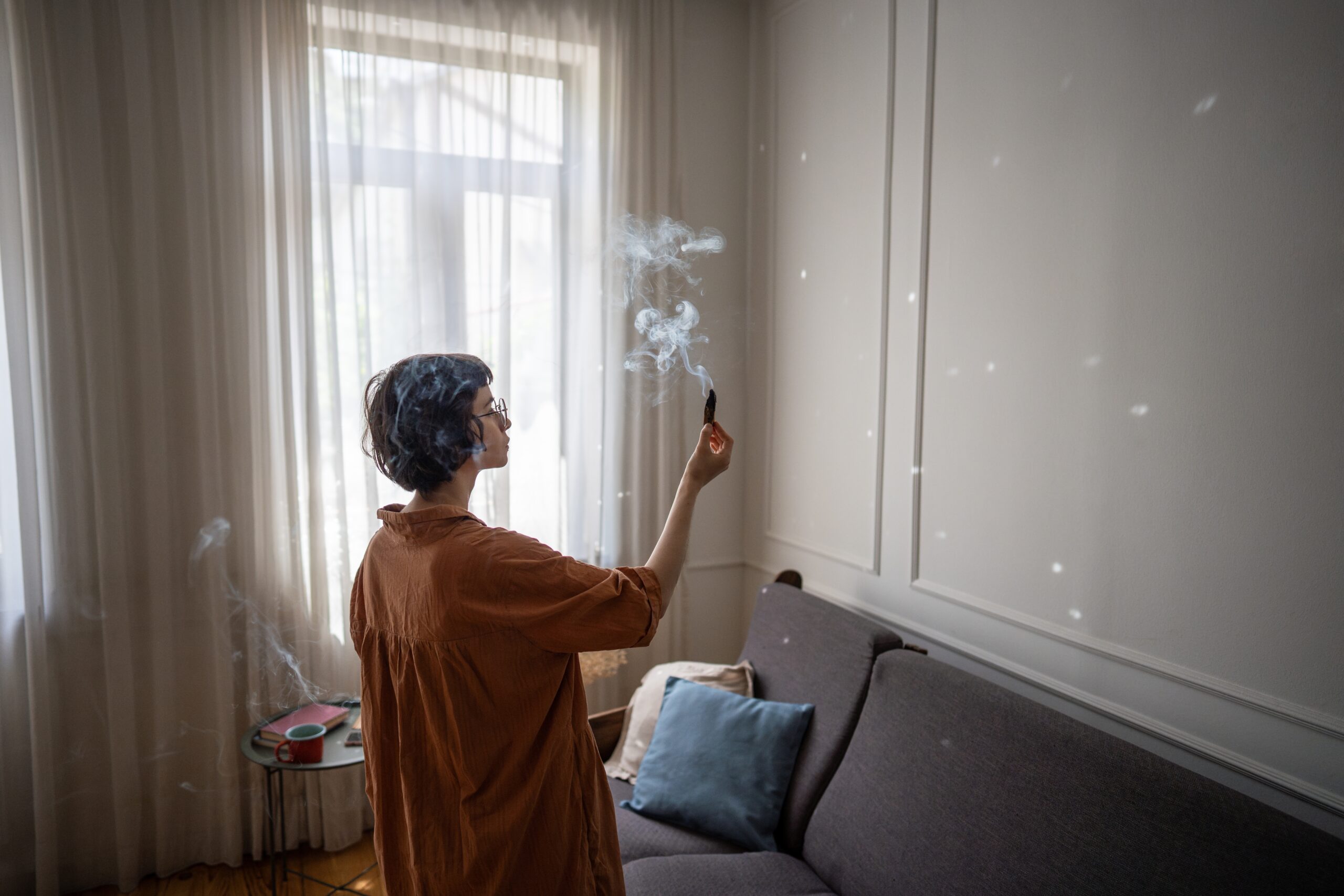
We scrub our counters and sanitize our hands, but we rarely stop to think about disinfecting the air itself. It sounds like a task requiring high-tech machinery or harsh chemicals, yet a recent study suggests the answer has been right in front of us for centuries.
Contents
show
This specific ritual, often associated solely with spiritual clearing, is proving to be a powerhouse against airborne bacteria, challenging everything we thought we knew about what it truly means to have a clean home.
What Research Says About Smudging
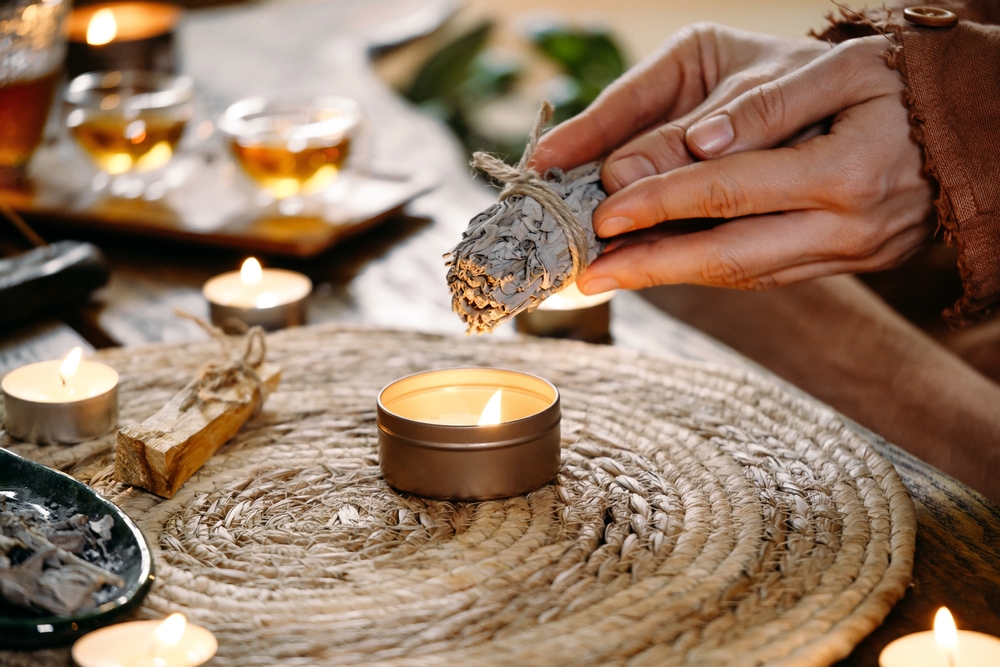
For many, the scent of burning sage brings to mind ancient rituals or spiritual ceremonies, often dismissed by skeptics as mere superstition. However, modern science is finally catching up to what traditional healers have known for generations. A landmark study published in the Journal of Ethnopharmacology put these ancient practices to the test and found that medicinal smoke is a powerful, genuine method for cleaning the air we breathe.
Led by Dr. Chandra Shekhar Nautiyal, researchers observed what happened to the air in a confined space after treating it with medicinal smoke. The results were striking. After just one hour of burning wood and a mixture of medicinal herbs, the smoke eliminated over 94% of airborne bacteria. This was not a temporary mask for odors; the smoke physically removed the harmful microorganisms from the environment.
The study found that the purifying effects lasted long after the smoke cleared. The air remained significantly cleaner for a full 24 hours. Even more impressive, specific pathogenic bacteria—types that can cause infections—were completely undetectable in the room for up to 30 days after the initial treatment. This evidence suggests that smudging functions as a highly effective natural antiseptic, capable of sterilizing a space much like a potent disinfectant, but without the harsh chemicals found in commercial sprays.
A History Rooted in Healing
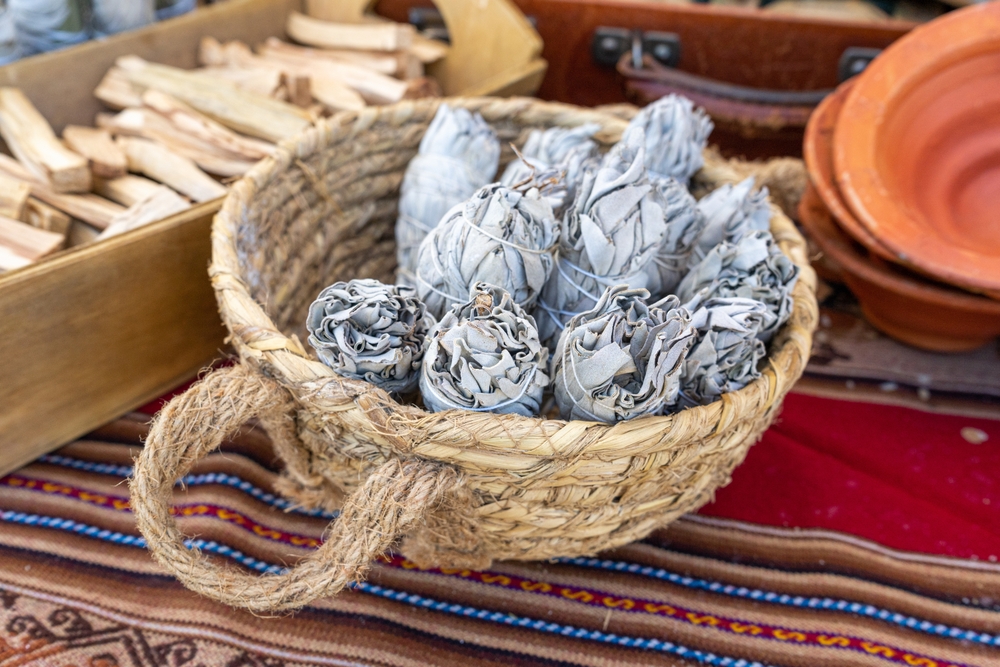
The practice of burning sage is far more than a modern wellness trend; it is a time-honored tradition that spans centuries and continents. Historical records indicate that this ritual was integral to diverse cultures, including ancient civilizations in Egypt, Rome, and Greece, as well as Indigenous communities in the Americas. The plant’s botanical name, Salvia, derives from the Latin word salvere, which translates “to heal” or “to save.” This etymology reflects its long-standing reputation as a potent medicinal ally rather than merely a fragrant herb used in cooking.
In ancient medical traditions, healers utilized sage for a variety of physical ailments. It was commonly prescribed to treat digestive issues, memory loss, and sore throats, serving as a natural remedy before the advent of modern pharmaceuticals. Beyond its physical applications, the burning of the herb was often viewed as a way to clear the mind and restore balance. The scent was believed to carry intentions upward, acting as a bridge between the earth and the spiritual realm.
Today, while we can measure the antibacterial properties of the smoke in a lab, the practice remains deeply tied to these cultural roots. Understanding this history is essential. For many Indigenous cultures, smudging is a sacred ceremony used for prayer and purification. Therefore, using sage to cleanse a home of bacteria or odors acts as a modern application of ancient wisdom, blending physical sanitation with a sense of historical reverence.
Clearing the Air: What to Expect and What to Avoid
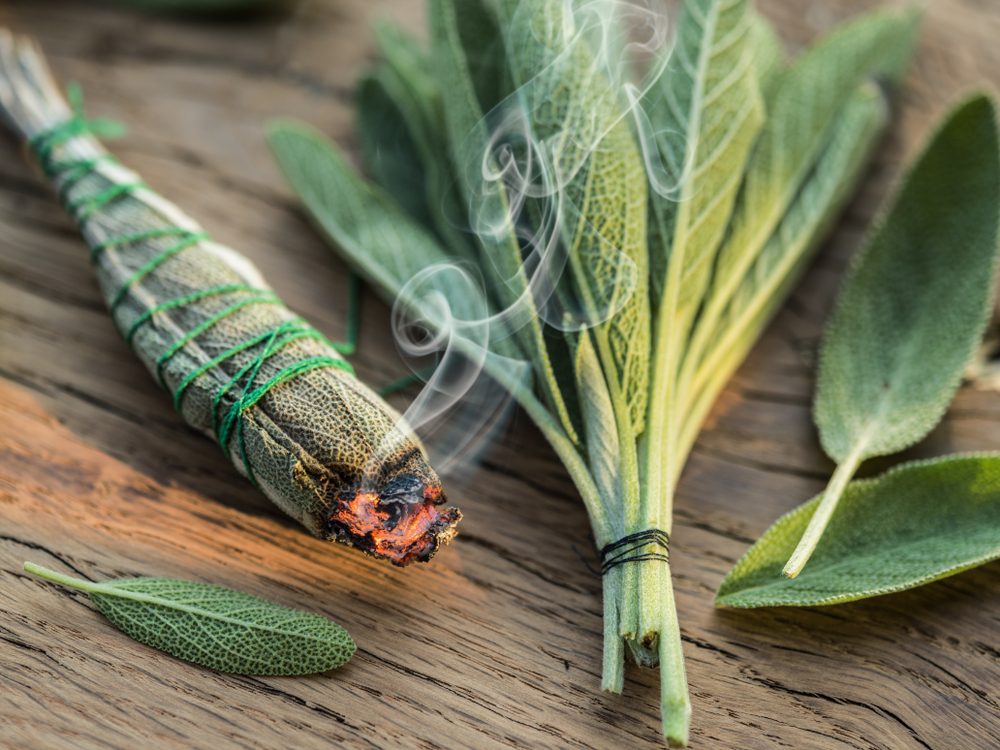
Beyond the microscopic battle against bacteria, burning sage offers immediate, tangible improvements to a living space. Unlike chemical air fresheners that simply mask smells with synthetic perfumes, sage smoke actively neutralizes odors from cooking, pets, or mold. Susan Anderson, a manager at a local shop called Crystal Rock, notes that customers frequently return because of the palpable shift in their environment, describing their homes as feeling lighter and cleaner after the process.
To ensure a safe and effective experience, keep the following factors in mind:
- Odor Elimination: The smoke effectively scrubs the air of lingering smells rather than covering them up.
- Mood Enhancement: Research suggests that the aroma can help alleviate stress and promote relaxation. Natalie Allery, a long-time user, observes that it lifts the energy in her home and helps prevent illness from spreading among family members.
- Respiratory Caution: Smoke is a respiratory irritant. Health experts warn that individuals with asthma, allergies, or pre-existing lung conditions should avoid direct exposure to prevent distress.
- Proper Ventilation: Windows must be open during the process. This allows the smoke, along with the impurities it carries, to exit the home rather than settling back down.
While the practice is generally safe around pets and children, it should always be monitored to prevent smoke inhalation or fire hazards. The goal is to cleanse the air, not to cloud it, so moderation and airflow are key to a healthy environment.
How to Perform the Ritual Effectively
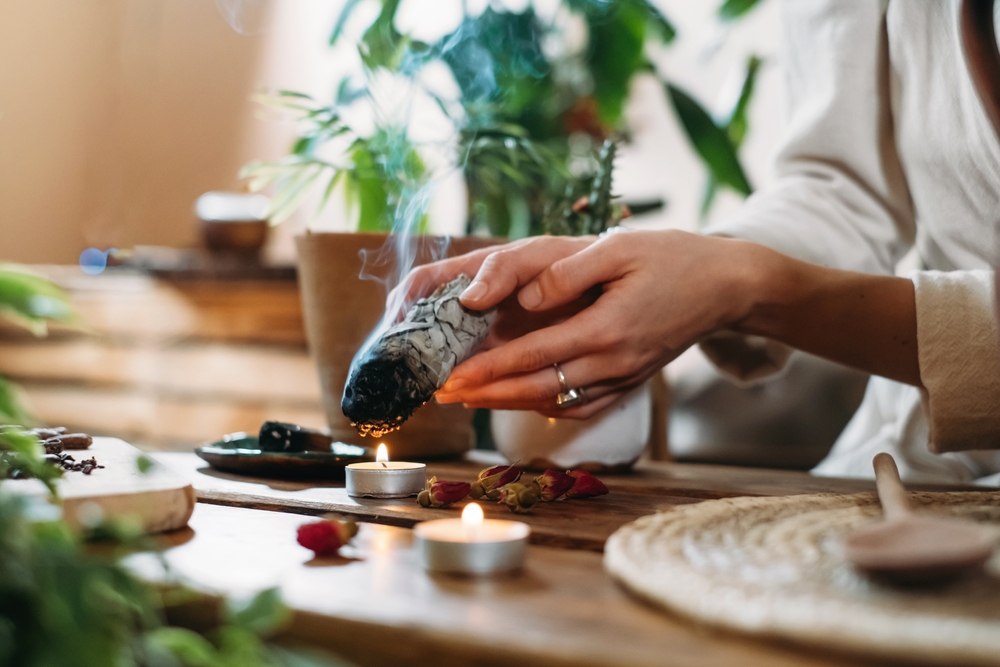
Performing the ritual effectively requires more than just lighting a match. It involves a specific method to ensure the smoke reaches the necessary areas without overwhelming the home. The process begins with sourcing materials responsibly. While white sage is the most recognizable variety, experts caution that it is currently threatened by overharvesting. Seeking out ethically farmed sources or using common garden sage is a respectful way to engage with the practice without depleting wild populations.
Once the materials are ready, preparation is key. Windows and doors should be opened before lighting the bundle. This creates a pathway for the smoke and the airborne impurities it captures to exit the home. To begin, hold the sage bundle at a 45-degree angle and light one end. Allow the flame to burn for roughly 20 seconds before gently blowing it out, leaving the leaves to smolder and release a steady stream of thick smoke.
With the sage smoking, move deliberately through the space. The smoke should be wafted into corners and shadowed areas where airflow is typically stagnant. Many practitioners suggest pairing this physical action with a mental focus or intention, such as gratitude or a desire for clarity. As the smoke drifts out the open windows, it is believed to carry away the airborne bacteria and stagnant energy with it. When finished, the bundle must be extinguished completely in a fire-proof bowl filled with sand or earth, ensuring no embers remain active.
Creating Your Own Sanctuary
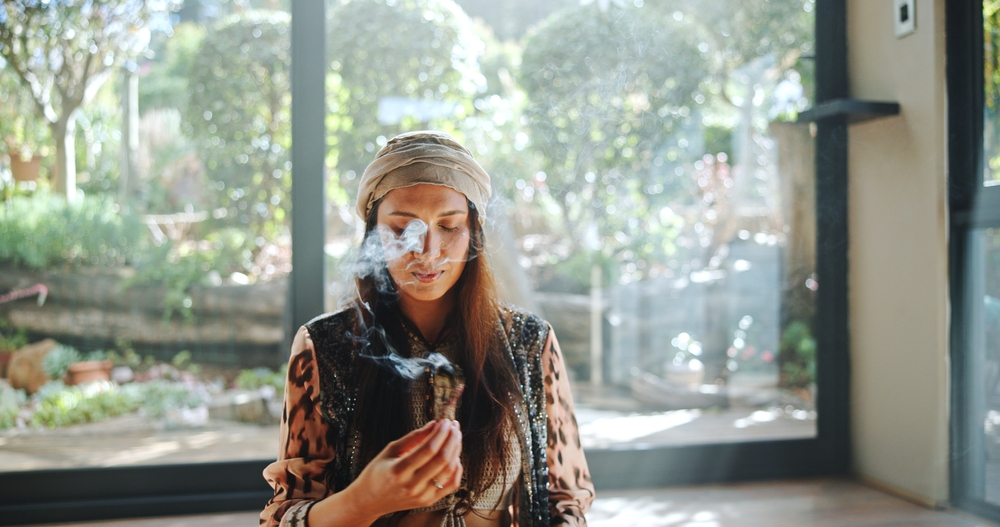
Bringing this ancient habit into your daily life can feel incredibly grounding. It offers a way to physically clean the air while taking a moment to mentally reset. However, it is important to be realistic about whether this method fits your specific household. If you or your family members have asthma, sensitive lungs, or severe allergies, filling a room with smoke, even medicinal smoke, might do more harm than good.
For those who want cleaner air without the risk of irritation, modern technology offers a safe, smoke-free alternative. A high-quality HEPA air purifier can trap airborne particles and allergens just as effectively, without the fire hazard or the strong scent. While plugging in a machine might not feel as special or ceremonial as lighting a bundle of herbs, it gets the job done safely and consistently.
The goal is simply to make your home a healthier place to be. Whether you choose the earthy, traditional method of burning sage or the quiet efficiency of an air filter, taking charge of your indoor air quality is a huge step toward better health. Treat your living space with care and intention, and it will become the refuge you need it to be.
Source:
- Nautiyal, C. S., Chauhan, P. S., & Nene, Y. L. (2007a). Medicinal smoke reduces airborne bacteria. Journal of Ethnopharmacology, 114(3), 446–451. https://doi.org/10.1016/j.jep.2007.08.038