
Your cart is currently empty!
Heavy Drinkers Reduced Their Alcohol Intake by Nearly 30 Percent After Changing One Key Habit, Study Finds
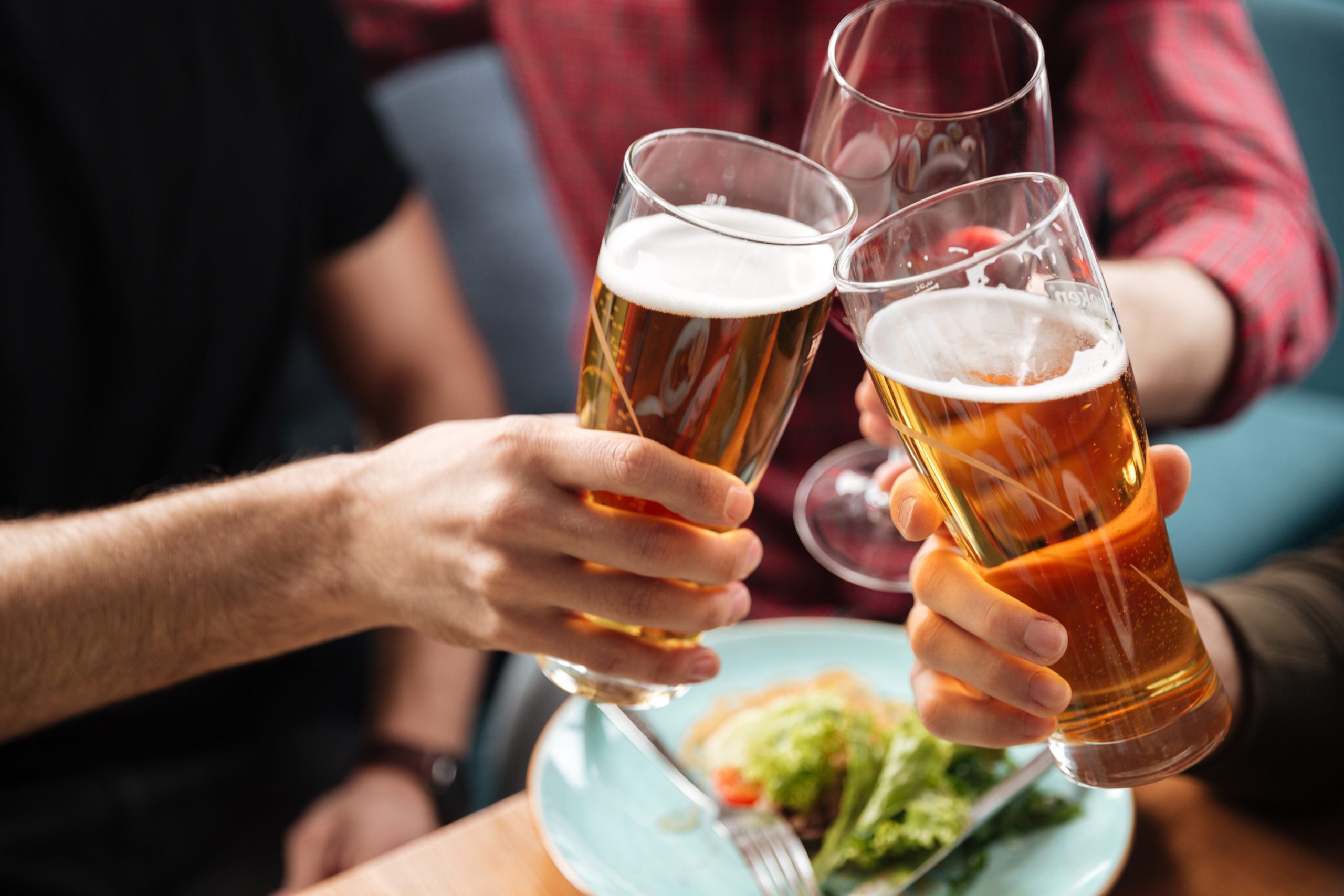
What if cutting back on alcohol was less about steely willpower and more about a single shift in habit? A new study of heavy drinkers who also use cannabis found that, under certain conditions, participants drank nearly 30 percent less after lighting up. The finding taps into a quiet experiment many people are already running in their own lives: reaching for one substance to rein in another. But behind the headline number sits a more complicated story about short term effects, real risks, and what it actually means to rely on any drug, whether it comes in a bottle or a rolled paper.
Contents
show
Measuring Cannabis’ Impact on Drinking
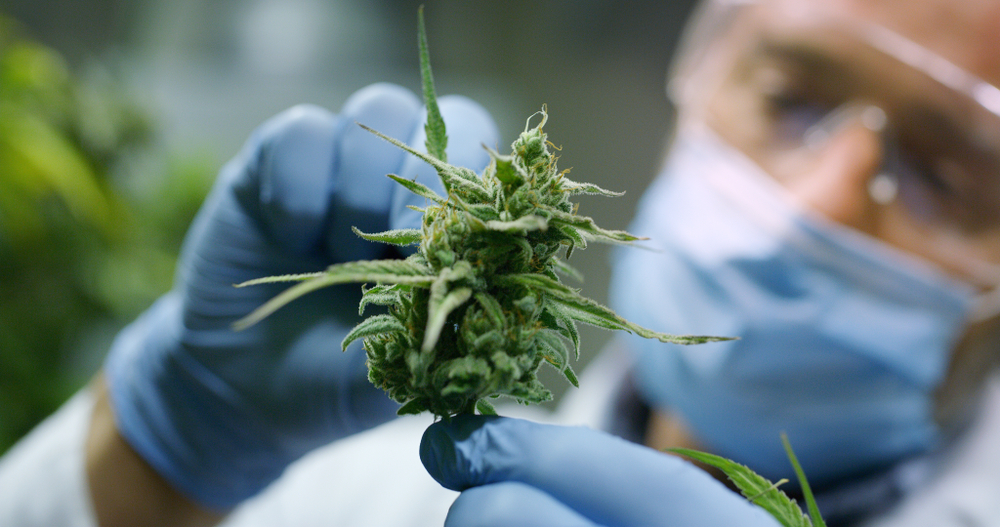
A team at Brown University’s Center for Alcohol and Addiction Studies set out to answer a very specific question: does using cannabis change how much heavy drinkers consume in the moment?
They recruited 157 adults aged 21 to 44 who drank heavily and used cannabis at least every other week. In three separate two-hour “bar lab” sessions, participants were randomly given cannabis with different THC levels (7.2%, 3.1%) or a placebo. After smoking, they could choose between drinking alcohol or taking a cash payment.
The pattern was striking. When participants used the stronger cannabis (7.2% THC), they drank about 27% less alcohol than when they’d smoked a placebo. Those given the lower-dose cannabis (3.1% THC) drank around 19% less. Lead author Jane Metrik, Ph.D., summed it up simply: “In our controlled bar lab study, after people smoked cannabis, they drank about a quarter less alcohol over the next two hours.”
Beyond how much they drank, the researchers also looked at how much participants wanted to drink. Immediately after using cannabis, people reported a reduced urge for alcohol. However, this effect was not consistent across all measures of craving, suggesting a more nuanced relationship than a straightforward “cannabis switches off alcohol desire” story.
The study was randomized and controlled, and it appeared in the American Journal of Psychiatry, which gives the findings scientific weight. But it was also short-term, tightly supervised, and involved people who already used cannabis frequently. In other words, it tells us what happened over a couple of hours in a lab, not yet what happens over months or years in real life.
A Caution Flag on Using Cannabis to Cut Drinking
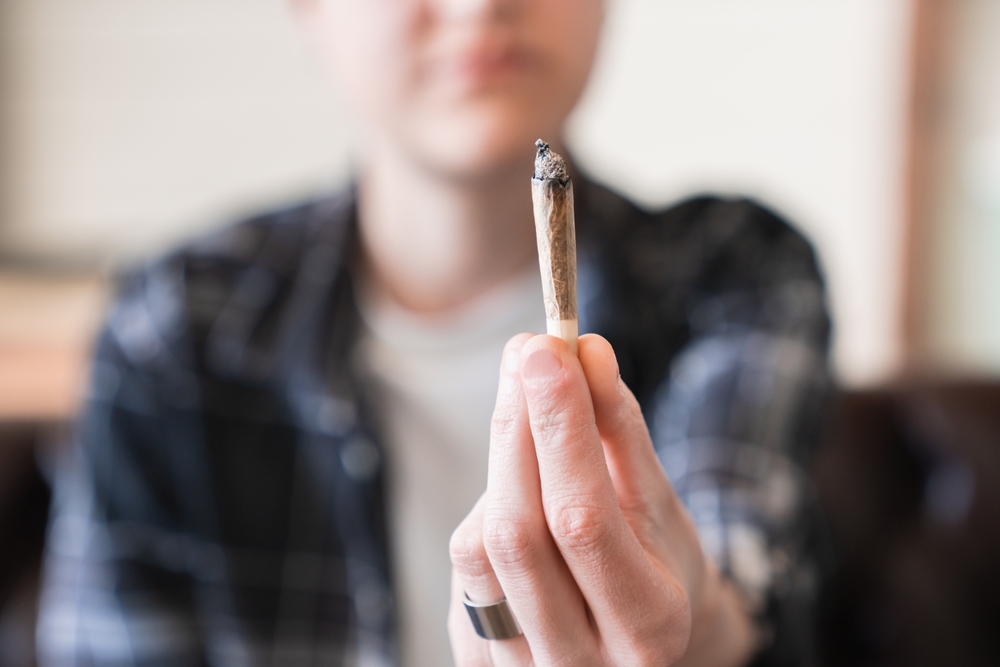
For anyone struggling with their drinking, this kind of headline can feel like hope wrapped in a shortcut: smoke a little more, drink a little less. The researchers are careful to say that’s not what this study shows.
First, the experiment captured only a brief window of time in an artificial setting. Participants were in a lab designed to mimic a bar, closely monitored, and followed for just two hours. As lead author Jane Metrik, Ph.D., put it, “Our study is a first step, and we need more long-term research before drawing conclusions for public health.” The question of whether people would keep drinking less in their day-to-day lives remains wide open.
The sample is also narrow. These were adults who already used cannabis frequently “nearly every day,” according to Metrik. People who are new to cannabis, or who use it only occasionally, may react very differently in terms of both alcohol use and side effects. And the study tested only smoked THC, not edibles, vapes, or THC beverages that are now common in legal markets.
Crucially, the researchers did not recommend cannabis as a treatment for alcohol-use disorder. We still don’t have solid evidence on the long-term safety, addiction risk, or overall health trade-offs of swapping one substance for another. Metrik explicitly cautioned against turning to cannabis as a strategy to cut down on drinking, urging people instead to “closely monitor their use” and to consider evidence-based alcohol treatments.
A Growing Trend: Swapping the Drink, Not the Night Out
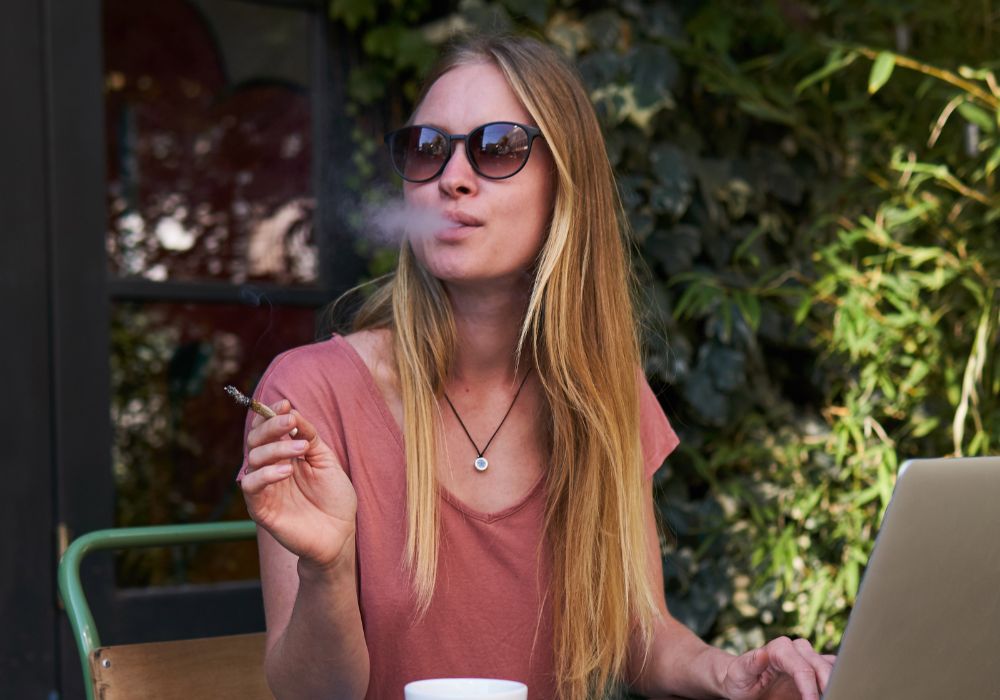
This study doesn’t exist in a vacuum; it taps into a broader cultural shift already underway. As legal cannabis has become more accessible, alcohol sales have dipped in several markets. Cannabis researcher Marcel Bonn-Miller, Ph.D., who was not involved in the study, noted that the findings echo what retailers are seeing: “the current market trends… show that alcohol sales have decreased significantly as THC has become more accessible.”
For some, this shift is captured in the phrase “California sober”, a loosely defined approach where people avoid alcohol and “harder” drugs but still use cannabis. Clinical psychologist Nicole Short, Ph.D., who studies cannabis use disorder, pointed out that the study’s results align with this pattern, where smoking cannabis appears to function as a partial substitute for drinking.
The products themselves are changing, too. Bonn-Miller highlighted the rise of THC beverages and other non-inhaled formats that are being marketed explicitly as alternatives to alcohol. He suggested that future trials need to look closely at these newer products and how they shape drinking behavior over time, not just in a controlled lab.
At the same time, Short urged caution in treating substitution as an uncomplicated win. Some people do report that cannabis has helped them step back from other substances, but, as she noted, “We also don’t know the net effect of swapping out one substance (such as alcohol) for another (such as cannabis).”
In other words, culture may be moving faster than science. People are already experimenting with what it means to socialize, relax, or cope without alcohol but with something else in its place.
A Reality Check for Heavy Drinkers Who Also Use Cannabis
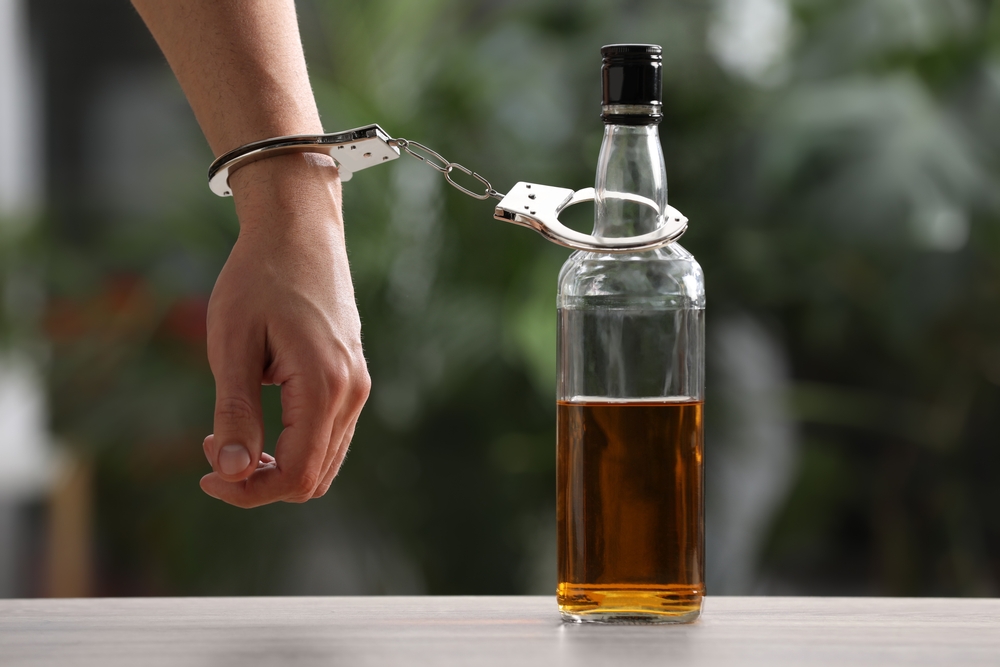
For people who drink heavily and also use cannabis, this research can feel very personal. It may even echo experiments you have tried quietly yourself: a joint before a night out in the hope you will order fewer drinks, or cannabis at home instead of opening another bottle.
The study, however, does not give a green light to this strategy. It did not examine what happens when people use alcohol and cannabis at the same time, even though that is common in real life. Using both together can increase impairment, lower inhibitions, and blur your sense of how much of either substance you have actually had.
Lead author Jane Metrik, Ph.D., emphasizes that cannabis is not a proven treatment tool. She noted, “We do not have clear evidence of long-term safety and efficacy of using cannabis as alcohol treatment. For now, I would not recommend using cannabis to cut down on alcohol use.” She also urges people to watch for signs of cannabis use disorder and to monitor how often and why they are using it.

Clinical psychologist Nicole Short, Ph.D., sees potential in research like this to eventually expand options for reducing problem drinking. For now, though, the most reliable supports remain evidence-based approaches such as therapy, structured treatment programs, medications where appropriate, and peer support groups.
Curiosity about substitution is understandable. It just should not replace real help.
Using the Study as a Moment to Pause and Reflect
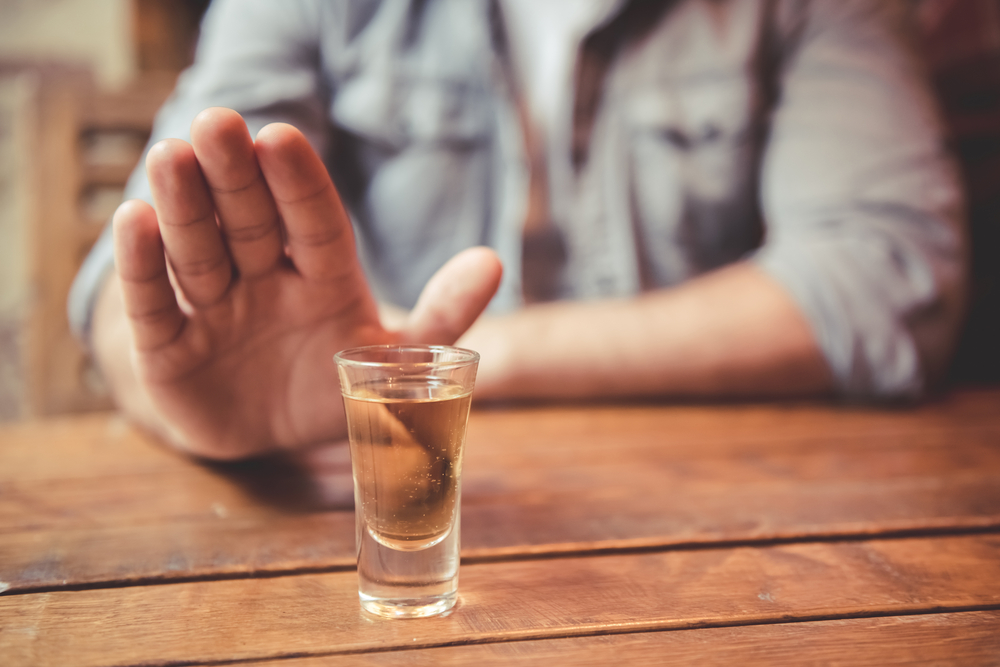
A finding like “27 percent less alcohol” is attention grabbing, but it is not a shortcut. This study raises a deeper question: not just whether cannabis can change drinking in the moment, but what role any substance is playing in our lives.
If you find yourself leaning on both alcohol and cannabis to unwind, cope, or socialize, that is more than a numbers issue. Substituting one for the other may change how much you drink in the short term, but it does not automatically address stress, anxiety, or loneliness underneath.
A more grounded response is to treat this research as a nudge for self-reflection, not a how-to guide. That could mean briefly tracking your use, talking honestly with someone you trust, or checking in with a health professional if your drinking feels hard to control. Evidence-based supports for alcohol use, from therapy to medical care and peer groups, still have the strongest track record.
The most meaningful takeaway is nuance: cannabis might influence alcohol use, but your well-being is about more than swapping one substance for another.
Source:
- Metrik, J., Aston, E. R., Gunn, R. L., & Kahler, C. W. (2025). Acute effects of cannabis on alcohol craving and consumption: a randomized controlled crossover trial. American Journal of Psychiatry, appiajp20250115. https://doi.org/10.1176/appi.ajp.20250115