
Your cart is currently empty!
When a Dispensary Fire Turned a Colorado Emergency Into a National Joke
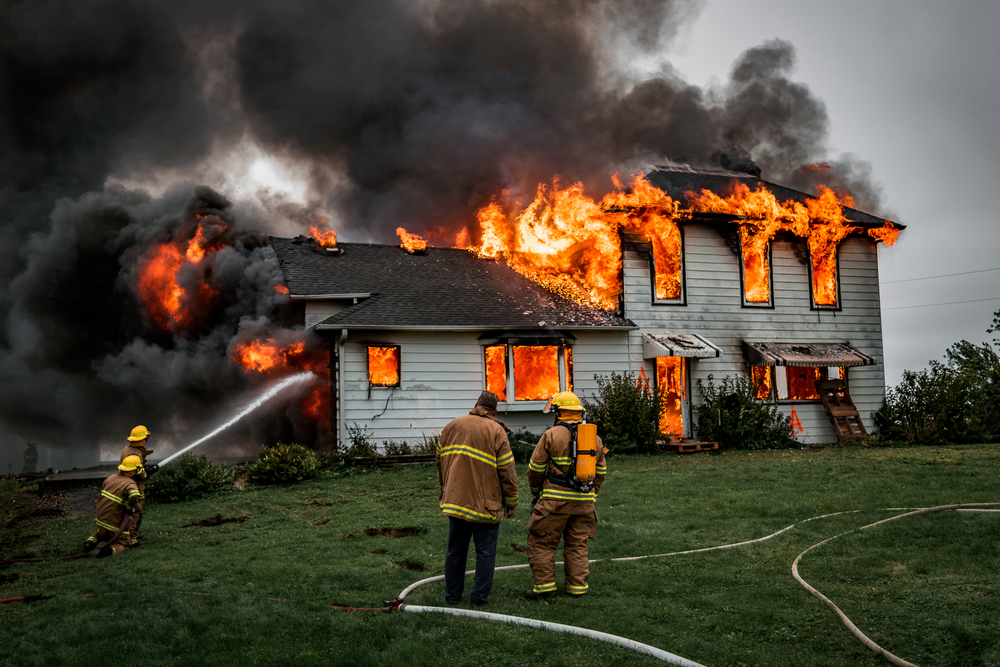
On a winter morning in the high-altitude town of Leadville, Colorado, the day began the way many do in small mountain communities. Cold air. Quiet streets. Schools preparing for classes and businesses opening their doors. By mid-morning, that calm had been replaced by thick smoke, blocked roads, emergency sirens, and a public health alert urging residents to stay indoors.
Contents
show
The source of the disruption was a structure fire at Floyd’s of Leadville, a cannabis and CBD dispensary located on Poplar Street. Fire crews from multiple counties rushed to the scene. Nearby homes were evacuated as a precaution. Air quality warnings spread across town. Children lost outdoor recess for the day. What could have been a straightforward local emergency story quickly turned into something larger once it reached the internet.
Within hours, headlines and social media posts reframed the incident. The fire was no longer just a fire. It was a marijuana fire. The smoke was no longer just smoke. It became a punchline. Jokes spread faster than official updates, and the cultural reflex surrounding cannabis reshaped how the event was discussed far beyond Leadville.
This is the story of what actually happened, how the response unfolded, and why the reaction revealed something deeper about how cannabis is still perceived in moments where humor quietly replaces clarity.
The Morning the Smoke Rolled In
Just before 9 a.m. on December 18, emergency responders were dispatched to a reported structure fire in the 1100 block of Poplar Street in Leadville. Photos released by the Lake County Sheriff’s Office showed smoke billowing from the building that housed Floyd’s of Leadville, a well known dispensary and CBD retailer in the area.
As the fire intensified, officials began taking immediate safety precautions. Roads surrounding the building were closed. Nearby businesses were asked to shut down temporarily. Homes within close proximity were evacuated to reduce risk as firefighters worked to contain the blaze.
By mid-morning, smoke had spread far enough that the Lake County Public Health Agency issued an air quality alert for residents within roughly a half-mile radius of the fire. People were advised to remain indoors when possible or to wear protective masks if they needed to go outside. Free N95 masks were made available to the public at a local distribution point.
The alert was not symbolic. Smoke from structure fires contains fine particulate matter that can aggravate lungs, trigger asthma attacks, and pose serious risks to children, seniors, and people with underlying health conditions.
For families, the impact was immediate. Lake County Elementary School, located about 0.3 miles from the fire, canceled all outdoor activities for the day. Students remained inside as officials monitored air conditions.
A Complicated Fire in an Old Building

Firefighters soon realized this was not a simple room-and-contents fire. According to Leadville and Lake County Fire-Rescue officials, the building presented unique challenges that slowed suppression efforts.
The structure was old and had been expanded and modified multiple times over the years. Those additions created void spaces inside the walls, areas where fire can spread unseen and remain difficult to access. Flames burned inside these hidden cavities, forcing crews to work carefully and methodically to fully extinguish the blaze.
The response grew quickly.
Fire departments from several neighboring counties assisted, including Summit County, Eagle County, and Chaffee County. In total, multiple engines and ladder trucks were deployed. Utility companies, law enforcement agencies, and public works crews also supported the operation by managing traffic, securing power, and ensuring water access.
By approximately 12:15 p.m., the fire was declared out. The building remained standing, and no injuries were reported. While adjacent structures were not damaged, the interior of the dispensary suffered extensive fire damage.
Investigators later confirmed that determining the exact cause of the fire could take time and that it was possible no definitive cause would ever be identified.
The Air Quality Alert That Changed the Day

For Leadville residents, the most immediate concern was not the business itself but the air.
A community alert sent through the Everbridge system warned residents about reduced air quality caused by the smoke. Officials recommended several precautions:
• Staying indoors as much as possible
• Wearing masks if outdoor exposure was unavoidable
• Limiting physical activity outside
• Monitoring symptoms such as coughing, shortness of breath, or irritation
These warnings mirrored standard public health guidance used during wildfires and industrial fires across the western United States. Smoke is smoke, regardless of what kind of building is burning.
Yet in this case, the presence of cannabis inside the structure shifted the public narrative almost instantly.
When Headlines Leaned Into the Joke

As news of the fire spread beyond Leadville, headlines began emphasizing the dispensary aspect of the story. Social media users seized on the idea of a marijuana business burning and smoke drifting across town.
The jokes followed a familiar pattern.
People joked that the whole town must have gotten high. Others referenced failed drug tests, sleepy afternoons, or classic Colorado stereotypes. Memes circulated. Comment sections filled with humor that had little connection to the actual event.
This reaction was not driven by malicious intent. It was driven by habit.
For decades, cannabis smoke has occupied a unique place in American culture. It is often portrayed as active, contagious, and intoxicating by default. When people hear the words cannabis and smoke together, they often assume intoxication is inevitable, even when no consumption is taking place.
That assumption quietly rewrote the Leadville fire into something lighter than it was.
Why the Smoke Was Not Funny
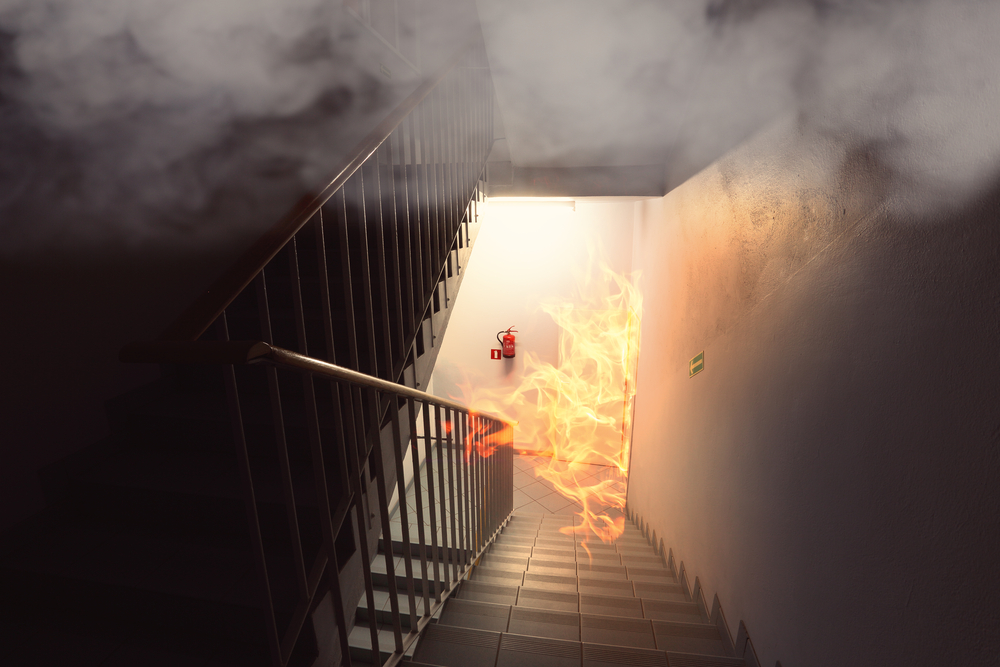
In reality, the smoke that spread across Leadville posed the same risks as smoke from any other structure fire.
It was a mixture of burned building materials, insulation, wood, wiring, and household components. The presence of cannabis products inside the building did not transform the smoke into an airborne recreational substance.
Health officials issued warnings because smoke inhalation can:
• Irritate eyes, throat, and lungs
• Trigger asthma and respiratory distress
• Increase heart strain in vulnerable individuals
• Reduce oxygen delivery in cold, high-altitude environments
None of those risks are humorous, and none are unique to cannabis related businesses.
If the building had been a pharmacy, a hardware store, or a grocery warehouse, the smoke would have been treated exactly the same by public health officials and firefighters.
The difference lay in the framing.
Cannabis and the Cultural Reflex

Cannabis still occupies a separate mental category in the public imagination.
Even in states like Colorado, where marijuana has been legal and regulated for years, cannabis is often treated less like a product and more like an active force. It becomes the subject of the story rather than the setting.
When a furniture warehouse burns, the focus remains on the fire. When a pharmacy catches fire, no one jokes about a neighborhood being accidentally medicated. The smoke is understood as dangerous and nothing more.
With cannabis, the reflex is different.
Pop culture has reinforced this framing for decades through movies, television, and cartoons that depict cannabis smoke as magically intoxicating simply by being present in the air. Those depictions linger even as laws, markets, and norms have changed.
The Leadville fire exposed how quickly that reflex still activates.
A Business Embedded in the Community

Floyd’s of Leadville was not an abstract symbol of cannabis culture. It was a local business operating within a small mountain town.
The dispensary was founded by former professional cyclist Floyd Landis and co-owned by fellow cyclist Dave Zabriskie. Over the years, it became part of the local commercial landscape, employing people and serving customers like any other regulated retail operation.
Like many mountain town businesses, it operated out of an older building, a reality that comes with both charm and risk.
When that building caught fire, the impact rippled outward.
Employees lost their workplace. Customers lost access. Firefighters faced a dangerous and complex suppression effort. Residents dealt with smoke and disruptions to daily life.
Those consequences did not disappear simply because cannabis was involved.
The Online Reaction Versus the Local Reality
Inside Leadville, the mood was not one of amusement.
Residents paid attention to evacuation notices. Parents adjusted schedules. School administrators prioritized student safety. Fire crews worked long hours in freezing conditions.
Outside Leadville, the tone shifted.
Social media turned the fire into a novelty story. Headlines leaned into phrasing that emphasized marijuana over infrastructure, smoke over safety, and jokes over logistics.
This disconnect highlights how distance changes perception. What feels like a harmless joke online often corresponds to real disruption on the ground.

The Role of Language in Public Understanding
Language shapes how events are understood.
When headlines center cannabis rather than combustion, readers are nudged toward humor rather than seriousness. The fire becomes secondary. The emergency response fades into the background.
This matters because public understanding influences public trust. When people are trained to laugh at certain types of emergencies, they may also be slower to take official guidance seriously.
In Leadville, officials needed residents to understand that the air quality alert was real and that protective measures mattered.
Clarity, not cleverness, helps in those moments.
Firefighters Doing Unseen Work
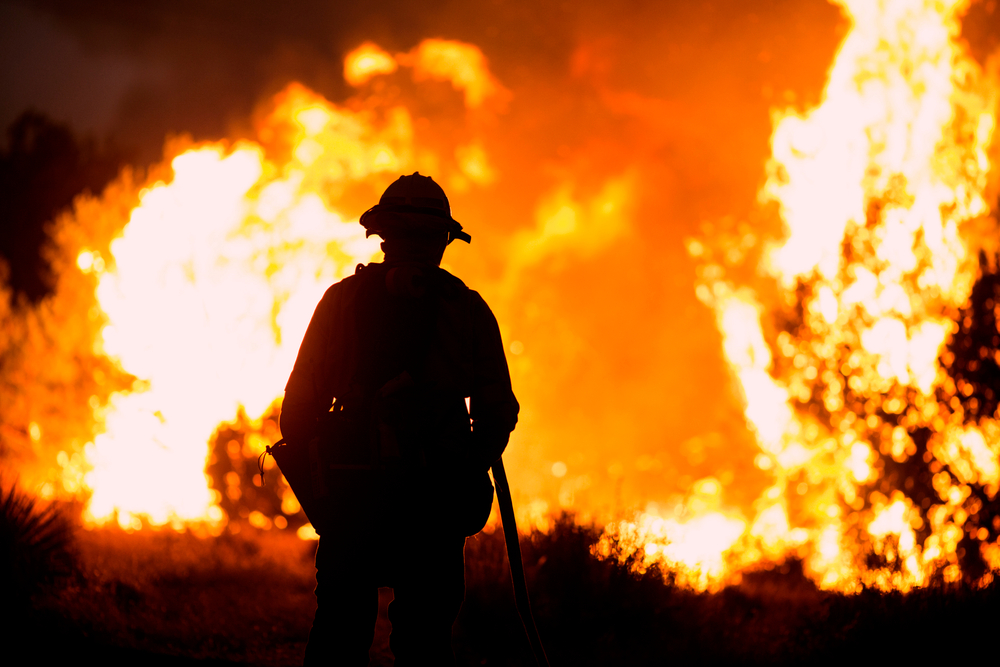
Lost amid the jokes was the work of the firefighters.
Battling a structure fire in winter at high elevation is physically demanding and dangerous. Hidden wall voids increase the risk of sudden flare-ups. Cold temperatures complicate water supply and equipment performance.
Crews from multiple counties coordinated efforts, navigated tight spaces, and worked to prevent the fire from spreading to adjacent buildings.
They succeeded.
No lives were lost. No neighboring structures were damaged. The fire was contained.
That outcome was not accidental, and it deserved more attention than it received.
The Broader Context of Cannabis Regulation
Colorado’s cannabis industry is heavily regulated. Dispensaries operate under strict safety, security, and compliance requirements. They are inspected, licensed, and monitored by state agencies.
They are also subject to the same risks as any other business operating in older commercial buildings.
Fire does not discriminate based on inventory.
As cannabis becomes increasingly normalized across the country, incidents like the Leadville fire highlight a lag between regulation and perception. Laws have changed faster than cultural habits.
What the Fire Ultimately Revealed
At its core, the Leadville fire was simple.
A building burned. Smoke spread. Authorities responded. People were protected.
What complicated the story was not the fire itself but the narrative layered on top of it.
The jokes did not emerge because the fire was funny. They emerged because cannabis still triggers an automatic cultural response that overrides context.
That response tells us something about where society is, not about what actually happened.
A Town Moves Forward
By the evening of December 18, officials issued an all-clear message. Roads reopened. Air quality improved. Residents returned home.
The dispensary building remained standing, though its future was uncertain. Repairs and investigations would take time.
Life in Leadville resumed its familiar rhythm, shaped by winter weather and mountain routines.
Online, the jokes lingered longer than the smoke.
A Moment Worth Reflecting On
The Leadville fire did not need embellishment to be compelling. A small town responding to an unexpected emergency is a story in itself.
What got added was a wink that distracted from the reality.
This is not about banning humor or scolding curiosity. It is about recognizing when reflex replaces understanding.
Cannabis smoke did not blanket Leadville with intoxication. It blanketed the town with the same risks that come from any structure fire. The difference existed only in perception.
As cannabis continues to integrate into everyday commerce, moments like this offer an opportunity to recalibrate how stories are told.
A fire is a fire. Smoke is smoke. Safety matters regardless of what was being sold inside the building.
The Leadville incident reminds us that how we frame events shapes what we take seriously, and what we choose to laugh at.
Sometimes, the most revealing part of a story is not the flames, but the reaction that follows.