
Your cart is currently empty!
Shocking Update on Dire Wolves Brought Back From Extinction Reveal They More Than Doubled in Size

Twelve thousand years ago, dire wolves were the kings of their domain powerful, muscular predators that once roamed the Pleistocene landscapes of North and South America. Their bones, long buried beneath layers of history, told stories of a species built not just for survival, but dominance. And then they vanished.
Contents
show
So what happens when science reaches into the past and pulls back a creature thought lost forever?
In a development that sounds more like science fiction than reality, three pups Romulus, Remus, and Khaleesi have emerged as living symbols of what some are calling the world’s first true “de-extinction.” Engineered from fragments of ancient DNA and born through modern biotechnology, these wolves aren’t just surviving they’re thriving. In just six months, the males have more than doubled in size, outpacing their grey wolf counterparts by over 20%, a striking hint that the ancient traits programmed into their genes are taking hold.
But are these animals truly dire wolves or just high-tech lookalikes? And what does it mean for nature, for ethics, for the future of conservation when humans can begin to rewrite extinction itself?
How Were Dire Wolves “Brought Back”?
Bringing an extinct predator back to life is no small feat it’s a scientific and ethical frontier that has long existed on the fringes of possibility. For Colossal Biosciences, a Texas-based biotech company specializing in de-extinction, the dire wolf was more than a legend popularized by Game of Thrones it was a genetic puzzle begging to be solved.
The process began with ancient remains: a 13,000-year-old tooth unearthed in Ohio and a 72,000-year-old skull fragment found in Idaho. While these fossils were far from pristine unlike those preserved in permafrost the team successfully extracted fragments of ancient DNA, a task made more difficult due to degradation over millennia. As Colossal’s chief science officer Dr. Beth Shapiro noted, “Getting the genome was really hard,” particularly because dire wolves didn’t live in cold climates where DNA typically preserves better.
Once sequenced, the researchers identified 20 key genetic markers that differentiated the dire wolf (Aenocyon dirus) from its closest modern relatives, primarily the grey wolf. Traits such as a more muscular build, broader head, thicker fur, and a larger skeletal frame were among the characteristics encoded by these genes.
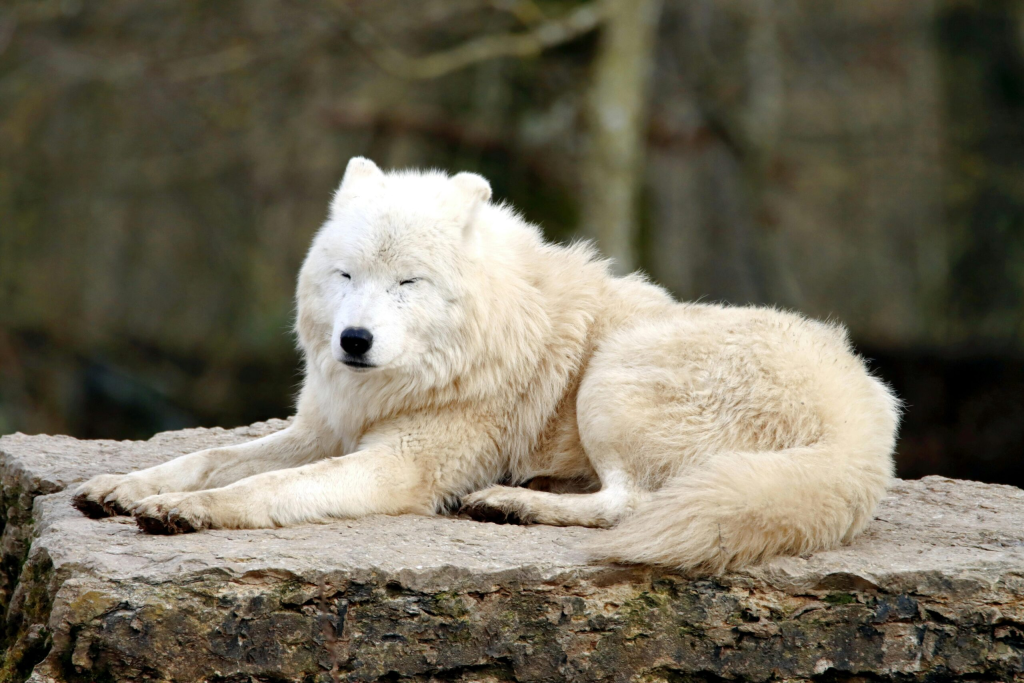
Using CRISPR a gene-editing technology often described as “molecular scissors” the team precisely altered the DNA of grey wolf cells to match those of the ancient dire wolf. These edited cells were then transferred into egg cells taken from domestic dogs, chosen for their genetic compatibility and reproductive viability. After embryo development, the modified eggs were implanted into surrogate dogs.
On October 1, 2024, two male pups, Romulus and Remus, were born via Caesarean section. A few months later, a female pup named Khaleesi followed. From the moment of birth, their size and features hinted at success. “Good Lord, this thing is huge,” recalled Matt James, Colossal’s Chief Animal Officer, upon first holding one of the newborns.
But are these truly dire wolves reborn?
Not entirely. Experts like Love Dalén, a professor of evolutionary genomics at Stockholm University and advisor to Colossal, stress that these pups are still genetically 99.9% grey wolf. The scientific community remains divided over whether altering a few key genes constitutes a real resurrection. “There’s going to be an argument in the scientific community regarding how many genes need to be changed to make a dire wolf,” Dalén explained. “But it carries dire wolf genes, and these genes make it look more like a dire wolf than anything we’ve seen in the last 13,000 years. And that is very cool.”
Meet Romulus, Remus, and Khaleesi
Born into a world where ancient meets engineered, Romulus, Remus, and Khaleesi are no ordinary pups. These three genetically modified wolves are the result of Colossal Biosciences’ first de-extinction experiment a living blend of prehistoric legacy and modern technology. But beyond the headlines and lab reports, they’re also young animals forming bonds, personalities, and hierarchies like any natural-born pack.
Romulus and Remus, twin males, were delivered on October 1, 2024, followed by their sister Khaleesi on January 30, 2025. From birth, their physical features set them apart: bright white coats, broader skulls, and notably larger builds than standard grey wolves. At just over six months old, Romulus and Remus weigh more than 90 pounds each already 20% larger than grey wolves of the same age. Khaleesi, now three months old, is developing along a similar path, weighing about 35 pounds still up to 20% larger than expected for her age and sex.
But size isn’t the only thing that stands out. Their behavior offers a fascinating glimpse into the formation of pack dynamics in a controlled setting. According to Paige McNickle, who oversees the pups’ daily care, subtle personality differences are already emerging. Remus, the smaller of the two brothers, has displayed a quiet dominance. “Remus really likes to watch things, and he figures stuff out,” McNickle said, noting his perceptive, strategic demeanor. His assertiveness has gradually nudged Romulus into a more submissive, or “beta,” role.
Romulus, for his part, is still the first to step out for food and playtime a behavior McNickle described as typical of beta wolves, who often lead activities while allowing more dominant pack members to observe or hang back. “That dynamic could shift as they mature, especially once Khaleesi is fully integrated,” she added. For now, Khaleesi is being kept in a separate but adjacent enclosure, where the wolves can see and smell each other through a gate. This staged introduction allows the team to monitor their social compatibility before fully merging them.
Their care regimen is similarly thoughtful. The pups are currently thriving on a high-protein diet including ground meats, organ cuts, and premium kibble, with plans to transition them to whole prey as they mature. The goal isn’t just physical health it’s to nurture instinctual behaviors that may mirror those of their ancient ancestors.
Footage released by Colossal shows the trio frolicking in snow-covered and grassy enclosures, engaging in what appears to be natural, playful behavior. Yet every wag, chase, and howl is more than just animal instinct it’s a real-time look into what happens when genetic history is rebooted.
What the Size Surge Means
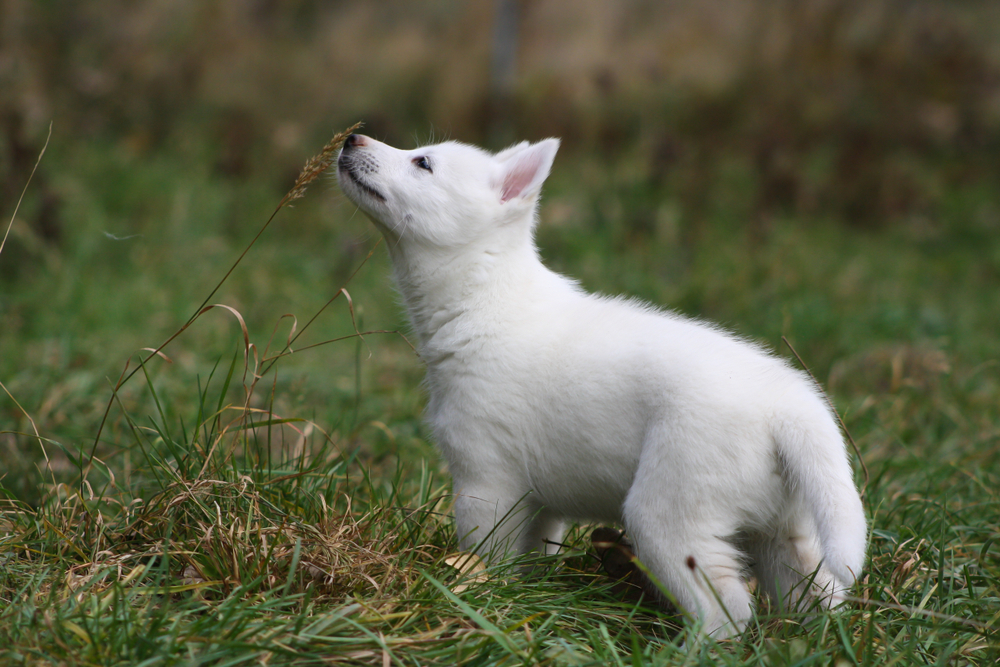
In just a few short months, Romulus, Remus, and Khaleesi have shown growth patterns that far exceed those of their grey wolf counterparts a biological signal that the inserted dire wolf genes are expressing themselves with striking clarity. At over six months old, Romulus and Remus each weigh more than 90 pounds, roughly 20–25% larger than standard grey wolves of the same age. Their sister Khaleesi, at just three months, already tips the scales at around 35 pounds tracking 15–20% larger than a typical female wolf pup at that stage.
This rapid growth is not just impressive it’s foundational to validating the genetic engineering behind these animals. “We can really tell that the dire wolf genes are kicking in,” said Matt James, Colossal’s Chief Animal Officer, in a recent project update. “We’re getting these nice large wolves that are much more representative of what we see in the ancient specimens.”
The significance goes beyond appearance. According to fossil records, dire wolves (Aenocyon dirus) were robust, muscular predators adapted for power over speed. They thrived in Ice Age environments, preying on megafauna such as bison and ancient horses. Their size wasn’t cosmetic it was an evolutionary strategy.
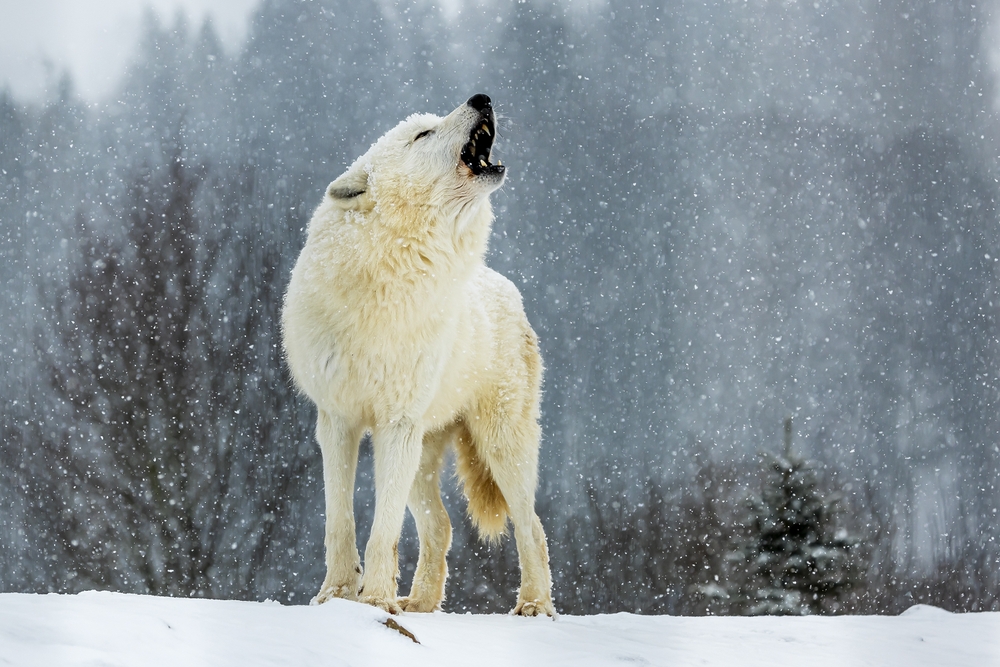
The fact that Colossal’s engineered pups are exhibiting that same dimensionality suggests that the specific genetic edits targeting 20 key genes linked to bone density, muscle mass, and growth hormones are functioning as intended. If these traits continue through to adulthood, the wolves could reach projected sizes of up to 150 pounds and six feet in length, making them among the largest canids on the planet.
Behind the scenes, Colossal’s team is closely monitoring this physical transformation. Routine medical checks, including bloodwork and CT scans, are scheduled to map how the pups’ skeletal and muscular systems are forming. These early diagnostics will offer critical insight into how these animals are developing in comparison to both their ancient ancestors and modern relatives.
Nutrition is another factor contributing to their exceptional growth. The pups are being fed a carefully controlled diet of high-quality dog kibble, raw meats, and organ cuts, designed to support rapid but healthy development. As they mature, they’ll be gradually transitioned to whole-prey feeding, encouraging not just physical growth but instinctual behaviors such as tearing and bone crunching hallmarks of large carnivores in the wild.
Should We Be Doing This?
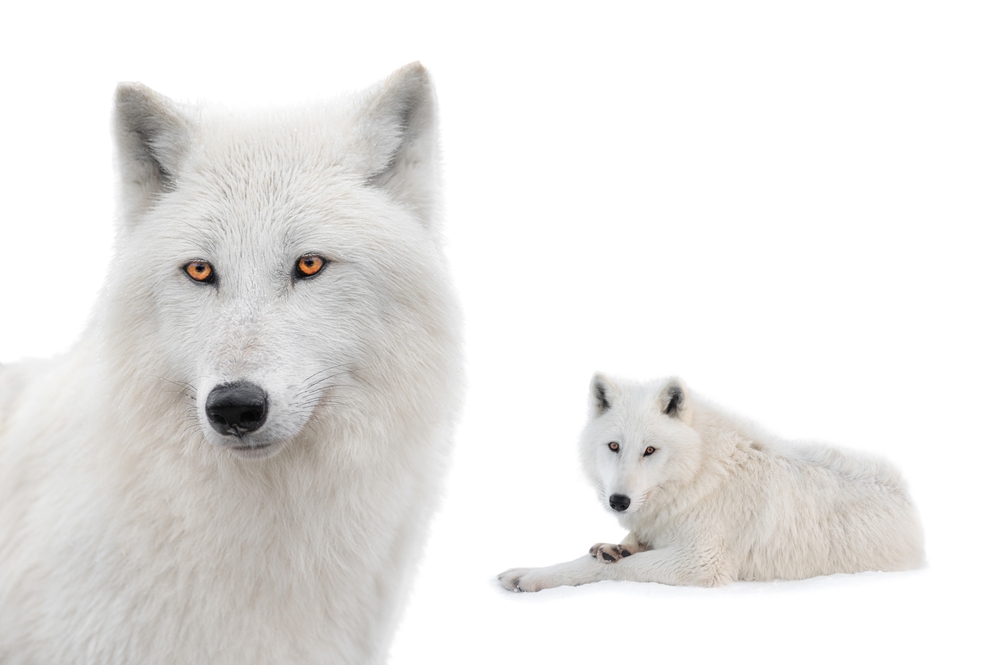
As awe-inspiring as the revival of the dire wolf appears, it prompts a deeper and more urgent question: just because we can bring extinct species back should we?
Colossal Biosciences’ breakthrough has sparked both wonder and unease in the scientific and conservation communities. While the company celebrates its engineered pups as the world’s first successfully “de-extincted” animals, many experts caution that the ethical and ecological stakes are far more complex.
One of the foremost critiques is the philosophical question of identity. The genetically modified wolves may carry traits from dire wolves, but they remain 99.9% grey wolf at the genomic level. “There’s going to be an argument in the scientific community regarding how many genes need to be changed to make a dire wolf,” said evolutionary geneticist Love Dalén of Stockholm University, who advises Colossal. “But it carries dire wolf genes, and these genes make it look more like a dire wolf than anything we’ve seen in the last 13,000 years.”
Others, like Dr. Nic Rawlence, director of the Otago Paleogenetics Laboratory, argue that true de-extinction remains technically out of reach without viable cloning—a method currently impossible for most extinct species due to degraded DNA. By this measure, Colossal’s wolves are not resurrected animals, but living prototypes—part experiment, part engineered homage.
Then there’s the broader conservation dilemma. Critics warn that the excitement and funding surrounding de-extinction projects could divert attention and resources away from urgent efforts to protect endangered species that are still alive but on the brink. Dan Ashe, CEO of the Association of Zoos and Aquariums, voiced this concern candidly: “We can’t protect what we already have,” he told The Toronto Star, highlighting a critical gap between technological ambition and ecological responsibility.
Still, others see potential. Supporters argue that the same techniques used in these high-profile projects could be adapted to help conserve critically endangered species with shrinking gene pools. Colossal, for example, has also bred red wolves—the most endangered wolf species in the world—using non-invasive reproductive techniques. Andrew Pask, a researcher on Colossal’s advisory board, sees this as foundational work. “This project demonstrates the awesome potential for advances in genetic engineering and reproductive technologies to recreate lost diversity,” he said.
Colossal’s CEO Ben Lamm believes in the moral imperative to act. “We have a moral and ethical obligation to pursue technologies that undo some of the things that we, as a species, have done,” he said. But for many, the question isn’t whether we have the tools but whether we yet understand the full consequences of using them.
A New Era or a Cautionary Tale?
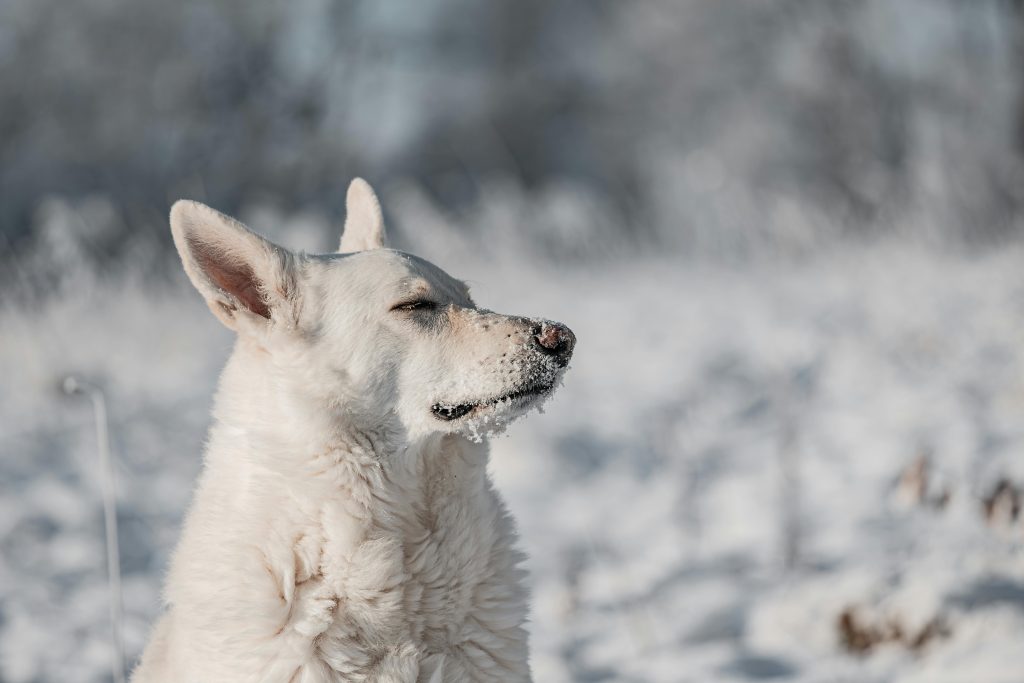
As Romulus, Remus, and Khaleesi grow under the careful watch of scientists and caretakers, they are doing more than just maturing into massive, genetically unique canines they are challenging the very boundaries of what it means for a species to be extinct.
Whether these wolves represent a scientific triumph or a philosophical conundrum depends largely on perspective. For some, they’re proof of humankind’s extraordinary ability to reverse biological time. For others, they serve as a reminder that technological progress without ecological responsibility can lead us into ethically grey terrain.
But perhaps the most important takeaway is not whether these animals are “real” dire wolves, but what they represent: a turning point. Colossal’s work opens doors to new possibilities in conservation science, especially for species on the brink. If the same technology that brought ancient wolves to life can one day rescue endangered species from genetic collapse, it could reshape how we fight biodiversity loss.
Still, the road ahead is as wild as the wolves themselves. As we experiment with the fabric of life, one thing remains clear: de-extinction may not be about recreating the past it may be about redefining our future.
The challenge now is not just scientific, but ethical and environmental. Can we move forward in a way that honors both our power and our responsibility? Or will fascination with what we can do distract from what we must do protect and preserve what we already have?
The answer may not come from a lab, but from how we choose to balance innovation with humility. The story of Romulus, Remus, and Khaleesi has only just begun and so has the conversation their existence demands.