
Your cart is currently empty!
Doctor Warns Nighttime Fan Use Could Be Causing Hidden Health Problems
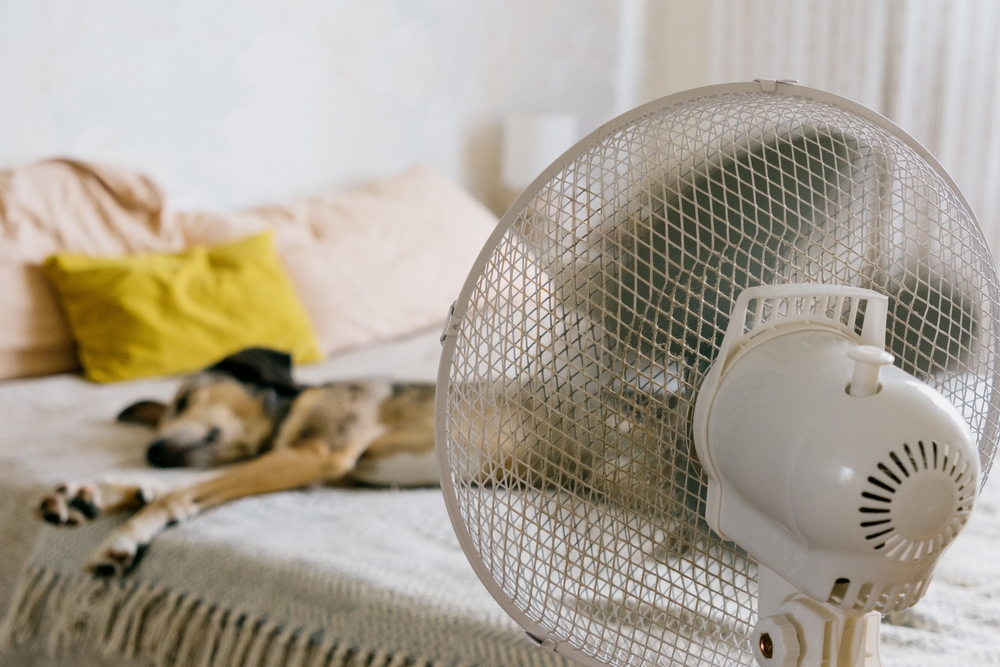
For millions of people, sleeping with a fan running through the night feels like second nature, something so routine it barely gets a second thought. The steady hum fills the room, masking outside noise, while the moving air creates just enough comfort to drift off. In hotter climates or crowded neighborhoods, it can feel like the only way to get proper rest, especially when silence or still air makes sleep harder to reach.
Contents
show
But doctors are now urging people to take a closer look at that habit, warning that the same device helping you fall asleep could also be quietly affecting your body in ways you might not expect. What seems harmless on the surface can lead to irritation, discomfort, and even disrupted sleep quality over time, and many people never connect those morning symptoms back to the fan that was running all night.
Why So Many People Depend On Fans At Night
fansFor many households, fans are not just optional, they are essential. In rooms that trap heat or lack proper airflow, even a small fan can make the difference between a restless night and a manageable one. While it does not lower the temperature the way air conditioning does, the constant circulation of air creates a cooling sensation that helps the body relax enough to fall asleep.
Dr. Kiran Dintyala explained how deeply this habit can shape sleep patterns over time, saying, “I had the soundest sleep of my life during those 25 years in India.” His experience reflects how something as simple as a fan can become tied to comfort, familiarity, and the ability to rest properly, especially when used consistently from a young age.
He also described how the sound itself plays a major role in sleep quality, adding, “Rumbling trucks and honking taxis created an auditory nightmare, but the white noise from the fan masked those extraneous sounds and created a soothing, peaceful feeling. Now, it’s scientifically proven that white noise helps people sleep better at night.” That constant hum becomes more than background noise, it becomes part of the sleep environment itself.
The Appeal Of White Noise
The sound produced by a fan closely mimics white noise, which helps reduce the impact of sudden environmental sounds that might otherwise wake you up. Instead of complete silence being interrupted by random noise, the steady hum creates a consistent audio layer that softens disruptions and makes them less noticeable during sleep.
This effect is especially helpful for light sleepers who are sensitive to changes in their environment. Sounds like passing traffic, loud neighbors, slamming doors, or even a partner’s snoring can become less disruptive when blended into a continuous background sound. Over time, the brain begins to associate that steady noise with rest, making it easier to fall asleep faster.
The Overlooked Side Effects Doctors Are Highlighting
While fans can improve comfort and help people fall asleep more easily, doctors warn that they can also introduce subtle health issues that build gradually over time. These effects are often ignored because they do not appear immediately, and when symptoms do show up, they are usually blamed on something else like poor sleep posture or seasonal allergies.
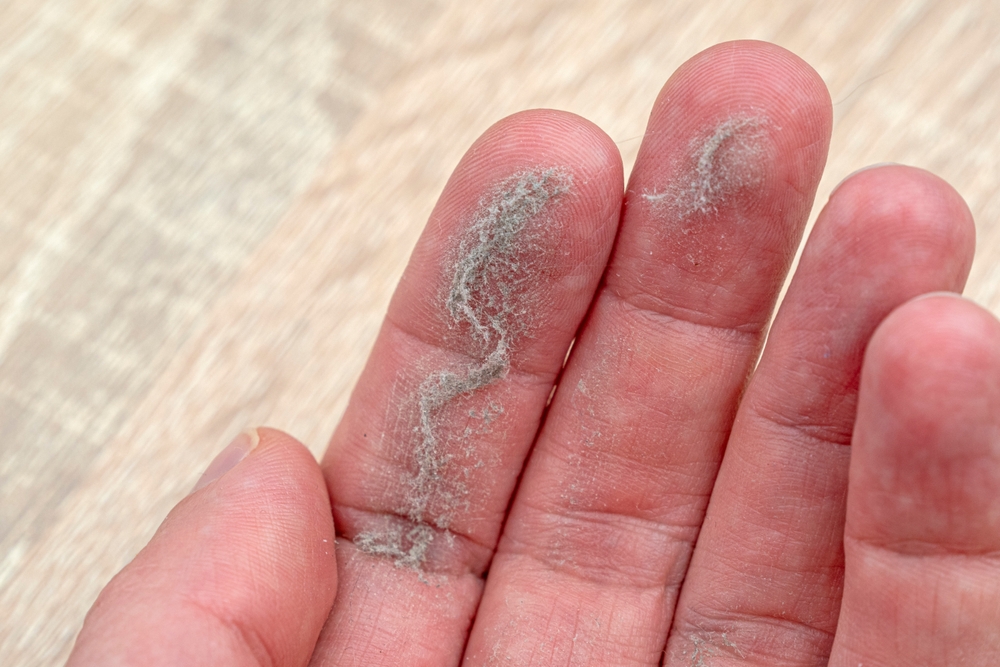
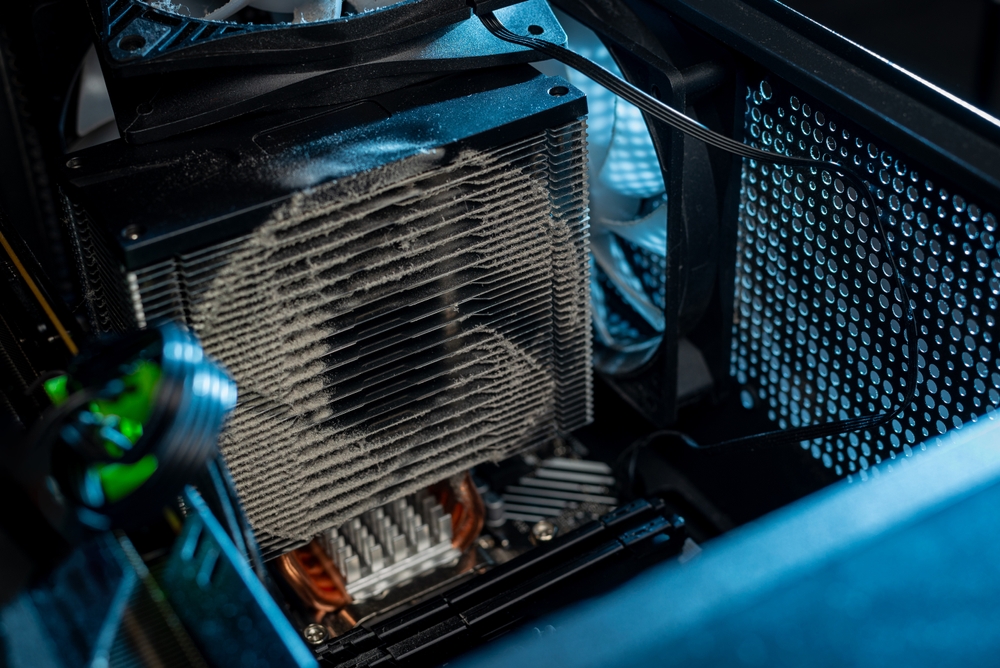
One of the biggest concerns is how fans interact with the air in your room. They do not just circulate cool air, they also move everything else that is present, including dust, pollen, and other airborne particles. If the fan blades have collected dust, which is very common, those particles are continuously pushed into the air and inhaled throughout the night.
This constant exposure can become a problem for people with allergies or respiratory sensitivities, leading to symptoms such as congestion, sneezing, or irritation that becomes more noticeable over time. Because the fan is often seen as helpful, many people do not consider it as a possible cause of these issues.

Dry Air And Breathing Issues
Another major concern doctors point out is how fans affect the moisture levels in your sleeping environment. Continuous airflow can gradually dry out the air around you, which may not feel obvious at first but can lead to noticeable physical effects after several hours of exposure.
People often wake up with a dry throat, irritated sinuses, or even mild nosebleeds without realizing that airflow may be a contributing factor. In some cases, dry air can also lead to dehydration, especially if the body is exposed to it night after night. Dry or itchy eyes are another common complaint, particularly for those who sleep facing the direction of the fan.
These effects tend to be stronger in people who sleep with their mouths open, as the constant stream of air directly affects the throat and nasal passages. Adjusting the direction of the fan or using an oscillating setting can help reduce the intensity of these symptoms by avoiding prolonged exposure to direct airflow.
Muscle Stiffness And Morning Discomfort
Another issue that catches people off guard is waking up with stiffness or soreness, particularly in the neck, shoulders, or back. Many assume this discomfort is caused by their mattress or pillow, but airflow can also play a role in how muscles behave during sleep.
Cool air blowing on the body for extended periods can cause muscles to tighten slightly, especially when the body remains in the same position for hours. This tension can build overnight, leading to stiffness that becomes noticeable when you wake up and start moving.
Dr. Dintyala addressed this concern directly, stating, “You may experience some muscle aches if you’re exposed to cold air all night.” For people who are already prone to joint discomfort or muscle sensitivity, this effect can become more consistent and harder to ignore.
Simple Changes That Can Reduce The Risks
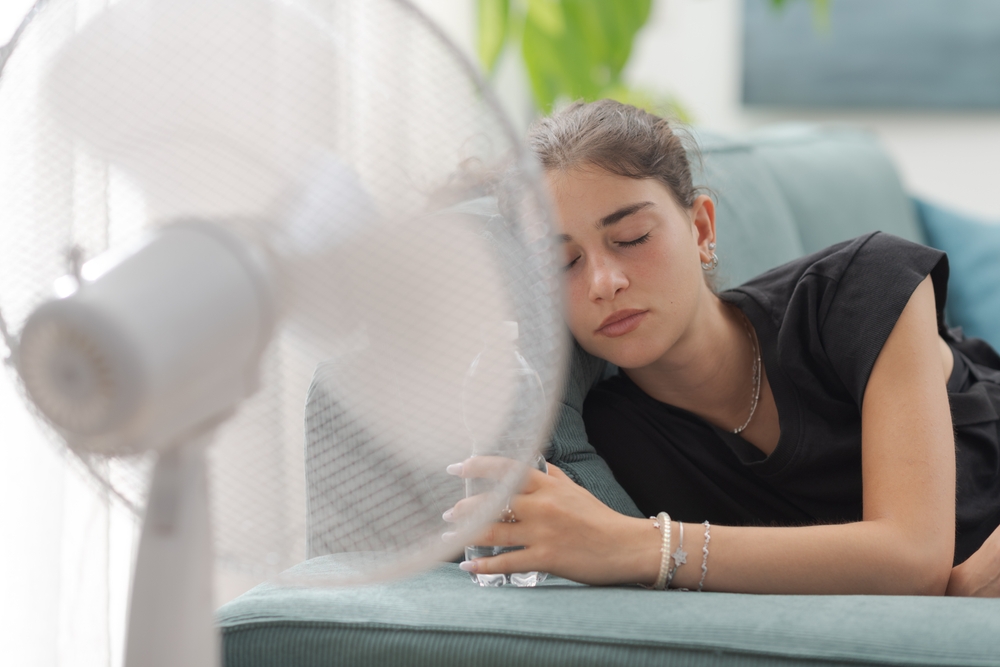
The good news is that you do not necessarily need to stop using a fan altogether if it helps you sleep. Instead, making a few small adjustments can significantly reduce the potential downsides while allowing you to keep the benefits that make it useful in the first place.
Keeping the fan clean is one of the most important steps, as it prevents dust and allergens from being circulated throughout the room. Changing the direction of airflow so it is not blowing directly onto your face or body can also make a noticeable difference in reducing dryness and irritation.
Using an oscillating fan allows the air to move around the room more evenly, which helps avoid constant exposure to a single stream of cool air. Adding a humidifier can restore moisture to the environment, making it more comfortable for your throat and sinuses. Staying hydrated before bed also helps counteract some of the drying effects that airflow can cause.
Signs Your Fan Might Be Affecting Your Health
Because the effects of sleeping with a fan can be subtle, many people do not immediately recognize the connection between their symptoms and their sleep environment. Paying attention to patterns can help reveal whether the fan is playing a role in how you feel each morning.
Common signs include waking up with a dry or scratchy throat, experiencing worsened allergy symptoms during the night, or dealing with ongoing nasal congestion that does not seem to have a clear cause. Some people also notice dry or irritated eyes upon waking, especially if the fan is positioned close to their face.
Recurring stiffness in the neck or shoulders is another signal that airflow may be affecting muscle tension during sleep. If these symptoms happen consistently, it may be worth adjusting how the fan is used or taking a short break from it to see whether your sleep improves.
Why This Everyday Habit Is Being Questioned
The idea that something as common as a bedroom fan could have downsides has surprised a lot of people, especially because it is widely seen as a simple and effective way to improve sleep. For many, it has been part of their nightly routine for years without any obvious issues.
However, as more people start to connect their symptoms to their environment, the conversation is beginning to shift. Small habits can have noticeable effects when repeated every night, particularly when they influence air quality, breathing, and muscle comfort over long periods.
This does not mean fans are harmful for everyone, but it does highlight the importance of understanding how they interact with your body. Awareness is leading more people to rethink how they use fans rather than relying on them without question.
What This Means For Your Sleep Routine
Fans can still play a useful role in creating a comfortable sleep environment when used thoughtfully. The key is paying attention to how your body responds and making small adjustments that reduce any negative effects while keeping the benefits intact.
If you rely on a fan every night, it may be worth noticing how you feel when you wake up, especially if you have been dealing with dryness, irritation, or stiffness without a clear explanation. Small changes in positioning, airflow, or maintenance can make a meaningful difference over time.
A habit that feels completely normal can still be worth adjusting, especially when a few simple changes can lead to more comfortable, uninterrupted sleep.