
Your cart is currently empty!
Photographer Mark Laita Confronts Death Hoax After Two Decades Documenting Isolated Family
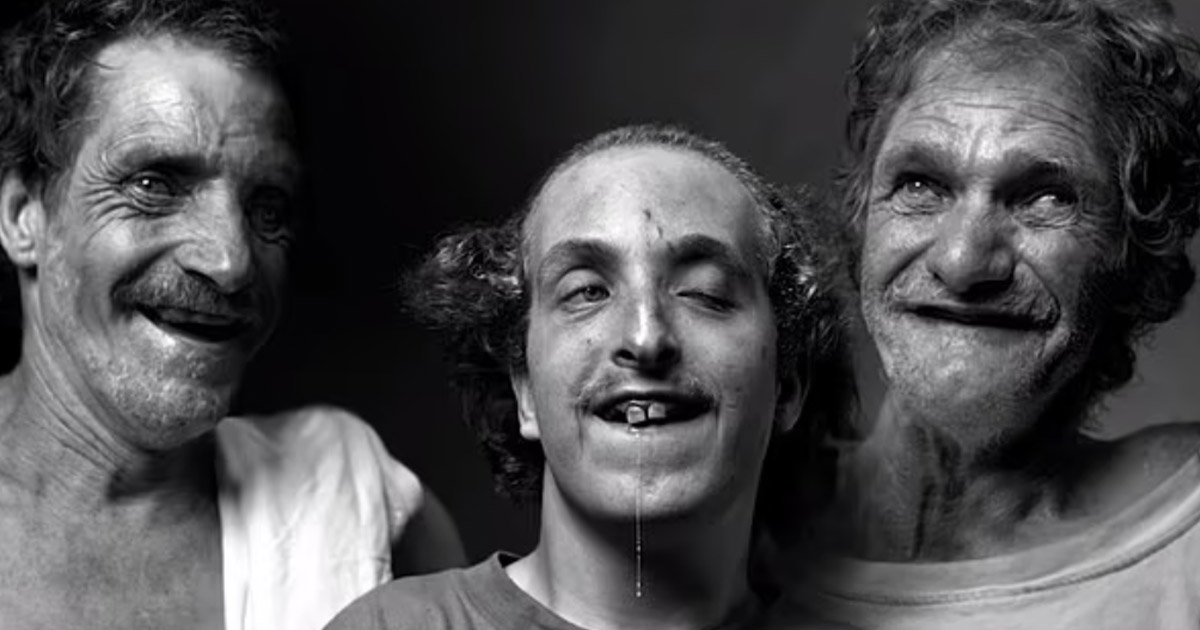
Mark Laita thought he understood the Whittakers after spending two decades documenting their lives. He’d earned their trust, survived their initial hostility, and become a familiar presence in their isolated West Virginia home. But in March 2024, the photographer learned a hard lesson about the complexity of relationships built on cameras and charity.
Contents
show
Someone in the family had died. Or so they said. Laita donated $1,000 to help with funeral costs, mourned the loss publicly on his YouTube channel, and prepared to support the grieving relatives. Four days later, the supposedly dead man appeared on camera, alive and confused about his own obituary.
Welcome to the strange, complicated world of documenting America’s most talked-about family.
A Dangerous First Meeting
Laita’s relationship with the Whittakers began in 2004 when he ventured to Odd, West Virginia, a hamlet 75 miles south of Charleston. Odd barely qualifies as a town, with just a post office and two churches serving the scattered residents who must travel miles for basic groceries. Somewhere in those isolated hollows lived a family whose story would captivate millions.
His first visit nearly ended before it started. One of the brothers pulled a gun on the photographer, suspicious of yet another stranger approaching their property. Years of harassment had taught the Whittakers to distrust outsiders. Locals threw eggs at their house, screamed obscenities through the night, and treated them as objects of ridicule rather than human beings deserving dignity.
John, a cousin of the family, later explained the hostility they’d endured. “When I was growing up, people would come here and they would throw eggs at the house. They would throw stuff at the house and scream all hours of the night. I mean, people [were] just rude.”
Eventually, the family realized Laita posed no threat. He returned repeatedly, camera in hand, building trust slowly. By 2020, he began uploading videos to his YouTube channel Soft White Underbelly, offering viewers an unfiltered look at the Whittakers’ daily existence. Ray communicated through grunts and barks. Betty managed the household, shopping, and medical appointments. Lorene and her son Timmy attended church services at Good Hope, where Lorene would testify with surprising passion despite her quiet demeanor elsewhere.
Millions watched. Comments poured in. Donations arrived. Laita positioned himself as both documentarian and benefactor, helping the family with various needs as their internet fame grew.
A Death Announcement Shakes Viewers
On March 21, 2024, Laita uploaded a somber video to his channel. Larry Whittaker, one of the family’s most recognizable members, had died at age 67. Laita suspected a heart attack had taken Larry’s life, though details remained scarce. He spoke warmly of the deceased man, praising Larry’s kindness and dependability.
“Larry was always a great dude to me. He was always really nice. Larry was always a stand-up guy and he and Betty really ran the show very well. Larry will be greatly missed. It’s going to be hard on Betty now,” Laita told his audience.
YouTube commenters flooded the video with condolences. Viewers who had followed the family’s story for years expressed genuine grief. Many thanked Laita for his care and attention to the Whittakers, acknowledging the dignity he’d brought to their portrayal.
Behind the scenes, Larry’s daughter BJ had contacted Laita with the devastating news. She wept over the phone, explaining through sobs that she needed help with funeral expenses. Laita sent $1,000 without hesitation.
Four days passed. Then came the video that changed everything.
Dead Man Spotted Alive
On March 25, Laita posted a new video with a sardonic title that hinted at trouble ahead. “The Death of Larry Whittaker” ran nearly an hour long, and viewers who stuck with it discovered something extraordinary about 15 minutes in.
Larry Whittaker sat on his family’s front porch, very much alive.
Laita had arrived at the property with questions already forming. Something felt off about the death report. When Larry pulled up in a pickup truck, dressed in casual clothes, the photographer couldn’t resist a joke. “Is that how you dress for your funeral?”
Larry looked genuinely baffled. “Huh?” he responded, confusion written across his face.
Before Larry’s arrival, Laita had already confronted other family members. He’d spoken with Betty, the family matriarch, asking her directly about Larry’s supposed death. Her response proved illuminating. “BJ told me to tell you that – I didn’t know you were gonna give her no money.”
Other siblings gathered around, listening as Laita pieced together what had happened. When Larry finally sat down to discuss the matter, the photographer asked if he knew about the reports circulating online about his death.
“No, I just heard of it last night on a video,” Larry said, shaking his head in disbelief.
Daughter Confronted About the Scheme
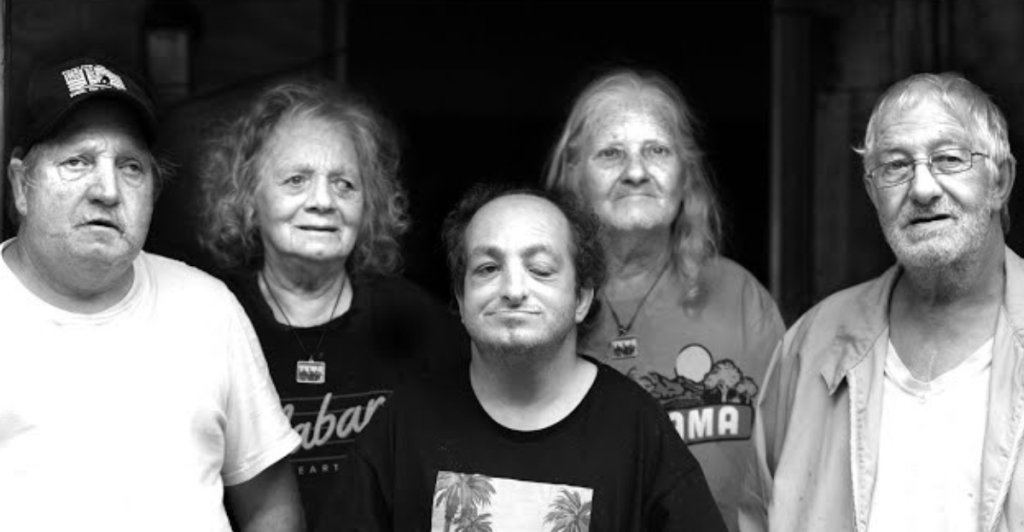
BJ had fled into a trailer when Larry arrived, avoiding the inevitable confrontation. Laita called after her, but she refused to emerge. Twenty minutes later, she finally agreed to sit on the porch with her father and the photographer who’d just discovered her deception.
Laita played a recording of BJ’s original phone call, the one where she’d sobbed about losing her father. “Mark, I’m sorry. I needed to tell you… I never thought today would be the day that I buried my dad,” the recording revealed. Through what now sounded like manufactured tears, BJ had asked for $150, though Laita ultimately sent much more.
Confronted with her own voice, BJ admitted to the fraud. “I’m not proud of what I’ve done, I’m not. I shouldn’t have done it. I’m trying to get help for my drug addiction.”
Laita handled the situation with remarkable restraint. He acknowledged her struggles with substance abuse, something he’d known about before the incident. He told her he forgave her. But the damage extended beyond the $1,000 he’d lost.
Generations of Inbreeding Created the Family
Understanding the Whittakers requires going back to 1897, when identical twin brothers Henry and John were born. Both men had children, and those children married each other, beginning a pattern of intermarriage that would span generations.
John married his first cousin, Ada Rigg. They had nine children together, including Gracie Irene Whittaker, born in 1920. Gracie grew up and married John Emory Whittaker in 1935. He was her double cousin, meaning they shared both sets of grandparents.
Gracie and John Emory had 15 children. Many suffered from severe physical and mental disabilities, conditions experts attribute to the concentrated genetic inheritance from repeated inbreeding. Some siblings can only communicate through sounds rather than words. Others display developmental delays that keep them from finishing school or living independently.
Larry was one of those 15 children. So were Betty, who became the family’s caretaker and matriarch, and Ray, whose only form of communication involves grunts and gestures. Lorene had a son, Timmy, in 1979. Timmy became the sole family member to graduate high school, completing a special education program at Woodrow Wilson High School in the 1990s.
Community Offers Protection and Support

Despite their unusual family history, the Whittakers found acceptance in certain corners of their community. Pastor William Plumley of Good Hope church spoke warmly of Timmy and Lorene’s participation in services. “They come to the church regularly, and they do real good. Lorene and Timmy come and they try their best to help and they sing and stuff.”
Other congregation members described Lorene’s passionate involvement during worship. “While Lorene seems quiet and not much of a talker, you should see her in church. She always testifies and shouts and cries out to god in prayer,” one member explained.
Timmy attended Woodrow Wilson High School in a special education wing separate from the general population of students. Former classmates remembered him as high-energy and happy, someone who communicated in his own way despite his limitations. “We just knew of him, and they always had their teachers with them and they were protective of them,” a school friend recalled.
Residents and police actively protect the family from troublemakers. High school students who once harassed the Whittakers with eggs and toilet paper found themselves quickly shut down by neighbors. Anyone attempting to cause problems near the family’s property can expect visits from Raleigh County Sheriff’s deputies.
Filmmaker Chooses Complicated Forgiveness
Despite the betrayal, Laita continued working with the Whittakers after the death hoax incident. New videos appeared on his channel showing return visits to their property. He maintained his role as both observer and helper, a position made more complex by the revelation that at least some family members would lie to him for money.
When their mobile home caught fire and burned down later in 2024, Laita created a GoFundMe campaign to help them rebuild. At the time of reporting, donors had contributed $8,670 to the cause. Commenters on those fundraising posts expressed mixed feelings. Some praised Laita’s continued generosity. Others wondered if he was enabling manipulation.
Laita never publicly explained his decision to maintain the relationship. Perhaps he recognized that BJ’s drug addiction drove her to a desperate act. Perhaps he understood that walking away would punish the entire family for one member’s deception. Or perhaps, after 20 years of involvement with the Whittakers, he’d become too entangled in their lives to simply disappear.
Years of donations had already transformed the property. Betty proudly showed visitors the new roof and kitchen cabinets purchased with $40,000 raised through earlier GoFundMe campaigns. Satellite TV now worked in the small four-room home. Small improvements brought comfort to people who’d spent decades in poverty and isolation.
Questions about exploitation and authenticity hang over the entire enterprise. Millions watch videos of people with severe disabilities, generating revenue through views and engagement. Those same people receive the financial help they desperately need. Where does documentation end and exploitation begin? Can you truly help someone while simultaneously profiting from their suffering?