
Your cart is currently empty!
Donald Trump’s Visible Neck Rash Prompts Renewed Health Scrutiny
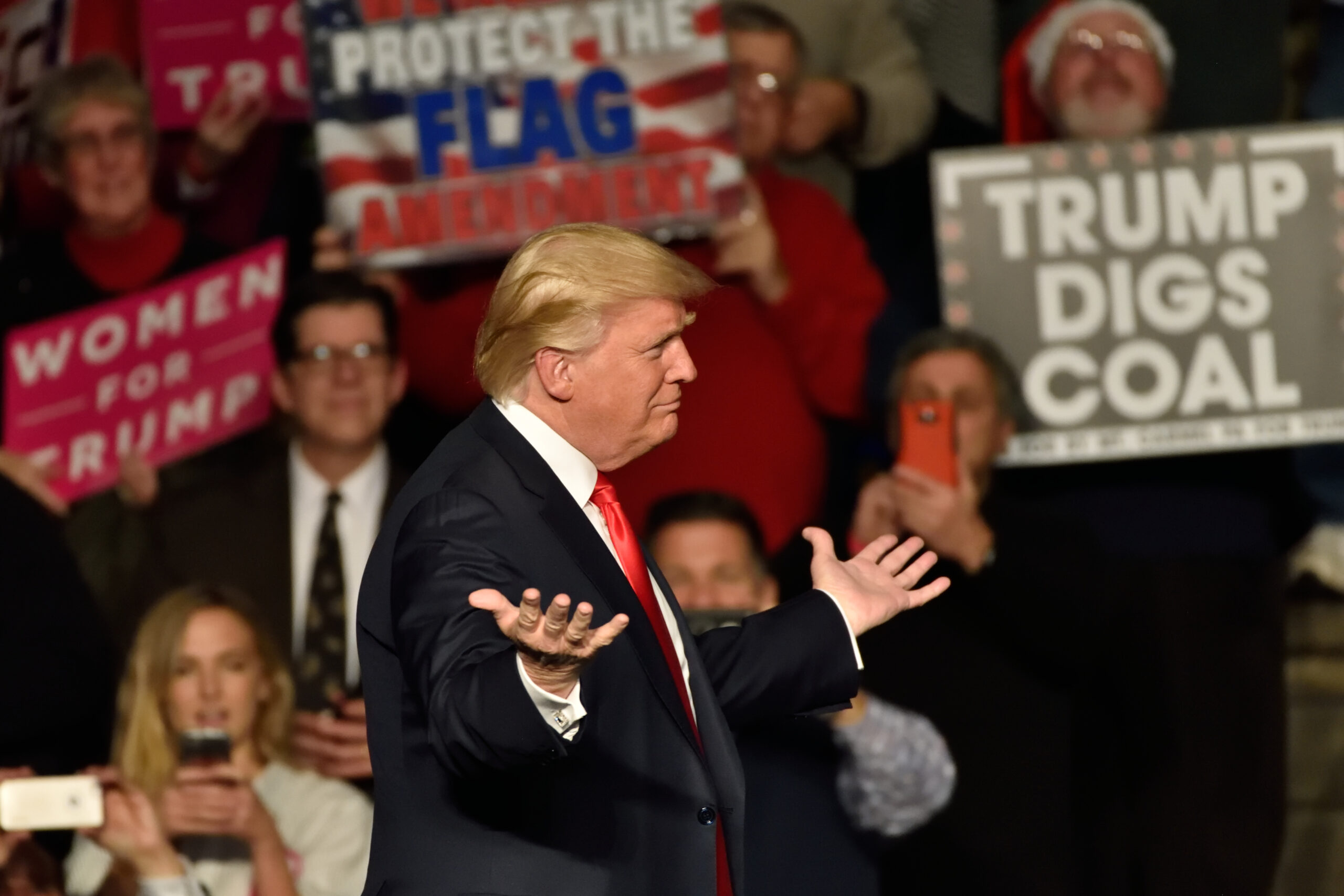
When President Donald Trump stepped before the cameras at a recent White House Medal of Honor ceremony, it was not his remarks that dominated the ensuing conversation, but a distinct red mark visible just above his collar. For the oldest president ever sworn into office, every physical detail, whether a sudden rash or a bruised hand, is magnified under an unrelenting global spotlight.
Contents
show
The Neck Rash
President Trump has a significant visible red rash-like mark on his neck during today’s appearance. pic.twitter.com/8Dy88ZfgAB
— Globe Eye News (@GlobeEyeNews) March 2, 2026
A recent public appearance by President Donald Trump at a White House Medal of Honor ceremony briefly shifted the national conversation from policy to his physical well-being. Observers quickly noted a distinct, reddish rash on the right side of the 79-year-old president’s neck, extending just above his shirt collar and stopping beneath his ear. In an era where a leader’s vitality is continuously analyzed, such visible changes naturally prompt public curiosity and underscore the intense scrutiny placed upon the highest office.
Addressing the growing inquiries, the White House promptly released a clarifying statement from the president’s personal physician, Dr. Sean Barbabella. To contextualize the visible irritation, Dr. Barbabella explained that the redness is the anticipated result of a topical medication rather than a sudden ailment.
“President Trump is using a very common cream on the right side of his neck, which is a preventative skin treatment,” Dr. Barbabella stated. He further detailed the timeline of this dermatological regimen, noting, “The President is using the treatment for one week, and the redness is expected to last for a few weeks.”
While the official statement provided immediate reassurance, it respectfully refrained from specifying the exact dermatological condition prompting the preventative care. Acknowledging minor medical treatments with timely updates helps maintain public trust, even when specific diagnoses remain private in accordance with standard patient confidentiality.
Inside the President’s Physical Regimen
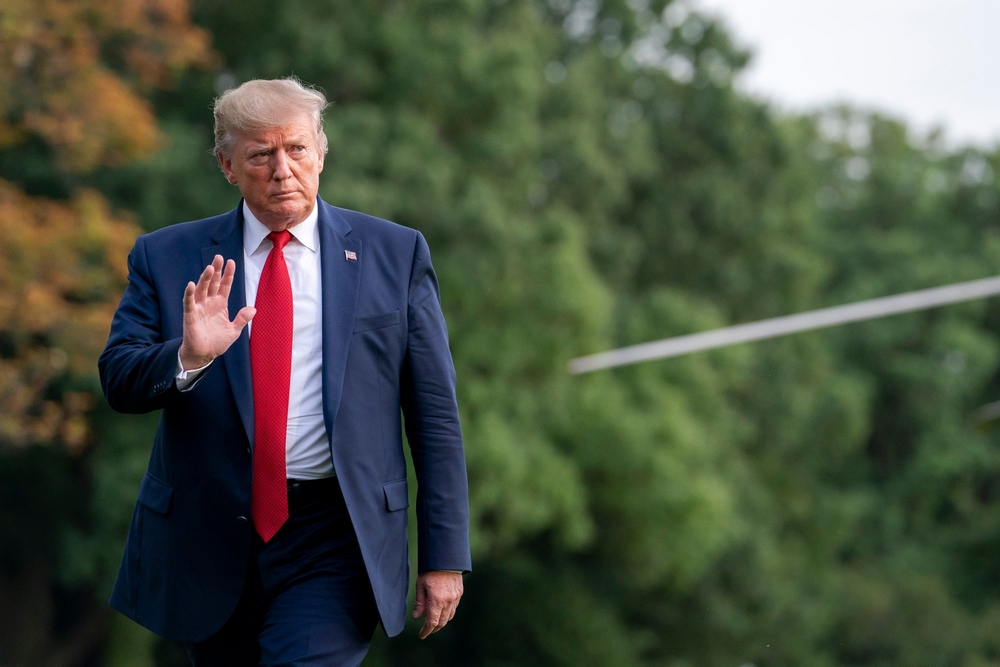
The recent topical treatment is not the first time the president’s physical condition has drawn public notice. Over the past year, observers have frequently pointed out periodic bruising on the back of his hands. Rather than a cause for alarm, the administration has framed these occurrences as a byproduct of both an intensive schedule and proactive medical management.
The White House has attributed much of the bruising to the sheer physical demands of the presidency. Addressing the issue, White House press secretary Karoline Leavitt previously noted that the president is “constantly working and shaking hands all day every day.” To mitigate the visibility of these marks during public appearances, reports indicated he began utilizing makeup on his right hand.
Beyond the wear and tear of daily engagements, the president’s own cardiovascular health strategy plays a significant role. He has candidly shared that he takes a higher daily dose of aspirin than is typically advised. In a recent interview, he explained his rationale for this regimen, emphasizing a desire for cardiovascular longevity by keeping his blood “nice” and “thin.” Leavitt has also described this aspirin use as part of a “standard cardiovascular prevention regiment.”
While a higher aspirin intake naturally increases susceptibility to bruising, it reflects a conscious effort to prioritize long-term heart health. Managing the physical realities of aging while maintaining an exceptionally demanding, high-pressure lifestyle requires strategic health choices.
Managing Routine Health at the Highest Level
Beyond preventative skin care and cardiovascular routines, the president has openly navigated other natural realities of aging. Last year, following instances of leg swelling, the White House disclosed a diagnosis of chronic venous insufficiency. Medical professionals frequently characterize this as a benign and exceptionally common vascular condition, particularly for individuals in their seventies. It simply indicates that the veins are working harder to circulate blood back to the heart.
While such conditions are routine for millions of citizens, managing them under an unrelenting global spotlight presents unique complexities. The demands of executive leadership require extraordinary stamina. Occasional moments where the president has appeared fatigued during lengthy meetings are a natural consequence of a demanding schedule intersecting with advancing age. These visible moments of tiredness offer a relatable glimpse into the human side of governance, reminding observers that leaders are bound by the same physiological realities as anyone else.
The intense public focus on these normal physical fluctuations has understandably elicited frustration from the president. He recently noted his regret over undergoing routine advanced cardiovascular imaging, observing that standard medical diligence is frequently misinterpreted by critics as evidence of a hidden ailment.
A History of Rosy Medical Reports
The current questions about the president’s health tie back to how his medical team has shared information in the past. Over the years, his doctors have usually offered very positive summaries instead of detailed health facts.
In 2015, his personal doctor, Harold Bornstein, famously claimed he would be the healthiest person ever elected. A few years later, White House physician Ronny L. Jackson said that with a better diet, the president could live to be 200 years old. While these statements showed confidence, they were very different from the usual, fact-based medical reports given by past presidents.
This pattern carried into recent campaigns. The health updates provided ahead of the 2024 election were brief and left out basic numbers like weight, blood pressure, and medications. The contrast between public statements and reality was most obvious when he caught Covid-19 in October 2020. At the time, official updates painted a bright picture, but later reports revealed his condition was actually serious enough that officials worried he might need a ventilator.
The Ongoing Health Narrative
The recent appearance of the neck rash and the subsequent explanation from the White House follow a familiar pattern in the coverage of the president’s health. Each visible physical change, from hand bruises to signs of fatigue, prompts immediate public questioning and media scrutiny.
In response, the administration consistently provides explanations that point to preventative care, routine treatments, or the rigorous schedule of the presidency. However, as with the recent topical cream, the specific medical diagnoses often remain undisclosed.
This cycle highlights the persistent tension surrounding presidential health. As the 79-year-old president continues his term, the balance between maintaining standard medical privacy and answering the public’s expectations for complete transparency remains a defining feature of his administration’s medical communications.