
Your cart is currently empty!
Experts Warn Every Household Should Have This One Essential Item Ready in Case of War
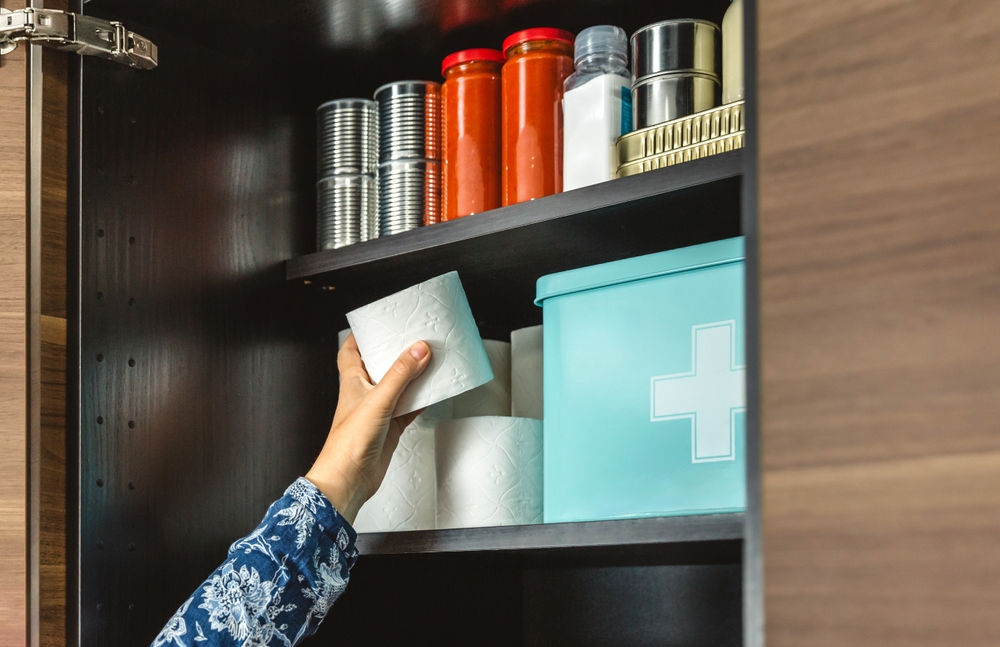
In a world that feels increasingly uncertain, conversations about emergency preparedness are no longer limited to survivalists or extreme scenarios. From natural disasters to geopolitical tensions, experts are now encouraging everyday households to take simple but potentially life saving steps to prepare for the unexpected.
Contents
show
Recent reports have highlighted one particularly important recommendation. Families are being urged to keep a crucial item ready at home at all times in case of war or major disruptions. While the idea may sound alarming at first, the intention behind it is rooted in practicality rather than fear.
Recent reports indicate that emergency agencies and preparedness experts are emphasizing readiness not as a reaction to panic, but as a form of responsibility. The goal is simple. Stay safe, stay informed, and stay prepared.
The Growing Reason Families Are Being Told to Prepare Now

Across different parts of the world, governments and safety organizations have been quietly updating their recommendations for civilian preparedness. These updates are not necessarily tied to a single event. Instead, they reflect a broader recognition that modern risks are more complex than ever before.
From cyber disruptions to supply chain issues and extreme weather events, households may find themselves temporarily cut off from essential services. In more severe cases such as armed conflict, access to food, water, and communication can become limited.
According to The Express, US emergency guidance encourages families to be ready for at least several days without outside assistance. This includes having access to basic necessities and reliable information.
The key takeaway is not to expect the worst, but to reduce vulnerability. Preparedness is about buying time and maintaining stability during uncertain moments.
The One Thing Experts Say Could Make All the Difference
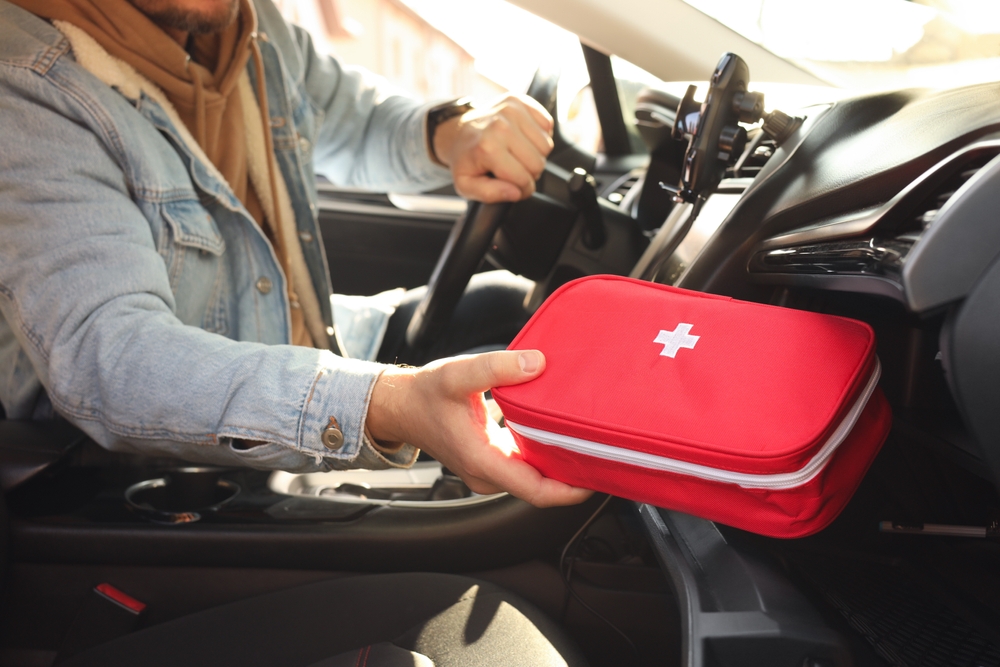
Among the various recommendations, one item stands out for its importance. A well stocked emergency kit.
Rather than focusing on a single object, experts stress that this kit should function as a comprehensive safety resource. It acts as a central point for essential supplies that can sustain a household during disruptions.
According to AOL, emergency kits are being promoted as a foundational step in preparedness planning. They are not only useful in wartime scenarios but also in everyday emergencies such as power outages or evacuations.
What Should Be Inside an Emergency Kit
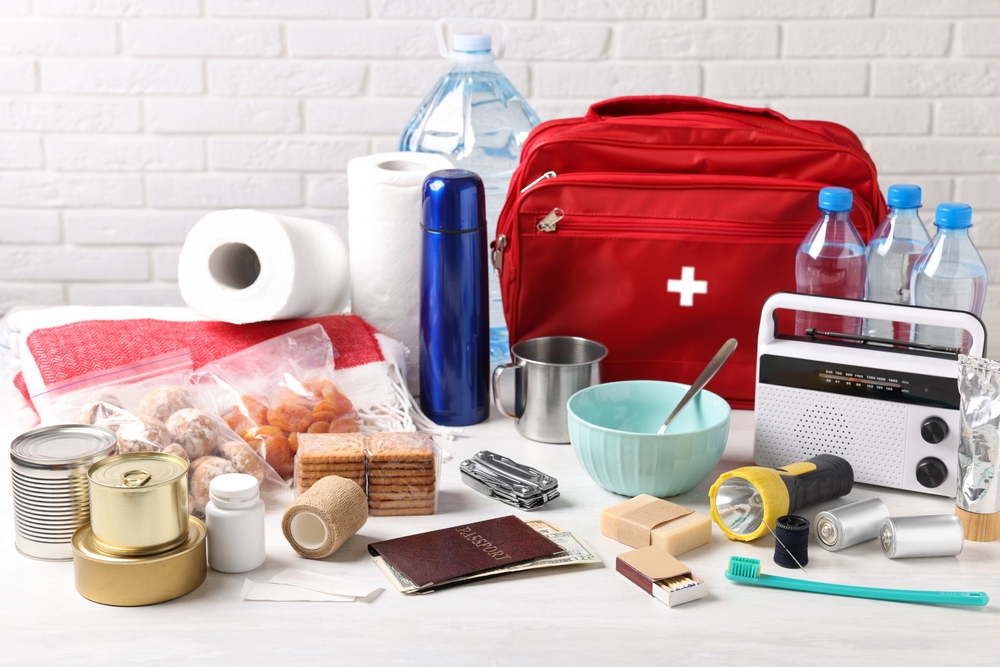
While the exact contents may vary depending on location and household size, most guidelines include the following essentials:
- Water supply: At least one gallon per person per day for several days
- Non perishable food: Items that do not require cooking or refrigeration
- Flashlight and batteries: For visibility during power outages
- First aid kit: Basic medical supplies for injuries and health needs
- Battery powered radio: To receive updates when internet or mobile services are unavailable
- Personal documents: Copies of identification, insurance, and important records
- Medications: Necessary prescriptions and health related items
- Basic tools: Such as a multi tool or manual can opener
Each of these items serves a specific purpose, contributing to safety, communication, and survival.
The Biggest Mistakes People Make When Trying to Prepare
While awareness around emergency readiness is growing, many households still fall into common traps that weaken their ability to respond effectively. Preparation is not just about having supplies, but about making sure those supplies are usable, accessible, and relevant when needed most.
Experts often emphasize that preparation should be practical, not performative. It is easy to feel reassured by simply buying items, but without a clear plan, those items may not serve their intended purpose during a real emergency.
Despite good intentions, many households overlook key aspects of emergency readiness. Experts point out several common mistakes that can reduce the effectiveness of preparation efforts.
1. Waiting too long
One of the biggest mistakes is delaying preparation until a crisis is already unfolding. At that point, supplies may become scarce and panic buying can limit access to essentials.
2. Overcomplicating the process
Some people assume that emergency preparedness requires expensive gear or specialized knowledge. In reality, starting with basic supplies is often enough.
3. Ignoring maintenance
Emergency kits are not a one time task. Food can expire, batteries can lose charge, and personal needs can change over time. Regular checks are essential.
4. Forgetting communication plans
Having supplies is important, but knowing how to stay informed and contact loved ones is equally critical.
By addressing these gaps, households can make their preparedness efforts more effective and reliable.
How to Start Preparing Without Feeling Overwhelmed
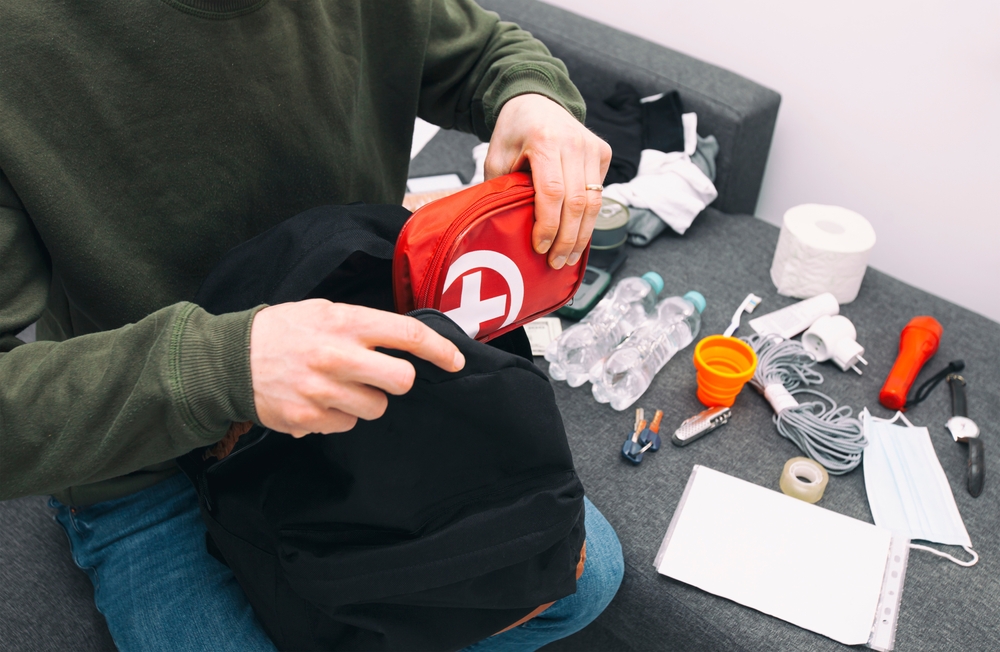
For many people, the idea of preparing for emergencies can feel intimidating. The key is to approach it gradually and realistically. You do not need to build a perfect system overnight. Instead, focus on steady progress.
Preparedness experts often suggest thinking in terms of layers. Start with the essentials, then build on them over time. This approach reduces stress and makes the process more sustainable.
Another helpful mindset shift is to treat preparedness as part of everyday life rather than a reaction to fear. Just as people insure their homes or save money for unexpected expenses, keeping an emergency kit is another form of protection.
For those who feel overwhelmed, experts recommend breaking the process into manageable steps. Preparedness does not have to happen overnight.
Here is a simple approach:
- Start small: Begin with water and food supplies for a few days
- Build gradually: Add items like a flashlight, radio, and first aid kit over time
- Customize your kit: Consider the needs of children, elderly family members, or pets
- Store items properly: Keep everything in an accessible and organized location
- Stay informed: Follow updates from local authorities and emergency services
These steps can help turn a daunting task into a practical routine.
What Being Prepared Really Says About How We Live Today
The renewed focus on emergency preparedness reflects deeper changes in how people view security and stability. In the past, many households relied heavily on systems and institutions to provide support during crises. While those systems still play a crucial role, recent events have shown that delays and disruptions can happen.
This shift has encouraged individuals to take a more active role in their own safety. It is not about replacing public services, but about complementing them. When households are prepared, they are better positioned to handle the critical first hours or days of a crisis.
There is also a psychological dimension to preparedness. Having a plan and the right tools can reduce anxiety and improve decision making under pressure. Instead of reacting impulsively, people are more likely to respond calmly and effectively.
In many ways, preparedness is becoming part of a broader cultural movement that values resilience, adaptability, and self reliance.
At its core, the message behind these recommendations is not about fear of war, but about resilience. Life is unpredictable, and being prepared allows individuals and families to respond with clarity rather than panic.
Preparedness also reflects a sense of shared responsibility. When households are equipped to handle short term disruptions, it reduces pressure on emergency services and allows resources to reach those who need them most.
In a way, building an emergency kit is not just about survival. It is about peace of mind. Knowing that you have taken steps to protect yourself and your loved ones can make a significant difference in how you face uncertainty.
The Bottom Line
The message behind these recommendations is ultimately about readiness, not fear. While headlines about war or crisis can feel overwhelming, the actions being encouraged are simple, practical, and accessible to most households.
Taking the time to prepare an emergency kit, understand basic safety steps, and stay informed can make a meaningful difference in difficult situations. These small actions build a foundation of resilience that can protect not just individuals, but entire communities.
In uncertain times, preparation offers something valuable that cannot be easily measured. Confidence. Knowing that you have taken steps to safeguard your household allows you to face the unknown with greater clarity and control.