
Your cart is currently empty!
England Starts Offering New Cancer Injection Capable of Treating 15 Types of the Disease
England has officially begun rolling out a new cancer injection that is already being described as a major step forward for patients and healthcare staff alike. Thousands of people undergoing cancer treatment across the country are expected to benefit from the change, which significantly reduces the amount of time patients need to spend in hospital for immunotherapy. The NHS has become the first health service in Europe to offer this treatment in injection form, marking a milestone moment for cancer care delivery. While the medication itself is not new, the way it is administered could meaningfully change day to day life for many patients.
Contents
show
For years, cancer patients receiving immunotherapy have often had to sit through long hospital appointments, sometimes lasting up to an hour, simply to receive a single dose of treatment. For people already coping with physical side effects, emotional stress, and disrupted routines, these lengthy visits can take a serious toll. The new injectable option cuts that time down to just minutes, allowing patients to get in and out of treatment far more quickly. Beyond convenience, the rollout is also expected to free up valuable NHS capacity, helping staff treat more patients and manage growing demand across cancer services.
A Faster Way to Receive Cancer Treatment
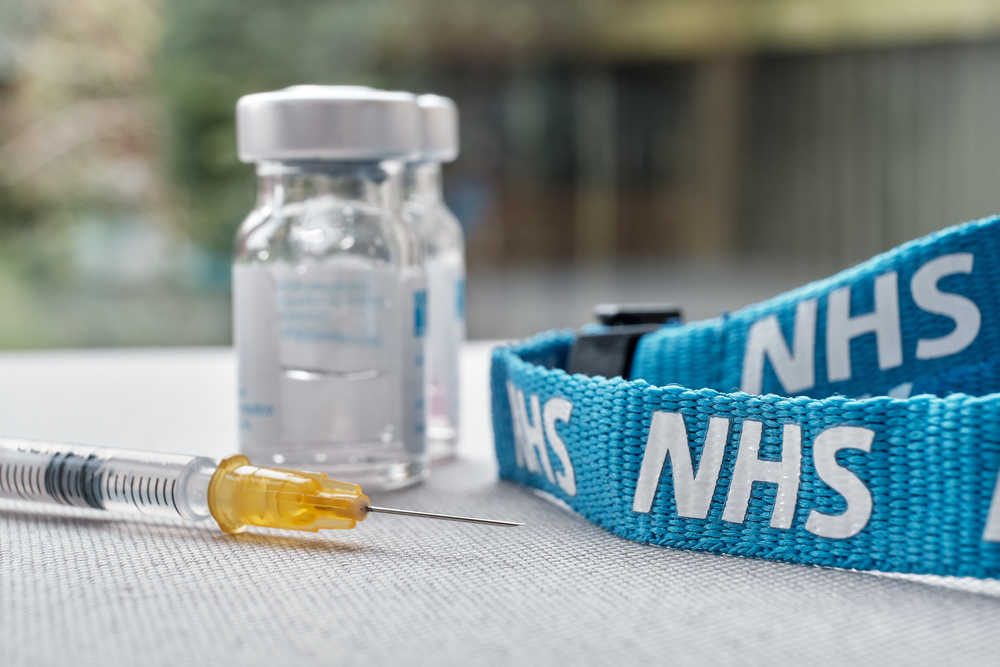
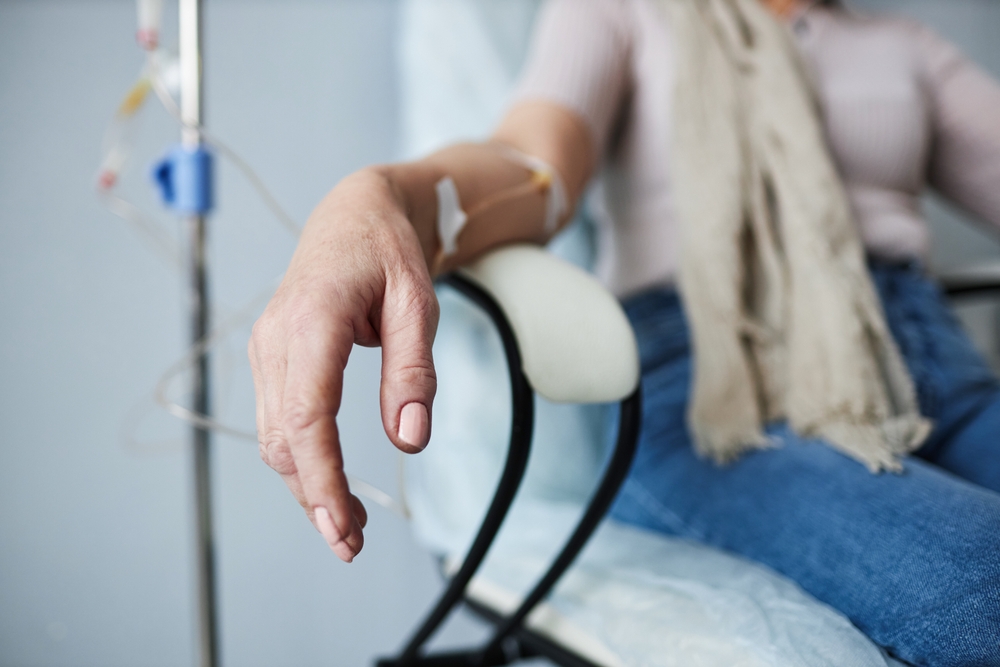
The newly introduced injection is an alternative way of administering nivolumab, one of the most widely used immunotherapy drugs in cancer care today. Instead of being delivered through an intravenous drip, the medication can now be given as a simple under the skin injection. The injection takes between three and five minutes to administer, compared to the 30 to 60 minutes required for an IV infusion, depending on the cancer type and treatment schedule.
For patients who receive nivolumab every two or four weeks, this reduction in appointment time quickly adds up. Over the course of a year, individuals could save dozens of hours that would otherwise be spent sitting in hospital treatment units. The NHS estimates that collectively, this change will save the equivalent of more than a full year of treatment time annually for patients and clinical teams combined.
This time saving is not just about convenience. Shorter appointments can reduce stress, fatigue, and anxiety for patients, while also helping hospitals operate more efficiently. Cancer day units, which are often under intense pressure, may be able to see more patients each day as a result of the quicker treatment process.
What Is Nivolumab and How Does It Work?
Nivolumab is a form of immunotherapy, a type of cancer treatment that helps the body’s immune system recognise and attack cancer cells. Rather than directly killing cancer cells like chemotherapy, immunotherapy works by removing the barriers that stop the immune system from doing its job effectively. Over the past decade, treatments like nivolumab have transformed outcomes for many patients with advanced cancers.
The drug is currently used to treat 15 different types of cancer, including skin cancer, bladder cancer, oesophageal cancer, and solid tumours originating in the kidneys. Because nivolumab is already a well established treatment within the NHS, the injectable version does not represent a risky or experimental shift. Instead, it is a new method of delivering a medication that doctors and patients are already familiar with.
In clinical trials, patients reported high levels of satisfaction with the injection. Many said they preferred it to the IV form because it was quicker, more comfortable, and less disruptive to their daily lives. These findings played a key role in supporting the decision to roll out the injection across England.
How Many Patients Are Expected to Benefit?
It is estimated that around 1,200 patients in England each month could benefit from the new cancer injection. Approximately two in five patients who currently receive nivolumab through an IV drip are expected to be eligible for the injectable version. Over time, this number could grow as more patients begin treatment directly with the injection rather than switching from IV therapy.
Most new patients starting nivolumab are expected to begin on the injectable form from the outset. This means fewer IV infusions overall and a gradual shift toward faster, simpler treatment appointments as standard practice. For patients newly diagnosed with cancer, this could make the prospect of ongoing treatment feel less overwhelming.
From a system wide perspective, NHS staff administering the injection could save around 1,000 hours of treatment time every month. That time can be redirected toward delivering other appointments, reducing waiting times, and improving access to care for patients across the cancer pathway.
Approval and Nationwide Rollout
The injectable form of nivolumab received approval from the UK’s medicines regulator, the Medicines and Healthcare products Regulatory Agency. Following this approval, NHS cancer services across England have begun preparing to deliver the treatment to patients, with the first injections expected to be administered as supplies arrive in the country.
Importantly, the faster treatment comes at no additional cost to the NHS. This has been made possible through an agreement negotiated by NHS England with the manufacturer Bristol Myers Squibb. As a result, patients receive a more convenient treatment option without placing extra financial strain on the health service.
This combination of regulatory approval, secured funding, and operational readiness has allowed the NHS to move quickly. It reflects a growing focus on making sure innovations reach patients as efficiently as possible, rather than remaining stuck in lengthy rollout processes.
What NHS Leaders Are Saying
Professor Peter Johnson, NHS England National Clinical Director for Cancer, highlighted the significance of the change, saying: “Immunotherapy has already been a huge step forward for many NHS patients with cancer, and being able to offer it as an injection in minutes means we can make the process far more convenient.”
He also emphasised the wider impact on healthcare capacity, adding: “This treatment is used for 15 different types of the disease, so it will free up thousands of valuable clinicians’ time every year, allowing teams to treat even more patients and helping hospital capacity.”
Public Health and Prevention Minister Ashley Dalton described the rollout as an example of British innovation, stating: “Britain is a hotbed of innovation, masterminding the newest tech and medical inventions to help people navigating illness. A new jab that fastens up cancer treatment is a prime example of this, so it’s fantastic to see cancer patients in England will be among the first in Europe to benefit.”
A Broader Shift in Cancer Care
This new injection is part of a wider effort by the NHS to improve cancer care while making better use of limited resources. In recent years, the health service has introduced a series of treatment innovations designed to save patients time and improve access, including new injections for breast cancer, multiple sclerosis, and blood disorders.
Elizabeth O’Mahony, NHS England Chief Financial Officer, said: “This is fantastic news for patients, reducing treatment times from an hour to just minutes is a huge boost for people going through cancer care, helping them to spend less time in hospital.” She also highlighted the operational benefits, noting that the change saves “the equivalent of a year’s worth of treatment time which can be used to deliver other care.”
Together, these developments point toward a healthcare system that is increasingly focused on patient experience as well as clinical outcomes. By reducing time spent in hospital and improving efficiency, innovations like this injection can make a real difference to people living with cancer.
Why This Matters for Patients and Families
For patients, shorter treatment appointments can mean less disruption to work, family life, and daily routines. Spending fewer hours in hospital can also reduce emotional strain, particularly for those undergoing long term treatment. For families and caregivers, quicker appointments can ease practical burdens such as travel, childcare, and time off work.
James Richardson, Clinical Pharmacist and National Specialty Adviser for Cancer Drugs, described the rollout as “a significant advancement in cancer treatment, with the potential to improve the lives of thousands of patients each month.” His comments reflect the broader hope that small changes in how care is delivered can have a meaningful impact on quality of life.
While this injection does not represent a cure, it is a reminder that progress in cancer care is not only measured in survival rates. Improvements that respect patients’ time, comfort, and dignity can be just as important in shaping the overall experience of treatment.