
Your cart is currently empty!
Fat Jabs Are Killing Appetites, and Farmers Are Drowning in Unsold Potatoes
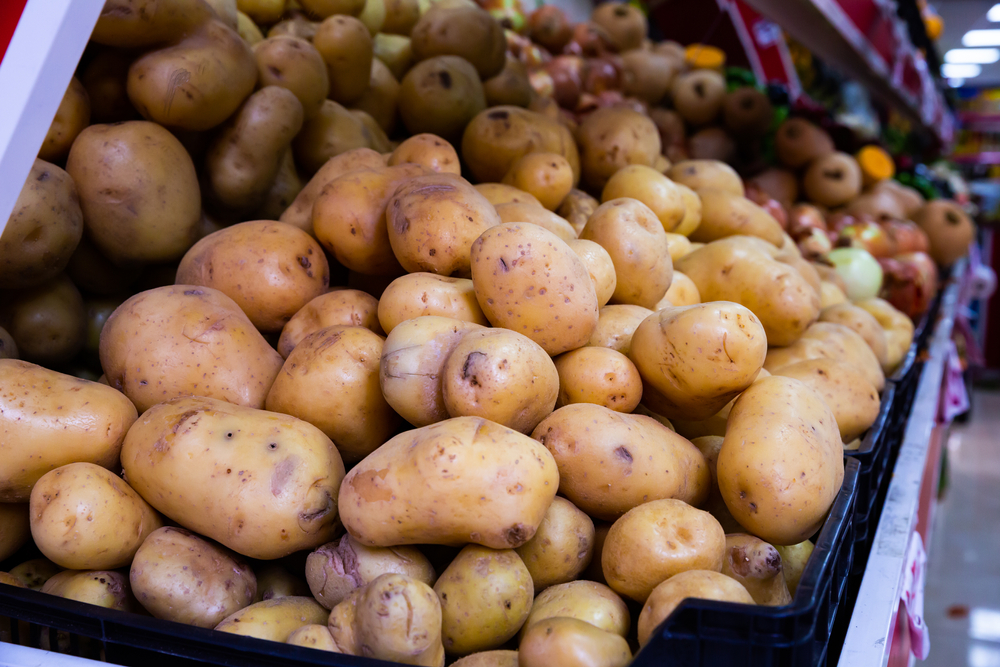
Something strange is happening to the way people eat. Across grocery aisles, restaurant booths, and fish and chip shops, appetites are shrinking. Plates that once came back empty now return half-full. Customers who used to order their own portions now split a single bag with a friend. And somewhere in the English countryside, a mountain of perfectly good potatoes sits in a storage facility, unwanted by anyone.
Contents
show
A quiet revolution in medicine is sending shockwaves through an industry that never saw it coming. What began as a breakthrough for diabetes patients has become a cultural phenomenon, and the people who grow our food are caught in the crossfire.
One Farmer, 600 Tonnes, Zero Buyers
Andy Goodacre has grown potatoes on his Lincolnshire farm for more than four decades. For 40 of those years, he supplied McCain and Seabrooks, two of Britain’s biggest names in chips and crisps. Every season followed a familiar rhythm. He planted, harvested, stored, and sold. Contracts renewed. Orders came in. Life on the farm moved forward.
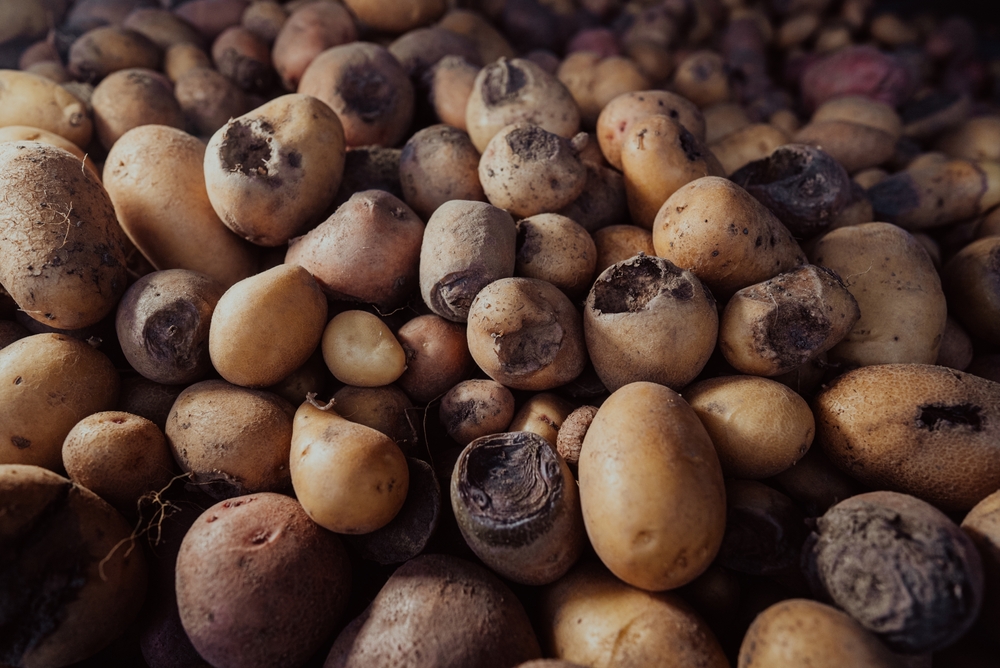
2026 broke that rhythm completely. No contracts arrived. No orders followed. And for the first time in 45 years, Goodacre found himself sitting on roughly 600 tonnes of top-quality potatoes with nowhere to send them. At current market rates, that stockpile carries a value north of £120,000. In a stronger year, it could reach £180,000 or more.
But value on paper means nothing when no buyer picks up the phone. “I’ve never known a season like it,” Goodacre said. “It doesn’t seem as though people want to eat like they used to.”
His potatoes have been in cold storage since October. By early April, they will start to spoil. Six months is the maximum shelf life under storage conditions, and the clock is running out. Goodacre has made it clear he would rather donate his surplus to food banks than watch it rot. But donations require logistics, coordination, and collection teams that haven’t materialized. If no one comes, his potato mountain will end up as cattle feed.
A Tiny Injection With a Massive Ripple Effect
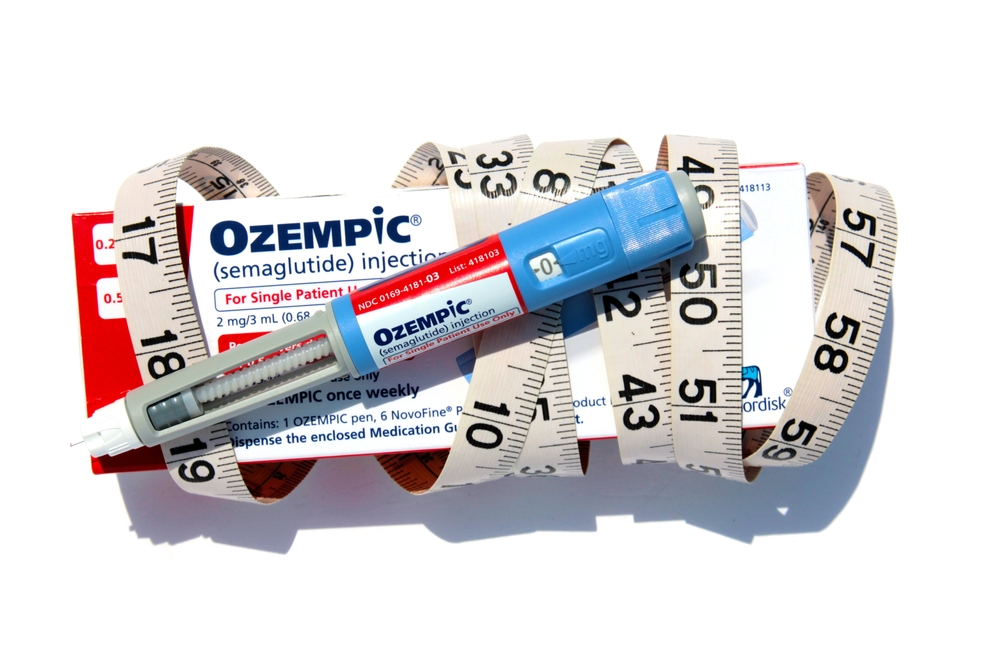
GLP-1 receptor agonist drugs have taken the world by storm. Medications like Ozempic, Mounjaro, Wegovy, and Zepbound were developed to treat type 2 diabetes, but their dramatic appetite-suppressing side effects turned them into the most talked-about weight-loss tools on the planet. Millions of people across the UK and the United States now use them, and the numbers keep climbing.
Here is what the pharmaceutical brochures don’t mention. When millions of people eat less food every single day, someone somewhere grows food that nobody buys. Appetite suppression at scale does not stay confined to bathroom scales and doctors’ offices. It moves through the economy like a slow-moving wave, hitting grocery chains, restaurant kitchens, and eventually the farms that supply them all.
Goodacre sees the evidence in his own village. He knows many neighbors and community members who are on the injections. He watches the same people order less at local restaurants, skip the chip shop, and swap familiar comfort foods for lighter alternatives. Multiply that behavior across tens of thousands of users in Britain alone, and the math becomes brutal for anyone who depends on people eating generous portions of carb-heavy food.
Chip Shops and Shrinking Orders
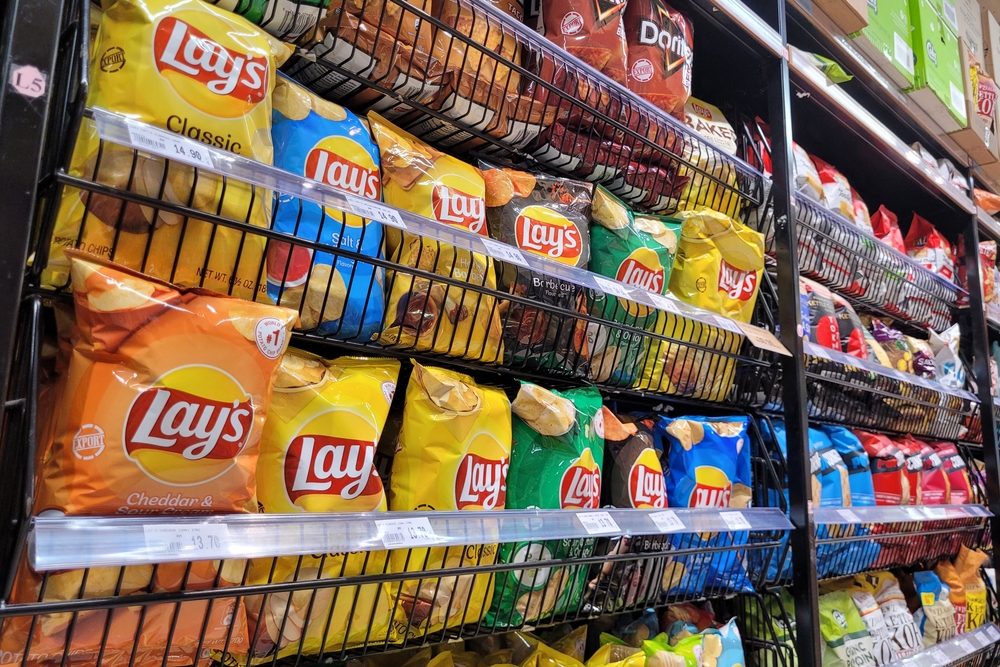
Andrew Crook has run Skippers of Euxton, a fish and chip shop in Chorley, Lancashire, since 2007. He also serves as president of the National Federation of Fish Friers, giving him a front-row seat to trends hitting the trade across the country.
What he sees worries him. Regular customers who once carried home two bags of chips now share one between them. Mid-week business has gone quiet. Portion sizes have tightened, driven partly by cost-of-living pressures and partly by customers who simply cannot eat as much as they used to.
“There’s definitely factors where people are going to use these jabs, lose weight and then eat less,” Crook said. He has watched many of his own customers slim down over the past year or two. People he has served for nearly two decades walk through the door visibly lighter, order visibly less, and leave visibly sooner. Each change seems small, but across a national network of chip shops, the lost volume adds up to an enormous quantity of potatoes that never get peeled, fried, or sold.
Crook also raises a concern that reaches beyond the current season. If potato farmers cannot earn a return on their 2026 crop, many of them will plant something else in 2027. Growers are pragmatic. They follow the money. And if potatoes stop paying, fields that once fed the nation’s chip shops could shift to rapeseed, wheat, or barley. A supply shortage could follow just a year or two behind the demand drop, creating instability for every business that depends on a steady flow of affordable potatoes.
Lentils, Perception, and the “Healthier” Swap
Weight-loss drugs are not acting alone. A broader cultural shift toward health-conscious eating has been building for years, and the two forces are now feeding off each other. Shoppers who might have grabbed a bag of ready-salted crisps five years ago now reach for lentil-based alternatives. Supermarket shelves reflect the change, with plant-based snack brands occupying more space every quarter.
Goodacre has a blunt take on the trend. He believes many consumers are fooling themselves, choosing lentil crisps not because they are genuinely healthier but because they feel healthier. Perception drives the purchase, not nutritional reality. A lentil crisp fried in sunflower oil and dusted with flavoring carries its own calorie load, but the word “lentil” on the packet creates a halo effect that potatoes cannot compete with.
For farmers, the reason behind the demand drop matters less than the drop itself. Whether customers eat fewer potatoes because a drug suppresses their hunger or because a marketing team convinced them lentils are superior, the outcome remains the same. Unsold tonnes. Falling prices. Contracts that vanish.
American Restaurants Rewrite Their Menus
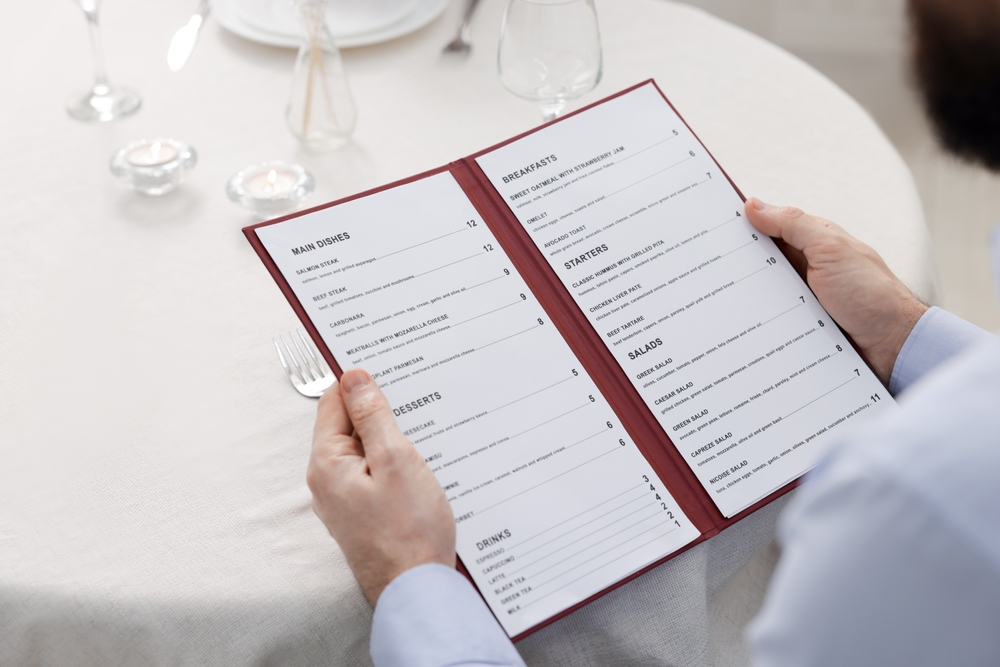
Across the Atlantic, the food industry has responded to GLP-1 adoption with remarkable speed. Major American restaurant chains have already started reworking their menus to match smaller appetites and a growing preference for protein-dense, lower-carb meals.
Olive Garden launched a “lighter portion” menu with reduced servings at lower prices. Chipotle introduced a “High Protein Cup” for customers who want fuel without the bulk. Subway rolled out compact “Protein Pockets” aimed at calorie-conscious diners. Smoothie King went a step further and built an entire GLP-1 support menu designed to complement the nutritional needs of people on the drugs.
Fast-food giants like Shake Shack and Chipotle have also leaned into high-protein, lower-carb offerings, recognizing that their customer base is changing in real time.
Dr. Fernando Ovalle Jr., a Florida-based obesity specialist, captured the shift in a single observation. “Patients consistently report that restaurant portions, which they once found normal-sized, now seem overwhelming,” he said.
When a plate of pasta that once felt like a normal Tuesday dinner now feels like a challenge, the entire economics of food service changes. Restaurants that adapt will survive. Farmers who cannot pivot as quickly face a harder road.
A Gamble That Isn’t Paying Off
Farming has always involved risk. Weather, disease, market prices, and consumer trends create uncertainty every single season. But most of those variables shift slowly enough for growers to adjust. Weight-loss drugs introduced a variable that moved faster than anyone anticipated.
Crook compares the current potato market to an annual gamble, and right now the odds are ugly. Farmers invested in seed, fertilizer, labor, and storage months ago, banking on demand that never arrived. Walking away from those sunk costs is painful, but planting another potato crop in 2027 without confidence in the market could be even worse.
Some growers will absorb the losses and try again. Others will leave the potato business entirely. And if enough of them leave, the supply chain that keeps fish and chip shops stocked, supermarkets full, and frozen food aisles loaded will start to feel the strain. A crop that Britain has depended on for centuries could become less available and more expensive within just a few growing seasons.
A Food System Caught Between Medicine and Tradition
What makes the current moment so disorienting is the collision between two genuinely good things. Weight-loss drugs help people manage obesity, reduce cardiovascular risk, and improve quality of life. Healthier eating habits benefit individuals and public health systems alike. Nobody wants to argue against better health.
But health gains in one part of the system are creating real pain in another. Farmers like Goodacre, who have fed communities for decades, now watch demand for their product erode season after season. Chip shop owners like Crook worry about whether the trade that has defined British culture for generations can survive a world where fewer people crave a Friday night fish supper.
No easy answer exists. Agricultural policy could create safety nets for growers caught in the transition. Food redistribution networks could connect surplus crops with food banks and community kitchens more efficiently. Farmers themselves could diversify, exploring new markets for potato-based products that fit a health-conscious world.
What cannot happen is silence. Ignoring the gap between medical progress and agricultural reality will only widen it. Every tonne of potatoes rotting in a Lincolnshire storage shed represents wasted labor, wasted land, and wasted opportunity.
People are eating less. Medicine made that possible. Now the rest of the food system needs to figure out what comes next, before the farmers who grow our food decide it is no longer worth the gamble.
agricultural economics, appetite suppression, British farming, consumer habits, farmer struggles, fast food menus, fish and chips, food banks, food demand, food supply chain, Food Waste, GLP-1, healthy eating, high-protein meals, Mounjaro, obesity medication, Ozempic, portion sizes, potato farming, restaurant industry, surplus crops, UK agriculture, Wegovy, weight-loss drugs, Zepbound