
Your cart is currently empty!
FDA Review of Vaccine Safety Signals Across Age Groups
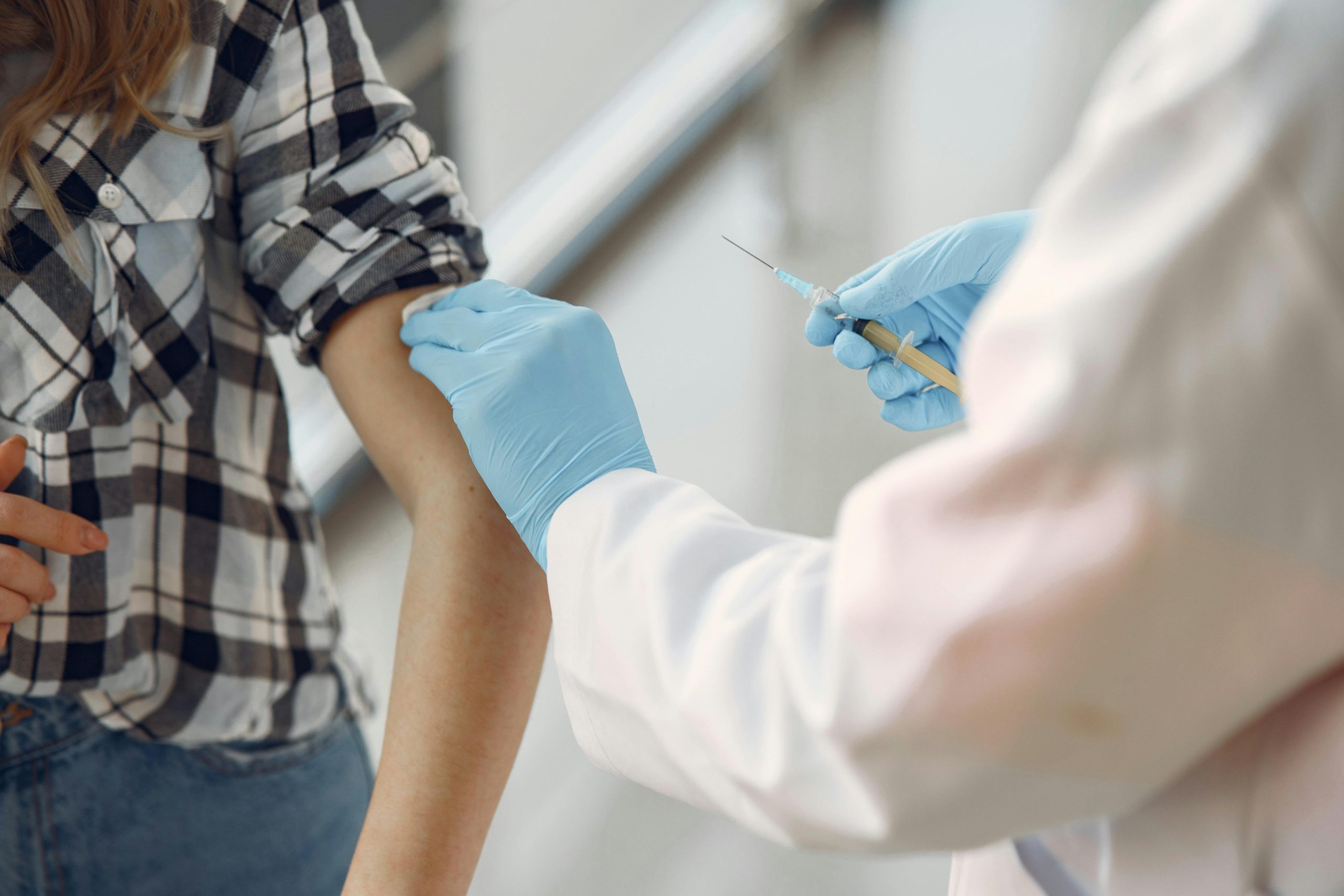
The announcement that the United States Food and Drug Administration is investigating deaths potentially connected to COVID 19 vaccines has reignited a complex and often polarizing discussion about vaccine safety, public health decision making and scientific transparency. Although vast scientific evidence supports the safety and effectiveness of COVID 19 vaccines, the leaked memo from the FDA and the subsequent confirmation of an expanded probe have created new questions at a time when trust in public health institutions is already strained.
Contents
show
This developing investigation sits at the intersection of data analysis, regulatory oversight, political influence and public perception. It raises essential questions about how safety signals are identified, how agencies decide what requires further scrutiny, and how scientific institutions can maintain credibility in a climate of controversy. With multiple references to leaked internal memos, shifting federal vaccine recommendations, and ongoing debate over myocarditis and other rare side effects, this probe represents one of the most consequential regulatory developments related to COVID 19 vaccines since their introduction in late 2020.
In this article, we will explore the science behind vaccine safety monitoring, the details of the FDA investigation, the political and regulatory forces shaping the conversation, and the larger implications for public health. While emotions often dominate discussions about vaccines, this article focuses solely on the observable evidence, scientific processes and verified information available at this time. The goal is to make this topic readable and understandable for the general public without minimizing its nuance or complexity.
Understanding the Context of the FDA Probe
The investigation began gaining national attention after a November memo from Dr. Vinay Prasad, the FDA’s top vaccine regulator, was leaked to the media. In that memo, Prasad stated that an initial analysis of 96 deaths that occurred between 2021 and 2024 suggested that 10 could be linked to COVID 19 vaccination. These reported deaths were said to involve children, a group for whom the risk of severe COVID illness and death has historically been significantly lower than in adults.
This initial claim raised immediate concerns and conflicting reactions. On one hand, vaccine manufacturers such as Moderna and Pfizer stated there were no new or undisclosed safety concerns regarding their vaccines. On the other hand, senior federal health officials acknowledged that an ongoing investigation was underway to evaluate potential deaths connected to vaccine administration in both children and adults.
A spokesperson for the Department of Health and Human Services, Andrew Nixon, stated that the FDA was conducting a thorough investigation across multiple age groups. However, details regarding the methods, data sources, and scope of the analysis were not released, leaving the scientific community with unanswered questions.
One of the challenges in evaluating the leaked memo is that it did not include evidence or supporting documentation. Without autopsy reports, medical records or the data methods used to determine causality, it is impossible to independently assess the validity of the claims. Furthermore, the memo has not been published in a peer reviewed scientific journal, which is generally the standard for presenting research that informs public health decisions.
How Vaccine Safety Monitoring Works

To understand why the FDA would launch such an investigation, it is important to review how vaccine safety is monitored in the United States. COVID 19 vaccines, like all vaccines, undergo rigorous testing in clinical trials before they are authorized or approved. Once they enter public use, several surveillance systems monitor for adverse events.
One of the most well known systems is the Vaccine Adverse Event Reporting System, or VAERS. VAERS collects reports from healthcare providers, vaccine manufacturers and members of the public about any health event that occurs after vaccination. It is important to understand that these reports do not confirm that the vaccine caused the event. Instead, they act as early warning signals that help researchers identify patterns that might require further investigation.
Regulations require healthcare providers to report any death after vaccination to VAERS, even if the death is not suspected to be caused by the vaccine. This reporting requirement ensures that unusual trends can be detected, but it can also lead to misinterpretation when raw VAERS data is used outside of its intended scientific context.
If a pattern emerges, federal agencies conduct more detailed investigations that may include medical record reviews, autopsies, statistical comparisons with background death rates, and examination of potential biological mechanisms. This type of multi layer analysis takes time, and conclusions cannot be drawn from preliminary data alone.
The FDA’s current investigation appears to reflect this deeper level of analysis, although the lack of transparency around specific methods has raised concerns among scientists and public health experts.
The Role of Myocarditis in the Safety Discussion

One of the scientifically recognized risks associated with the mRNA COVID 19 vaccines is myocarditis, which is inflammation of the heart muscle. While rare, myocarditis occurs more frequently in teenage boys and young men than in other groups. Most cases reported after vaccination have been mild and resolved with rest and treatment, but any potential link between myocarditis and death requires careful evaluation.
The leaked memo suggests that myocarditis may have been a factor in the deaths referenced by Dr. Prasad. However, because no evidence was supplied, experts cannot determine whether myocarditis was indeed implicated or whether underlying conditions may have played a role.
It is important to note that COVID 19 infection itself can also cause myocarditis, and in some cases the risk from infection is higher than the risk from vaccination. Studies have shown that COVID 19 can increase the risk of heart attacks, cardiovascular inflammation and long term complications. As a result, comparing risks from the virus with those from the vaccine is a complex scientific process.
The FDA has acknowledged myocarditis as a rare adverse event associated with the mRNA vaccines, and this acknowledgment is based on years of available data. The new investigation appears to be examining whether additional cases, including fatal ones, may have occurred.
Political Influence and Shifting Vaccine Policy

The FDA investigation is unfolding during a period of substantial changes in U.S. vaccine policy under Health Secretary Robert F. Kennedy Jr., who has long been a prominent vaccine skeptic. Since assuming leadership of the Department of Health and Human Services, Kennedy has implemented policy shifts that include limiting access to COVID 19 vaccines to individuals 65 and older or people with underlying medical conditions, reducing funding for mRNA vaccine development, and revising vaccine recommendations for infants.
Experts have voiced concern that these rapid policy changes could undermine decades of vaccine infrastructure. For example, the CDC recently removed the universal recommendation for hepatitis B vaccination for newborns. At the same time, cases of measles and pertussis have surged across the United States, with more than 90 percent of measles cases occurring in unvaccinated individuals.
Public health experts argue that these outbreaks illustrate the dangers of weakened vaccination networks. The larger worry is that public trust may decline further if scientific processes become entangled with political agendas.
Twelve former FDA commissioners published an article expressing alarm that the changes described in Prasad’s memo could erode the agency’s ability to ensure vaccine safety and effectiveness. They described the proposals as undermining the public interest and weakening long standing regulatory models.
It remains unclear whether the FDA will formalize any of Prasad’s proposed changes, such as requiring more extensive clinical data before updating vaccine formulations to match circulating viral strains. Critics argue that such delays could make vaccines less effective in real world conditions, especially for rapidly mutating viruses.
What We Know About Reported Deaths So Far
So far, only a few vaccine related deaths have been definitively identified by federal agencies, and these involved a rare blood clotting disorder associated with the Johnson and Johnson vaccine. These cases prompted a temporary pause in the vaccine’s use and eventually led to its removal from the U.S. market.
Aside from these cases, the available evidence does not yet support widespread fatal outcomes related to COVID 19 vaccination. More than 700 million doses of COVID 19 vaccines have been administered in the United States, and severe adverse reactions remain rare.
However, because the FDA is investigating potential links to additional deaths, it is possible that new information will emerge. Until the investigation is complete, scientists cannot rule out the possibility that other rare fatal events may have occurred in association with vaccination.
It is also important to emphasize that a temporal association does not confirm causation. Given the scale of vaccine administration, some deaths are statistically expected to occur soon after vaccination by coincidence alone. Determining whether the vaccine contributed to these deaths requires detailed causal analysis.
The Importance of Transparency in Scientific Communication
One of the most significant challenges in situations like this is transparent communication. When information originates from leaked memos rather than published scientific reports, it can easily lead to confusion. Leaks can also cause public reaction before important scientific details are available for review.
The FDA’s decision not to disclose the data sources, methods or timeline for the investigation has intensified pressure on the agency. Public health depends on trust, and trust depends on clear, consistent communication. Without transparency, scientific findings risk being overshadowed by misinformation, speculation and political narratives.
Many experts have urged the FDA to release more information about the scope of the investigation, the criteria for determining whether deaths are vaccine related and the type of evidence being gathered. Doing so could help maintain public confidence and prevent misunderstandings.

Broader Implications for Public Health
The ongoing probe has significant implications for the future of vaccine regulation in the United States. If the investigation confirms that additional deaths were linked to vaccination, it could lead to major changes in how vaccines are developed, authorized and monitored. It could also influence public willingness to receive vaccines for COVID 19 or other diseases.
Alternatively, if the investigation finds no causal link, it could reinforce existing evidence supporting the safety of COVID 19 vaccines. However, the political environment surrounding this investigation may complicate public interpretation of the findings regardless of the outcome.
Vaccine hesitancy has grown in recent years, and the current climate of skepticism may lead some individuals to assume the worst even before any scientific conclusion is reached. Public health officials will need to balance transparency with careful explanation to ensure that findings are understood in context.
Where the Evidence Leads Next
The FDA’s probe into potential links between COVID 19 vaccines and deaths reflects the ongoing evolution of scientific understanding in a rapidly changing political environment. While the leaked memo that initiated public attention lacked supporting evidence, the expanded investigation demonstrates the agency’s commitment to evaluating all safety signals, even those that arise under controversial circumstances.
At the same time, the scientific community continues to emphasize that millions of lives were saved by COVID 19 vaccines and that serious adverse events remain rare. The challenge ahead lies in navigating this investigation with scientific rigor, transparency and clarity.
Public trust depends not only on the safety of vaccines but also on the integrity of the agencies responsible for regulating them. As the FDA continues its analysis, accurate and open communication will be essential. The results of the investigation, whatever they may be, will shape the next chapter of vaccine policy and public health in the United States.