
Your cart is currently empty!
On February 28, the Solar System Will Align for a Rare Planetary Parade That Won’t Return Until 2040
The night sky usually offers a sense of quiet consistency, but late February promises to break that pattern with a spectacular celestial assembly. A rare alignment is on the horizon that will bring six of our planetary neighbors into a single field of view for those ready to witness it.
Contents
show
While the stars remain fixed, the dynamic movement of our solar system is about to offer a visual reminder of the cosmic dance happening right above our heads.
A Rare Cosmic Convocation
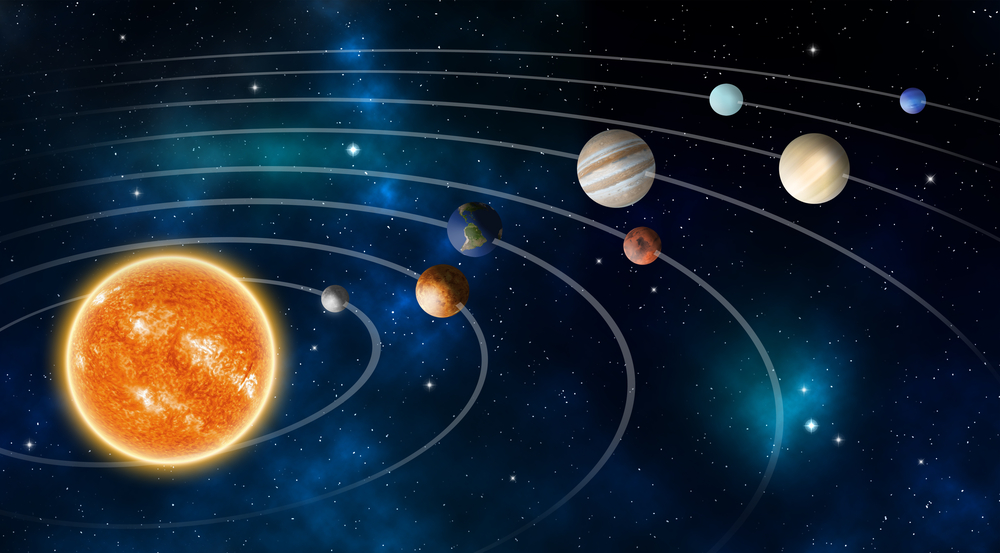
On the evening of Saturday, February 28, 2026, the solar system will offer a special display known as a planetary parade. This event marks a moment where six of our neighbors including Mercury, Venus, Saturn, Neptune, Uranus, and Jupiter will appear to gather in the sky shortly after sunset. While planets often drift near each other, a simultaneous meeting of six is a distinct occurrence that generates excitement among stargazers.
A planetary parade is not a literal straight line in deep space. It is actually a trick of perspective. As the planets orbit the Sun at different speeds, they sometimes reach points where they appear clustered together when viewed from Earth. This specific alignment offers a brief window where rocky inner planets and gas giants share the stage.
While similar alignments have happened recently, such as the gathering in early 2025, this specific event is unique. The previous year featured Mars in the lineup, but this time Mercury takes its place to create a new arrangement for the 2026 calendar. Observers looking up on February 28 will see not just one or two, but six planets in the evening sky.
What to Expect When You Look Up
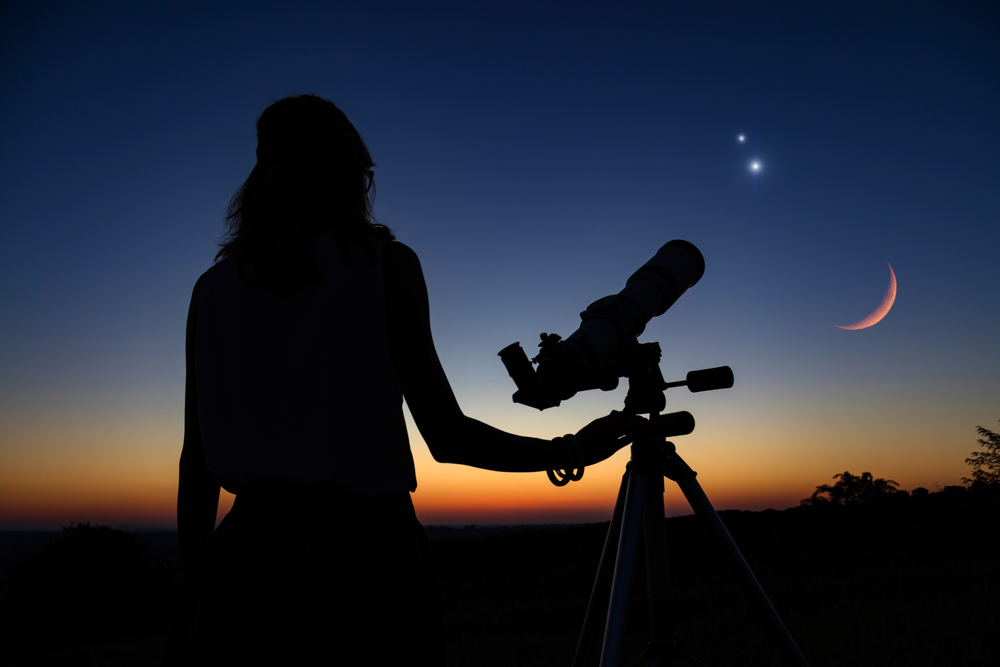
While the headlines promise a spectacular light show, actually spotting all six planets requires some planning. The main challenge is that four of the planets including Mercury, Venus, Saturn, and Neptune are positioned quite close to the sun. This means they will only be visible during bright twilight before they dip below the horizon for the night.
To have a real chance at witnessing this lineup, observers need a clear view of the western horizon. Any obstacles like tall buildings, trees, or hills could block the view entirely. The best window for observation is narrow, occurring roughly thirty to forty-five minutes after sunset on February 28.
Most skywatchers will need some equipment to see the full parade. While Jupiter and Venus are usually bright enough to see with the naked eye, optical aids are essential for the others. Commentators note that seeing the full array requires binoculars or a telescope to pick out the dimmer worlds against the fading light of the sun. Even with the right gear, success depends on the weather. A cloudy evening could hide the lower planets and leave only the brightest objects visible.
Spotting the Stars of the Show
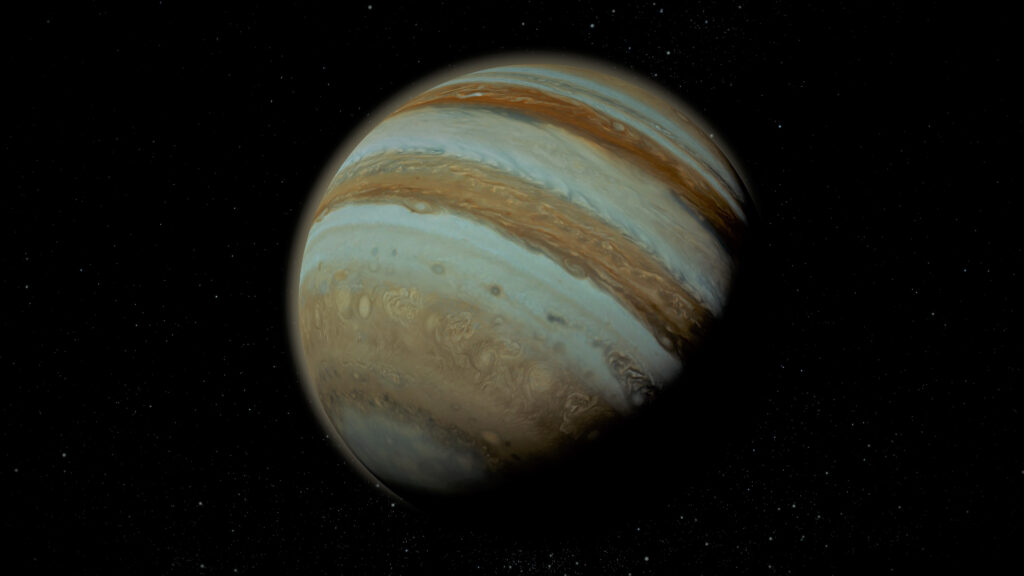
The easiest planet to spot on this night will be Jupiter. It sits high in the southeast sky and shines brightly enough for anyone to see without equipment. The moon will also be nearby to act as a guide for finding the giant planet. Just below the moon, those with binoculars might even catch a glimpse of the Beehive Cluster, a collection of stars that adds to the view.
Moving across the sky toward the west, Uranus is positioned midway between Jupiter and the horizon. It is much fainter than its neighbor. To see it, observers will likely need binoculars to look near the famous Pleiades star cluster.
The real challenge lies closer to the western horizon where four planets cluster together in the twilight. Venus is the brightest of this group and serves as the best anchor for finding the others. Mercury sits very low and will fade quickly as the sun goes down. Saturn is also present in this group but is moving closer to the glare of the sun, making it harder to distinguish. Finally, Neptune is nestled right next to Saturn, but it is too faint for the naked eye and requires a telescope to be seen.
A Ring of Fire in the Daylight
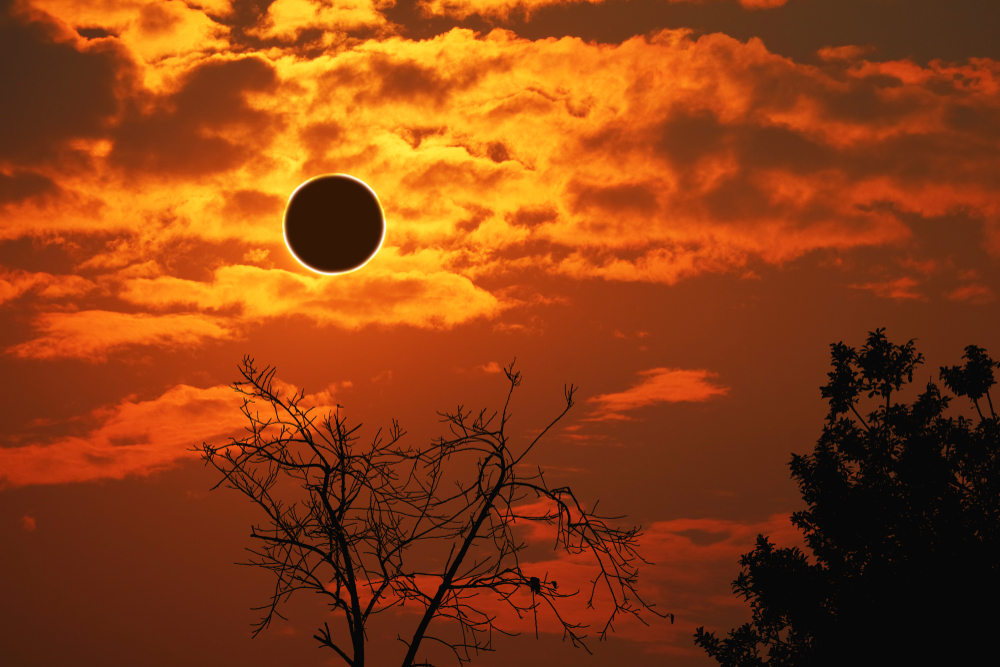
Before the planets align at the end of the month, the sky offers another dramatic event on February 17. An annular solar eclipse will take place when the moon passes directly between Earth and the sun. During this specific event, the moon is at its farthest point from Earth in its orbit. This distance makes the moon appear smaller in the sky so it does not completely cover the sun. The result is a brilliant ring of sunlight visible around the silhouette of the moon which is often called a ring of fire.
The full ring of fire will only be visible to those in Antarctica. However, skywatchers in southern parts of South America and Africa can still witness a partial solar eclipse where the moon covers a portion of the sun. It is crucial to remember that even during an annular eclipse, looking directly at the sun is dangerous without proper eye protection.
For those who live elsewhere, do not worry. This eclipse serves as a prelude to the main planetary event later in the month. It kicks off a busy few weeks for astronomy enthusiasts who are eager to look up. There is also a total solar eclipse predicted for August 12, 2026, which will be visible across parts of Europe and Russia.
The Sky Show Continues
While February 28 is the highlighted date, the beauty of the night sky is not limited to a single evening. If clouds block the view or the horizon is obstructed, there is no need to worry. The planets are constantly in motion and offer plenty of other opportunities to observe their dance throughout the year.
The days leading up to the parade are just as interesting. Venus becomes visible again in the west early in the month. By February 19, a crescent moon will sit close to Saturn and Mercury. These nightly changes are often easier to catch than the full alignment and provide a great excuse to step outside more often.
Looking ahead, 2026 promises excellent conditions for skywatchers. Mars will return to the morning sky in April. Venus will climb higher to become a brilliant Evening Star by late March. It will shine brighter than anything else in the night sky except the moon. So grab a pair of binoculars if possible, but mostly just take a moment to look up. The universe is always putting on a show for those who take the time to watch.