
Your cart is currently empty!
Ancient DNA Reveals Earliest Known Person With Turner Syndrome
Ancient DNA has long been a window into the lives of people who walked the Earth thousands of years before us, but until recently, scientists struggled to uncover some of the most delicate genetic details locked within old bones and fragile teeth. The past is rarely generous with pristine samples, and time has a habit of scrambling DNA until only fragments remain. Yet even in that degraded state, each molecule carries echoes of human history waiting for the right methods to interpret it.
Contents
show
A newly developed analytical technique has opened one of the most unexpected chapters in that story. For the first time, researchers have identified a prehistoric individual with a missing X chromosome, specifically mosaic Turner syndrome, using ancient DNA. This person lived roughly 2500 years ago during Britain’s Iron Age, and their remains reveal details about development, biology, and the diversity of human experience in ancient societies. Even more remarkably, this same project uncovered several other early examples of chromosomal differences, including the earliest known individual with an extra Y chromosome and multiple ancient people with Klinefelter syndrome.
Together, these discoveries challenge long held assumptions about what was possible to detect in ancient remains. They also offer a rare glimpse into how early communities may have perceived and included individuals with differences in sex development long before genetics became a field of science.
A New Method for Reading Ancient Chromosomes
One of the central achievements highlighted across the research is a computational method capable of precisely measuring chromosome numbers in ancient DNA. Traditional approaches often fall short because old samples decay, allowing foreign DNA to contaminate what little material is left. When working with degraded genomes, distinguishing between two X chromosomes and one can become nearly impossible.
The new technique focuses on counting DNA fragments associated with X and Y chromosomes and comparing them with fragments from non sex chromosomes. The researchers behind this advancement come from institutions including the University of York, the Francis Crick Institute, the University of Oxford, and Oxford Archaeology. By improving the sensitivity of chromosome counting, particularly for the sex chromosomes, the team demonstrated that chromosomal differences are detectable even in partial DNA sequences.

This breakthrough was made possible through the extensive dataset collected as part of the Thousand Ancient British Genomes project. By using material from teeth, skulls, jaws, and ear bones, researchers analyzed individuals from multiple British regions and time periods. The improved method not only identifies aneuploidy, the condition involving extra or missing chromosomes, but is also capable of flagging contamination. This means it can validate the authenticity of DNA that might otherwise be considered too compromised for study.
What makes this method especially exciting is that it equips scientists with a new set of tools to revisit archaeological remains that have so far resisted genetic analysis. In other words, this discovery marks a beginning rather than an end.
The First Prehistoric Individual With Mosaic Turner Syndrome
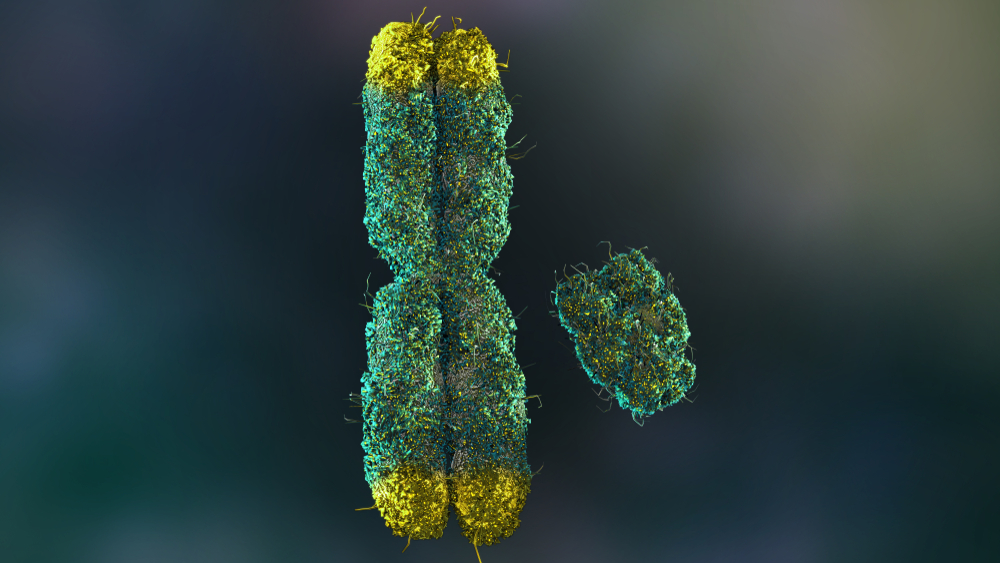
Among the most groundbreaking findings is the first prehistoric person known to have had Turner syndrome. Turner syndrome occurs when someone has only one complete X chromosome instead of the typical pair found in most females. In the case of the newly identified individual, the genetic evidence showed mosaicism. This means some cells contained a single X chromosome while others retained the usual two.
This individual lived in Somerset around 2500 years ago. By analyzing the bone structure, researchers estimated their age at death to be between 18 and 22. Despite this age, signs in the remains suggest that puberty and menstruation likely never began. That is consistent with what is known about Turner syndrome today, where individuals often experience delayed or absent puberty, shorter height, and fertility challenges.
The identification of mosaicism in a prehistoric skeleton is especially significant because mosaicism can be difficult to detect even in modern genetic testing. For this pattern to appear so clearly in an ancient sample demonstrates the strength of the new computational technique.
Interestingly, nothing in the burial context marked this person as different. They were not placed in an unusual grave, nor were they buried with distinctive objects. This lack of differentiation raises profound questions about how Iron Age communities understood physical variation, biology, and identity. While we cannot determine how this individual perceived themselves or how they were regarded by their peers, the absence of any atypical burial markers suggests they were laid to rest in a manner consistent with social norms of the time.
Beyond Turner Syndrome
The same research that revealed the individual with mosaic Turner syndrome also uncovered the earliest known person with Jacob’s syndrome. Jacob’s syndrome occurs when an individual has an extra Y chromosome, known as XYY. This condition is often associated with being taller than average, though many people with it experience minimal or no noticeable differences.
The man with XYY chromosomes lived about 1100 to 1200 years ago during the Early Medieval Period. Like the Iron Age individual, he was buried according to the customs of his community. His height and other physical traits would have been shaped by both genetics and environment, but the presence of an extra Y chromosome marks him as one of the earliest identifiable cases of this aneuploidy.
Researchers also uncovered three individuals across different periods who had Klinefelter syndrome, a condition in which males have an extra X chromosome, resulting in an XXY pattern. Klinefelter syndrome tends to cause taller stature, broader hips, and sometimes larger breast tissue compared with typical XY males. In all three cases, the skeletal remains showed signs consistent with delayed puberty and slight increases in height.
These three individuals lived in widely separated eras. One belonged to the Iron Age, another to the high Middle Ages, and the last to the early nineteenth century. Despite this broad timeline, similarities in their bone development highlight how consistent genetic expression can be across historical contexts.
Finally, the study also reaffirmed the presence of an infant from the Iron Age with Down syndrome, a condition caused by having an extra copy of chromosome 21. Down syndrome is not a sex chromosome condition but an autosomal aneuploidy, meaning the difference resides in one of the non sex chromosome pairs. Discoveries like this not only provide information about genetics but also illuminate ancient attitudes toward care and community. The fact that infants with noticeable physical differences were buried in culturally typical ways suggests that families and communities may have shown forms of care that modern readers do not always expect from ancient societies.
How Researchers Read Chromosomal Clues From Ancient Bone
The ability to identify these genetic conditions hinges on one question. How can scientists determine chromosomal patterns from DNA that has been deteriorating for centuries?
The new method solves this problem by counting. Researchers examined how many DNA fragments corresponded to each chromosome and compared this with expected levels. If the ratio deviated in certain ways, it pointed to aneuploidy. For example, fewer X-derived fragments than expected could indicate Turner syndrome, while more Y fragments might signal Jacob’s syndrome.
One of the strengths of this method is its ability to distinguish real chromosomal signatures from contamination. Ancient DNA studies have long struggled with the possibility that modern DNA can interfere with results. By designing an approach that is robust enough to identify contamination, researchers can now have greater confidence in their interpretations.
The methodology was developed to cope with the realities of archaeological samples. Bones and teeth degrade differently depending on soil conditions, temperature, and burial practices. By adapting the computational model to work with fluctuating DNA quantities, the team ensured that even partial samples could offer meaningful genetic information.
Beyond identifying aneuploidy, the method supports a more nuanced understanding of biological sex and gender in ancient populations. Traditional skeletal analysis often relies on morphological traits that assume binary categories. Genetic data can complicate that picture, revealing that chromosomal variation existed in past societies just as it does today.
What These Discoveries Tell Us About Ancient Lives
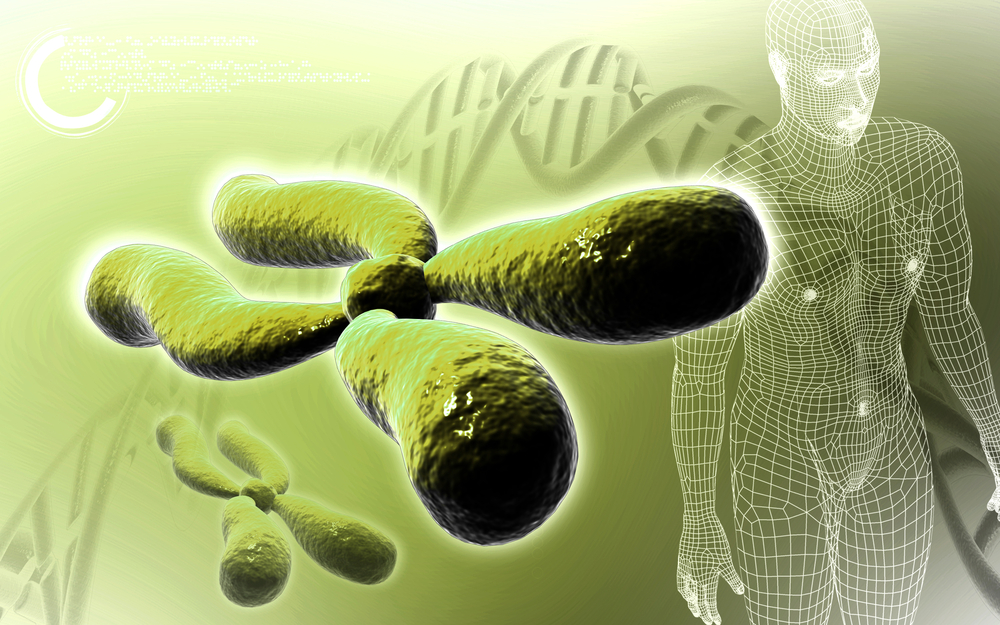
One of the most striking outcomes of the study is the shared burial context among all individuals. None were placed in atypical graves, and none were buried alongside distinctive artifacts suggesting special treatment. This is noteworthy because some chromosomal conditions, especially those that affect physical development, might have been noticeable in life.
The fact that these individuals appear to have been treated similarly to others in their communities offers insight into societal norms. It suggests that physical or developmental differences did not necessarily place individuals outside of accepted social roles. Without written records from these eras, burial practices become one of the few ways to infer community attitudes. In this case, they point toward inclusion.
Archaeologists and geneticists who commented on the findings emphasize that this research opens new avenues for understanding how past societies perceived difference. While modern frameworks for discussing gender and biological variation are relatively new, ancient communities undoubtedly encountered a spectrum of human traits. These discoveries lend support to the idea that individuals with chromosomal differences were part of daily life rather than segregated or stigmatized figures.
The presence of infants with Down syndrome or adults with Klinefelter syndrome across many centuries indicates that genetic variation is not modern. It has always been part of the human story. As ancient DNA research expands, we may uncover even more examples that reshape our assumptions about disability, identity, and social belonging in early societies.
Understanding Gender and Identity in Prehistory

Although genetic data cannot tell us how individuals perceived themselves, it can highlight the complexity of sex and gender expression in past populations. For decades, archaeological interpretations often defaulted to binary categories based on skeletal features. By identifying people whose chromosomes did not fit these categories, scientists can start to question long held assumptions.
For example, the individual with mosaic Turner syndrome might have had physical characteristics that deviated from typical expectations for females in their community. The same is true for individuals with Klinefelter syndrome. Understanding whether and how these traits influenced identity or social role is challenging, but the presence of these genetic conditions suggests that ancient societies may have accommodated a broader spectrum of human variation than once believed.
The researchers themselves note that gender norms in the past do not necessarily align with those of the present. Ancient people may have interpreted biological variation differently or may have had more flexible or fluid social categories. While we cannot definitively reconstruct those frameworks, each discovery adds to our understanding of how diverse human experiences have always been.
Implications for Future Research
As more ancient DNA becomes available, the new method for identifying aneuploidy will likely become a standard tool. It opens the door to analyzing skeletal remains that were once considered too compromised for study. This is particularly important for prehistoric periods where written records are absent. Genetics can provide details that bones alone cannot.
The researchers hope that future studies will combine genetic data with archaeological context, such as burial orientation, artifacts, and environmental clues. This integrated approach can help build a fuller picture of how ancient people lived, worked, formed communities, and understood differences.
Moreover, identifying chromosomal variation in ancient populations can help anthropologists examine questions about health, lifespan, family structure, and even migration. If certain conditions appear in clusters across time or region, it might reveal patterns about population inheritance or social networks.
What We Learn When We Look More Closely
The discovery of the first prehistoric individual with mosaic Turner syndrome, along with several others who had chromosomal differences, reveals that human diversity has deep roots. These individuals lived full lives in their communities and were buried with the same customs as those around them. Their stories remind us that variation is not an anomaly. It is a constant thread running through human history.
By developing new ways to study fragile DNA, scientists have expanded the boundaries of what ancient remains can teach us. These findings challenge assumptions about sex, biology, and identity in past societies while encouraging a more inclusive understanding of history.
Most importantly, they offer a reflection that resonates beyond the scientific field. When we look closely at the past, we see not just bones and artifacts but the lived realities of people whose experiences echo aspects of our own. The more we learn about them, the more complete our understanding of humanity becomes.