
Your cart is currently empty!
Five States Begin Restricting SNAP Purchases of Soda and Candy in Major Policy Shift

The start of the new year brought a major shift for millions of Americans who rely on food assistance to get by. On January 1 new restrictions on what can be purchased with Supplemental Nutrition Assistance Program benefits officially went into effect in five states. The changes immediately sparked intense debate among policymakers health experts advocacy groups and families who depend on SNAP to put food on the table.
Contents
show
For supporters the policy represents a long overdue step toward improving public health and reducing diet related illness. For critics it raises concerns about personal choice fairness and the growing stigma faced by low income households. As grocery store registers began enforcing the new rules the conversation moved from theory into daily lived reality.
This article explores what the SNAP bans include how they came to be which states are affected and what the broader implications could be for health equity food access and public policy nationwide.
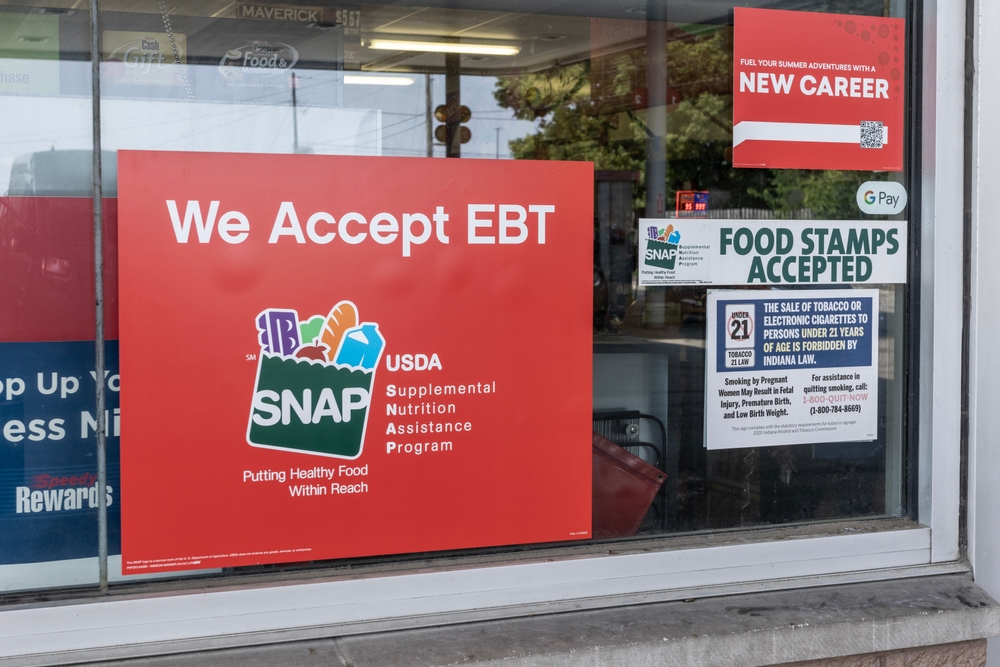
What the New Snap Bans Actually Restrict
At the center of the policy are limits on purchasing certain foods and beverages using SNAP benefits. Under the new rules items such as soda, candy and some highly processed snacks are no longer eligible for purchase with assistance funds in the five participating states. While SNAP has long prohibited alcoho,l tobacco and hot prepared foods. These changes mark a significant expansion of restrictions into categories that many families regularly buy.
State officials backing the bans argue that taxpayer funded nutrition assistance should prioritize foods that contribute to better health outcomes. They point to rising rates of obesity, diabetes and heart disease particularly in lower income communities as justification for redefining what qualifies as acceptable nutrition.
However defining unhealthy food is far from straightforward. Nutrition experts often disagree on where to draw the line between moderation and restriction. Some foods high in sugar or sodium may still provide cultural comfort convenience or small moments of enjoyment for families facing financial stress.
The new restrictions also introduce logistical challenges. Grocery stores must update point of sale systems and train staff to enforce eligibility rules which can lead to confusion at checkout. For SNAP users the experience of having items rejected can feel embarrassing and stressful especially in busy public settings.
Why Five States Moved Forward With Restrictions
The decision to implement SNAP food bans did not happen overnight. In each of the five states involved the policy followed months or years of proposals studies and negotiations with federal authorities. States must seek approval from the United States Department of Agriculture to modify SNAP rules which are federally funded but state administered.

Supporters within state governments framed the bans as public health interventions rather than punitive measures. They cited data linking sugary beverages and processed snacks to chronic illness and rising healthcare costs. By limiting access through SNAP they argue states can nudge consumers toward healthier choices while reducing long term medical spending.
Political context also played a role. Several of the states implementing bans have leadership that emphasizes personal responsibility and cost control in public programs. The SNAP changes align with broader policy agendas focused on reducing government spending and encouraging behavioral change.
Opponents counter that the states are using SNAP recipients as testing grounds for controversial nutrition policies. They argue that similar restrictions are not placed on higher income consumers who also contribute to healthcare costs through unhealthy diets.

Health Arguments and Scientific Debate Behind the Policy
Public health advocates who support the bans often point to research showing strong links between sugary drinks and increased risk of obesity and type two diabetes. They argue that SNAP should function as both a safety net and a health promoting program.
Some experts compare the restrictions to earlier efforts such as removing soda from school vending machines. In those cases supporters say changes helped reduce consumption without eliminating choice entirely. People can still buy restricted items using their own money.
Yet many nutrition scientists caution against oversimplifying dietary behavior. Health outcomes are influenced by stress, access to fresh food, education and time for meal preparation not just individual product choices. Removing a soda from a shopping cart does not automatically result in healthier overall diets.
There is also concern about unintended consequences. Families might substitute banned items with other inexpensive foods that are still highly processed. Without parallel investments in food education cooking resources and affordable fresh options the health benefits may be limited.
Impact on Low Income Families and Daily Life
For households relying on SNAP the bans introduce new layers of complexity into already tight budgets. Shopping with assistance requires careful planning and price comparison. Adding eligibility restrictions increases the mental load of grocery trips.
Many families use small treats like candy or soda as occasional rewards or comfort items especially during stressful periods. Critics argue that banning these purchases with SNAP sends a message that low income families should not enjoy the same small pleasures as others.
There are also concerns about stigma. Being told an item is not allowed at checkout can draw attention and reinforce negative stereotypes about people who use assistance programs. Advocacy groups warn that such experiences may discourage eligible families from enrolling in SNAP at all.
At the same time some SNAP users support the changes. Interviews cited by news outlets show that certain recipients welcome guidance toward healthier choices particularly for children. They view the policy as an opportunity to rethink habits and stretch benefits toward more filling nutritious foods.

Retailers Food Manufacturers and Enforcement Challenges
The new SNAP bans do not only affect consumers. Grocery retailers must adapt quickly to comply with state and federal rules. This includes updating inventory systems labeling eligible items and training employees to handle disputes with customers.
Smaller independent stores may face greater burdens than large chains with sophisticated technology. Errors at checkout could lead to frustration for shoppers and staff alike. Retail associations have raised concerns about uneven enforcement and potential financial penalties.
Food manufacturers are also watching closely. Products that lose SNAP eligibility in certain states may see reduced sales particularly in low income neighborhoods where assistance usage is higher. This could influence future product formulation marketing and pricing strategies.
Some companies may attempt to reformulate items to meet eligibility standards if clear criteria emerge. Others may focus marketing efforts on unrestricted products. Over time the policy could subtly reshape food environments in affected communities.
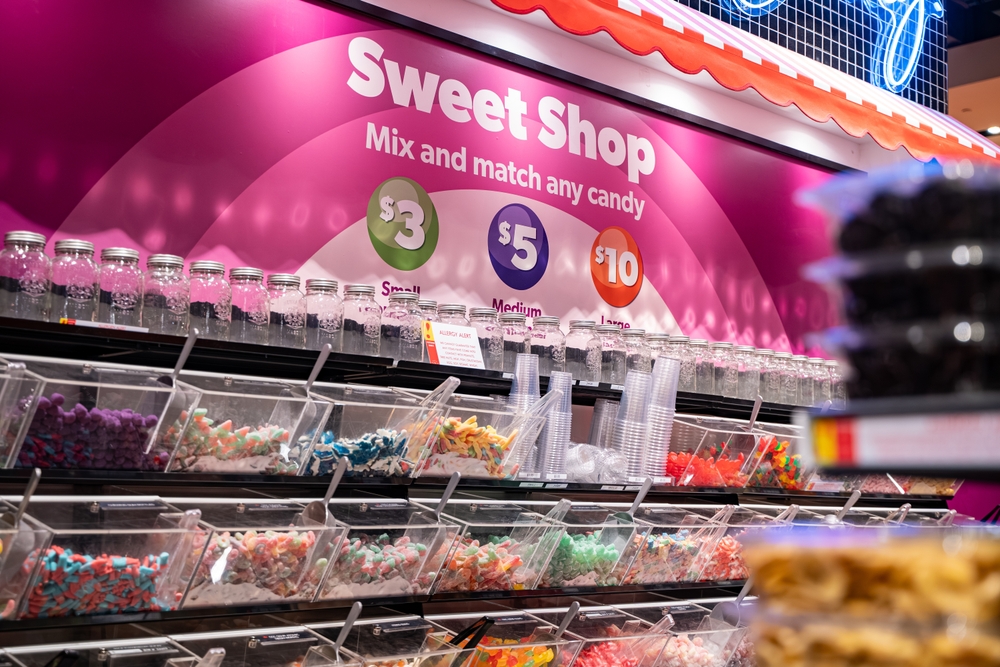
A Moment for Reflection on Food Policy and Dignity
Beyond policy mechanics the SNAP bans raise deeper questions about how society views poverty health and personal choice. Food is not just fuel but culture comfort and connection. Decisions about who can buy what with assistance funds carry symbolic weight.
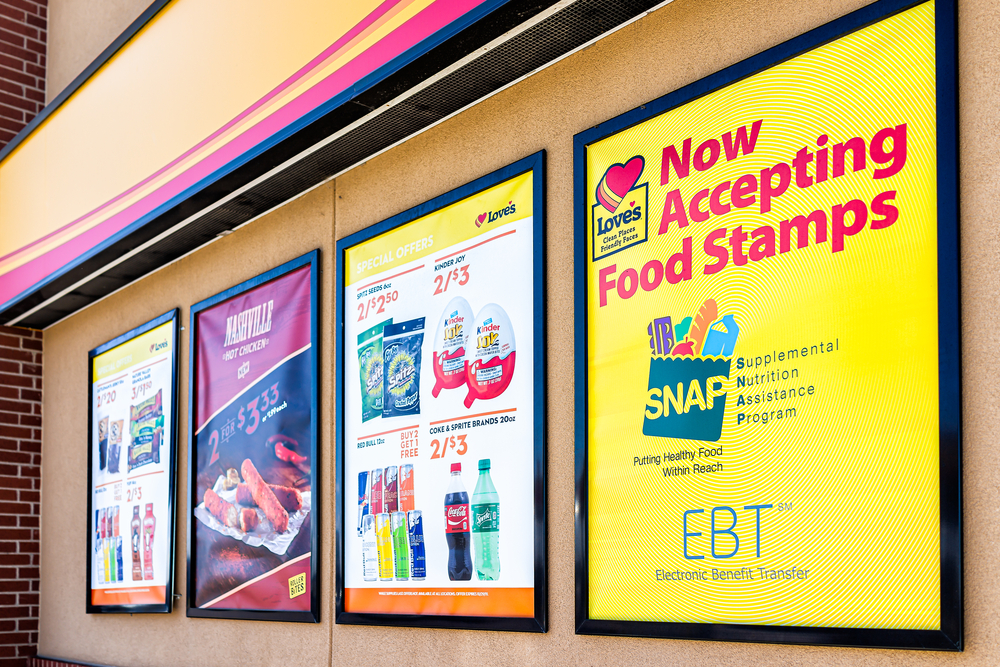
As the bans take effect families retailers and policymakers alike are navigating uncharted territory. The coming months will reveal whether the changes lead to measurable health improvements or primarily fuel controversy.
What remains clear is that food policy cannot operate in isolation. Access to affordable housing healthcare education and safe neighborhoods all influence dietary choices. Addressing nutrition without addressing these factors risks missing the bigger picture.
The SNAP restrictions taking effect on January 1 may mark the beginning of a broader national conversation about how best to support both health and dignity for millions of Americans.