
Your cart is currently empty!
The Hidden Lung Damage Behind Flavored E Cigarettes

It was once marketed as the safer alternative. Sleek devices. Fruity clouds. Candy-like flavors. A modern fix for an old habit. But behind the bright packaging and sweet aromas, scientists are uncovering something far more serious.
Contents
show
New research is adding to growing evidence that flavored e-cigarettes are not harmless. In fact, doctors are now warning that these products may cause permanent lung damage, particularly in young users. From inflammation and genetic damage in lung tissue to rare but life-altering conditions such as bronchiolitis obliterans, the risks are no longer theoretical.
For many families, this shift from “safer than smoking” to “potentially life-changing harm” is happening in real time.
A Teenager’s Diagnosis That Sparked Alarm
In the United States, doctors recently diagnosed a teenager with bronchiolitis obliterans after three years of secretly vaping flavored e-cigarettes. The condition is often referred to as popcorn lung, a name that originated years ago when factory workers exposed to the chemical diacetyl in microwave popcorn plants developed irreversible lung damage.
Bronchiolitis obliterans scars the smallest airways in the lungs. Over time, the air passages narrow and become blocked, making it increasingly difficult to breathe. There is no cure.
Common symptoms include:
- Chronic coughing
- Wheezing
- Persistent chest pain
- Severe fatigue
- Shortness of breath during even mild activity
Unlike many respiratory illnesses, popcorn lung does not simply resolve with rest or antibiotics. Treatments focus only on managing symptoms. Once the damage is done, it cannot be undone.
The teenager’s case has become a sobering example of how vaping-related harm is no longer limited to abstract warnings or laboratory concerns. Doctors are now seeing it firsthand.
What Happens Inside the Lungs When You Vape
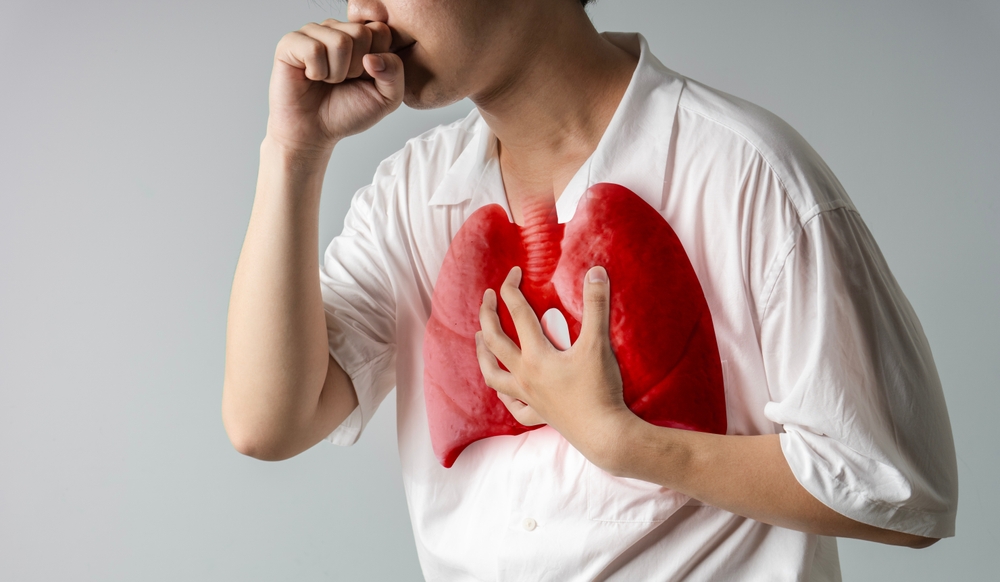
At its core, vaping is a delivery system. According to Dr. Stephen Broderick, a lung cancer surgeon at Johns Hopkins, the device heats liquid into an aerosol that users inhale directly into their lungs. He explains that in the past two to three years, he has seen an explosive increase in patients who vape.
Unlike traditional cigarettes, which burn tobacco and release smoke, e-cigarettes heat a liquid mixture that typically contains flavorings, nicotine or THC, and an oily base such as propylene glycol or vegetable glycerin.
While many flavoring ingredients are considered safe to eat, inhalation is a different biological pathway entirely. The digestive system filters and processes substances through the liver. The lungs do not. Chemicals inhaled through vapor reach lung tissue and enter the bloodstream within seconds.
Researchers believe that vaporized oil particles travel deep into the bronchial tree, triggering inflammation. Over time, repeated exposure may weaken the integrity of lung tissue and damage the cells responsible for oxygen exchange.
Dr. Broderick has noted that with tobacco, scientists have decades of data identifying which of the 7,000 chemicals in smoke cause harm. With vaping, that long-term research simply does not exist yet. The products have not been around long enough to understand the full scope of consequences.
The Hidden Chemistry Behind Sweet Flavors
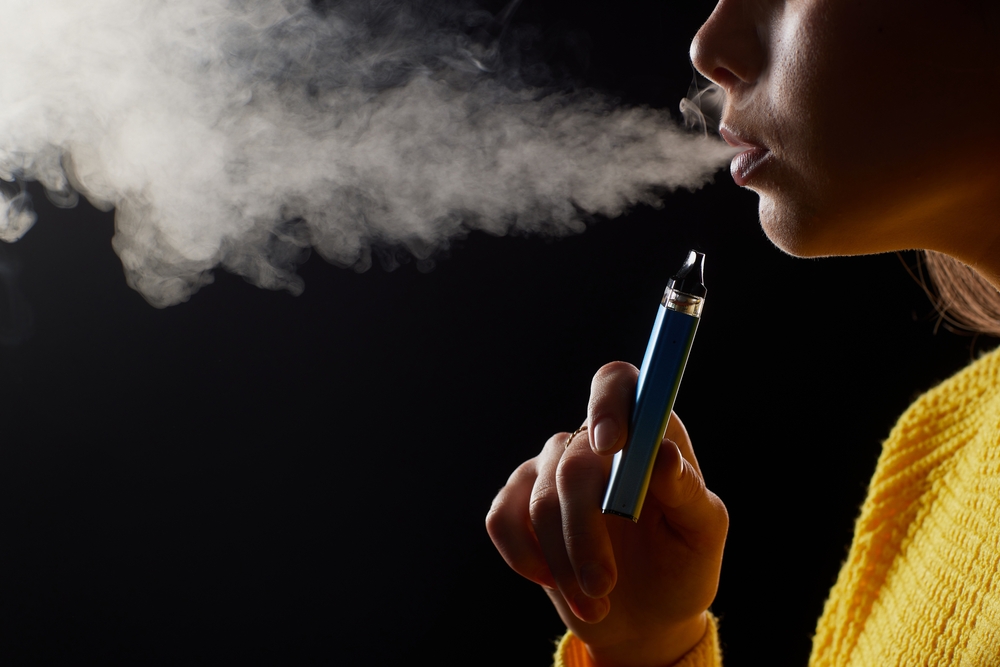
One of the most concerning elements of vaping is the flavoring system itself.
There are more than 180 flavoring agents commonly used in e-liquids. When heated, these chemicals can form new compounds that scientists are still working to identify and understand.
Diacetyl, the chemical once linked to popcorn factory worker illnesses, has been detected in some flavored vape products. Although certain manufacturers have removed diacetyl, replacements such as acetoin may carry similar risks.
In a study published in the journal Scientific Reports, researchers from the University of Rochester Medical Center used mass spectrometry to analyze chemicals in flavored vaping pods. They identified nearly 40 distinct chemical compounds in just seven popular flavors. These included hydrocarbons and volatile organic compounds, substances known to be harmful when inhaled.
When scientists exposed human lung tissue to aerosolized vapor from these flavored pods, they observed:
- Inflammation in bronchial epithelial cells
- Degradation of the protective lining of lung tissue
- Immune cell dysfunction
- DNA damage that may increase long-term cancer risk
Professor Irfan Rahman, the study’s lead author, stated that while flavor names such as mango, mint, or cucumber may seem harmless, they are created from chemical formulations that can provoke cellular damage. The research found that even menthol, which remains widely available, caused similar levels of harm.
This challenges a common perception that only certain flavors are dangerous. The evidence suggests that the flavoring process itself may be part of the problem.
Beyond Popcorn Lung: Other Serious Respiratory Conditions

Popcorn lung is not the only concern.
Medical experts have linked vaping to several other respiratory illnesses that are increasingly appearing in clinical settings.
Vaping-Related Lipoid Pneumonia
Lipoid pneumonia develops when fatty substances enter the lungs and trigger inflammation. In vaping-related cases, oily compounds in e-liquids appear to accumulate in lung tissue.
Symptoms can include:
- Persistent cough
- Shortness of breath
- Coughing up blood-tinged mucus
There is no targeted cure. Treatment generally involves supportive care while the lungs attempt to heal themselves. The most important step is eliminating the source of exposure.
Primary Spontaneous Pneumothorax

Doctors at Johns Hopkins report an increase in younger patients experiencing collapsed lungs. Known medically as primary spontaneous pneumothorax, this condition occurs when air leaks into the space between the lung and chest wall.
Tall, thin adolescents who have recently experienced rapid growth may develop small air blisters at the top of their lungs. Smoking has long been associated with rupturing these blisters. Now vaping appears to carry similar risks.
Symptoms include:
- Sudden sharp chest or shoulder pain
- Difficulty breathing
- Rapid onset shortness of breath
Some cases resolve with oxygen and rest. Others require chest tubes or surgery.
The 2019 EVALI Crisis
In 2019, hospitals across the United States reported a surge in severe lung injuries linked to vaping. The condition became known as EVALI, short for e-cigarette or vaping-associated lung injury. Investigations identified vitamin E acetate as a key contributor in many THC-containing products.
Vitamin E is safe when used on the skin or taken orally. When inhaled, however, it can irritate and inflame lung tissue. The EVALI outbreak served as a wake-up call that aerosolized chemicals behave differently inside the lungs than they do in other parts of the body.
Nicotine’s Impact on the Developing Brain

While lung damage is deeply concerning, nicotine addiction remains another critical issue.
Most e-cigarettes contain nicotine, a highly addictive substance that poses unique risks to adolescents. Brain development continues until around age 25. Nicotine exposure during this period can interfere with areas responsible for attention, learning, mood regulation, and impulse control.
Health authorities warn that youth can show signs of addiction quickly, sometimes before daily use begins.
Signs of nicotine addiction include:
- Intense cravings
- Irritability when not using
- Difficulty concentrating
- Increased tolerance, requiring higher doses
Withdrawal symptoms may involve anxiety, restlessness, sadness, sleep disruption, and increased appetite.
Research also suggests a connection between nicotine use and mental health challenges among young people. Many middle and high school students report using e-cigarettes because they feel anxious or stressed. Yet nicotine withdrawal itself can intensify those same feelings, creating a cycle that is difficult to break.
Secondhand Vapor and Hidden Risks
Another persistent myth is that secondhand vapor is harmless water mist.
In reality, exhaled aerosol can contain:
- Nicotine particles
- Ultrafine particles that penetrate deep into the lungs
- Diacetyl
- Benzene and other volatile organic compounds
Although exposure levels may differ from direct use, health experts recommend minimizing exposure, especially around children and pregnant women.
Pregnancy and Vulnerable Populations

E-cigarette use during pregnancy raises additional concerns. Nicotine is toxic to developing fetuses and has been associated with low birth weight and preterm birth. It can damage a fetus’s developing brain and lungs.
Young children are also at risk from accidental exposure. Poison control centers report that a significant percentage of calls related to e-cigarettes involve children under five years old who have swallowed or absorbed vaping liquid.
Battery malfunctions and explosions have led to burns and injuries as well, particularly during charging.
Are E-Cigarettes Safer Than Traditional Cigarettes?
Some experts acknowledge that e-cigarettes generally contain fewer harmful chemicals than combustible tobacco smoke. Traditional cigarettes release thousands of chemicals through combustion.
However, fewer chemicals does not mean safe.
Scientists emphasize that vaping products have not been in widespread use long enough to determine long-term cancer risks. Dr. Broderick has pointed out that if small particles from cigarette smoke can lodge deep in the bronchial tree and trigger cancer, it is reasonable to question whether vaporized particles may do something similar.
Dual use, meaning smoking cigarettes and vaping simultaneously, may actually increase exposure to toxins rather than reduce it.
For adults who already smoke, some public health agencies suggest that switching completely to e-cigarettes may reduce exposure compared to continuing combustible tobacco. But for youth, non-smokers, pregnant women, and former smokers, health authorities are clear that no tobacco product is safe.

Regulation, Transparency, and Public Awareness
One of the challenges regulators face is transparency. While manufacturers disclose base ingredients such as propylene glycol and vegetable glycerin, many do not list the specific chemicals used to create flavor profiles.
The University of Rochester study found dozens of undisclosed compounds in a limited sample of pods. Across the broader market, thousands of flavor variations exist.
Some states have moved to restrict flavored vape sales. Major brands have halted certain flavored products. Yet independent manufacturers continue to produce an estimated thousands of flavored options.
Public health experts argue that stronger oversight could include:
- Clear labeling of all chemical ingredients
- Pre-market safety testing of inhaled compounds
- Stricter age verification enforcement
- Education campaigns aimed at youth and parents
Without these measures, experts warn that cases of preventable lung injury may continue to rise.
A Cultural Shift That Happened Fast
Vaping technology has existed for only a short period compared to traditional tobacco. Yet its rise among teenagers has been rapid.
Sleek devices resembling flash drives made concealment easy. Social media amplified trends. Flavors masked the harshness traditionally associated with smoking.
What began as a harm-reduction tool for adult smokers evolved into a widespread youth phenomenon.
Now the medical community is racing to catch up.
Recognizing Warning Signs

Doctors urge individuals who vape not to ignore respiratory symptoms.
Seek medical attention if you experience:
- Persistent chest pain
- Ongoing cough
- Wheezing
- Shortness of breath
- Fatigue during light activity
Early evaluation may not reverse damage already done, but it can prevent worsening exposure and identify complications before they escalate.
What This Means for Families and Young People
For many parents, vaping seemed less threatening than cigarettes. It did not leave behind ash or a lingering smoke smell. It carried a modern, almost clinical aesthetic.
But the emerging research tells a more complicated story.
Flavored e-cigarettes are not simply harmless water vapor. They are chemical delivery systems that introduce compounds deep into delicate lung tissue. Some of those compounds trigger inflammation. Some degrade cell integrity. Some damage DNA. Others create dependency that can last for years.
The long-term picture is still forming, but early signals are strong enough to warrant caution.
A Moment for Reflection
Public health history is filled with examples of products that were once widely accepted before their risks became clear. It often takes years, even decades, for science to fully understand the consequences of new technologies.
With vaping, that timeline is unfolding in real time.
For young people, the appeal of flavors and peer acceptance can overshadow invisible risks. For adults seeking alternatives to smoking, the decision can feel complicated.
But one truth is becoming harder to ignore. Inhaling heated chemical mixtures into the lungs is not without consequence. For some, the consequences are already permanent.
The conversation about vaping is no longer just about preference or lifestyle. It is about long-term health, transparency, and protecting developing lungs from harm that cannot be reversed.
As research continues, awareness may be the most powerful preventive tool available.