
Your cart is currently empty!
How Dexter’s Law Could Save Thousands of Shelter Animals
Florida is preparing to take a step that animal advocates across the country have pushed for years, and it is a move rooted in one of the most disturbing animal cruelty cases the state has ever seen.
Contents
show
Beginning January 1, 2026, Florida will officially launch a statewide, publicly searchable animal abuse database. The registry will list individuals who have been convicted of, or pleaded guilty or no contest to, animal cruelty offenses. For the first time, shelters, rescue organizations, pet sellers, and everyday residents will have a centralized way to check whether someone seeking an animal has a documented history of abuse.
Supporters say the new law closes a dangerous loophole that allowed convicted abusers to adopt again with little oversight. Critics raise questions about due process and long term consequences. But at the center of the legislation is a dog named Dexter, whose brutal death galvanized lawmakers, animal welfare advocates, and ordinary residents across Florida.
The Case That Sparked a Statewide Reckoning
In May 2024, a four year old black and white bulldog mix named Dexter was adopted from Pinellas County Animal Services. Like many shelter dogs, his history was unknown, but staff believed he was being placed into a new beginning. That hope lasted just four days.
Dexter’s body was discovered floating in the mangroves of Fort DeSoto Park. Investigators later revealed that he had been decapitated, dismembered, and placed inside a plastic bag before being dumped. The details shocked even seasoned law enforcement officers.
Surveillance footage showed the adopter, Domingo Rodriguez, visiting the park with a cooler shortly after Dexter was adopted. Dexter’s microchip helped deputies trace the dog back to Rodriguez, tying the crime directly to the person entrusted with his care.
Rodriguez was later convicted of aggravated animal cruelty and unlawful disposal of an animal’s body. Although he received a jail sentence, he was released on bond while his appeal was pending. For many Floridians, the outcome felt deeply unsatisfying given the brutality of the crime.
Animal advocates argue that Dexter’s death exposed weaknesses in the adoption and sentencing systems. Without a centralized way to track offenders, individuals with violent tendencies toward animals were able to move through shelters and rescues without meaningful scrutiny.
What Exactly Is Dexter’s Law
Dexter’s Law, formally known as House Bill 255, was created to address those failures. The legislation requires the Florida Department of Law Enforcement to establish and maintain a public database of individuals who have been convicted of animal cruelty or who have entered guilty or no contest pleas.
The database must be live by January 1, 2026 and will be searchable statewide. This marks a major shift from Florida’s previous approach, which relied on scattered county level registries that varied widely in quality, accessibility, and enforcement.
In addition to the registry, Dexter’s Law strengthens criminal penalties by introducing a new sentencing multiplier for aggravated animal abuse. When a crime involves the intentional torture, torment, mutilation, or killing of an animal, sentencing points under Florida’s Criminal Punishment Code are increased. This change gives judges more flexibility to impose longer jail or prison sentences for the most severe cases.
Lawmakers initially debated broader restrictions, including automatic bans on animal ownership and mandatory offender notifications. While those measures were not included in the final version, supporters say the law establishes a foundation that future legislatures can build upon.
Why a Public Registry Matters to Shelters and Rescues
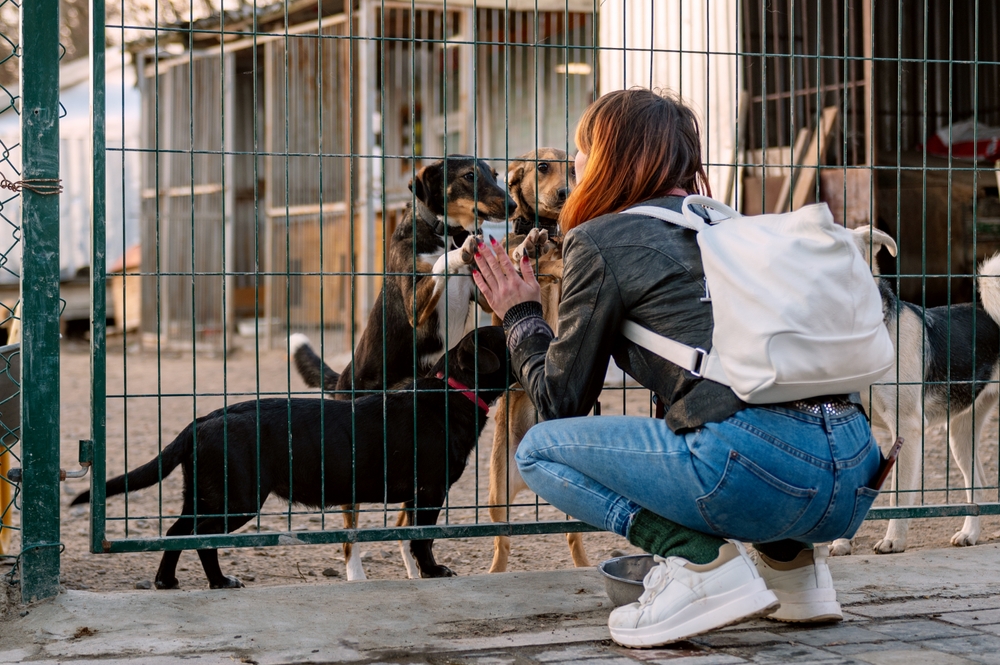
For animal shelters and rescue organizations, Dexter’s Law represents a fundamental shift in how adoptions can be screened and evaluated.
Before this law, Florida relied on a patchwork of local animal abuse registries. Some counties maintained lists, others did not. Time limits, eligibility rules, and data accuracy varied widely. An individual barred from adopting in one county could often cross county lines and adopt elsewhere with no indication of prior abuse.
A statewide database removes that inconsistency. Shelters and rescues will be able to screen potential adopters regardless of where a prior offense occurred. This reduces the likelihood that animals are placed into dangerous situations simply because information was unavailable.
Advocates emphasize that the registry is not meant to punish indefinitely. Instead, it is designed to give organizations the information they need to make informed decisions and protect animals from preventable harm.
The Link Between Animal Abuse and Broader Violence
One of the most compelling arguments behind Dexter’s Law is the growing body of research linking animal cruelty to other forms of violence.
Psychologists and criminologists have documented strong correlations between animal abuse and domestic violence, child abuse, and violent crime. In many cases, cruelty toward animals appears early in a pattern of escalating behavior.
Mental health professionals argue that identifying animal abuse is a form of early intervention. When cruelty is taken seriously and addressed, it can interrupt cycles of violence before they extend to people.
Supporters of Dexter’s Law believe that treating animal cruelty as a serious offense sends a broader message about accountability and community safety. From this perspective, the registry serves not only animals but society as a whole.
How Florida’s Law Compares to Other States
Florida is not the first jurisdiction to create an animal abuse registry, but it is among a relatively small number that have implemented one at the statewide level.
Tennessee launched a public registry for felony animal cruelty convictions in 2016. New York City, along with Suffolk County in New York and Cook County in Illinois, operates local registries. Other states have proposed similar legislation but have not yet established permanent systems.
What sets Florida apart is the combination of a public database with enhanced sentencing provisions. Lawmakers framed Dexter’s Law as part of a broader modernization of how animal cruelty cases are handled within the justice system.
Critics Raise Concerns About Scope and Fairness
Despite widespread support, Dexter’s Law has not been without criticism.
Some legal experts argue that public registries can create unintended consequences, particularly for individuals whose cases did not involve severe violence or who have completed court mandated rehabilitation. Others question how long names should remain on the list and whether there should be clearer pathways for removal.
There are also concerns about misuse of information, including harassment or vigilantism. Critics caution that public accountability must be balanced with safeguards that prevent harm beyond the scope of the law’s intent.
Lawmakers respond that the registry includes only individuals who have been processed through the criminal justice system and that protecting animals must remain the primary priority.
Dexter’s Law Within a Broader Legislative Shift
Dexter’s Law is part of a larger trend in Florida toward strengthening animal welfare protections.
During the same legislative session, lawmakers passed Trooper’s Law, which made it a felony to restrain or abandon animals outdoors during declared natural disasters. The Pam Rock Act imposed stricter requirements on owners of dogs previously declared dangerous.
Together, these laws reflect a growing recognition that animal welfare is tied to public safety, community standards, and ethical responsibility.
Breed Bias, Shelter Reform, and Prevention
While Dexter’s Law focuses on preventing repeat abuse, advocates stress that effective prevention requires broader reforms.
Some Florida shelters have moved away from breed labels, choosing instead to describe dogs by personality, behavior, and appearance. Research has shown that visual breed identification is often inaccurate and that stigmatized labels can dramatically reduce adoption chances.
Advocates argue that screening adopters and reforming shelter practices must go hand in hand. Protecting animals means ensuring they are placed with responsible caregivers while also removing systemic barriers that lead to unnecessary euthanasia.
What the Database Will and Will Not Do
The animal abuse registry will provide a centralized list of individuals convicted of animal cruelty and allow shelters, rescues, and pet sellers to screen applicants more effectively.
However, the database will not automatically ban individuals from owning animals statewide, nor will it replace judicial discretion in sentencing. Cases of neglect that never result in convictions will also fall outside its scope.
Supporters emphasize that the registry is one tool among many. It fills a critical gap but does not address every aspect of animal welfare enforcement.
Why Dexter’s Story Still Resonates
Dexter’s name has become a symbol of both loss and reform. His case is frequently cited in legislative debates, advocacy campaigns, and public discussions about animal cruelty.
For many Floridians, the idea of a shelter dog adopted in good faith only to be brutally killed days later is impossible to forget. That emotional response helped drive momentum for a law that had stalled under previous names and proposals.
Advocates say remembering Dexter is not about reliving trauma. It is about honoring a life that, while short, helped inspire systemic change.
Preparing for 2026 and Beyond
As Florida prepares to launch the registry in 2026, implementation details will be critical. Accuracy, oversight, and accessibility will determine whether the system earns public trust.
Animal welfare groups plan to monitor whether the registry leads to fewer repeat offenses and safer adoption outcomes. Lawmakers may revisit additional restrictions or funding mechanisms based on early results.
Other states are watching closely. If Florida’s approach proves effective, it could serve as a model for similar legislation nationwide.
A Moment for Reflection
Dexter’s Law forces an uncomfortable but necessary conversation about how society responds to animal cruelty.
Animal abuse is no longer viewed solely as a private matter or minor offense. It is increasingly recognized as a serious act with real consequences for communities.
Dexter never had a chance to grow old in a loving home. But his story has already shaped protections that may save countless animals from similar harm. In that sense, the law bearing his name represents more than accountability. It reflects a growing belief that compassion, transparency, and prevention belong at the heart of animal welfare policy.