
Your cart is currently empty!
Gas vs Groceries: How These Americans Are Sacrificing Meals for Mileage
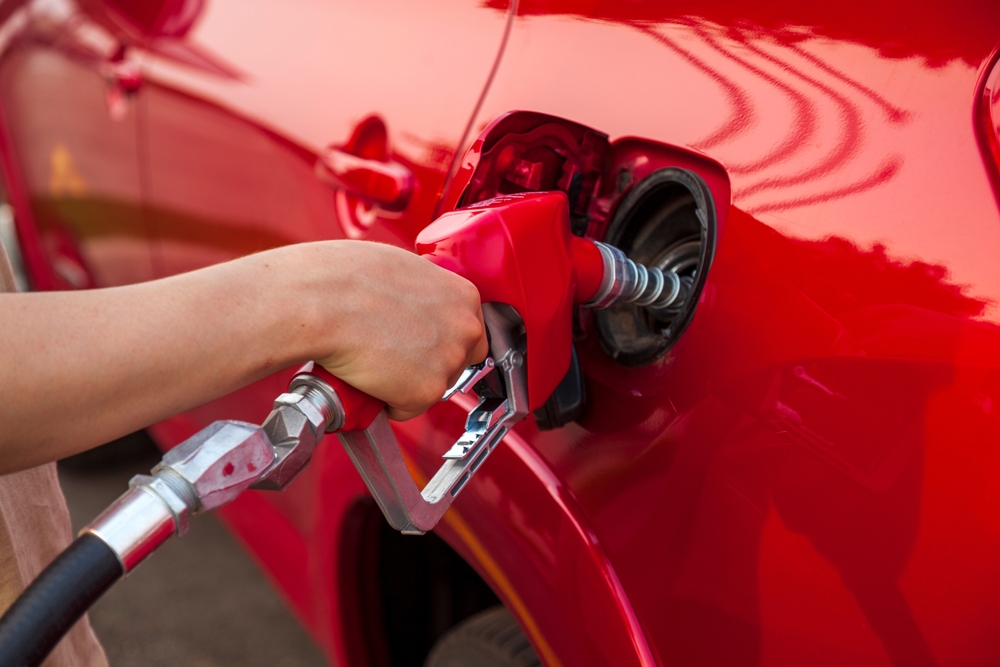
The morning drive to work used to be just another part of the day. Now, watching the numbers tick up at the gas pump brings a wave of real financial dread. With fuel costs rising sharply in recent weeks, a routine trip to the gas station is forcing households into a harsh balancing act.
Contents
show
Affording the commute increasingly means cutting back on basic necessities, and for a growing number of people, that sacrifice is happening right at the grocery checkout. When the price of getting to a job starts eating into the weekly food budget, ordinary families are left navigating a stressful reality where filling the gas tank competes directly with filling the fridge.
Trading Meals for Mileage

The recent surge in fuel costs has forced many Americans into a harsh daily calculus, pitting the necessity of commuting against the fundamental need for nourishment. With the national average for a gallon of gas climbing by more than a dollar within a single month, household budgets are buckling under the pressure. For a growing number of people, this financial strain translates directly into missed meals.
Sarah Lawhun, a 31-year-old environmental scientist living near Albany, New York, exemplifies this sudden struggle. Facing a 50-mile roundtrip commute, she has seen her fuel expenses rise by nearly $70 this month. To offset the deficit, she skips lunch entirely. While bringing homemade meals previously kept her budget in check, omitting the midday meal saves an additional $30 a week but leaves her fatigued and hungry. Furthermore, she has reduced her purchases of fresh meats and vegetables, turning instead to discount grocers to manage her existing expenses.
“None of us needed gas prices to go up in addition to everything else,” Lawhun stated. “It’s really, really hard to get ahead.”
The psychological and financial toll of these compromises is significant. Diane Swonk, chief economist at KPMG, highlighted the vulnerability of consumers navigating these abrupt increases. “This is worrisome, especially for those who have the least ability to weather the storm,” Swonk observed. When mandatory expenses like transportation become unmanageable, the immediate consequence is often a compromised diet and a profound sense of economic insecurity.
Rethinking the Daily Drive: Fewer Trips, Tighter Budgets

High gas prices do more than just empty wallets at the pump; they change how people live their day-to-day lives. A car usually represents freedom and convenience, but right now, it feels more like a growing monthly bill. To cope with the financial strain, families are thinking twice before turning the ignition. They are grouping their weekly errands into single trips, putting weekend getaways on hold, and asking employers if they can work from home more often.
The math makes the problem clear. The average American household uses about 50 to 60 gallons of gas every month. When prices stay high, that mandatory cost eats up a huge chunk of a family budget. Since people cannot simply stop commuting to work or school, they are forced to alter their routines.
Stephanie Valdez Streaty, director of industry insights at Cox Automotive, points out that these immediate lifestyle adjustments are the most obvious result of expensive gas. “The near-term impact is more likely to show up in household behavior with fewer trips and cutbacks elsewhere,” Valdez Streaty explained.
These cutbacks ripple quickly through the local economy. Money that a family might normally spend at a neighborhood restaurant, a movie theater, or a retail store is now going straight into the gas tank. And while switching to a more fuel-efficient or electric car sounds like a smart solution, the high upfront price tag of a new vehicle makes it impossible for most average commuters right now. Until prices drop at the station, the only real option for many is to stay closer to home and spend less on the extras.
The Ripple Effect on Supermarket Shelves

The financial strain of an expensive commute is only the first hurdle families are facing. Unfortunately, the sting of high gas prices does not stay confined to the local service station. Because fuel is the engine that powers the global supply chain, a spike in oil inevitably makes its way onto the supermarket shelves, inflating the cost of the very food people are already struggling to afford.
Currently, the national average for gas hovers near four dollars a gallon, a steep increase of over a dollar in just a few weeks. However, the price of diesel fuel, which powers the vast majority of transport trucks, has surged even higher. Since approximately 85 percent of all agricultural goods travel by truck, these elevated transportation costs are quickly passed directly down to the consumer.
Alex Jacquez, chief of policy and advocacy at the Groundwork Collaborative, explains that this chain reaction happens in distinct stages. While the immediate shock is felt at the gas pump, the secondary impacts hit everyday commodities soon after. “It’s just a matter of when they work their way through the supply chains,” Jacquez noted. “Eventually some of these increases we’ve seen are going to get passed through, if they get large enough.”
This dynamic creates a brutal scenario for the average shopper. Not only do individuals have less money in their pockets after filling their gas tanks, but the groceries they need to buy with that remaining cash are simultaneously becoming more expensive. For households already managing a tight budget, this invisible tax on essentials forces impossible choices between securing enough food for the week and simply keeping enough gas in the car to get to work.
Working Harder, Falling Further Behind

The surge in fuel costs does not impact all demographics equally. Economists categorize gas as a highly regressive expense, meaning it consumes a significantly larger percentage of a lower-income paycheck. For vulnerable households, including single parents and hourly wage earners, this sudden price spike is rapidly eroding any fragile financial cushions they had managed to build.
Many families rely on annual tax refunds to catch up on past-due bills or replenish depleted savings. However, researchers at the Stanford Institute for Economic Policy Research warn that the current trajectory of fuel costs threatens to wipe out these anticipated tax refunds entirely. Because commuting is largely non-negotiable, workers with the tightest budgets are forced to absorb the shock without any room to maneuver.
This lack of choice creates a compounding crisis for those already living paycheck to paycheck. Chastity Lord, president of the Jeremiah Program, an organization that supports low-income single mothers, observes this harsh reality daily. “Gas cuts through everything,” Lord stated. “You’re already underwater, and it’s almost like the gas puts weights on your feet.”
This reality is especially devastating for those in the gig economy. For example, a single mother in Connecticut commuting to two healthcare jobs recently found her monthly budget drained by an unexpected $160 increase in fuel costs. While she previously drove for ride-sharing apps on the weekends to supplement her income, she was recently forced to stop. The inflated price of gas completely erased her potential profits. This painful paradox leaves the most vulnerable Americans trapped in a cycle where it costs too much to go to work, leaving them falling further behind despite their best efforts.
Surviving the Price Surge

When money gets this tight, finding wiggle room in a monthly budget is tough but necessary. Since nobody can control the global price of oil, the best immediate step is looking closely at personal spending. Financial experts suggest checking bank statements for forgotten monthly subscriptions or automatic payments. Canceling a few unused streaming services or app memberships can free up just enough cash to cover an extra tank of gas or a few days of groceries.
Sometimes, cutting back is not enough. When paychecks simply cannot keep up with the cost of basic needs, leaning on community resources is a smart and practical choice. Food banks nationwide are seeing an influx of first-time visitors who work full-time but still need help bridging the gap. Using a local pantry ensures families stay fed while keeping enough gas in the car to get to work. On the commuting side, setting up neighborhood carpools or asking employers to shift work hours to avoid heavy traffic can also stretch a tank of gas much further.
The current pain at the pump proves just how heavily daily life relies on affordable fuel. Getting through this expensive season means making tough choices and asking for help when necessary. By tightening up expenses, sharing rides, and using local support networks, households can manage the immediate strain. At the same time, this crisis serves as a harsh reminder that communities need more accessible and affordable transportation options going forward.