
Your cart is currently empty!
“God Is Good” A Downed Pilot’s Three Words That Sparked a Trap Scare
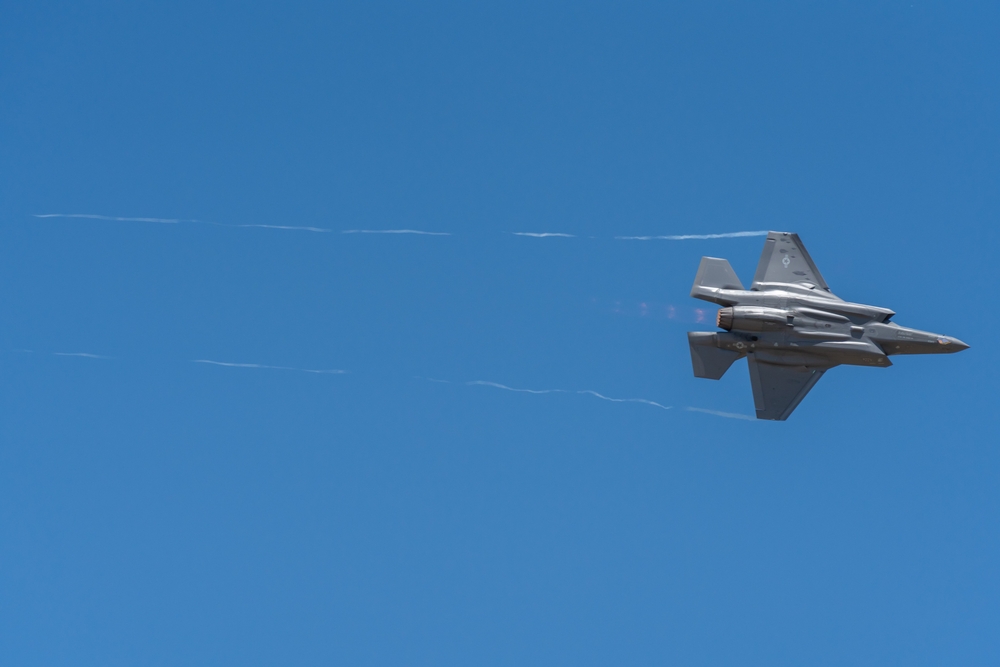
Somewhere high in Iran’s Zagros Mountains, a wounded American weapons officer wedged himself into a rock crevice, alone, bleeding, and armed with nothing but a handgun. He had climbed thousands of feet on an injured body, evading Iranian search parties closing in from every direction. When he finally broke radio silence, he transmitted just three words. And those three words nearly derailed his own rescue.
Contents
show
His F-15E Strike Eagle had gone down over Iran on Good Friday. One crew member was pulled out within hours. But for 36 hours, nobody knew whether the second airman was alive, captured, or dead. What followed became one of the most harrowing combat rescues in recent American military history, a mission that involved SEAL Team 6, CIA deception operations, drone firefights, destroyed aircraft, and a race against a $60,000 bounty.
Shot Down Over Isfahan
On Friday morning, April 3, an F-15E Strike Eagle flying a combat mission near the village of Talkhuncheh in Isfahan Province took a hit from Iranian fire. Tehran claimed it had deployed new anti-aircraft weapons, and suspicion fell on an advanced passive infrared detection system that may have guided a missile toward the jet. President Trump would later characterize the shootdown differently, saying Iran fired a shoulder-launched missile and simply “got lucky.”
Both crew members ejected. One was the pilot. His backseater, a lieutenant colonel serving as weapons systems officer, sustained injuries during the violent ejection sequence and became separated from his colleague almost immediately.
One Rescued, One Still Missing
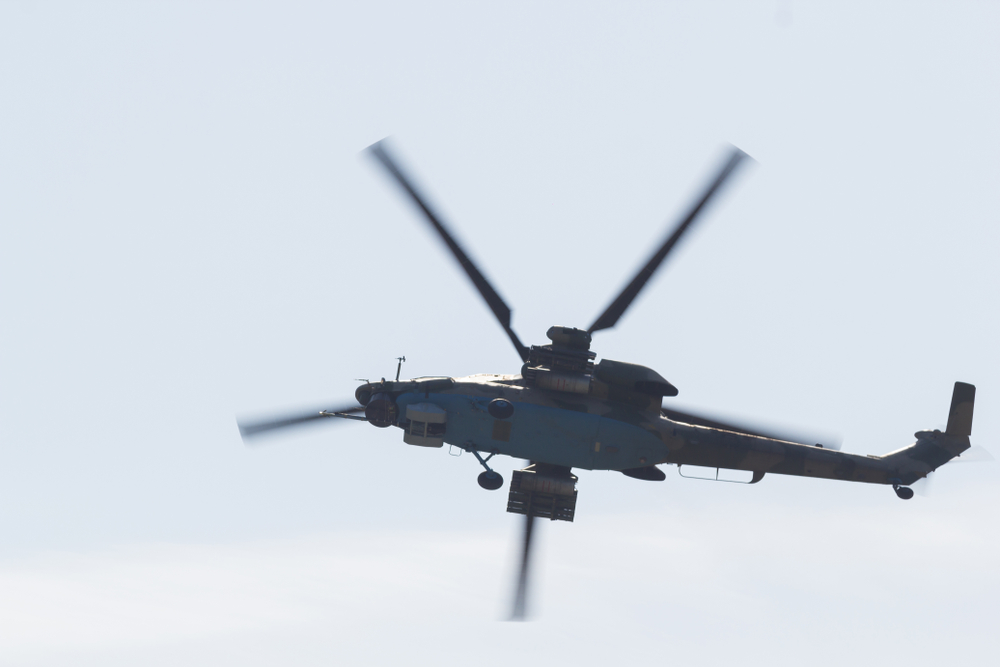
Within hours, HH-60W Jolly Green II helicopters crossed into Iranian airspace under heavy fire to reach the downed crew. Rescue teams located and extracted the pilot on Friday, but Iranian ground forces made it impossible to reach the weapons officer. Two helicopters absorbed direct hits during the attempt; their crews suffered injuries but managed to escape. An A-10 Warthog providing close air support also took damage and later went down in the Strait of Hormuz.
By Friday evening, one American was safe. Another remained deep inside enemy territory with no extraction plan and no guarantee anyone could reach him.
A 7,000-Foot Climb on a Broken Body
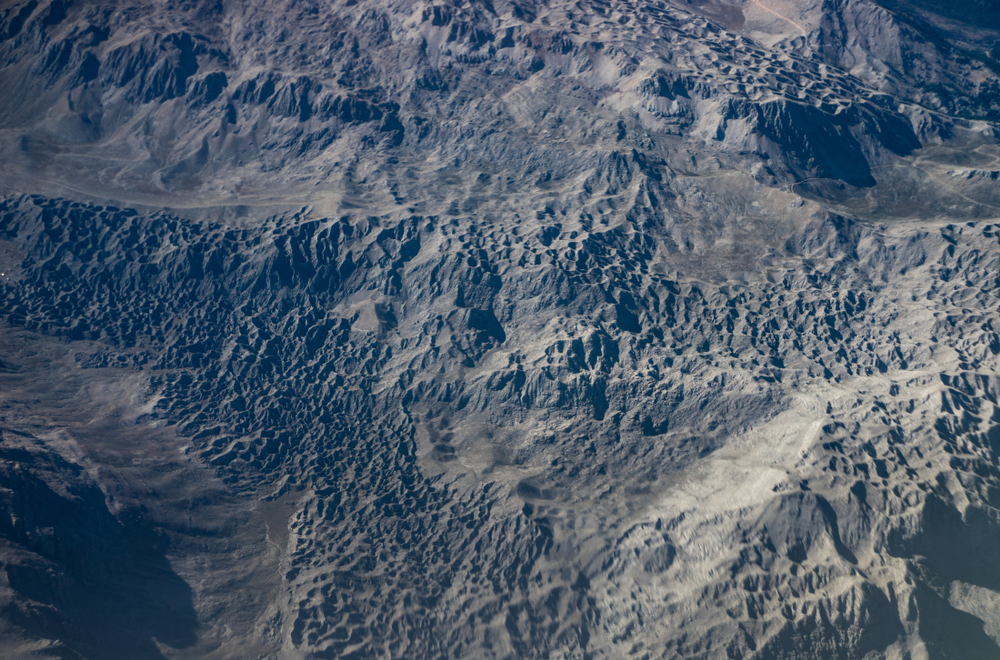
Injured but still mobile, the colonel fell back on years of SERE training, Survival, Evasion, Resistance, and Escape, a doctrine drilled into every American combat aircrew. Rather than shelter near the wreck site, where Iranians would concentrate their search, he moved. Over the next several hours, he hiked roughly 20 kilometres and climbed 7,000 feet into the rugged Zagros range, putting as much vertical distance between himself and his pursuers as his broken body would allow.
He activated his emergency beacon, knowing it was a gamble. Rescuers could track his signal, but so could Iranian forces. Finding a narrow crevice high on a mountain ridge, he wedged himself inside and waited.
Three Words That Raised Red Flags
From his hiding spot, the colonel transmitted a short radio message. According to a defense official who spoke with Axios, those words were “God is good.” President Trump recalled the phrase slightly differently as “Power be to God,” but both accounts agreed on one point that it sounded wrong.
Trump told Axios bluntly that the message “sounded like something a Muslim would say,” drawing an immediate comparison to “Allahu Akbar,” or “God is great.” Senior officials feared Iran had captured the airman and was now broadcasting false signals to bait a rescue team into an ambush. If American special operators flew into those mountains based on a compromised signal, they could walk straight into a trap with catastrophic consequences.
For a tense stretch, nobody in Washington could say with certainty whether the voice on the radio belonged to a free man or a prisoner.
Intelligence teams worked to verify the signal. Military personnel who knew the colonel personally confirmed he was deeply religious and that such a phrase fit his character. A defense official later told Axios that early on, nothing was completely clear, but teams stuck with the analysis and confirmed he was alive and free. With that confirmation, the rescue machine kicked into gear.
A Bounty and a Mountain Manhunt
Iran’s military wasted no time. A $60,000 reward went out for the colonel’s capture, modest by Western standards but a small fortune in rural Iran. Bakhtiari tribesmen in Khuzestan Province grabbed rifles and headed into the mountains. Trump described the scene in stark terms, telling Axios that thousands of armed Iranians, including civilians, were scouring the terrain for one wounded American.
Overhead, American MQ-9 Reaper drones kept a constant watch. Any Iranian search party that wandered within three kilometres of the colonel’s position drew missile fire. At least two drones were shot down during these engagements, and multiple Iran Revolutionary Guard Corps teams came under attack. A deadly game of hide-and-seek played out across ridgelines and valleys, with the colonel’s life hanging in the balance of American drone operators’ ability to keep a perimeter around a man they could track but not yet reach.
CIA Misdirection
While drones fought to keep Iranians at bay, the CIA opened a second front in an information war. Agency operatives planted fabricated intelligence suggesting the officer had already been rescued and was being driven out of Iran by ground vehicle. Iranian forces took the bait, redirecting search efforts away from the colonel’s actual position in the mountains.
CIA Director John Ratcliffe later described the challenge of locating the airman as trying to find “a single grain of sand in the middle of a desert.” He told reporters at a White House briefing that speed was everything and that keeping Iran’s forces misdirected while racing to confirm the colonel’s position had been an operation within an operation.
Intelligence assessments after the rescue indicated that Iran’s military establishment was deeply embarrassed by how events unfolded, according to Ratcliffe.
SEAL Team 6 Goes In
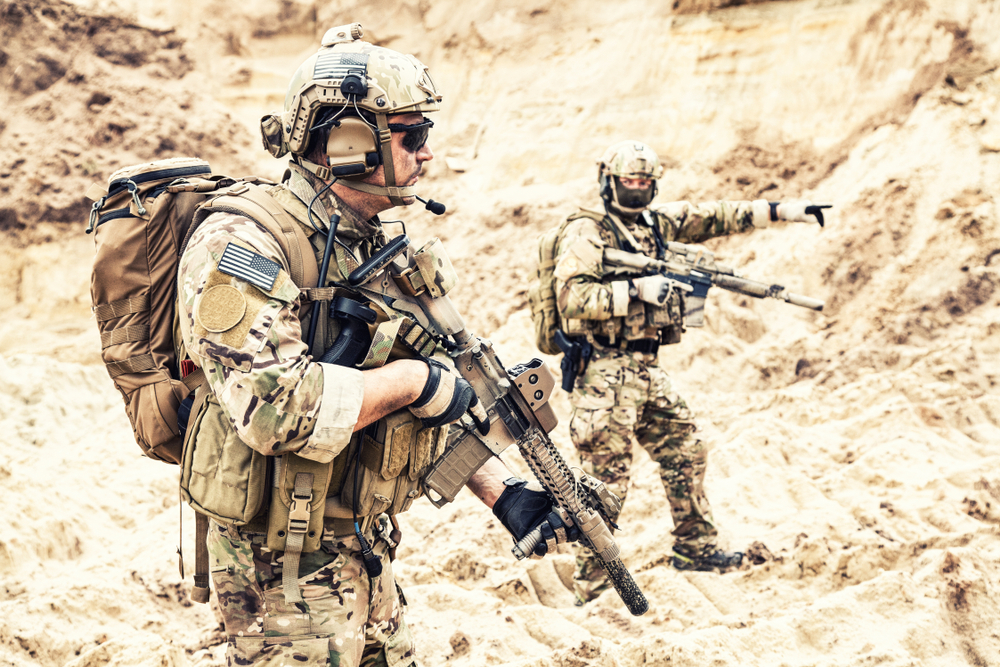
By Saturday morning, planners had seen enough. A second rescue mission was launched, and it carried far more firepower than the first attempt. SEAL Team 6, known formally as DEVGRU, led the operation. Delta Force commandos and Army Rangers stood by as backup. In total, roughly 200 special operations personnel took part.
Commandos landed at a desert airstrip near the town of Mahyar. From there, four MH-6 Little Bird helicopters, small, fast, and built for exactly this kind of mission, flew to the mountaintop where the colonel had been hiding for more than a day. They extracted him and returned to the airstrip.
A firefight broke out almost immediately. Local militias, drawn by the noise and the bounty, engaged American forces on the ground.
Stuck in the Mud
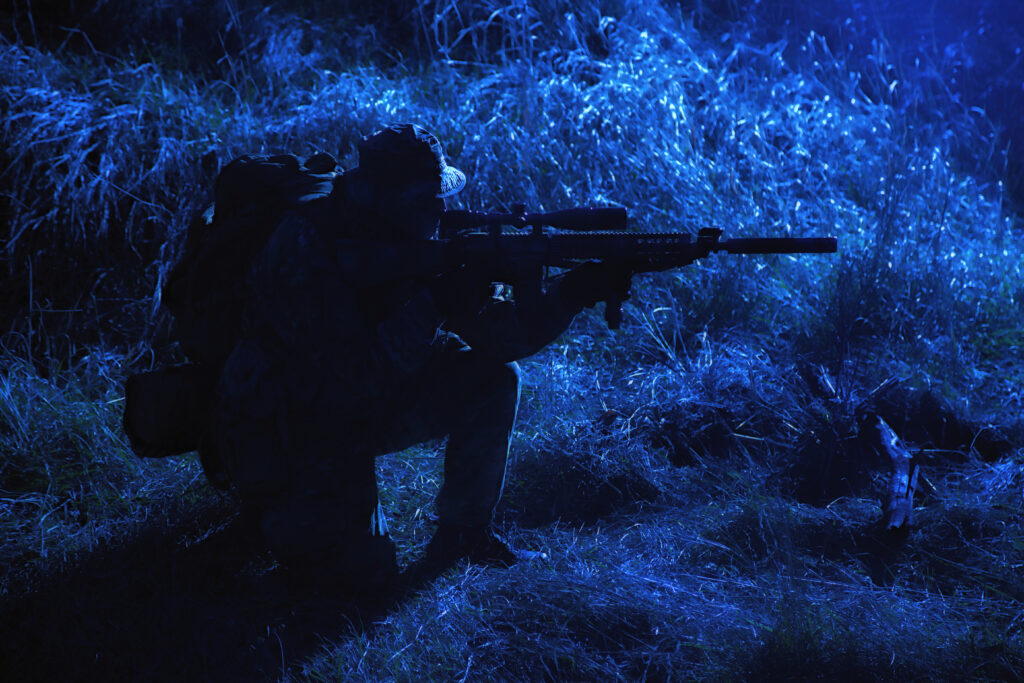
What happened next nearly turned triumph into disaster. At the desert landing strip, two C-130 transport planes became mired in soft ground. At least one helicopter suffered the same fate. Dozens of American personnel, including the newly rescued colonel, were now stranded on an improvised airfield with Basij fighters closing in.
Commanders ordered three replacement Dash-8 aircraft to the site. Under advancing Iranian fire, commandos loaded the colonel and all personnel aboard the new planes. Before departing, they destroyed their own stranded aircraft, two C-130s, and at least one helicopter to prevent them from falling into Iranian hands. Explosions lit up the desert as millions of dollars in American hardware were reduced to smoking wreckage.
Everyone made it out. A rescue plane flew the injured colonel to Kuwait for medical treatment. American forces reported zero casualties across the entire operation.
“A Pilot Reborn”
Chairman of the Joint Chiefs of Staff Gen. Dan Caine confirmed the colonel cleared Iranian airspace by midnight on Easter Sunday. At a White House briefing on Monday, Defense Secretary Pete Hegseth framed the rescue in terms that blurred military operation and religious parable.
“Shot down on Good Friday, hidden in a cave, a crevice, all of Saturday and rescued on Sunday,” Hegseth said. “Flown out of Iran as the sun was rising on Easter Sunday. A pilot reborn. All home and accounted for, a nation rejoicing. God is good.”
Hegseth posted that same phrase, “God is good” on X shortly after the rescue, echoing the very words that had nearly prevented it.
Caine praised the colonel’s survival instincts, saying the officer’s absolute commitment to staying alive made rescue possible. Armed with nothing but a handgun, the colonel had used, in Caine’s words, “every means available” to avoid detection for 36 hours in hostile terrain.
Trump confirmed Monday that both crew members were in stable condition and recovering well. He called the mission “one of the most daring Search and Rescue Operations in U.S. History.”
Pressure on Tehran
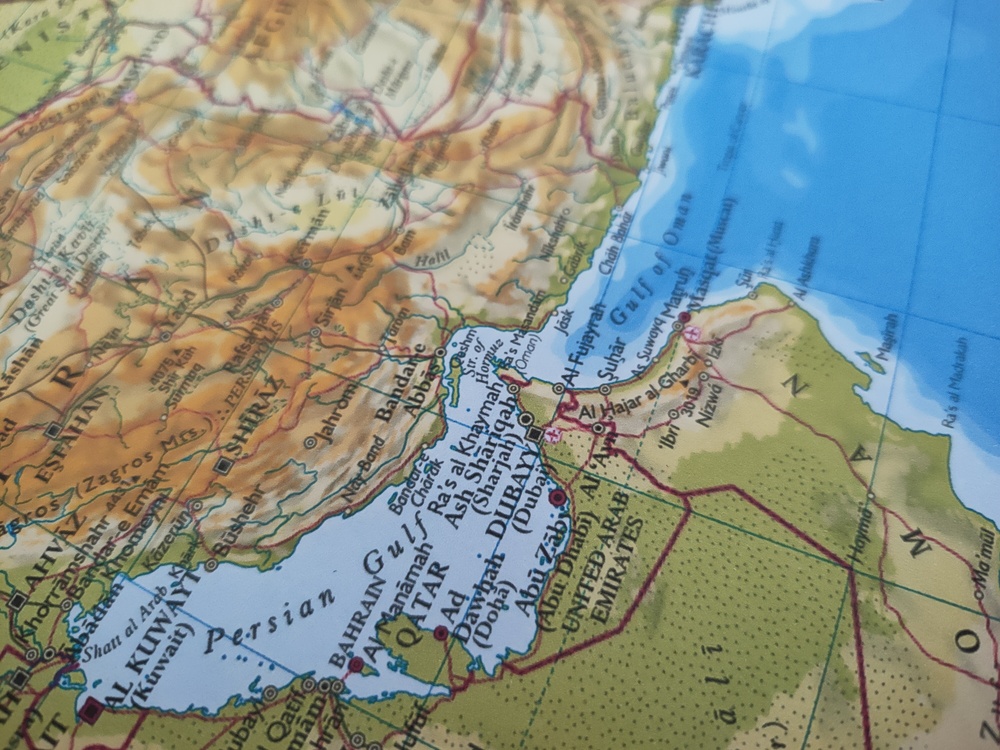
With both airmen safe, Trump’s attention turned back to the war. In a social media post laced with profanity, he threatened to bomb Iranian power plants and bridges if Tehran did not reopen the Strait of Hormuz, the narrow shipping channel Iran has blockaded since the conflict began on February 28.
His warnings carried weight. Just days earlier, US-Israeli air strikes had already destroyed Iran’s tallest bridge connecting Tehran to the western city of Karaj, killing eight people. A second wave of strikes hit while rescue crews worked the scene, according to Iranian state media.
For three words spoken from a mountain crevice, “God is good” traveled a remarkable distance from a wounded man’s prayer, to a suspected enemy ruse, to a defense secretary’s victory cry. Somewhere in that journey lies the story of a 36-hour ordeal that tested American military power, Iranian resolve, and one colonel’s will to survive.