
Your cart is currently empty!
Google Maps ‘Demon Face’ Discovery Leaves Viewers Deeply Unsettled
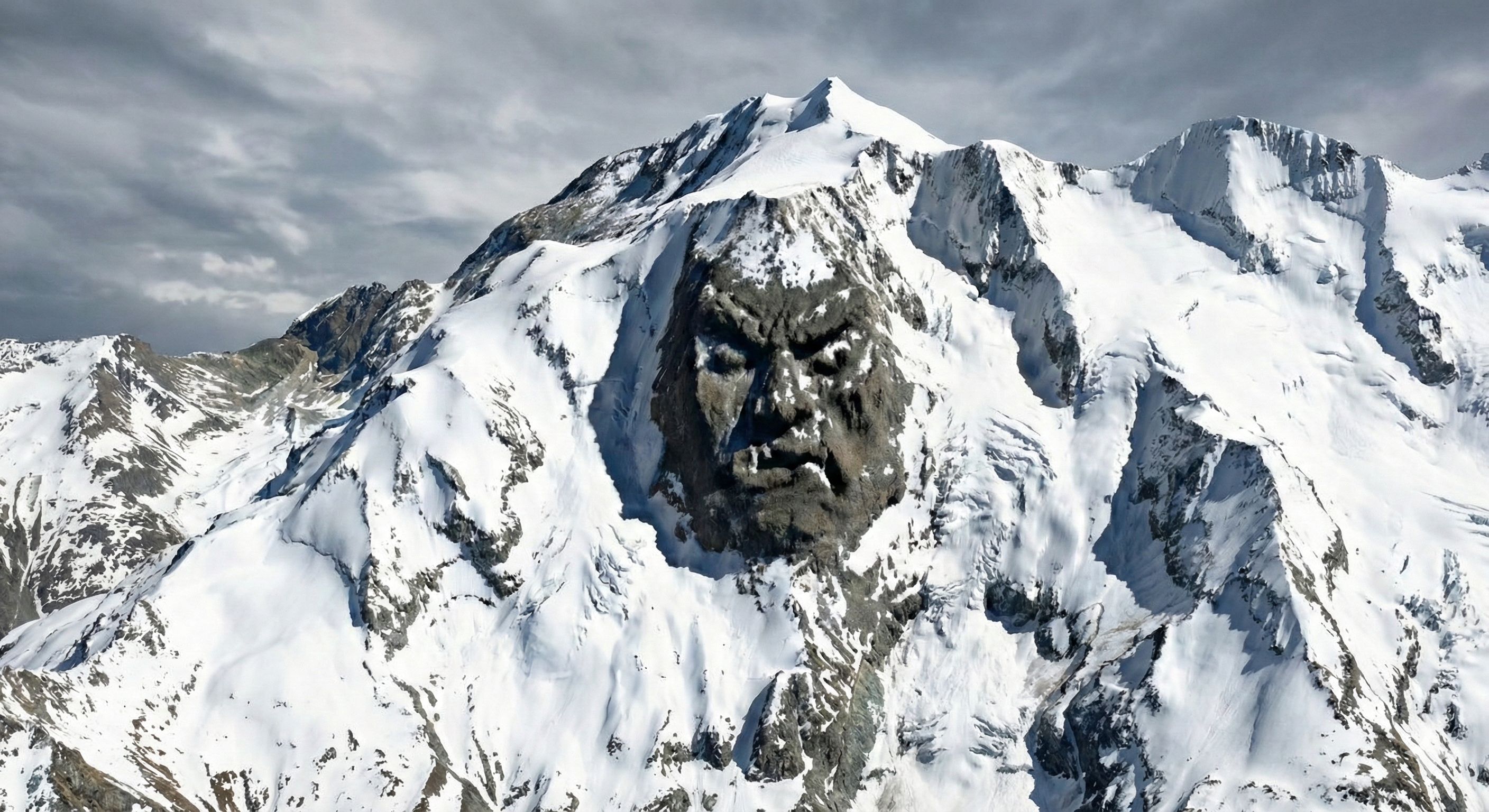
Deep within the jagged peaks of southern Chile lies a mystery that has recently set the internet on fire. It isn’t a lost city or a new species, but a chilling face staring up from the digital landscape of Google Maps, a sight so unsettling that some have dubbed it a portal to the underworld. While the coordinates point to a pristine national park known for its glaciers and silence, this viral image challenges our trust in the technology we use to navigate the world, blurring the line between a digital glitch and a nightmare.
Contents
show
Stumbling Upon a “Portal to Hell” in the Andes
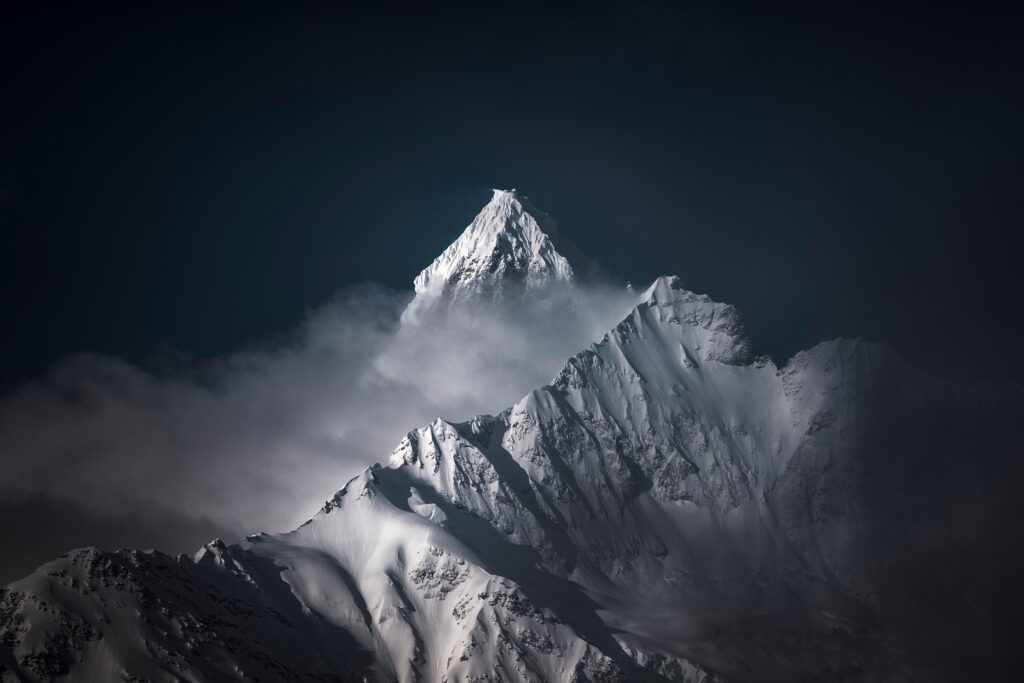
Most of us have spent a little too much time scrolling through Google Maps, zooming in on random islands or checking out our childhood homes. But recently, virtual explorers stumbled upon something far more unsettling in the remote mountains of southern Chile. If you type the coordinates 55°32’40.0″S 69°15’58.0″W into your search bar, you won’t just see snow and rock; you might stare directly into what looks like a demon’s face.
Located in the Alberto de Agostini National Park, this rugged patch of wilderness has transformed into a viral mystery. The satellite image shows a perfectly symmetrical, shadowy figure that many users on Reddit and X (formerly Twitter) claim resembles a skull or an alien. While the area is usually known for its breathtaking glaciers and wildlife, this digital oddity has shifted the focus from natural beauty to supernatural speculation, leaving many to wonder if they’ve found a “portal to hell” or just a trick of the light.
Glitches Over Ghosts

While the image is undeniably eerie, the explanation is far more technical than supernatural. The unsettling symmetry of the “face” is the result of a psychological phenomenon known as ‘pareidolia’, combined with a digital processing error. Pareidolia occurs when our brains strive to find recognizable patterns, specifically human faces, in random data. It is the same reason we see animals in cloud formations or figures in the texture of a ceiling.
The specific “demon” appearance in this Chilean valley is caused by the way satellite imagery is compiled. According to an explanation shared by the Earth X account, the image is a classic example of “Google satellite stitching artifacts.” This region of the Andes is frequently covered in heavy cloud layers, which results in spotty or incomplete satellite photos. To create a seamless map, the software attempts to fill these gaps, sometimes by mirroring or flipping existing sections of the terrain.
This automated mirroring process creates the perfect, unnatural symmetry that forms the eyes and mouth of the “face.” As the Earth account noted, if you zoom in or pan around the coordinates, you can watch the symmetry “glitch out unnaturally.” They clarified that the formation is “not ancient ruins or ET base, just tech limitations in one of the most remote spots on Earth.” The frightening visage is simply a collage of snowy peaks and shadows, accidentally arranged by an algorithm trying to cope with bad weather.
The Reality Behind the Pixelated Mask
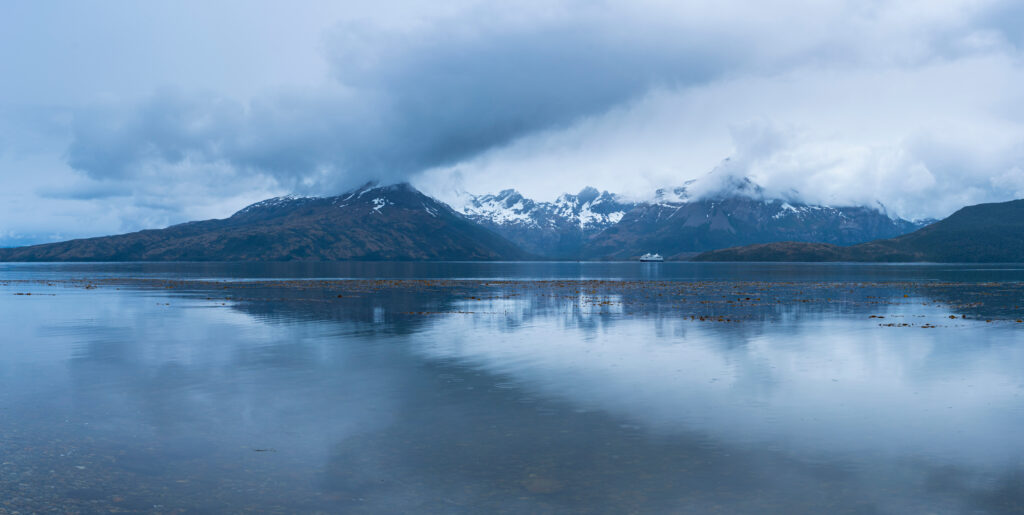
If you look past the digital distortion, the actual location hosting this viral mystery is a place of genuine wonder, not horror. The “demon face” sits within the borders of the Alberto de Agostini National Park, a sprawling expanse of 1.46 million hectares in southern Chile. Far from being a portal to the underworld, this area is a UNESCO Biosphere Reserve celebrated for its spectacular glaciers, deep fjords, and untouched vegetation.
The park is named after Alberto de Agostini, a Salesian priest and mountaineer who spent decades exploring these remote channels in the early 20th century. Unlike the internet sleuths of today, Agostini documented the region with traditional photography and detailed maps, bringing the beauty of Patagonia to the global stage long before satellite imaging existed. His legacy is defined by his appreciation for the rugged terrain, which he navigated by sea and land to capture the “stunning pictures” that define the region’s history.
Biologically, the park is teeming with life that is far more fascinating than a static face on a screen. The chilly waters and rocky shores are home to a diverse array of animals, including southern elephant seals, leopard seals, and majestic marine mammals like dolphins and whales. On land, species such as the culpeo fox roam the wilderness, while the skies support 49 different types of birds. Accessing this isolated paradise is difficult, requiring navigation through the Beagle Channel or flights from Punta Arenas, but those who make the journey find a pristine ecosystem rather than a sinister mystery.
Armchair Detectives

The internet loves a good mystery, and Google Maps has become the ultimate treasure map for digital sleuths. The discovery of the “demon face” is just the latest in a long line of satellite oddities that have sent social media into a frenzy. It fits a pattern where mundane landscapes are transformed into crime scenes or supernatural sites by people sitting thousands of miles away.
For instance, online explorers previously stumbled upon a disturbing message etched into the earth in Los Angeles that simply read “HELP.” This discovery triggered a similar wave of concern and speculation on platforms like X. Users debated whether it was a genuine cry for distress or a practical joke, with one observer noting that “you can get into the yard through […] a hole in the fence,” suggesting it was likely “just kids fooling around.”
The reaction to the Chilean anomaly followed this same script of fascination and skepticism. While some users jokingly connected the face to its proximity to Antarctica, a favorite location for conspiracy theorists, others were genuinely unsettled. Comments ranged from “this can’t be real” to suggestions that Google engineers were “having a giggle.” Whether it is a plea for help in California or a monster in the Andes, these finds prove that human curiosity is always looking for a story, even in the glitches of a map.
Moving Beyond the Digital Anomaly

The viral “demon face” serves as a fascinating reminder of both the power and the limits of our modern tools. While it is fun to indulge in a momentary shiver over a spooky screenshot, these digital anomalies offer a unique opportunity to learn about corners of the world we might otherwise ignore. The glitch in Alberto de Agostini National Park drew eyes to a critical biosphere reserve that deserves admiration rather than fear.
In an age where we can explore the entire globe from our living rooms, it is easy to mistake the map for the territory. Technology tries its best to stitch together our complex world, but sometimes it stumbles, leaving behind accidental ghosts in the machine. Instead of hunting for monsters in the pixels, we can use these moments to appreciate the vast, untouched wilderness that still exists. The real world is filled with wonders—glaciers, elephant seals, and jagged peaks—that are far more impressive than any symmetrical shadow.
So, the next time you find yourself falling down a Google Maps rabbit hole, remember that the blurry shapes you see are likely just technology trying to cope with nature’s grandeur. Let the “demon” be a gateway, not to the underworld, but to a deeper curiosity about the wild, beautiful, and perfectly imperfect planet we call home.