
Your cart is currently empty!
Scientists Find Huge Green Algae Blooms Beneath Thinning Arctic Ice, Changing Entire Polar Marine Ecosystems

Beneath the vast white stillness of the Arctic, a hidden transformation is unfolding. What was once a realm of perpetual darkness, sealed off by thick ice and snow, is now glowing with unexpected life, microscopic green algae blooming in places where, until recently, scientists believed nothing could survive.
Contents
show
It’s a scene that would have been unimaginable a generation ago: sunlight piercing through thinning ice, igniting a silent explosion of growth in the cold, shadowed waters below. But this is no quaint quirk of nature. The same forces that are melting the Arctic at nearly four times the rate of the rest of the planet are creating new ecosystems and dismantling old ones in the space of a few short decades.
In 2011, a research team crossing the Chukchi Sea caught the first glimpse of this phenomenon: a faint, almost ethereal green shimmer beneath their vessel. What they found would overturn decades of polar science and send ripples of concern far beyond the Arctic Circle. The blooms were not only vast stretching for miles but also early, intense, and in some cases toxic. They are reshaping food webs, accelerating ice loss, and altering the planet’s climate balance in ways we are only beginning to understand.
The Arctic, long thought of as Earth’s frozen lid, is lifting. And what’s rising beneath it could change the world above.
The Discovery That Changed Arctic Science
The turning point came in the summer of 2011. Aboard a research vessel navigating the Chukchi Sea, a team of scientists noticed something strange beneath the ice: a faint, otherworldly green glow. At first, they suspected a sensor malfunction or a quirk of the light. But water samples told another story: beneath several feet of ice and snow, an immense bloom of phytoplankton was thriving.
For decades, the prevailing view in polar science was that such a bloom was impossible. Thick Arctic ice, often topped with reflective snow, was believed to block nearly all sunlight from reaching the waters below. Without sunlight, photosynthesis the process that allows phytoplankton to turn carbon dioxide and light into energy could not occur. In this model, the ocean under the ice was a biological desert for most of the year.

The 2011 discovery shattered that assumption. Researchers found that the bloom extended for nearly 60 miles and, in some places, was up to ten times more productive than phytoplankton in nearby open water. Follow-up expeditions and satellite monitoring confirmed this was not a fluke. Similar under-ice blooms have since been detected across the Arctic, revealing a new seasonal and spatial pattern of life in waters once considered inert.
So what changed? The answer lay in the ice itself. As Arctic temperatures have risen at a pace nearly four times faster than the global average, sea ice has thinned dramatically. Dark melt ponds now dot its surface, absorbing sunlight instead of reflecting it, and allowing far more light to penetrate to the ocean below. In just two decades, the proportion of Arctic ice thin enough to let in sufficient light for photosynthesis has surged from around 3–4% to nearly 30%, according to mathematical modeling by oceanographer Christopher Horvat.
Phytoplankton are remarkably efficient at capturing even the faintest light sometimes just 1% of what reaches the surface is enough to spark growth. That means small cracks in the ice, a patch of thinner snow, or a slightly earlier melt can set off a cascade of life where none existed before. What once took the opening of vast stretches of open water can now begin under the ice itself, weeks ahead of the traditional bloom season.
How Climate Change is Fueling the Blooms
For centuries, Arctic sea ice functioned like nature’s sunblock thick, bright, and highly reflective. Its snow-covered surface bounced the majority of incoming sunlight back into space, keeping the waters below in near-total darkness for most of the year. This icy shield was more than a physical barrier; it was a climatic stabilizer, regulating global temperatures by helping cool the planet.
That stabilizer is now failing. The Arctic is warming nearly four times faster than the global average, and the transformation is visible from space. Over the past several decades, satellite measurements have recorded both a dramatic loss in sea ice extent and a significant reduction in its thickness by nearly a meter in some regions. Thinner ice is not only structurally weaker; it also transmits far more sunlight.
The changes are amplified by melt ponds, dark pools of water that form on the ice surface during warmer months. Unlike reflective snow, these ponds absorb sunlight, heating the ice further and allowing even more light to reach the ocean below. It’s a feedback loop: more melt ponds mean more light penetration, which accelerates melting, which in turn creates more ponds.
Climate scientist Dr. Julienne Stroeve summarizes the shift simply: “As ice and snow get thinner, more light penetrates to the bottom of sea ice.” This light, once blocked almost entirely, is now arriving in quantities sufficient to fuel photosynthesis weeks earlier than in past decades.

Modeling by oceanographer Christopher Horvat underscores the scale of this change. In the early 2000s, only 3–4% of the Arctic’s ice cover allowed enough light for under-ice blooms. Today, that figure has climbed to nearly 30%. And the timing is advancing blooms in some parts of the Arctic are now appearing up to 15 days earlier per decade, an acceleration unprecedented in polar history.
Phytoplankton are primed to take advantage of these shifts. Many species can photosynthesize with just 1% of surface light, and Arctic waters often contain sufficient nutrients from winter mixing to support rapid growth once light becomes available. As a result, blooms can ignite under seemingly marginal conditions thin ice, sparse snow, or even through small cracks well before the traditional open-water bloom season.
The warming ocean adds another dimension. Higher water temperatures not only extend the growth season for phytoplankton but also favor the proliferation of harmful algae species. Toxins from Alexandrium and Pseudo-nitzschia previously rare in Arctic waters are now entering the marine food chain, carried by organisms such as krill and copepods and eventually accumulating in top predators like bowhead whales.
The Rise of Harmful Algal Blooms in the Arctic
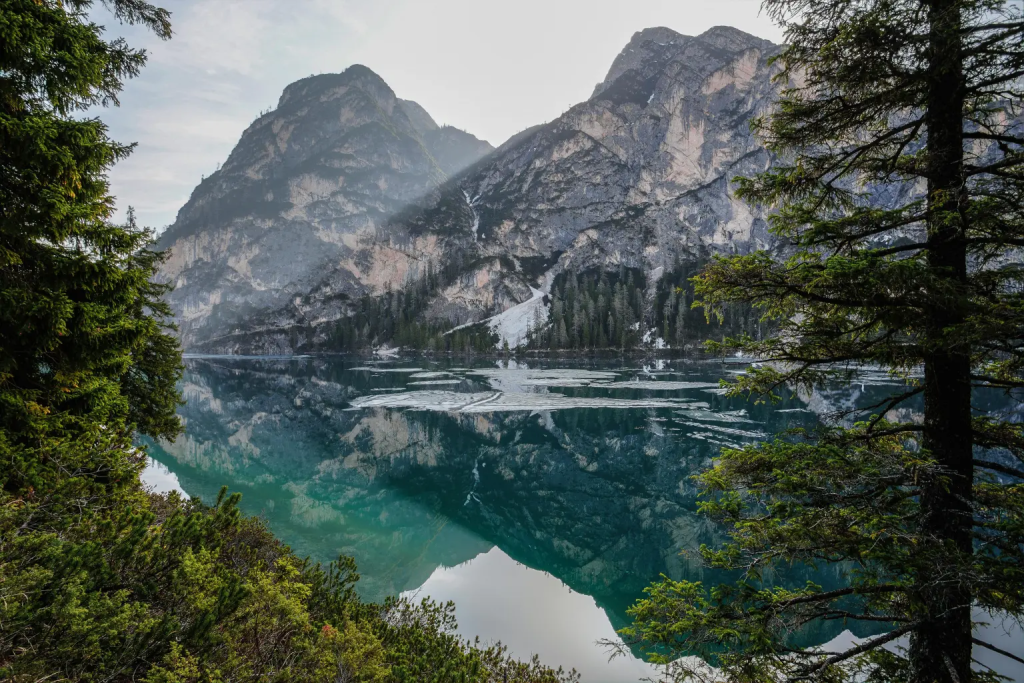
Not all phytoplankton blooms are benign. While many species form the healthy base of the marine food web, some produce powerful toxins that can poison wildlife and people alike. These harmful algal blooms or HABs are now appearing more frequently in the Arctic, carried by the same warming waters and increased sunlight that have sparked the under-ice bloom phenomenon.
Historically, the Arctic’s frigid temperatures kept such toxic species at bay. But as ocean conditions shift, algae like Alexandrium and Pseudo-nitzschia are finding a foothold. Alexandrium produces saxitoxin, a potent neurotoxin that can cause paralytic shellfish poisoning. Pseudo-nitzschia produces domoic acid, responsible for amnesic shellfish poisoning an illness that can cause memory loss, neurological damage, and even death.
Evidence of this spread comes from an unusual but telling source: bowhead whale fecal samples. For nearly two decades, scientists from NOAA’s Wildlife Algal Toxins Research & Response Network (WARRN-West) have partnered with Arctic Indigenous communities to collect samples from whales taken in subsistence harvests or found stranded. Analysis of 205 samples from the Beaufort Sea revealed increasing concentrations of algal toxins, proof that these blooms are not only occurring but are working their way through the marine food chain.
The pathway is straightforward but troubling. Microscopic grazers like krill and copepods feed on the toxic algae, storing the toxins in their bodies. Bowhead whales, filter-feeding on these smaller organisms, accumulate the toxins in turn. The same process can affect seals, seabirds, walruses, and other Arctic wildlife sometimes fatally. Walrus deaths in the region have been linked to consumption of contaminated clams, a key part of their diet.
For Arctic Indigenous communities, these shifts pose both ecological and cultural risks. Many rely on marine species clams, crabs, seabirds, whales, and more for food, cultural practices, and livelihoods. Unlike commercial fisheries in more temperate regions, where routine toxin monitoring can help safeguard the seafood supply, the vast remoteness of the Arctic makes regular testing a logistical challenge. As a result, harmful blooms can move through the ecosystem largely undetected until illness or die-offs occur.
The increase in HABs is not unique to the Arctic California, for example, has seen annual domoic acid events linked to hundreds of marine mammal deaths but their arrival in polar waters signals a profound ecological shift. These are environments that have been stable for millennia, now hosting species and toxins that evolved in much warmer seas. The under-ice blooms, once a sign of adaptation in a changing climate, now carry a second, more dangerous meaning: the Arctic’s new productivity comes with new hazards, for wildlife and for the people who depend on it.
When Timing Falls Out of Sync
In the Arctic, survival depends on precision. The region’s food webs are tuned to the rhythm of the seasons, with each species relying on predictable cues light levels, ice melt, nutrient surges to know when to feed, reproduce, or migrate. Phytoplankton blooms, whether under the ice or in open water, are the first note in this seasonal symphony. They fuel zooplankton like copepods and krill, which in turn sustain fish, seabirds, seals, whales, and even polar bears.
But that rhythm is now faltering. Under-ice blooms are not only more common, but they are emerging earlier in the year in some regions, up to 15 days earlier per decade. For many species, that shift is too fast to match.
A mismatch of just a few weeks can cascade through the ecosystem. Zooplankton that hatch at their usual time may find that the rich algal buffet they depend on has already peaked and begun to decline. Fish that arrive on schedule to feed on those zooplankton may find them scarce, reducing growth and survival rates. Migratory species like certain seabirds or whales that time their journeys to coincide with peak food availability may arrive to find the table half-empty.
Location is another part of the problem. Some of the new blooms are forming in places where oxygen levels are lower or where key grazers have difficulty accessing them. As oceanographer Christopher Horvat points out, “The foundation of the Arctic food web is now growing at a different time and in places that are less accessible to animals that need oxygen.” Abundance in the wrong place can be as disruptive as scarcity.
Nutrient dynamics add yet another wrinkle. Phytoplankton blooms require nitrates and phosphates drawn up from deeper waters. When blooms happen earlier than usual, they can quickly deplete these resources before later-season species get their turn. This not only shortens the productive season but can also shift the community composition of the algae themselves favoring species that may be less nutritious or more toxic to grazers.
And then there’s the surprise from the ocean floor: “bottom blooms” dense algal growths thriving in dimly lit, newly illuminated zones near the seafloor. In areas like the Chukchi Sea, clearer waters and thinner ice are allowing sunlight to penetrate to depths once considered uninhabitable. These bottom blooms can compete with surface algae for nutrients, altering the flow of energy through the food web and reshaping habitats that have been stable for centuries.
Ice, Light, and Global Warming
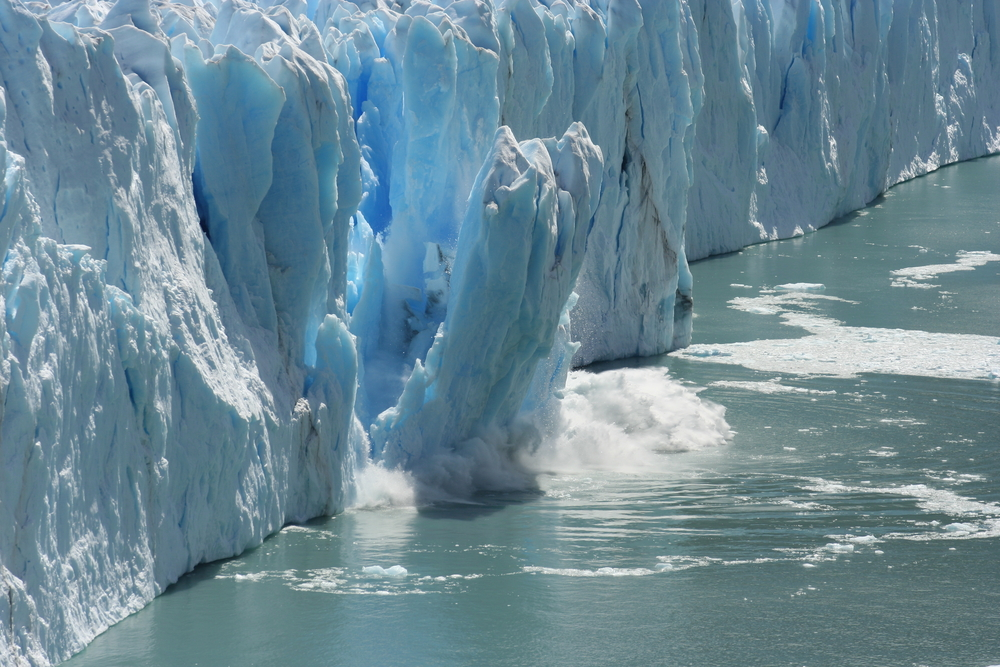
Sea ice has long been one of Earth’s most effective climate regulators, a bright, reflective shield bouncing sunlight back into space. This reflective quality, known as albedo, kept polar oceans cool and helped stabilize the planet’s temperature. But as the Arctic warms, that shield is thinning and darkening. More light is now entering the ocean, and instead of being reflected, it is absorbed as heat.
This shift sets in motion a powerful feedback loop. Thinner ice and melt ponds let in more sunlight, warming the ocean. Warmer water melts more ice from below, which exposes even darker water that absorbs still more heat. The warmer conditions trigger earlier and larger phytoplankton blooms, which themselves absorb additional solar radiation and accelerate the cycle.
The biological effects are just as critical as the physical ones. Phytoplankton play a key role in the global carbon cycle, drawing carbon dioxide from the atmosphere through photosynthesis. Under normal seasonal cycles, much of this carbon sinks to the deep ocean when the organisms die, effectively locking it away for centuries. But if blooms occur too early, in the wrong places, or burn through available nutrients too quickly, less carbon is sequestered. That means more CO₂ remains in the atmosphere, further driving global warming.
The Arctic’s transformation is not isolated. Polar regions help drive ocean circulation patterns that influence climate across the globe. Melting ice and altered salinity can disrupt these currents, affecting weather systems, fisheries, and even agricultural cycles thousands of miles away. The destabilization of the jet stream the high-altitude air current that shapes weather in North America, Europe, and Asia has already been linked to Arctic warming, contributing to more frequent and intense extreme weather events.
Once a feedback loop like this gathers momentum, it becomes far harder to slow, let alone reverse. The Arctic’s under-ice blooms may seem like a niche scientific detail, but they are part of a broader pattern of interconnected changes each one reinforcing the next, pulling the system toward a new and uncertain state.
Why This Matters Far Beyond the Arctic

It’s tempting to think of the Arctic as distant and separate a remote expanse of ice and ocean whose changes belong to another world. But the shifts taking place beneath its thinning ice are already influencing lives and livelihoods far beyond the polar circle.
Food systems are among the first to feel the ripple effects. Phytoplankton may be microscopic, but they are the base of the marine food chain. Disruptions in when and where they bloom can alter the abundance and migration patterns of commercially important fish like cod, pollock, and herring. In the North Atlantic and sub-Arctic waters, early-season nutrient depletion has been linked to reduced fishery yields, forcing fleets to travel farther or change their catch composition. These adjustments carry economic costs and threaten the stability of communities that depend on fishing.
The Arctic’s warming also reshapes global weather patterns. Melting ice alters the temperature balance between the poles and the equator, which can weaken and destabilize the jet stream. This disruption has been linked to prolonged weather extremes, heatwaves that linger for weeks, frigid cold snaps far south of the Arctic, and erratic rainfall patterns that challenge farmers and strain water supplies. Events once considered “once in a century” are now arriving with unsettling frequency.
Infrastructure and public health are not immune. In coastal cities, shifting storm tracks and sea level rise compound flood risks. Heatwaves linked to jet stream instability strain power grids and worsen air quality. In agricultural regions, changing precipitation patterns can mean both drought and flooding in the same growing season, stressing crops and driving up food prices.
And then there’s the broader climate connection. The Arctic acts as the planet’s thermostat, helping regulate temperature through its reflective ice and influence on ocean currents. As that system breaks down, the world becomes more vulnerable to climate volatility whether you live in an island nation facing rising seas, a temperate farming region reliant on stable growing seasons, or a city built for yesterday’s weather patterns.
Beneath the Ice, a Message

In the stillness of the Arctic’s frozen seas, change is unfolding in colors we never expected to see: emerald blooms glowing beneath thinning ice, thriving where darkness once ruled. They are signs of life’s adaptability, but also of the planet’s vulnerability.
These blooms tell two stories at once. One is about resilience: microscopic organisms seizing the narrowest chance to grow, turning a faint glimmer of sunlight into abundance. The other is about disruption: ancient rhythms breaking, ecosystems shifting faster than the species that depend on them can adapt. Both stories are written in the language of climate change and both reach far beyond the Arctic.
The green beneath the ice is not a distant curiosity. It is a reminder that the boundaries we thought were fixed between light and dark, frozen and fluid, possible and impossible can change rapidly. And when they do, the consequences ripple outward, touching every ocean, every weather system, every community.
We still have the ability to shape what comes next. That means paying attention to the science, honoring the knowledge of those who live closest to these changes, and making choices individually and collectively that slow the forces driving the Arctic’s transformation. The ice may be thinning, but our window for action is not yet closed.
If the Arctic is our planet’s early warning system, then its message is clear: what happens in the far north will not stay there. The question now is whether we will listen and respond before the next chapter is written in waters too warm, too open, and too late.