
Your cart is currently empty!
Backpack Adventures Helping NYC Shelter Dogs Get Adopted

New York City is a place where millions of lives cross paths every day, often without notice. Yet every so often, something small interrupts the routine of subway commutes and sidewalk shuffles. Recently, that interruption has taken the form of a dog peering out of a backpack, calmly taking in the passing crowds while riders smile, take photos, or ask a few curious questions. These dogs are not simply on an urban adventure. They are part of an effort to help shelter animals find permanent homes.
Contents
show
At the center of this project is Bryan Reisberg, a filmmaker turned entrepreneur whose weekly outings have begun to shift perceptions of what a shelter dog looks like and how potential adopters can meet them. His approach is simple: take one dog out of its kennel, give it a day of glimpsing city life, and let the world see its personality through social media. The approach has been effective, with nearly every dog he has featured going on to be adopted.
This article explores the story behind these outings, the response from shelters and the public, and how one person’s consistent effort can influence a much broader system. The aim is to present the story neutrally, showing both the enthusiasm surrounding the project and the context in which it operates.
A Day Out for a Shelter Dog
The outings usually begin the same way. A shelter volunteer hands Bryan a dog that has often been overlooked by potential adopters. One recent example is Bertha, a white dog with brown spots who had been found on the streets and brought to Animal Care Centers of NYC. Although she arrived in rough condition, her day out told a different story.
Bertha greeted strangers on the subway, leaned into any neck scratches offered, picked out a new toy at a pet store, and tasted a pup cup for the first time. The interaction between Bertha and city residents created a natural form of outreach. A few days after her video was posted, she was adopted.

Bryan’s goal is not only to create a pleasant outing for the dog but also to help the public see shelter dogs as adoptable companions. He carries them in a backpack he designed that displays the words adopt me. This makes the dogs visible in a friendly, approachable way and opens opportunities for spontaneous conversations.
The approach aligns with what shelters have observed for years. When people meet animals outside the confines of kennels, they often form more immediate and authentic impressions of their personalities. These short outings allow dogs to relax, show curiosity, and interact naturally with strangers.
The Role of Social Media
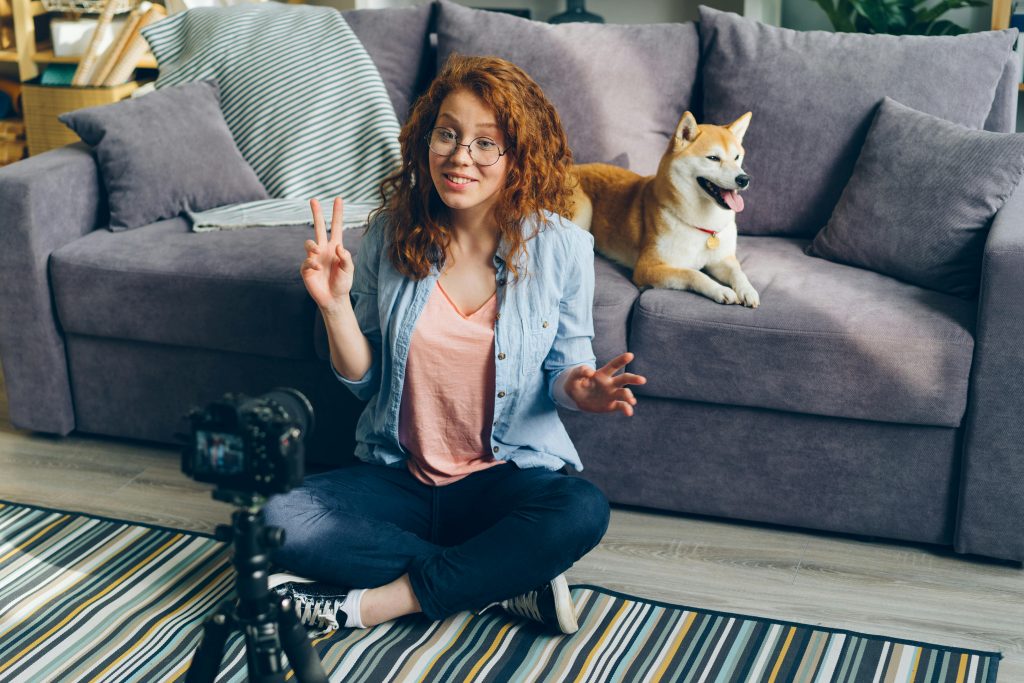
Bryan’s professional background in film shapes how he shares these outings. Each adventure is documented through well edited videos that highlight the dog’s quirks and preferred activities. The captions usually explain what the dog enjoys, whether it is cuddling, riding the subway, or choosing specific toys. For Bertha, the caption mentioned her love for kisses, hot dogs, and making friends, while also noting her dislike of certain stuffed animals.
Across social platforms, Bryan’s videos have accumulated more than 75 million views. This reach is significant for adoption efforts, especially when shelters often struggle to compete for visibility.
The videos also perform well because they provide viewers with a clear sense of each dog’s personality. Instead of static photos, the dogs appear in motion, interacting with the environment and with people. For potential adopters, this can reduce uncertainty. Viewers get a preview of what life with the dog might look like.
Shelter representatives have noted that the impact of these videos goes beyond the individual dogs featured. In some cases, people who visit shelters after watching Bryan’s content end up adopting different dogs. As a result, adoption numbers have risen not only for the dogs he showcases but also for others in need.
The Origins of the Backpack Idea
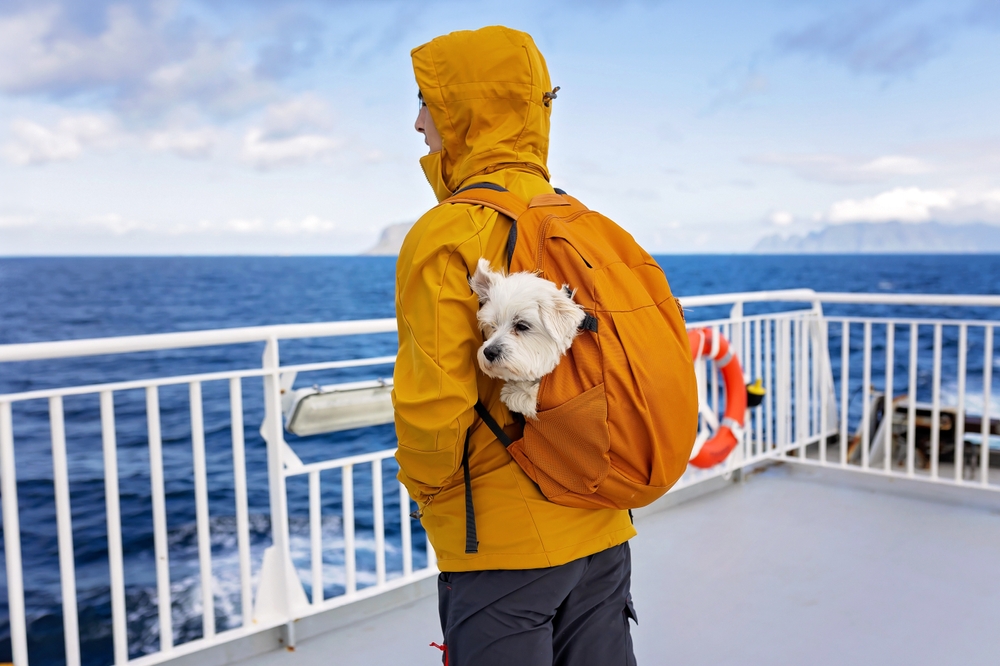
The concept did not begin with shelter animals. In 2015, Bryan and his wife began carrying their corgi, Maxine, in a dog backpack during commutes to avoid leaving her at home while they worked. Maxine quickly became popular among subway riders. Her cheerful expression often lifted the spirits of people around her.
Videos of Maxine’s outings soon went viral. Bryan’s social media accounts grew rapidly, attracting viewers from around the world who were entertained by the fluffy dog traveling through New York.
However, the backpack used in those early days was not designed for durability. After numerous malfunctions, Bryan decided to create a better one. This led him to leave his job in 2020 and launch Little Chonk, a pet gear brand, in 2021. Through the brand’s online community, Bryan received constant feedback from pet owners about their needs and concerns.
It was a friend who suggested using Maxine’s established social media presence to highlight shelter dogs. Bryan began experimenting with the idea earlier this year, and the results were immediately positive. The backpack became a functional tool for both transport and outreach.
How Shelters Collaborate With the Project

Shelters like Animal Care Centers of NYC and organizations such as Best Friends Animal Society work directly with Bryan to select dogs for the weekly outings. Staff members choose dogs they believe could benefit most from the exposure, often prioritizing those that have been in the shelter longer or those who show resilience in busy environments.
According to Julie Castle, CEO of Best Friends Animal Society, Bryan’s efforts provide a morale boost for the shelter teams. Staff members enjoy seeing the dogs experience something new and positive, especially those who may have endured difficult pasts.
Castle noted that in the six months following the start of these outings, her organization recorded about 100 more dog adoptions compared to the previous year. While many factors contribute to adoption trends, she believes that Bryan’s videos have become a major influence.
Shelters have experimented with a variety of creative strategies to garner attention for adoptable pets. Some have dressed pit bulls in curly wigs to mimic popular doodle breeds, while others have introduced Adventure Buddy programs that allow volunteers to take dogs out for day trips. Bryan’s approach adds another option to the list, offering a blend of visibility, entertainment, and genuine interaction.
The Public’s Response

Encounters with a dog in a backpack often catch people off guard. In a city known for its fast pace, the sight of a relaxed dog observing commuters tends to spark spontaneous conversation. Riders ask about the dog’s story or take a moment to offer gentle pets.
These interactions humanize the adoption process. Instead of imagining shelter animals as distant or unknown, people meet them in person under normal circumstances. This lowers psychological barriers that prevent some from considering adoption.
Social media reactions mirror this sentiment. Many viewers express surprise at how calm or affectionate the dogs appear. Others share personal stories about pets they have adopted or rescued. Some comment that the videos encouraged them to visit shelters in their own cities.
This ripple effect demonstrates how localized efforts can influence a broader audience. Even if someone is not in New York, seeing a shelter dog enjoy a day out may shift how they perceive adoption in general.
The Experience for the Dogs
Although the videos often focus on lighthearted moments, the outings serve practical purposes for the dogs. Exposure to new environments can help shelter animals become more adaptable. Meeting strangers, riding public transport, or exploring new neighborhoods can reduce anxiety that might otherwise hinder adoptability.
Shelter environments, while necessary, can be stressful. Noise, confinement, and limited interaction can make it hard for some animals to express their personalities. A day outside can reveal qualities that staff may not always see.
For dogs like Bertha, Axl, Lucy Goosey, and Genesis, the outings have shown behaviors such as friendliness, curiosity, and playfulness. These traits are easier to convey through video than through traditional adoption listings.

The Impact on Communities
Although the project focuses on dogs, the effect on city residents is also notable. Encounters with the backpack dogs often leave people smiling or engaged in conversation with others around them. In a busy metropolis, shared moments like these create small bursts of connection.
Some viewers and riders mention that seeing the dogs encourages them to support local shelters or consider fostering. Others say the encounters remind them of the importance of small acts of care.
Animal welfare advocates often emphasize that public perception plays a major role in adoption rates. When people see shelter dogs portrayed as vibrant and lovable, it can counteract stereotypes that portray them as problematic or unpredictable.
Examining the Broader Context
While Bryan’s project has yielded noticeable outcomes, it exists within a larger conversation about animal welfare. Shelters across the country continue to face challenges, including overcrowding, limited resources, and fluctuations in adoption rates.
Programs that highlight adoptable animals help address these challenges, but they are only part of a wider system involving policy, community engagement, and public education.
Bryan’s success shows how individual initiatives can complement institutional efforts. His work does not replace shelter processes but supports them by creating visibility and fostering positive impressions.

A Model Others Can Use
Shelters and rescue groups often encourage volunteers to take creative initiative. Bryan’s weekly tradition demonstrates one way of doing this, but shelters emphasize that anyone can participate in ways suited to their skills.
For example, people can volunteer for walking programs, share adoptable animals on social media, donate supplies, or provide temporary foster care. Some may help with administrative needs or transport animals between locations.
The key takeaway from Bryan’s project is not that everyone must carry dogs around in backpacks. Instead, it highlights that consistent, thoughtful action can create meaningful change, even when the action appears simple.
A Small Act With Lasting Influence
The sight of a dog peeking out of a backpack on the New York City subway may seem like a small moment in the vastness of urban life. Yet these outings have helped reshape how people view shelter animals and how shelters present them to the world. Through weekly adventures, thoughtful documentation, and collaboration with animal welfare organizations, Bryan Reisberg has helped numerous dogs find homes.
The story offers an example of how visibility, compassion, and creativity can influence adoption trends. It also reminds readers that shelters rely on a combination of community support, volunteer efforts, and public engagement. While this article takes a neutral approach, the facts themselves demonstrate that even modest initiatives can contribute to a broader culture of responsibility and care.
For the dogs featured, a single day of exploration led to life changing outcomes. For the city that meets them, these small encounters offer opportunities to rethink what it means to support animals in need.