
Your cart is currently empty!
He Was 14, the Well Was 15 Meters Deep, and Two Adults Had Already Walked Away

In April 2013, in a small town in Dolj County, Romania, a three-year-old boy named Gabriel fell into a well in his family’s yard. What followed over the next eleven hours tested the limits of professional rescue capability, pushed a crowd of onlookers to the edge of despair, and ended with a moment that Romania has never quite forgotten. At the center of it all was a seventh-grade student who weighed up the situation, decided adults were thinking about it wrong, and volunteered to go in headfirst.
Contents
show
A Well That Defeated Every Expert in the Room
Segarcea is a modest town in southern Romania, the kind of place where a child falling into a well draws the entire community to the yard within the hour. Professional rescue crews arrived quickly after Gabriel went in. By any measure, the response was serious and well-resourced. Workers brought shovels, a tractor, and specialized equipment. They tried multiple angles of approach. They adjusted, regrouped, and tried again. None of it worked.
Gabriel was fifteen meters below the surface, at the bottom of a shaft so narrow that none of the adults at the scene could fit inside it. Each attempt to widen the approach or engineer a different solution failed to close the distance between the rescuers above ground and the child below. Hours passed. The crowd grew. The rescue operation continued, and continued to produce nothing.
After eleven hours, a firefighter finally said aloud what everyone standing at that well had started to fear. “There’s no more hope. The well is too narrow.”
Two People Looked In and Walked Away
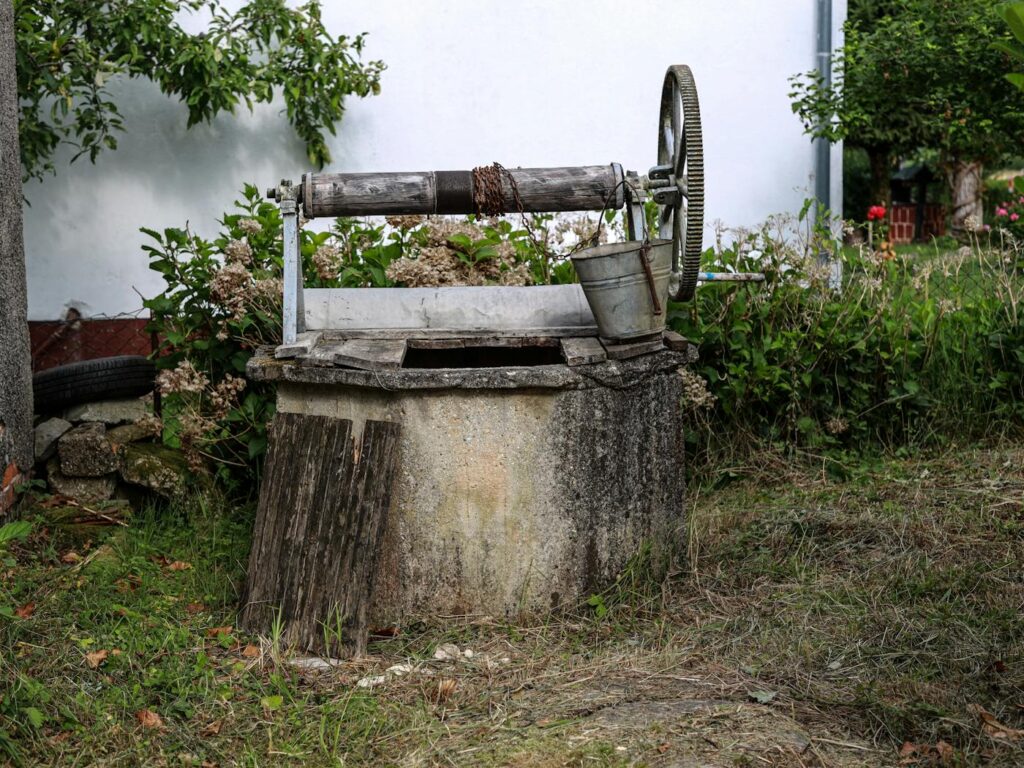
Before Cristian Marian Becheanu stepped forward, two other volunteers did. Both of them looked into that dark shaft, considered what going in would actually mean, and decided they could not do it. That detail tends to get lost in how the story gets told, but it matters. What waited at the bottom of that well was not abstract. It was fifteen meters of narrow darkness, headfirst, with a rope on your ankles as your only connection to the surface. Two people assessed that and stepped back.
Cristian was fourteen years old, a seventh-grade student from the area, and slight enough to fit where grown adults could not. When the firefighter announced there was no more hope, Cristian pushed through the crowd and told the rescue crew he would go in. He said he was not afraid. By his own later admission, that was not entirely true, but it was what he said, and it was enough. The crew did not turn him away.
They strapped a headlamp to his forehead, tied a rope to his ankles, and lowered him into the shaft headfirst, arms stretched out ahead of him so he could reach Gabriel the moment he found him.
Fifteen Meters Down, in the Dark
Somewhere below the surface, in a space too narrow to turn around in, Cristian found the boy. He had gone in with his arms extended, which meant his hands reached Gabriel before anything else did. What happened in those moments at the bottom of the well, how long it took, how Cristian managed to secure a three-year-old in that confined space, remains known only to the people who were there.
What the crowd above saw was a rope going taut, then movement, then Cristian Marian Becheanu emerging from the well with Gabriel alive in his arms.
Eleven hours of professional effort, two volunteers who had turned back, a firefighter’s announcement that hope was gone, and a fourteen-year-old had undone all of it in a single descent.
Gabriel was taken immediately to hospital. Doctors monitored him for cervical spine injury and signs of oxygen deprivation. He recovered fully.
What He Said When It Was Over
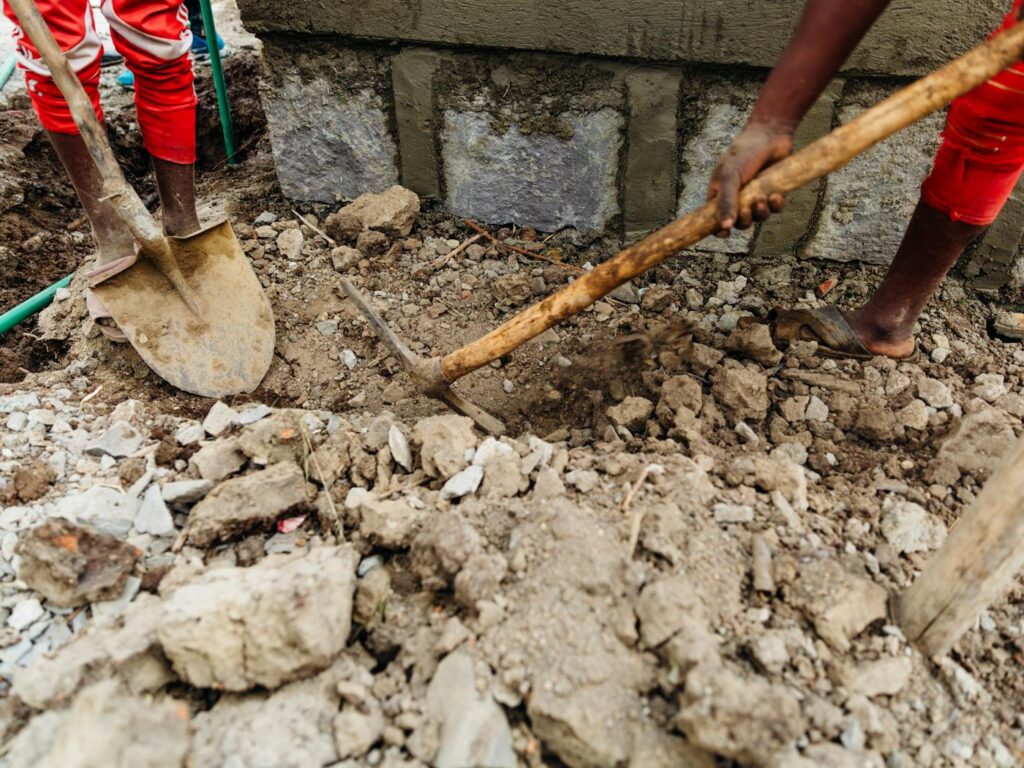
Cristian’s response to what he had done was not what most people expected from someone who had just become a national story overnight. On Instagram, in a post that circulated widely alongside video of the rescue, he wrote: “I did what had to be done. I am proud of that act.”
In accounts translated from the Romanian press, he acknowledged that fear had been present. He had been afraid going in, he said. “But then I wasn’t.”
That was more or less the extent of his reflection. No dramatic account of the descent. No detailed description of what it felt like to reach a child in the dark at the bottom of a fifteen-meter shaft. Just a quiet statement from a teenager who had apparently decided that what he did was not particularly complicated, even if nobody else in that yard had been able to do it.
The video of the rescue has resurfaced online repeatedly in the years since, and every time it does, the reaction follows a predictable pattern. People stop. They watch it more than once. They share it. What gets them, according to the comments that accumulate each time the clip circulates, are the details the headlines tend to skip: that the well was fifty feet deep, that he went in headfirst, that two adults had already looked in and walked away, and that a rope on his ankles was the only thing between Cristian and the bottom.
A Country Stops to Say Thank You
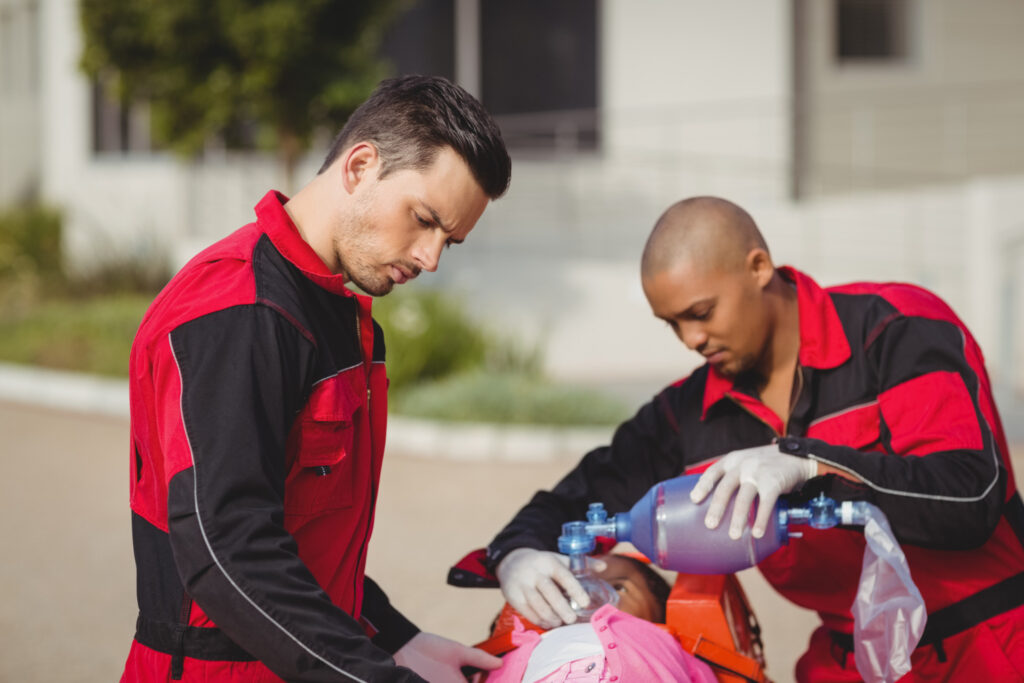
Romania celebrated Cristian at a formal ceremony at the Dolj County Prefecture. Officials from local and regional government gathered to honor a fourteen-year-old who had done something the professionals on site had been unable to do. He received diplomas, a bicycle, a tablet, and a monthly stipend from the Artego Humanitarian Foundation that ran through the end of 2013.
Ion Prioteasa, then-president of the Dolj County Council, spoke at the ceremony and addressed Cristian directly. “Now, thanks to the courage of this young man, an entire country watched us and admired his courage, and that makes us proud of him and we, the Dolj County Council, will be by his side and support him.”
Beyond the awards and the public recognition, Cristian also received something with no equivalent in diplomas or stipends. He became the only civilian ever to receive the emblem of the General Inspectorate for Emergency Situations, Romania’s highest emergency services honor. That distinction, reported by the Romanian press in 2021, has not been replicated before or since.
The Dream He Named Out Loud
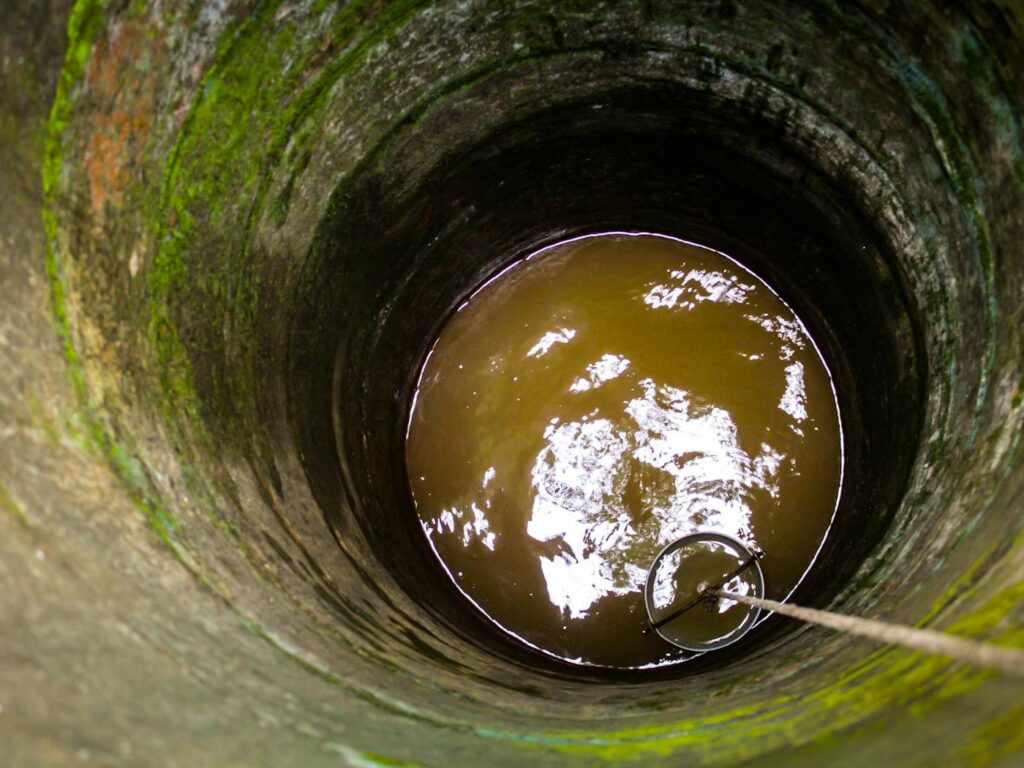
During the ceremonies that followed the rescue, officials asked Cristian what he wanted. His answer was direct. He wanted to become a firefighter.
Alina Ionescu, director of the County Directorate for Sport and Youth, confirmed publicly that the institutions involved were committed to helping him pursue that path. “He is an example for today’s young people,” she said, “and that is why we will be by his side and we will give him the opportunity to go to a camp and support him to fulfill his dream of becoming a firefighter.”
Cristian responded with a promise of his own. “I want to thank all those who are by my side,” he said, “and I promise that I will not disappoint them.” That exchange, a teenager naming what he wanted and officials promising to help him get there, turned out to be more than a ceremony. It became the terms of the decade that followed.
He Kept His Word
More than ten years after that night in Segarcea, Cristian Marian Becheanu is Sergeant Major Cristian Marian Becheanu, a professional firefighter and rescuer with ISU Dolj, Dolj County’s official emergency inspectorate. He is married and has children of his own.
He did not drift into another field or let the story of one extraordinary night sit as the defining chapter of a different kind of life. He took what happened in that yard in 2013, the moment a firefighter said hope was gone, and a fourteen-year-old decided otherwise, and built a career around it. Every shift he works, every call he responds to, every person pulled from danger by a crew he is part of, traces back to a rope tied to his ankles and a decision made in a crowd.
Stories about courage tend to raise a familiar question afterward: what did the person do next? How do you follow something like that? Cristian answered it by doing the same thing, professionally, for the rest of his working life. He did what had to be done. Then he made it his job.
Acts of Bravery, Child Rescue, Child Saved From Well, Community Story, Courage Story, Cristian Marian Becheanu, Dolj County Romania, Firefighter Story, good news, Human Interest, Inspiring Stories, ISU Dolj, real life heroes, Romania Hero, Romanian Firefighter, Segarcea Romania, Teenage Hero, Viral Rescue Video, Well Rescue