
Your cart is currently empty!
Healthy Man Experiences Stroke After Consuming Multiple Energy Drinks Daily
At first glance, the story sounds almost unbelievable. A fit and active 54 year old man, known for running regularly and steering clear of smoking, drinking, and drugs, suddenly found himself struggling with numbness, weakness, and trouble speaking. Within hours, he was in a stroke clinic, facing a diagnosis that seemed completely at odds with his healthy lifestyle. Only later did the surprising truth come out. His daily routine included consuming eight energy drinks, something he had assumed was harmless.
Contents
show
This case, documented by doctors at Nottingham University Hospitals NHS Trust and reported by outlets such as CNN, The Guardian, and various medical sources, sheds light on a growing concern. While energy drinks may seem like convenient boosts for alertness or endurance, the combination of high caffeine, sugar, and other stimulants may create health risks that many people underestimate.
In this article, we explore what happened to this man, why it shocked medical professionals, what science says about excessive energy drink consumption, and how this single case is prompting discussions about regulation, awareness, and personal responsibility.
A Sudden Collapse That Made No Sense
The man appeared to be the picture of health. He ran frequently, kept his weight in check, and avoided typical cardiovascular risks. Yet one day, seemingly out of nowhere, he began experiencing alarming symptoms. He felt weakness on the left side of his body along with numbness in his hand, foot, and face. His balance faltered. He struggled to walk and swallow, and his speech began to slur.
A family member rushed him to a stroke clinic where doctors immediately recognized the seriousness of his condition. According to physicians involved in his care, his blood pressure measured an astonishing 254 over 150 millimeters of mercury. This number is far beyond what is typically considered a hypertensive emergency. The average adult blood pressure should fall below 120 over 80. Anything above 180 over 120 is considered a crisis requiring immediate medical care.

Doctors later explained that despite his dangerously high blood pressure, he appeared outwardly well. This is one reason hypertension is often called the silent killer. Many people feel no symptoms at all until a catastrophic event such as a stroke occurs.
An MRI confirmed that the man had suffered an ischemic stroke. The blockage had occurred in the thalamus which is a deep part of the brain responsible for processing sensory information and supporting coordination and movement. This explained his loss of stability and inability to use the left side of his body.
The Medical Mystery That Took Weeks To Solve

Once admitted to the hospital, doctors placed the patient on blood pressure lowering medications. At first, this seemed to help. His blood pressure began to decline from extreme levels down to about 170. Though still high, this was at least a safer range.
However, once he returned home, things took an unexpected turn. His blood pressure spiked upward again. In fact, despite multiple medications and adjustments to his regimen, the numbers continued to climb. On some days, they reached around 220 which once again placed him at risk.
Doctors were puzzled. For weeks they ran extensive tests. They looked for underlying disease and hormonal disorders. They screened for kidney problems and rare conditions that can cause extreme spikes in blood pressure. Every test came back negative.
Then during a routine conversation with his medical team, the missing piece finally emerged. The man casually mentioned that he consumed eight energy drinks every single day. He did so at four different times, drinking two cans at once each time to stay alert for long work shifts. Without realizing it, this daily habit was exposing him to a massive amount of caffeine.
Each drink contained around 160 milligrams of caffeine. Taken together, his daily intake ranged between 1,200 and 1,300 milligrams. For comparison, many major health agencies including the US Food and Drug Administration recommend that adults stay below 400 milligrams per day.
This meant the man was consuming three times the recommended amount every day for years. Once doctors learned this, the diagnosis became far clearer. What they were seeing was secondary hypertension triggered by stimulant overload. When this hypertension went untreated for too long it led to the development of his stroke.
What Happened When He Quit Energy Drinks

Armed with this revelation, the medical team offered a straightforward yet powerful recommendation. They urged him to stop drinking energy drinks immediately. To their relief, the effects were both rapid and dramatic.
Within just one week, the man’s average blood pressure returned to normal readings around 120 or 130 over 80. His blood pressure medications were no longer required. The weeks of medical uncertainty, confusion, and persistent hypertension had finally found their explanation.
However, while his blood pressure normalized, the consequences of the stroke did not fully reverse. His symptoms improved over time but never disappeared. Eight years after the incident, he continues to experience numbness in his left hand, fingers, foot, and toes. These lingering effects serve as daily reminders of how a seemingly routine habit had long lasting consequences.
Why Energy Drinks Create Such Extreme Health Risks
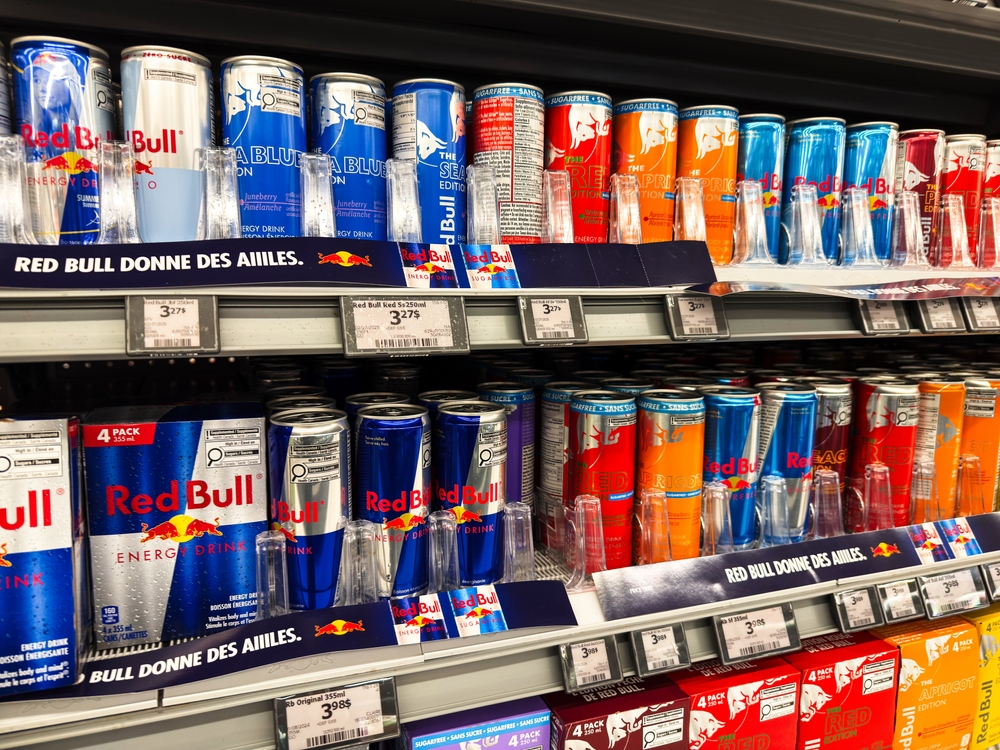
The dangers of energy drinks extend beyond caffeine alone. Many brands today contain additional ingredients that have stimulant like effects on the heart and blood vessels.
Some of the most common additives include taurine, guarana, ginseng, and high levels of sugar. According to doctors who studied this case, certain combinations of caffeine and taurine can lead to especially high blood pressure responses. Guarana is believed to contain caffeine at twice the concentration of a coffee bean which means the actual caffeine content may be much higher than advertised. Sugar and glucose also play a role by damaging blood vessels especially in people who may already be predisposed to cardiovascular issues.
Medical literature includes many examples of young and middle aged adults experiencing arrhythmias, blood clot formation, endothelial damage, or other cardiovascular disturbances after consuming large quantities of energy drinks. Some incidents involve energy drinks combined with other drugs such as cocaine or amphetamines which create an even more dangerous synergy.
Doctors caution that the interaction of ingredients inside many popular brands may heighten the risk beyond what caffeine alone would produce. While research is still evolving, there is an accumulating body of evidence linking excessive energy drink consumption to increased cases of hypertension, cardiovascular disease, and stroke.
Understanding What Makes This Case Especially Alarming

The man had no major risk factors for stroke. He did not smoke or drink alcohol. He exercised regularly. His lifestyle would normally place him in a low risk category.
Doctors repeatedly noted that he appeared physically well despite blood pressure readings that were dangerously high. This further illustrates how silent severe hypertension can be.
Occasional energy drink consumption differs greatly from consuming eight per day every day. This chronic overexposure appears to have played a significant role in the development of his condition.
Many consumers do not realize that caffeine is just one part of the stimulant profile in these drinks. The mixture of additives can intensify effects on the heart and blood vessels.
Although quitting the drinks normalized his blood pressure, the injury caused by the stroke left permanent nerve damage. This demonstrates that some effects cannot be reversed once damage has occurred.
What Doctors Want The Public To Know

Healthcare professionals should consider asking about energy drink consumption when treating young or middle aged patients with unexplained hypertension or stroke symptoms. Because energy drinks are marketed in appealing ways and are widely available, many people may not think to disclose their usage unless specifically asked.
Doctors also believe that public awareness should increase. Most people are familiar with the health risks associated with alcohol or smoking. Yet energy drinks often escape the same level of scrutiny even though they contain large amounts of stimulants and sugar.
Medical teams from Nottingham University Hospitals NHS Trust have also proposed increased regulation on energy drink sales and advertising. Many campaigns target younger audiences including teenagers which raises concerns given the potential long term cardiovascular effects.
The government in some regions has already taken action. For example, earlier announcements in the United Kingdom included plans to restrict high caffeine energy drink sales to individuals under the age of 16.
How This Case Fits Into A Larger Trend
The case has drawn significant attention because it aligns with broader patterns in medical research. Over the past decade, energy drink consumption has risen worldwide especially among young adults, shift workers, students, and athletes.
Multiple studies have linked these beverages to increased heart rate, spikes in blood pressure, sleep disturbances, anxiety, and metabolic strain. While moderate consumption may be harmless for many individuals, heavy daily use raises red flags among cardiologists and neurologists.
Researchers point out that energy drinks are often consumed rapidly and in large quantities which intensifies their effects. Additionally, combining them with alcohol or stimulant drugs poses serious risks.
This particular case reinforces the possibility that both acute and chronic intake can accelerate cardiovascular strain. Doctors emphasize that while evidence is still being collected, the potential risk is significant enough to warrant caution.

Learning From A Single Story
This case offers several lessons that extend far beyond one man’s experience.
Pay Attention To Hidden Daily Habits: People often consider exercise, diet, or alcohol use when thinking about heart health. Less attention is paid to beverages marketed as energizing or performance boosting. Hidden habits such as frequent energy drink consumption may accumulate harm over time.
Early Symptoms Should Never Be Ignored: The man’s initial symptoms including numbness, weakness, and difficulty speaking were immediate signs of a neurological emergency. Seeking help quickly likely prevented even more severe damage.
Moderate Choices Can Prevent Severe Outcomes: Simply reducing stimulant intake might have prevented years of lasting nerve damage. Many people may not realize how significant an impact small daily choices can have on long term health.
Advertising Can Shape Perception: Energy drinks are often associated with athleticism, productivity, and youthfulness. This marketing can obscure the potential dangers especially when used in large quantities.

Guidance For Consumers
While the goal of this article is not to vilify energy drinks entirely, it aims to encourage informed decision making. For those who enjoy these beverages, moderation is essential.
The typical adult should aim to stay below 400 milligrams of caffeine per day. Reading labels carefully can help. Remember that some brands contain far more than others. Sugar content is also worth monitoring since high glucose intake affects cardiovascular and metabolic health.
For individuals seeking alternatives, options include water, fruit smoothies, mild tea, or black coffee in moderate amounts. Natural sources of energy such as balanced meals, adequate sleep, and hydration remain more sustainable and less risky.
Parents and caregivers may also want to monitor what adolescents consume. Teens may be drawn to energy drinks for performance or social reasons. Awareness helps reduce the likelihood of dependence or excessive intake.
What This Story Teaches Us
The story of the 54 year old man who unknowingly placed himself at extreme risk highlights an important truth. Even people who appear outwardly healthy can face hidden dangers when lifestyle choices slip beyond safe limits. His experience is a reminder that health is shaped not only by visible habits like exercise but also by the less obvious patterns we may overlook.
Energy drinks can be part of modern routines whether for work, study, or athletic performance. However, as this case shows, consuming them irresponsibly or excessively can lead to serious and sometimes irreversible consequences.
Ultimately, this man’s journey serves as both a caution and a call for awareness. When it comes to our health, knowledge is a powerful protector. Understanding how certain choices affect the body empowers us to make decisions that preserve well being rather than jeopardize it.
By paying closer attention to what we consume and how often, we not only safeguard our own health but also contribute to a broader cultural understanding of the hidden risks that may come with everyday products. His story reminds us that sometimes the greatest dangers are the ones we never thought to question.