
Your cart is currently empty!
Hidden Behind a Wall: Manhattan Home Reveals Secret Passage Tied to Underground Railroad
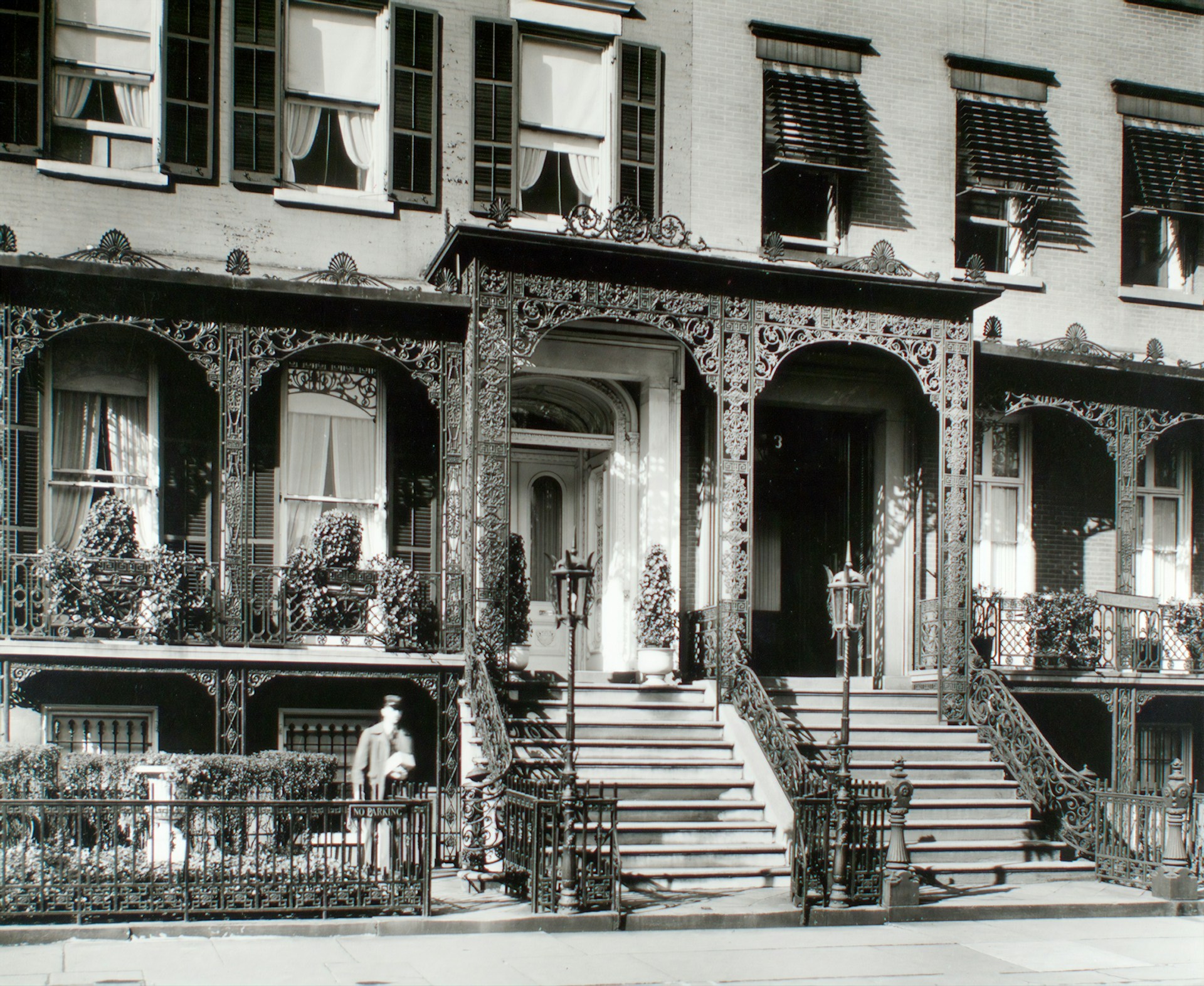
Few homeowners expect to uncover a piece of American history behind their walls. But that is exactly what happened inside a quiet Manhattan residence, where what appeared to be an ordinary architectural quirk turned out to be something far more extraordinary.
Contents
show
According to reporting from the New York Post and The Guardian, a concealed doorway and passageway hidden within the structure of a Manhattan home may be linked to the Underground Railroad, the secret network that helped enslaved people escape to freedom during the 19th century. What makes the discovery even more astonishing is how seamlessly the entrance blended into its surroundings.
Described as “completely invisible,” the hidden passage was not obvious to the naked eye. Its presence raises new questions about the city’s role in the abolitionist movement and reminds us that even the most familiar spaces can hold untold stories.
A Discovery Hidden in Plain Sight
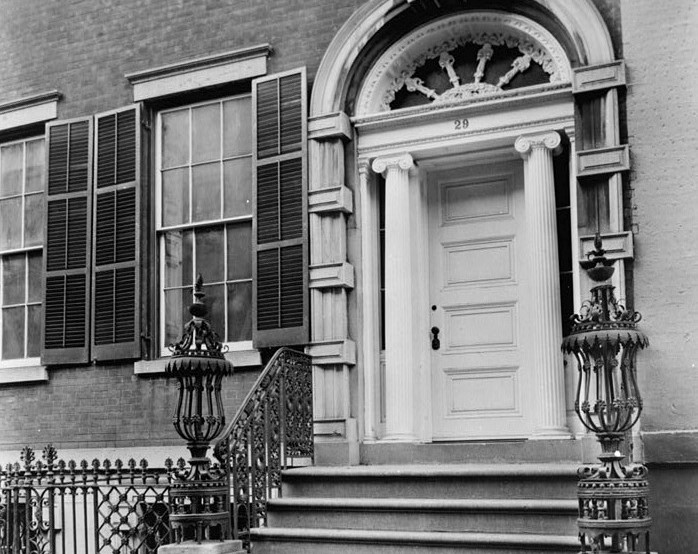
The discovery began during routine work inside the Manhattan property, when something about the wall structure did not quite add up. Homeowners and preservationists noticed subtle irregularities that suggested the space might not be as solid as it appeared.
Behind what looked like an ordinary surface was a concealed opening that led into a narrow corridor. The entrance had been expertly disguised, making it nearly impossible to detect without careful inspection. According to the New York Post, the passageway was so well integrated into the architecture that it appeared to be part of the original design.
Experts who examined the site noted that the craftsmanship suggested intentional concealment rather than accidental construction. The doorway reportedly aligned with design techniques known to have been used in safe houses connected to the Underground Railroad.
The Guardian reported that museum officials and historians were brought in to assess the structure. Early findings suggest that the passageway may have served as a temporary hiding place for individuals seeking refuge during a dangerous and uncertain journey north.
The Underground Railroad and New York’s Hidden Role
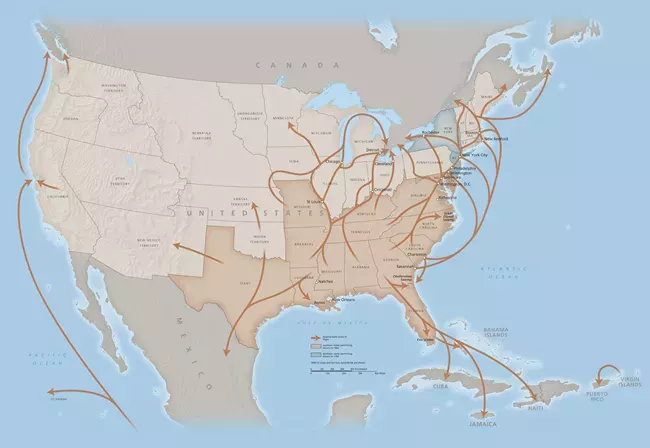
When many people think of the Underground Railroad, they often picture southern plantations or rural northern barns. However, historians emphasize that cities like New York played a critical role in the network.
New York City was a major hub for commerce, travel, and migration during the 1800s. Its busy streets and bustling waterfront provided opportunities for those seeking to move discreetly. Abolitionist communities operated quietly within neighborhoods that today are known for their modern skyline.
According to historical records referenced by The Guardian, Manhattan contained several documented safe houses. These locations offered temporary shelter, food, and guidance to individuals escaping enslavement. Secrecy was essential, as federal laws such as the Fugitive Slave Act placed both escapees and those assisting them at significant risk.
The newly discovered passageway may add to this documented network. If verified, it could serve as rare physical evidence of urban participation in the Underground Railroad, a movement that relied heavily on trust, courage, and community coordination.
How the Passageway Was Designed to Remain Invisible
One of the most striking aspects of the discovery is the architectural ingenuity behind it. The entrance was reportedly concealed within what appeared to be an ordinary structural feature of the home.
Historians note that safe houses often relied on hidden compartments built into walls, beneath floors, or behind staircases. The goal was simple yet critical. The hiding space had to be undetectable during a cursory inspection.
According to details shared with the New York Post, the Manhattan passage was narrow and intentionally understated. Its proportions suggest it was not designed for comfort but for temporary refuge. This aligns with accounts of Underground Railroad hiding spots, which were frequently cramped and minimally ventilated.
Architectural experts examining the space have emphasized how seamlessly it blends into the surrounding structure. The invisibility of the passageway speaks to the level of risk involved in its potential use. A poorly hidden space could have meant catastrophic consequences for everyone involved.
Why This Discovery Matters Today
Beyond the immediate intrigue, the hidden passageway carries significant cultural and historical weight. Physical remnants of the Underground Railroad are rare, particularly in dense urban environments where buildings are frequently renovated or demolished.
If authenticated, the Manhattan site could offer scholars valuable insight into how abolitionist networks operated within city settings. It may also reshape public understanding of how widespread and organized the movement truly was.
The discovery comes at a time when conversations about historical memory and preservation are increasingly prominent. Museums and cultural institutions in New York have expressed interest in studying and potentially preserving the site so that it can serve as an educational resource.
For residents and visitors alike, the passageway stands as a reminder that history is not confined to textbooks. It can exist quietly within the walls around us, waiting to be rediscovered.
The Human Stories Behind the Walls
While architectural details are fascinating, the true power of the discovery lies in the human experiences it represents. The Underground Railroad was not a literal railroad but a network of individuals who risked their safety to support freedom seekers.
Each hidden room or passageway once held real people facing unimaginable uncertainty. They traveled under the cover of darkness, relied on coded messages, and placed trust in strangers who offered shelter.
Historians stress that urban safe houses required extraordinary bravery. City environments were heavily populated, which increased both opportunity and risk. A single suspicious observer could have exposed an entire network.
The Manhattan passageway, if confirmed as part of this network, symbolizes quiet resistance. It represents ordinary citizens making extraordinary choices in pursuit of justice and humanity.
The Stories That Walls Keep
The concealed passageway in Manhattan reminds us that history often lives just beneath the surface. What appeared to be an ordinary wall concealed a potential link to one of the most courageous movements in American history.
This discovery encourages deeper reflection on the role everyday spaces play in shaping extraordinary events. It also highlights the importance of curiosity and preservation in uncovering stories that might otherwise remain lost.
Whether the passageway ultimately proves to be definitively connected to the Underground Railroad or simply reflective of that era’s architectural practices, its existence sparks meaningful dialogue about courage, resistance, and collective responsibility.
Sometimes, the most powerful reminders of humanity’s capacity for bravery are the ones hidden in plain sight.