
Your cart is currently empty!
Hong Kong Can Now Jail Travelers Who Refuse to Unlock Their Phones
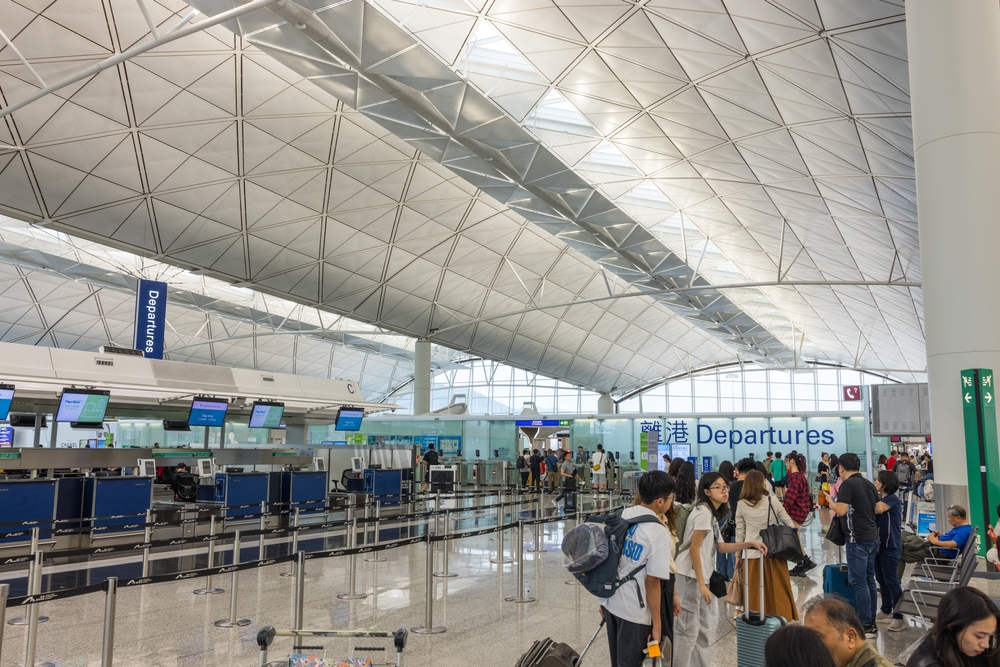
You land from a 16-hour flight from New York to Hong Kong groggy and jet-lagged, and before you even collect your luggage, a police officer asks you to hand over your phone and unlock it. Refuse, and you could find yourself in a jail cell.
Contents
show
For millions of travelers who pass through one of Asia’s busiest airports each year, that scenario is no longer hypothetical. It became a legal reality on March 23, 2026.
Hong Kong’s government amended the implementing rules under its National Security Law on that date, and one change in particular has sent ripples through the international travel community. A provision that most travelers would never have anticipated now carries criminal penalties for noncompliance, and it applies not just to residents or visitors but to anyone who sets foot in Hong Kong International Airport, even for a connecting flight.
What Changed on March 23
In a security alert dated March 26, the U.S. Consulate General in Hong Kong and Macau laid out the situation in plain terms. “It is now a criminal offense to refuse to give the Hong Kong police the passwords or decryption assistance to access all personal electronic devices including cellphones and laptops.”
Anyone in Hong Kong, arriving in the city, or simply transiting through its airport, falls under the rule’s reach. Police now have expanded authority to seize personal devices and retain them as evidence if officers claim a connection to national security offenses. Customs officials have also gained the power to confiscate items they consider to carry “seditious intention.”
Penalties That Carry Real Weight
Travelers who refuse to comply face up to one year in prison and a fine of up to HK$100,000, which amounts to roughly $12,760 USD. Providing false or misleading information triggers an even harsher response, with potential sentences of up to three years in prison and fines exceeding $60,000.
For a business traveler carrying sensitive corporate data, a journalist protecting confidential sources, or an ordinary tourist with private photos and messages on their phone, these penalties create an uncomfortable calculus. Comply and surrender your digital privacy, or refuse and risk imprisonment in a foreign jurisdiction.
Washington Responds with a Travel Alert
News of these changes prompted a swift response from American officials. On March 26, the U.S. Consulate General in Hong Kong and Macau published a formal security alert warning American citizens about the amended rules. In addition to describing the legal changes, the advisory recommended that travelers contact the consulate if they face arrest or detention in Hong Kong.
American officials also urged citizens to enroll in the Smart Traveler Enrollment Program, known as STEP, which provides security updates and alerts for those living or traveling abroad. On its TravelGov social media channels, the State Department’s Bureau of Consular Affairs reinforced the message, stressing that the rule applies to U.S. citizens even if they never leave the airport terminal.
What the advisory did not clarify, however, was how often Hong Kong authorities plan to exercise these new powers or what specific circumstances might trigger a device inspection. That ambiguity has left travelers and legal observers with more questions than answers.
Beijing Pushes Back
Washington’s alert did not go unnoticed in Beijing. Within days, China’s foreign ministry office in Hong Kong summoned U.S. Consul General Julie Eadeh and lodged formal protests against what it labeled a “so-called ‘security alert.’” Commissioner Cui Jianchun expressed “strong dissatisfaction and firm opposition” and demanded that the United States stop interfering in Hong Kong and Chinese internal affairs. A U.S. Consulate spokesman declined to discuss the specifics of the diplomatic exchange.
Hong Kong’s government issued its own rebuttal on the same day, accusing foreign organizations and media outlets of circulating “misleading information and sweepingly generalised descriptions” about the amendments. Officials insisted that the legal changes had been mischaracterized and sought to “set the record straight.”
Yet for travelers weighing their options, diplomatic reassurances from either side offer little practical comfort.
Enforcement Remains a Gray Area
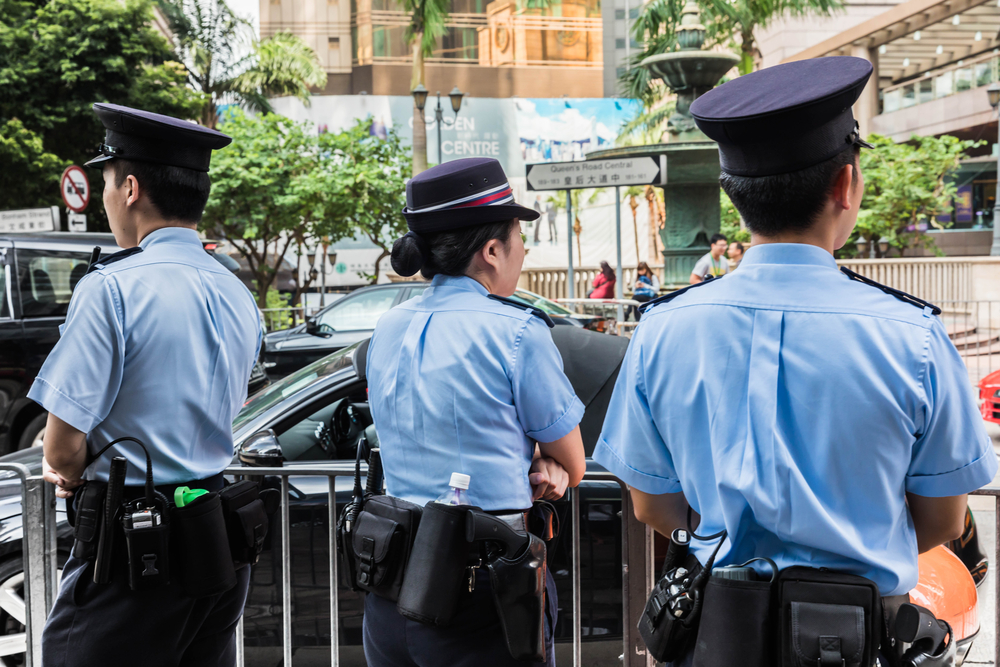
One of the most unsettling aspects of Hong Kong’s new rules is the lack of clarity on enforcement. Neither Hong Kong officials nor the U.S. advisory have outlined specific protocols for when and how police will demand access to devices. A Hong Kong government spokesperson stated that the provision “will not affect the lives of the general public or the normal operation of institutions and organizations,” but that language does little to define the boundaries of the law in practice.
Hong Kong International Airport handled roughly 15 million transit passengers in 2025 alone. Subjecting even a fraction of those travelers to device inspections would require enormous resources, which suggests the power may be exercised selectively. But selective enforcement raises its own concerns, particularly around profiling and the broad discretion it grants to individual officers.
Legal scholars have raised alarm bells. Urania Chiu, a UK-based law lecturer researching Hong Kong, told Reuters that “the sweeping powers given to law enforcement officers without any need for judicial authorization are grossly disproportionate.”
Chiu argued that these provisions conflict with fundamental liberties, including privacy of communication and the right to a fair trial. Her concerns echo a growing chorus of voices in the international legal community who worry that the NSL’s reach continues to expand with insufficient judicial oversight.
A Familiar Debate with a Sharper Edge
Americans following this story may experience a sense of déjà vu. In 2025, U.S. Customs and Border Protection faced its own wave of criticism over the agency’s broad authority to search travelers’ electronic devices at ports of entry under the so-called border search exception. Phones, laptops, and tablets were all fair game for inspection, and the policy alarmed civil liberties groups and ordinary travelers alike.
However, a key distinction separates the American and Hong Kong approaches. Under U.S. law, refusing to provide a password to a border agent is not itself a criminal offense. A traveler might face delays, additional questioning, or even the temporary confiscation of a device, but they will not be charged with a crime for staying silent. Hong Kong’s amended NSL eliminates that margin. Refusal is now a prosecutable act, one that carries jail time and steep financial penalties.
For travelers accustomed to some degree of legal protection over their digital privacy, even at international borders, Hong Kong’s approach represents a jarring departure.
Air Travel Between the U.S. and Hong Kong
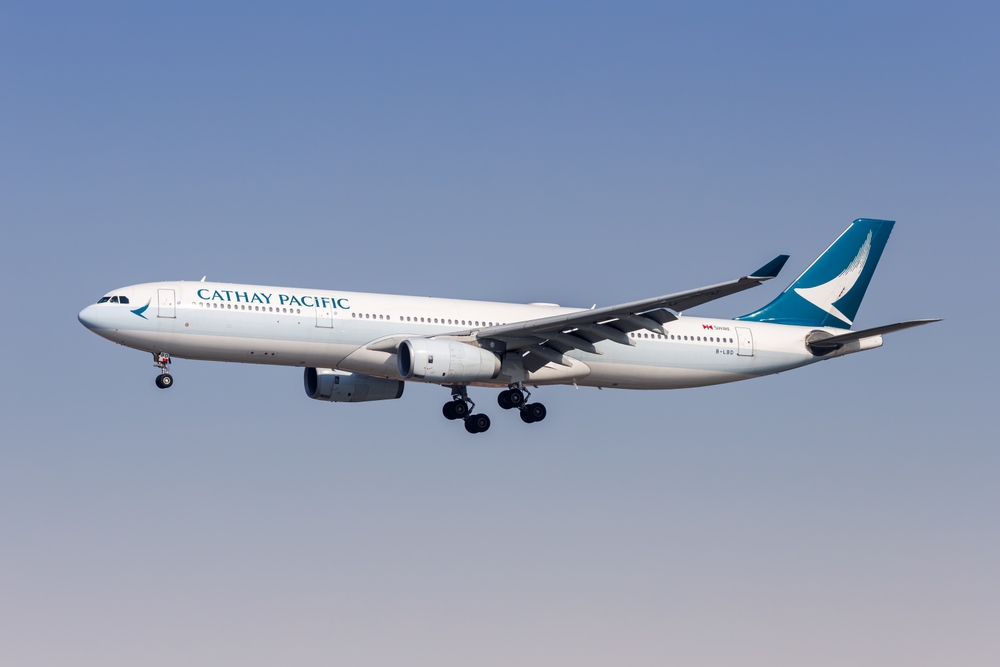
Despite the new security concerns, air service between the United States and Hong Kong continues to grow. Cathay Pacific, Hong Kong’s home carrier, operates nonstop flights from seven American cities, with its newest route to Seattle-Tacoma International Airport having launched on March 30, 2026. Peak summer capacity will reach 108 weekly return flights to North America, a 23% increase compared to the previous year.
United Airlines remains the largest U.S.-based carrier on the route, flying nonstop from Los Angeles and San Francisco. Delta Air Lines plans to rejoin the market on June 6, 2026, with daily service from Los Angeles.
Air travel between the two destinations has not yet returned to pre-pandemic levels, and Hong Kong International Airport’s recovery has lagged behind other major global hubs. Much of the airport’s business model depends on connecting passengers, travelers who may never intend to enter Hong Kong but now find themselves subject to its national security laws simply by passing through the terminal.
Whether these new rules deter travelers from routing through Hong Kong remains an open question, but airlines and airport officials will be watching the numbers closely in the months ahead.
How the National Security Law Got Here
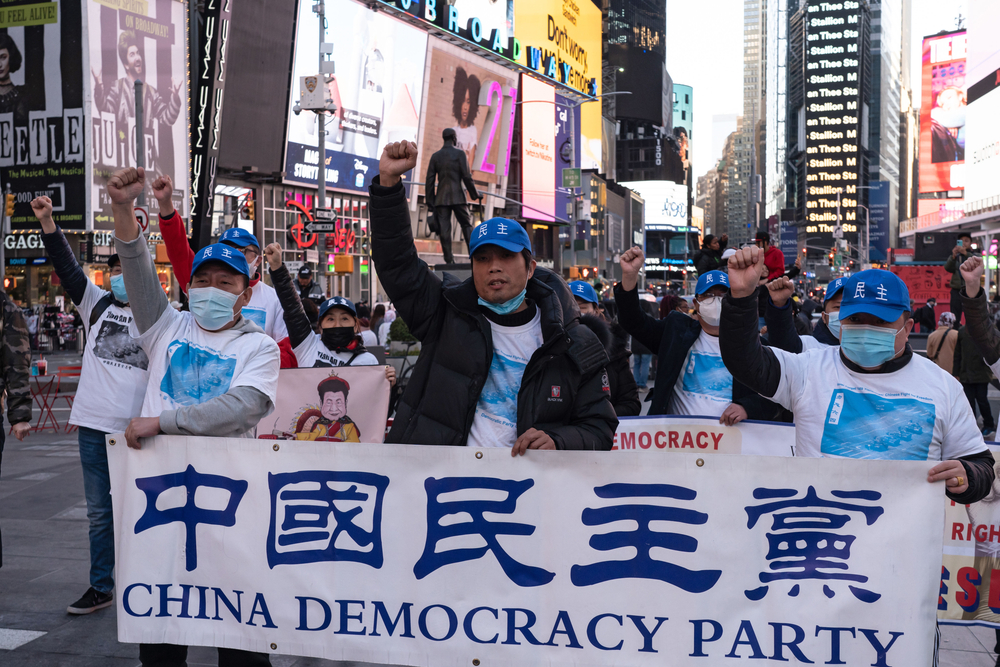
Hong Kong introduced the National Security Law in 2020, one year after massive pro-democracy protests swept through the city. Authorities have long maintained that the legislation, which targets acts such as terrorism, secession, subversion, and collusion with foreign forces, is necessary to restore and maintain stability.
Critics see it differently. Since 2020, Hong Kong has arrested hundreds of protesters, activists, and former opposition lawmakers under the NSL. In February 2026, media mogul Jimmy Lai received a 20-year prison sentence after a court convicted him of foreign collusion and publishing seditious material. Around the same time, the father of a pro-democracy activist living in exile was jailed for attempting to cash out her insurance policy under a related domestic security law.
Hong Kong’s leader, John Lee, announced the latest round of amendments without putting them before the city’s legislative council, a process that bypassed even the limited legislative review mechanisms still in place. For observers already concerned about the erosion of civil liberties in the city, that decision only deepened their apprehension.
Practical Guidance for Travelers
Anyone planning to visit or transit through Hong Kong should review the latest State Department advisories before booking travel. Enrolling in STEP provides real-time security updates and ensures that American officials can reach you in an emergency. Following the Hong Kong consulate’s social media channels will keep you informed of any further changes.
Beyond official channels, travelers should think carefully about what personal data they carry on their devices. Corporate travelers may want to consult their legal and IT departments about data protection protocols for Hong Kong trips. Journalists and activists, in particular, should seek specialized legal counsel before traveling.
Hong Kong remains one of Asia’s great cities, a place of extraordinary energy, culture, and commerce. But its legal environment has shifted in ways that demand attention and preparation from anyone who plans to pass through, even if only for a few hours between flights.
Beijing, border security, Cathay Pacific, Delta Air Lines, Digital Privacy, electronic device search, Hong Kong, Hong Kong airport, Hong Kong International Airport, Hong Kong travel warning, Jimmy Lai, John Lee, National Security Law, phone password law, Smart Traveler Enrollment Program, STEP, travel advisory, U.S. Consulate Hong Kong, U.S. State Department, United Airlines