
Your cart is currently empty!
How Woman’s Face ‘Fell Off’ Following Rare Reaction to Ibuprofen That Left Her in a Coma
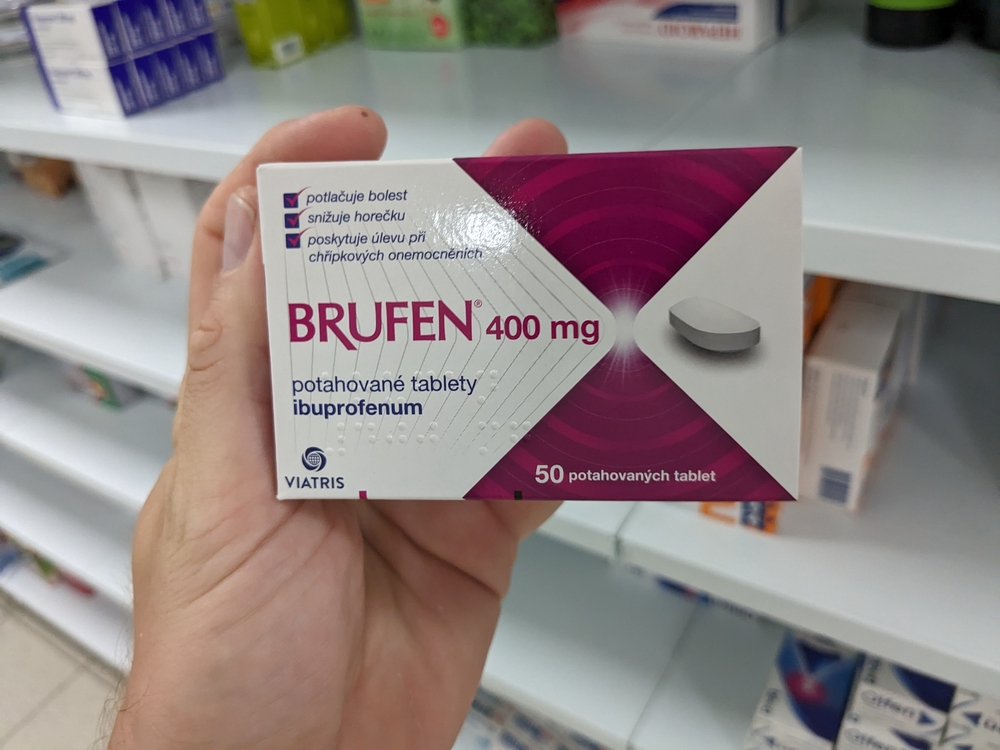
Something was wrong with Aleshia Rogers, but doctors couldn’t figure out what. Hours after leaving the emergency room with a misdiagnosis, blisters erupted across her face. Her skin began peeling away in sheets. What started as routine post-surgery pain management had triggered a medical crisis that would leave her fighting for her life in a burns unit.
Contents
show
Five years later, Rogers carries visible reminders of those terrifying weeks when her body turned against her. Her story serves as a stark reminder that even common medications can harbor hidden dangers. Behind her survival lies a medical mystery that continues to puzzle healthcare professionals and a warning that could save lives.
Nebraska resident Rogers never imagined that reaching for an over-the-counter painkiller would nearly cost her everything. Her experience with Stevens-Johnson Syndrome represents one of medicine’s most frightening complications, where familiar treatments become life-threatening enemies.
Nebraska Mom Issues Urgent Warning After Near-Fatal Ibuprofen Reaction
Rogers, now 32, has dedicated herself to raising awareness about Stevens-Johnson Syndrome since her harrowing experience in 2020. As a child and education technician from Lincoln, she understands the importance of clear communication when lives hang in the balance.
Her message balances caution with practical wisdom. Rogers recognizes that millions of people rely on pain medications for legitimate medical needs, but she wants consumers to understand the potential risks that accompany even routine treatments.
“I don’t want people to be afraid of medicines, but I want people to be aware and mindful of what can happen,” Rogers explained when discussing her motivation for sharing her story. Her advocacy work focuses on education rather than fear-mongering, encouraging informed decision-making about medication use.
Social media platforms have amplified her message, reaching thousands of people who might never have heard about Stevens-Johnson Syndrome otherwise. Rogers uses her platform to connect with other survivors while educating the public about warning signs and symptoms.
Medical professionals have praised her efforts to raise awareness about this rare but serious condition. Her willingness to share personal details about her trauma has helped healthcare workers better understand patient experiences and improve recognition of early symptoms.
Routine Recovery Turned Into Medical Nightmare
August 2020 marked what should have been a joyful time for Rogers and her family. After welcoming her son Jax through a caesarean section, she followed standard post-operative care protocols. Recovery from C-section delivery typically involves managing pain and reducing inflammation during the healing process.
Rogers began taking ibuprofen twice daily to address post-surgical discomfort and swelling. Her medical team recommended the medication as part of her standard recovery routine. Nothing about her situation suggested unusual risk factors or complications.
Her history with ibuprofen dated back over a decade. Since age 14, she had used the medication regularly to manage menstrual pain without experiencing adverse reactions. Years of safe use created no reason to suspect problems would develop.
Medical literature shows that adverse reactions can occur even after extended periods of safe medication use. Previous tolerance offers no guarantee against future complications, though such dramatic reactions remain extremely rare.
Rogers’ case illustrates how quickly routine medical care can become a life-threatening emergency. Her experience demonstrates that vigilance remains important even with familiar treatments.
Mysterious Flu-Like Symptoms Appeared Three Weeks After Birth

Three weeks after Jax’s birth, Rogers began experiencing symptoms that seemed unrelated to her recent surgery. A high fever developed alongside a burning sensation whenever she attempted to swallow. Her eyes started swelling and burning, creating discomfort that interfered with daily activities.
A small rash appeared on her chest, adding another puzzling element to her growing list of symptoms. Medical training teaches healthcare providers to look for patterns, but Rogers’ symptoms initially seemed to point toward common infections rather than medication reactions.
Emergency room staff evaluated her condition and diagnosed scarlet fever based on her presenting symptoms. Scarlet fever can cause rashes and fever, making it a reasonable initial diagnosis given the available information.
Rogers accepted the diagnosis and followed the prescribed treatment plan. She returned home expecting to recover from what appeared to be a straightforward bacterial infection. Her family prepared to support her through what seemed like a manageable illness.
Medical misdiagnosis occurs in emergency settings where time pressure and limited information can complicate accurate assessment. Rogers’ case demonstrates how rare conditions can masquerade as common illnesses during early stages.
Skin Started “Peeling Off” Hours After Hospital Discharge
Rogers’ condition deteriorated rapidly after returning home from the emergency room. Within hours, blisters began forming across her face in alarming patterns. Her skin started peeling away, revealing the severity of her actual condition.
Family members recognized that her symptoms had progressed far beyond anything resembling scarlet fever. Emergency transport back to the hospital became necessary as her condition continued worsening at an alarming rate.
Medical teams immediately recognized that Rogers was experiencing something far more serious than initially diagnosed. Her rapid deterioration and distinctive skin changes pointed toward a severe systemic reaction rather than a simple infection.
Hospital staff mobilized emergency protocols designed for critical medical situations. Rogers’ case required immediate specialist consultation and transfer to appropriate intensive care facilities.
Her family watched helplessly as medical professionals worked to stabilize her condition and determine the underlying cause of her dramatic symptoms.
Doctors Diagnosed Rare Stevens-Johnson Syndrome

Medical evaluation revealed that Rogers had developed Stevens-Johnson Syndrome, a rare and life-threatening condition triggered by her ibuprofen use. SJS represents one of the most serious medication reactions possible, capable of causing widespread tissue damage and organ failure.
Her condition progressed to Toxic Epidermal Necrolysis, the most severe form of Stevens-Johnson Syndrome. TENS involves massive skin loss and carries extremely high mortality rates even with aggressive medical intervention.
Specialists recognized that Rogers required immediate transfer to a burns intensive care unit equipped to handle her complex medical needs. Burn units possess specialized equipment and expertise necessary for treating patients with extensive skin loss.
Medical teams began aggressive treatment protocols designed to support patients through the acute phase of TENS. Her care required coordination between multiple specialties, including dermatology, critical care, ophthalmology, and plastic surgery.
Rogers’ diagnosis confirmed that her routine medication use had triggered one of medicine’s most feared complications.
Rogers Lost 95 Percent of Her Skin in Medical Crisis
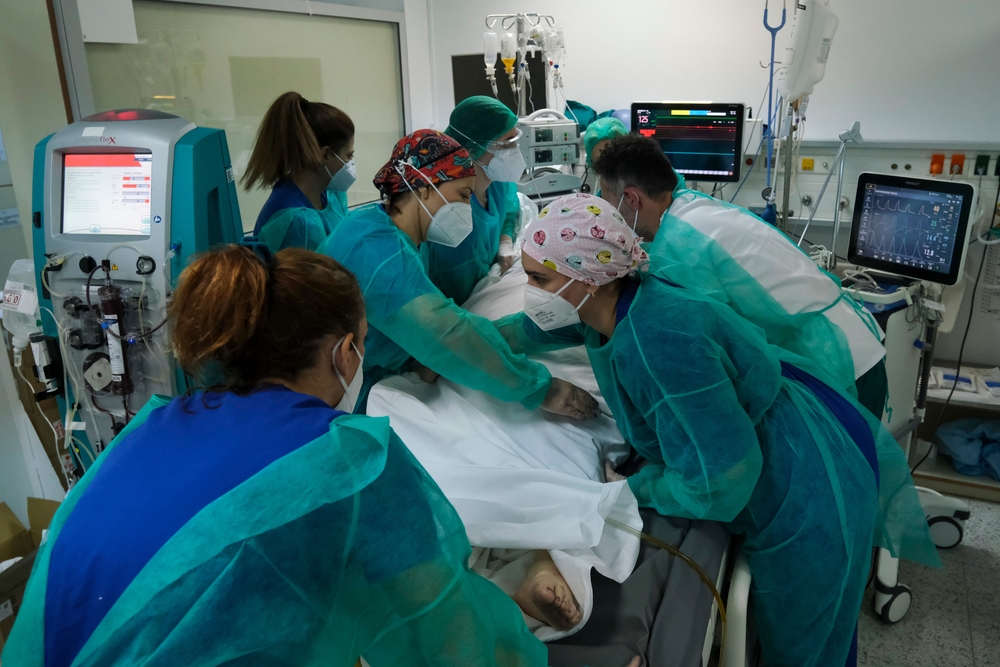
Burns intensive care units treat the most severely injured patients in hospital systems. Rogers required placement in a medically induced coma to help her body cope with the massive trauma of losing 95 percent of her skin.
Her medical team fought sepsis and multi-organ failure simultaneously while trying to preserve her remaining healthy tissue. Sepsis occurs when the body’s infection-fighting response damages its own organs, creating a dangerous cycle that can prove fatal.
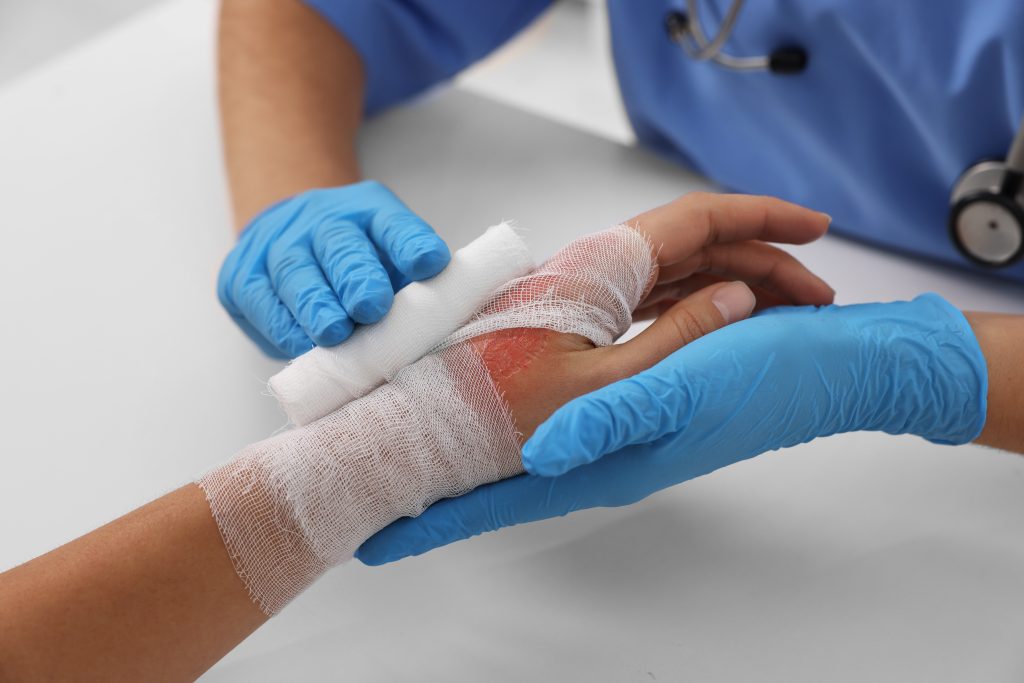
Full-body skin excision and grafting procedures became necessary to remove damaged tissue and begin reconstruction. Medical professionals essentially had to rebuild her body’s protective barrier using healthy skin from donor sites and artificial materials.
Ophthalmologists performed an amniotic membrane transplant on her eyes to reduce inflammation and prevent scarring that could cause permanent vision problems. Eye involvement in TENS can lead to blindness without aggressive intervention.
Rogers remained unconscious for three weeks while medical teams worked to save her life. Her family maintained bedside vigils, uncertain whether she would survive the multiple organ challenges threatening her life.
Survival Odds Dropped to Just 5-10 Percent

Medical teams provided Rogers’ family with sobering statistics about her chances of survival. With mortality rates between 90 and 95 percent for her condition, healthcare providers prepared her loved ones for the worst possible outcome.
Family members took turns staying with Rogers during her coma, talking to her unconscious form and hoping she could somehow hear their voices. Medical literature suggests that familiar voices can sometimes reach comatose patients even when other stimuli cannot.
Hospital chaplains and social workers provided support to help her family cope with the uncertainty and emotional trauma of watching their loved one fight for life. Critical care situations place enormous stress on family support systems.
Medical teams continued aggressive treatment while monitoring for signs of improvement or further deterioration. Rogers’ case required constant adjustment of treatment protocols as her condition evolved.
After a month in intensive care, Rogers defied medical expectations and began showing signs of recovery. Her survival represented a medical miracle that surprised even her experienced healthcare providers.
Memory Loss Added Psychological Trauma to Physical Recovery
Rogers emerged from her coma with extensive memory gaps that added psychological challenges to her physical rehabilitation. “I had absolutely no idea what had happened to me. I forgot that I had given birth. I lost a lot of memories,” she recalled about those early days of recovery.
Family members had to reintroduce her to recent life events, including the birth of her son Jax. Rebuilding lost memories became part of her recovery process as she tried to piece together missing weeks of her life.
Medical professionals explained that memory loss commonly occurs after extended comas and severe illness. Her brain had focused on survival rather than memory formation during the crisis period.
Rogers left the hospital looking unrecognizable to friends and family who had known her before the illness. Physical changes from her treatment would require ongoing medical attention and psychological adjustment.
Her recovery process involved learning to navigate a changed body while processing the trauma of her near-death experience. Support groups for burn survivors provided connections with others who understood her unique challenges.
Medical Mystery Remains Five Years Later
Despite extensive medical evaluation, Rogers’ healthcare team cannot explain why she developed Stevens-Johnson Syndrome after years of safe ibuprofen use. Her case represents one of medicine’s ongoing mysteries about medication reactions and individual susceptibility.
“There’s no prevention and once it starts, there’s nothing you can do to stop it. And there’s definitely a chance I can get it again at any time,” Rogers explained about living with the uncertainty of potential recurrence.
Medical researchers continue studying SJS and TENS to better understand triggering mechanisms and risk factors. Rogers’ case contributes to ongoing research efforts aimed at predicting and preventing future occurrences.
Genetic factors may play roles in medication sensitivity, but current testing cannot identify individuals at risk for Stevens-Johnson Syndrome. Medical science lacks reliable predictive tools for this rare but serious complication.
Rogers lives with the knowledge that her condition could recur without warning. Her experience has taught her to appreciate each day while remaining vigilant for symptoms that might signal another episode.
Rogers Advocates Awareness Without Fear of Medicine
Five years after her near-death experience, Rogers continues dealing with complications from Stevens-Johnson Syndrome. Her ongoing health challenges serve as daily reminders of her brush with death, but she refuses to live in constant fear.
Rogers has transformed her traumatic experience into a mission to educate others about medication risks while maintaining balance in her message. She recognizes that fear-based approaches to medicine can prevent people from seeking necessary treatment.
Her advocacy work reaches thousands of people through social media platforms and speaking engagements. Rogers shares her story at medical conferences, helping healthcare providers better understand patient experiences with rare conditions.