
Your cart is currently empty!
ICE Agents Are Now at Major Airports: Here Is What Travelers Need to Know
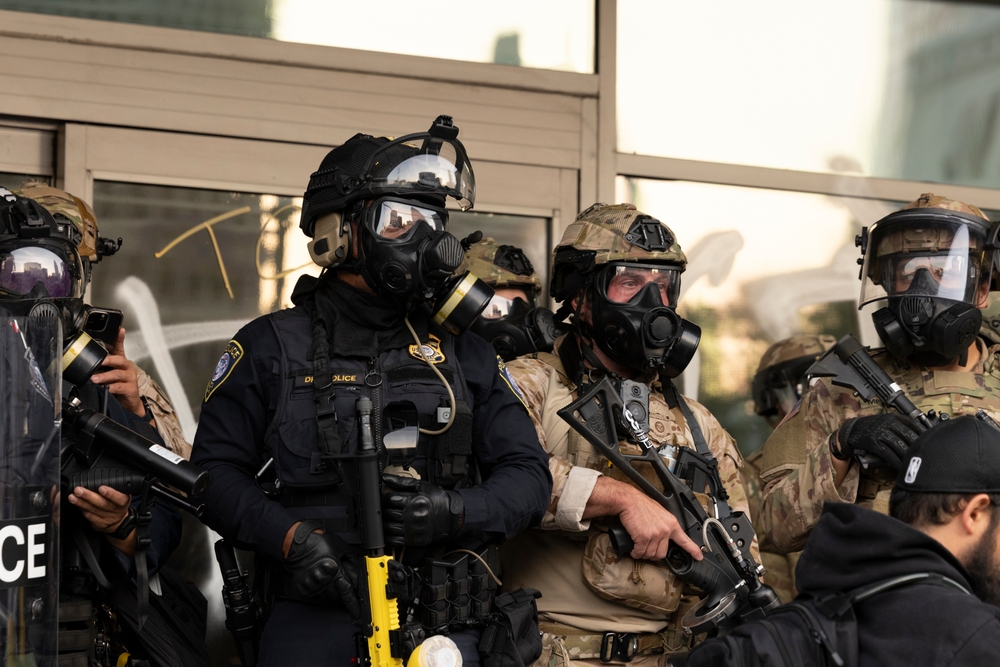
Travelers showing up for flights recently are being met with a startling sight: security lines wrapping through terminals and sometimes spilling right out the doors. Major airports nationwide are facing massive delays, prompting federal authorities to introduce a highly unusual emergency measure. In an attempt to manage the overwhelming crowds, Immigration and Customs Enforcement agents have suddenly been deployed to assist at various checkpoints.
Contents
show
Why ICE Agents Are Stepping In for TSA
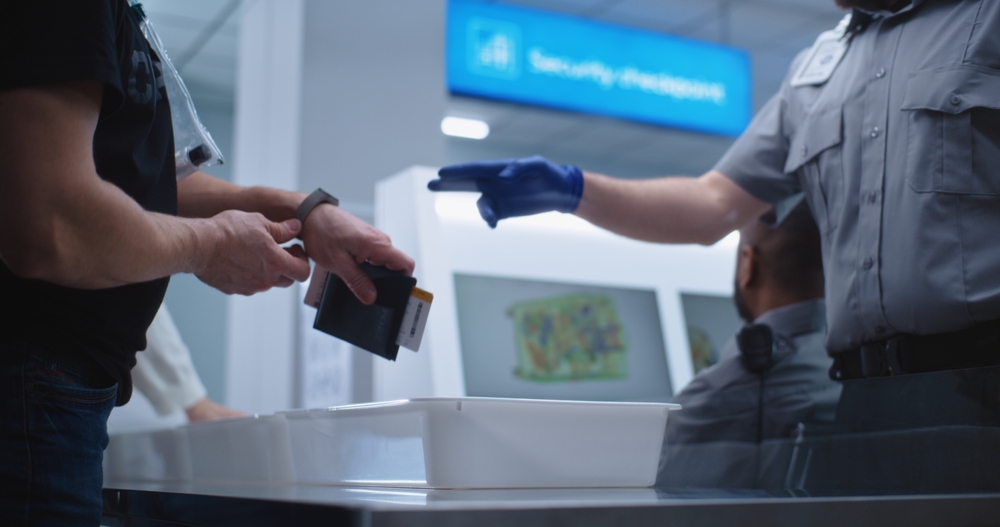
The recent sight of Immigration and Customs Enforcement agents at major airports comes down to one core issue: a partial government shutdown. Because of this political standoff, Transportation Security Administration workers have been forced to work without pay for over a month. Naturally, this lack of income is taking a heavy toll on the people responsible for keeping travelers safe.
Lauren Bis, a spokesperson for the Department of Homeland Security, recently stated that the shutdown has caused “more than 400 TSA officers to quit and thousands to call out from work because they are not able to afford gas, childcare, food, or rent.”
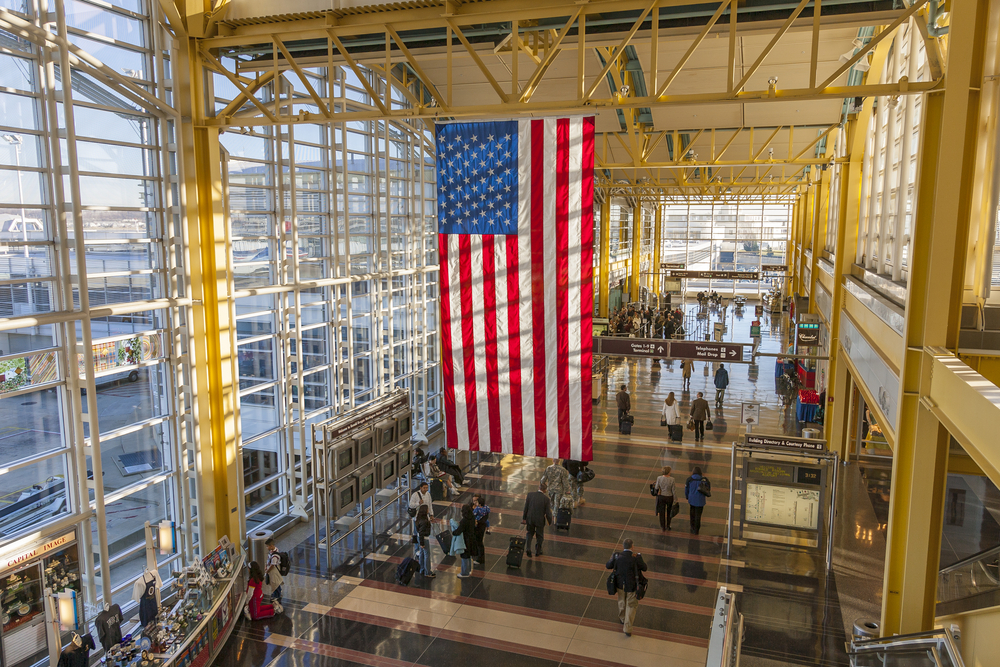
With fewer staff available to screen passengers, everyday travelers are facing massive delays. Airports in cities like Atlanta and Houston have reported security wait times stretching beyond three hours.
To help manage the growing crowds, federal officials sent ICE agents to at least 14 major airports. Since ICE received separate funding last year, its agents are still being paid. However, this temporary fix has travel experts worried about safety and efficiency. Zane Kerby, president of the American Society of Travel Advisors, shared his concerns about the situation. He noted, “I don’t know what I am more afraid of, honestly: a TSA worker who is distracted because they can’t make ends meet… or an ICE agent that knows nothing about how to screen people.”
What Are ICE Agents Actually Doing at Airports?
When travelers see Immigration and Customs Enforcement uniforms near security checkpoints, a common question arises: are these agents taking over for the missing TSA officers? The short answer is no. ICE personnel are stepping into supportive roles rather than taking over the complex job of passenger screening.
The reality is that TSA officers undergo an average of eight months of specialized training to identify prohibited items and operate advanced security equipment. Replacing them overnight is simply not possible. John S. Pistole, a former TSA administrator, explained the practical limits of this emergency deployment. He pointed out, “They clearly can’t come in and take over for TSA without a huge disruption, because do they know how to perform explosives-trace detection on hands or resolve an alarm?”
Instead of running the high-tech screening areas, ICE agents are primarily tasked with crowd control. They are monitoring the massive lines and helping to maintain order in areas like the PreCheck lanes.
Another major concern for travelers is whether these agents will be checking immigration status at the airport. Many communities have voiced fears about potential unexpected document checks. Addressing these worries, Atlanta Mayor Andre Dickens shared a statement clarifying the situation. He noted that federal officials have indicated that this deployment is not intended to conduct immigration enforcement activities.
While the presence of ICE agents might feel intimidating to some, their current assignment is about managing the overflow of travelers, not changing how security screening is done.
Knowing Your Rights at the Airport
It is completely natural to feel anxious when seeing immigration officers while rushing to a gate. If an agent does approach, experts strongly advise staying calm, as running or quickly walking away can raise unnecessary suspicions.
Nicole Hallett, director of the Immigrants’ Rights Clinic at the University of Chicago, points out that airports are public spaces. Because of this, agents can approach passengers anywhere, from the security lines to the boarding gate.
However, their authority has clear limits. Hallett notes that without a warrant, agents cannot legally search personal belongings like carry-on bags, laptops, or cell phones. They are generally there to maintain order, not to conduct random searches of luggage.
Every traveler also retains their constitutional protections. If an officer begins asking questions, individuals can politely invoke the Fifth Amendment. Hallett suggests that people can calmly state they are exercising their right to remain silent.
For those specifically concerned about their immigration status, the American Civil Liberties Union has issued formal guidance. The organization advises that noncitizens without legal status should carefully weigh the risks of flying right now. While US citizens and legal residents are not legally required to carry proof of citizenship for domestic flights, legal experts note that having official documentation handy can quickly resolve any unexpected questions.
Skip the Stress: Practical Tips for Your Next Flight
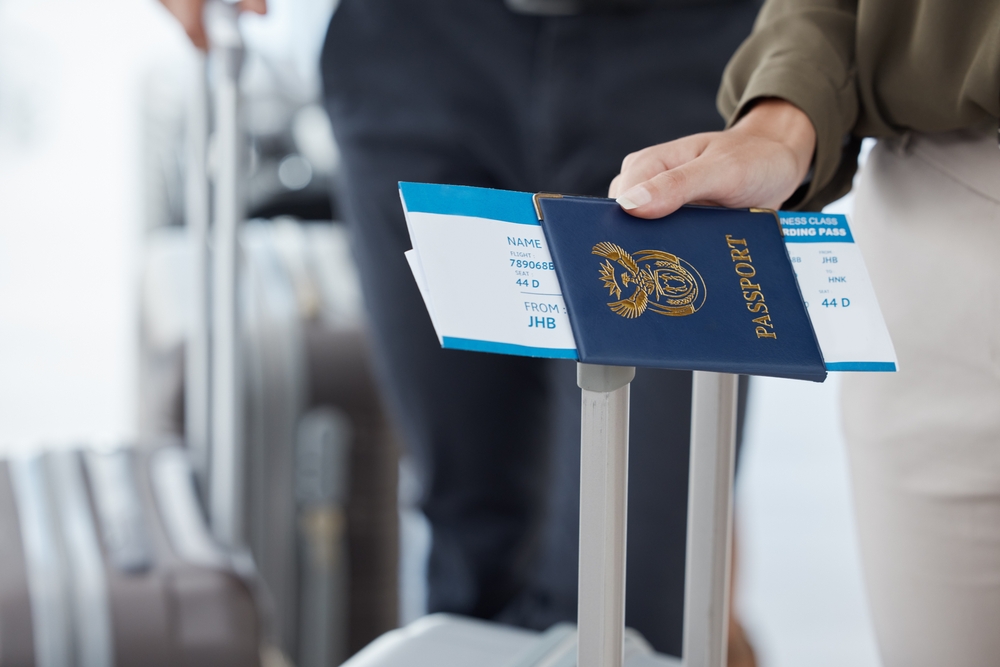
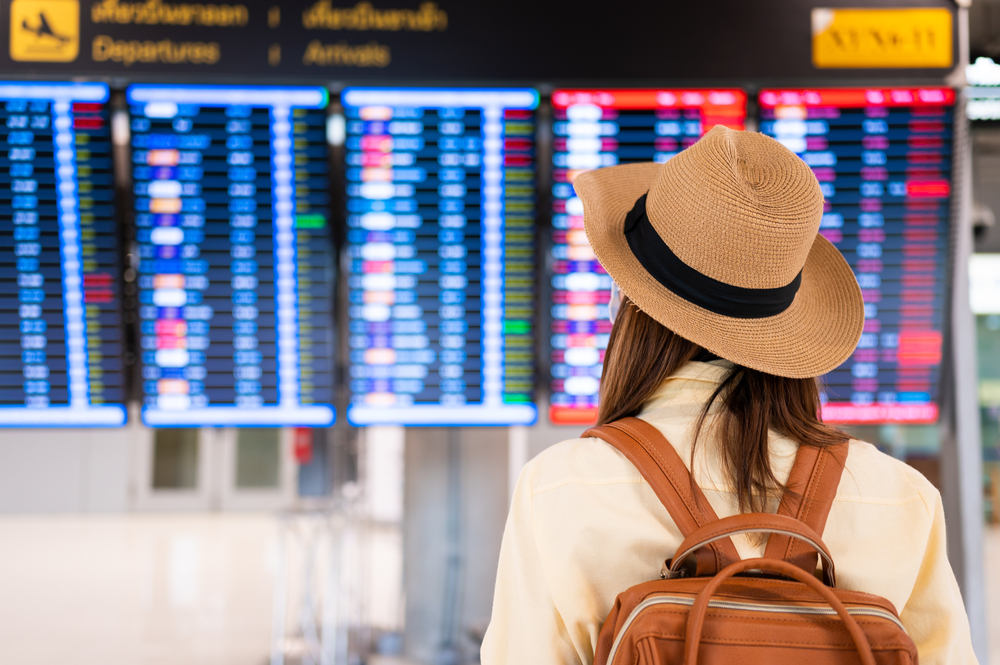
With security lines stretching longer than usual, anyone flying right now needs to prepare before leaving home. Finding accurate information is the first step. However, because of the government shutdown, standard resources are not reliable. Travel experts point out that the official TSA wait times posted online are simply not being updated.
Instead of the usual apps, passengers should check their specific airline for alerts and look at the local airport website. The situation is so unpredictable that some airports have stopped posting wait times completely. For instance, the airport in Atlanta now just advises travelers to arrive at least four hours early for security.
Once at the terminal, finding a faster line is the best option. Programs like TSA PreCheck are moving much quicker than regular security. If a traveler does not have PreCheck, private services like Clear are offering free two-month trials through their mobile app. This can help passengers skip the worst of the crowds.
If the lines look completely impossible to get through before boarding, there is still hope. Airlines know how stressful this situation is right now. Major carriers, including Delta and United, are letting passengers change their flights early without charging the usual rebooking fees. Calling customer service to look for a later flight can save a lot of headaches.
Arriving with a backup plan helps travelers take back some control over their trip, even with the ongoing delays.
The New Normal?
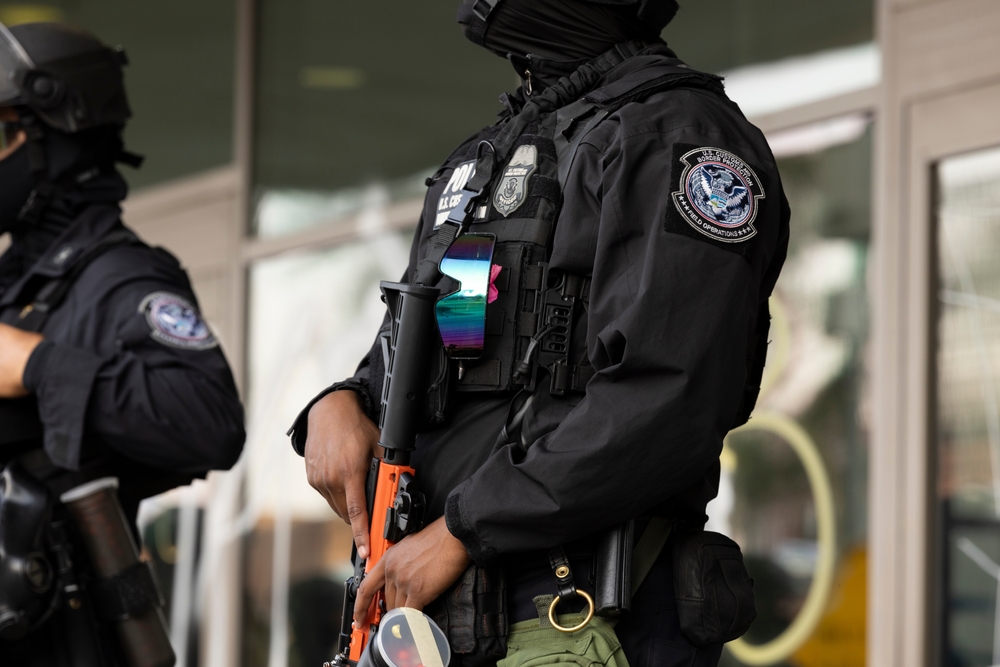
The deployment of Immigration and Customs Enforcement personnel to standard airport security lines highlights the severe operational impact of the partial government shutdown. With thousands of Transportation Security Administration officers absent due to missed paychecks, federal authorities have had to rely on these emergency reassignments to keep major travel hubs functioning. This sudden shift has left airports scrambling to manage unprecedented crowds and implement new logistical measures.
This current arrangement is a temporary measure rather than a permanent structural change to airport security. According to statements from lawmakers, negotiations are actively ongoing to restore funding to the Department of Homeland Security. A successful legislative agreement would allow regular TSA operations to resume fully, which would then prompt the withdrawal of ICE agents from these temporary line management duties.
Until a resolution is reached, the landscape of domestic air travel remains fundamentally altered. Passengers navigating major hubs must account for unpredictable delays, shifting security protocols, and the visible presence of different federal agencies. The most practical approach for anyone flying during this period is to closely monitor airline updates, arrive hours earlier than usual, and remain prepared for a non-standard screening environment.