
Your cart is currently empty!
The Real Story Behind Irans 10 Point Ceasefire Proposal
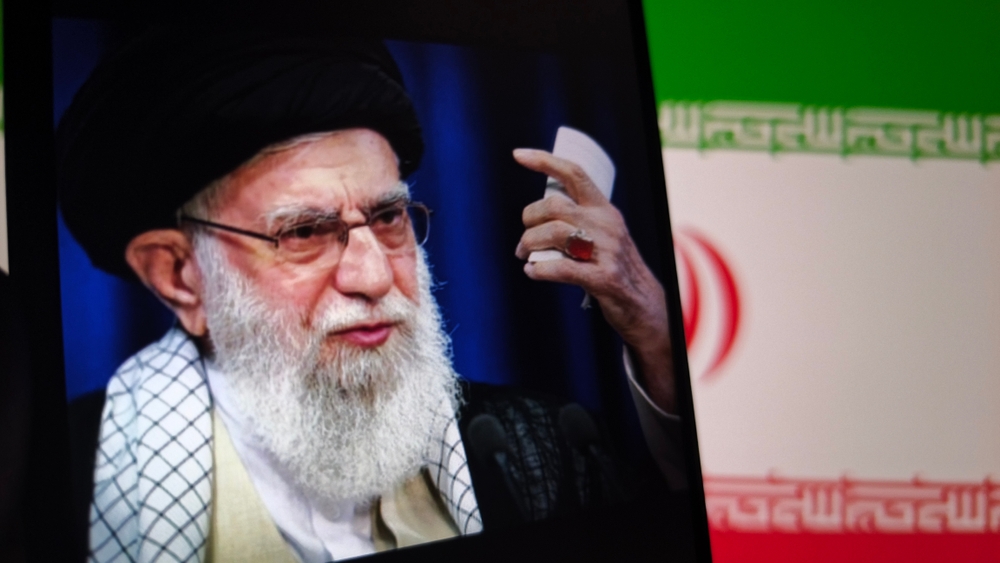
Donald Trump is calling it a “total and complete victory.” Iran is calling it proof that Washington was forced to back down. Israel says it has achieved its goals. Pakistan is presenting itself as the broker that helped pull the region back from the edge.
Contents
show
And that may be the clearest sign yet of how fragile this moment really is.
After more than a month of escalating conflict, threats of deeper regional war, and global anxiety over the Strait of Hormuz, the United States and Iran have now agreed to a two-week ceasefire. On paper, that sounds like a pause. In reality, it is a high-stakes political holding pattern, with each side trying to shape the story before the next round of negotiations even begins.
At the center of it all is Iran’s reported 10-point ceasefire proposal, a document that appears to offer a path away from all-out confrontation while also making demands that would have been almost unthinkable for Washington to accept just weeks ago. Trump has described the proposal as a “workable basis” for negotiations, even as he publicly frames the truce as proof that American pressure worked.
That contradiction matters. Because if this deal is really the product of overwhelming US leverage, then why does Iran’s proposal still include sanctions relief, frozen assets, compensation, strategic control over one of the world’s most important shipping lanes, and language around nuclear enrichment? And if this is truly a diplomatic breakthrough, why are major details still disputed by the very governments claiming success?
For now, the answer is simple: this is not peace. It is a pause with enormous consequences.
What the Ceasefire Actually Does
The immediate agreement is relatively narrow. The US has agreed to suspend strikes on Iran for two weeks, while Iran has agreed to halt retaliatory attacks and reopen safe passage through the Strait of Hormuz. Israel has also signaled support for the temporary arrangement, though even that has come with caveats and confusion, particularly over whether the ceasefire extends to Lebanon.
That matters because the war had already spilled beyond a direct US-Iran confrontation. Regional actors, proxy networks, Gulf shipping routes, and neighboring states had all been dragged into the crisis.
So while a two-week halt may sound modest, it is politically significant. It buys time. It lowers the immediate risk of a catastrophic miscalculation. It also gives every side a chance to reposition itself diplomatically.
Trump has leaned heavily into that framing, presenting the ceasefire as evidence that the US has already “met and exceeded” its military objectives. It is a classic Trump message: maximum force, maximum confidence, maximum ownership of the outcome.
But ceasefires are not won by slogans. They are tested by what happens next.
Iran’s 10-Point Plan is More Than a Surrender Document

The most important thing to understand about Iran’s reported proposal is that it is not written like the terms of a defeated country simply asking for mercy.
Instead, it reads like a negotiating framework from a government trying to convert military pressure into political leverage.
According to multiple reports, the plan includes demands such as the lifting of primary and secondary sanctions, the release of frozen Iranian assets, compensation for war damage, an end to attacks on Iran and its allies, and a binding international framework to lock in any eventual agreement. Some versions also include explicit language affirming Iran’s right to nuclear enrichment, though that wording appears to have been inconsistently presented across different versions.
That is a major clue to how Tehran wants this moment understood.
Iran does not want this ceasefire to look like capitulation. It wants it to look like strategic endurance. It wants domestic audiences, regional allies, and international observers to see a country that absorbed immense pressure and still walked into talks with demands on the table.
That does not mean Iran is in a strong position. Far from it. The country has suffered heavy damage, severe military strain, economic pain, and internal pressure. But it does mean that Tehran is trying to turn survival into bargaining power.
And politically, that is where this gets uncomfortable for Trump.
Trump Wants the Optics of Victory Without the Costs of a Wider War
Trump’s public messaging around the ceasefire has been revealing. He has repeatedly described the moment as a triumph, while also leaving open the possibility of renewed attacks if Iran does not comply. That balancing act is not accidental.
He wants to project strength abroad while avoiding the domestic political damage that comes with a prolonged Middle East war.
That is a crucial part of this story.
American voters are often receptive to shows of force when they appear quick, decisive, and low-cost. They are much less enthusiastic when military action starts looking open-ended, expensive, or strategically muddled. Once energy prices rise, global shipping stalls, and fears of broader regional conflict begin to dominate headlines, the political math changes fast.
That helps explain why the ceasefire is useful to Trump even if it falls far short of a final settlement.
It allows him to say several things at once: that he was tough, that his threats worked, that he avoided a larger war, and that he is still willing to escalate again if necessary. In campaign terms, that is a highly efficient message.
But diplomacy is rarely as clean as campaign messaging. If the next phase of talks requires sanctions relief, concessions over Iran’s nuclear program, or any arrangement that looks like Tehran extracted real gains, Trump’s “victory” language may become harder to sustain.
Why the Strait of Hormuz is Doing So Much of the Political Heavy Lifting
One reason this ceasefire moved so quickly into urgent diplomacy is the Strait of Hormuz.
It is not just another regional flashpoint. It is one of the world’s most strategically important waterways, carrying a huge share of global oil and gas flows. When that chokepoint becomes unstable, the consequences ripple outward almost immediately, from energy traders and shipping insurers to governments and ordinary consumers filling up their cars.
That is why this conflict stopped being a distant geopolitical story for many people and started becoming an economic one.
The temporary reopening of the strait is one of the biggest practical outcomes of the ceasefire so far. But even here, the politics are messy.
Iran appears to want a future arrangement in which it has some recognized role in managing or regulating passage through the waterway. Reports have also circulated about possible transit fees or reconstruction-linked financial arrangements. Those ideas may prove unrealistic or short-lived, but their presence in the conversation tells you something important: Iran understands exactly where its leverage lies.
That leverage is not just military. It is economic.
And for the US, that creates a dilemma. Washington wants stability in global energy markets, but it does not want to reward coercive brinkmanship. That means every negotiation over Hormuz is also a negotiation over precedent. If Iran is seen to gain materially from creating global disruption, critics will say the entire logic of deterrence has failed.
The Nuclear Issue is Still the Hardest Part of the Deal
For all the headlines about ceasefires, shipping lanes, and military pauses, the deepest unresolved issue remains Iran’s nuclear program.
This is where temporary diplomacy could run into its most serious limits.
Trump and his allies have long framed Iran’s nuclear ambitions as a red line. Iran, meanwhile, continues to insist that it does not seek a nuclear weapon while defending its right to nuclear activity and, in some reported versions of the ceasefire plan, nuclear enrichment.
That distinction is not a small technicality. It is the heart of the dispute.
Because the central question is not whether both sides want an agreement in the abstract. The real question is whether they can agree on what counts as an acceptable Iranian nuclear future.
From Washington’s perspective, anything that leaves too much enrichment capacity in place can be portrayed as dangerous or politically indefensible. From Tehran’s perspective, abandoning enrichment entirely would look like surrender under bombardment.
That is why even a successful ceasefire does not automatically mean a durable peace deal is close.
The most likely reality is much more frustrating: a negotiation in which both sides try to narrow the distance without appearing weak at home.
And that, historically, is where many such talks begin to unravel.
Pakistan’s Role is a Reminder That Middle Powers Still Matter
One of the more striking political details in this entire episode is who appears to have helped pull the ceasefire together.
Pakistan has emerged as a key intermediary, with Prime Minister Shehbaz Sharif publicly positioning Islamabad as a diplomatic bridge between Washington and Tehran. That matters not just for the mechanics of this truce, but for what it says about the current geopolitical landscape.
This was not a moment dominated solely by Washington, Brussels, or the UN. It was a reminder that regional and middle-power diplomacy still matters, especially when great powers are trapped by their own rhetoric.
Pakistan’s involvement also makes strategic sense. A wider war involving Iran, the Gulf, Israel, and the US would have enormous consequences for South Asia, energy security, regional trade, and domestic political stability across the broader neighborhood.
China’s reported encouragement of a ceasefire also fits this pattern. Beijing has major economic interests tied to regional stability and energy flows, and it has every reason to avoid a conflict that sends global markets into deeper turmoil.
So while Trump may be trying to own the public narrative, the diplomatic reality appears far more crowded. This is not just a US-Iran story. It is a reminder that modern crises are negotiated in layers, with visible leaders at the top and quieter power brokers shaping the edges.
The Biggest Problem is That Everyone is Claiming Victory
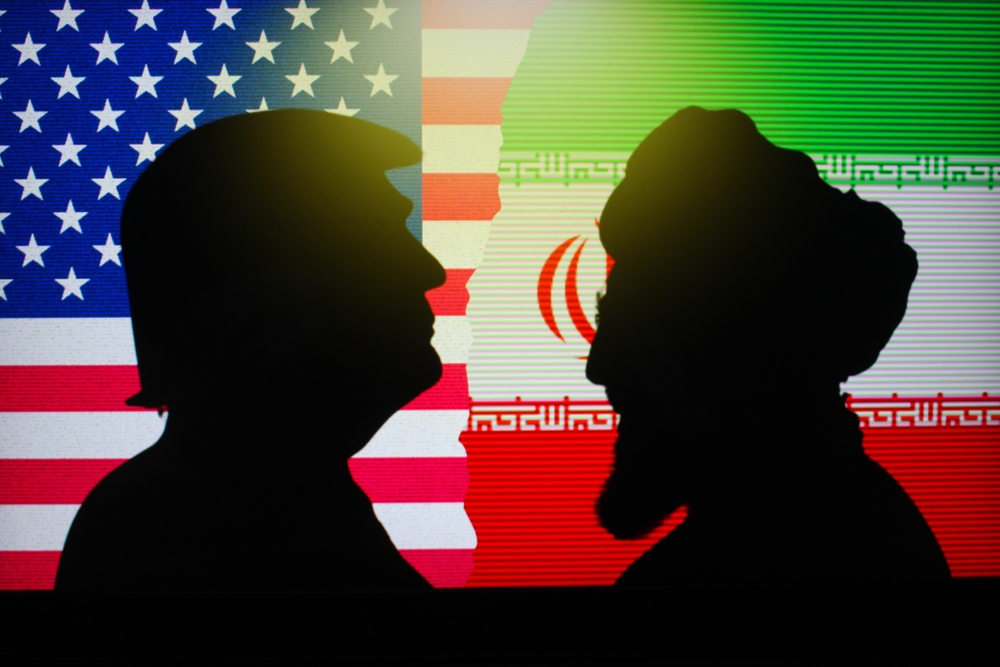
There is a reason analysts often get nervous when all sides emerge from a ceasefire sounding pleased with themselves.
It usually means the hardest disagreements have not been resolved. They have just been postponed.
That is exactly what seems to be happening here.
Trump is telling supporters that the US won. Iranian officials are telling their public that the enemy was forced into retreat. Israel says its security goals remain central. Pakistan is celebrating diplomacy. International markets are breathing slightly easier. In the short term, all of those narratives can coexist.
In the longer term, they may become incompatible.
Because eventually the talks will move from slogans to specifics. And specifics are where political coalitions begin to crack.
Will the US lift sanctions? Will Iran accept limits on enrichment? Will the Strait of Hormuz remain fully open without some new mechanism of control or cost? Will Israel tolerate an agreement that leaves Tehran with any strategic room to maneuver? Will regional militias actually stand down? And if violence resumes somewhere adjacent, does the entire arrangement collapse?
Those are not rhetorical questions for dramatic effect. They are the actual pressure points that will determine whether this ceasefire becomes a diplomatic opening or just a short intermission before the next escalation.
What This Moment Really Tells Us
The temptation in stories like this is to decide too quickly who “won.” Political media often rewards certainty, strong framing, and simple scorecards.
But the truth is that this ceasefire tells us something more complicated and, in many ways, more revealing.
It shows that even after weeks of military escalation, neither side got a clean strategic outcome.
The United States and its allies were powerful enough to inflict enormous pressure, but not so dominant that diplomacy became unnecessary. Iran was battered, isolated, and under severe strain, but not so broken that it came to the table empty-handed. And Trump, despite all his rhetoric of total victory, has still ended up in the place many wars eventually arrive: a negotiation shaped by the very adversary he was trying to corner.
That does not mean diplomacy is a sign of weakness. If anything, it is often the clearest admission that brute force alone was not enough.
For ordinary people watching from outside the region, that may be the most important takeaway. The consequences of conflicts like this do not stay contained. They move through fuel prices, shipping costs, political alliances, election narratives, and the general sense that the world is once again being pushed toward a cliff by leaders who insist they are in control.
For now, the ceasefire has lowered the temperature. That matters. It may even save lives.
But if the coming negotiations fail, the language of “victory” will not mean much.
What will matter is whether this pause was used to build something more stable, or whether it simply gave every side enough breathing room to prepare for the next round.
At the moment, Iran’s 10-point ceasefire plan is being treated as the framework for that answer. Whether it becomes the basis of a lasting settlement, or just another document in the long archive of unfinished Middle East diplomacy, will depend on what happens after the headlines fade.
And that is always the part that matters most.