
Your cart is currently empty!
Italian Pasta Is Poised to Disappear From American Grocery Shelves – Here’s Why

Kelly thought she was making a simple dinner plan when Monday night arrived. Instead, she told her husband to put the kids to bed while she grabbed her car keys and drove to Wegmans. Her mission involved panic buying $100 worth of Rummo pasta before it disappeared forever.
Contents
show
Similar scenes played out across America as shoppers learned their beloved Italian pasta brands might vanish from grocery aisles by January 2026. Social media erupted with references to Tony Soprano and declarations of single-issue voting. Philadelphia’s historic Italian Market buzzed with worried conversations. Restaurant owners in New York City scrambled to find solutions.
A bureaucratic trade dispute between two countries threatens to upend a $770 million relationship built over decades. Thirteen major Italian pasta companies now face a potential 107% tariff that could effectively ban their products from American markets. Brands that have anchored pantry shelves for generations may soon become memories.
America’s Love Affair With Italian Pasta Faces a $770 Million Problem
Italy produces more pasta than any other nation on Earth. Its factories churn out $4.65 billion worth of tortellini, spaghetti, and rigatoni each year, with most production heading overseas rather than staying domestic. Americans consume roughly 15% of these exports, making the United States Italy’s second-largest market after Germany.
Commerce Department officials launched what they called a routine anti-dumping review in August 2024 under the Biden administration. By September, preliminary findings suggested Italian producers were selling pasta into American markets at below-market prices. Two companies bore the brunt of scrutiny as primary respondents in the investigation.
Government officials now weigh imposing an additional 92% duty on top of the existing 15% tariff that President Donald Trump’s administration placed on European exports generally. Combined, these measures create the 107% figure, making headlines and emptying store shelves as anxious consumers stockpile their favorite brands.
Sal Auriemma has operated Claudio Specialty Foods in Philadelphia’s Italian market for over 60 years. He expressed bewilderment at targeting such a basic commodity. “Pasta is a pretty small sector to pick on. I mean, there’s a lot bigger things to pick on,” Auriemma said, pointing to luxury items as alternatives. “It’s basic food. Something’s got to be sacred.”
Your Favorite Boxes Could Cost Double or Vanish Entirely
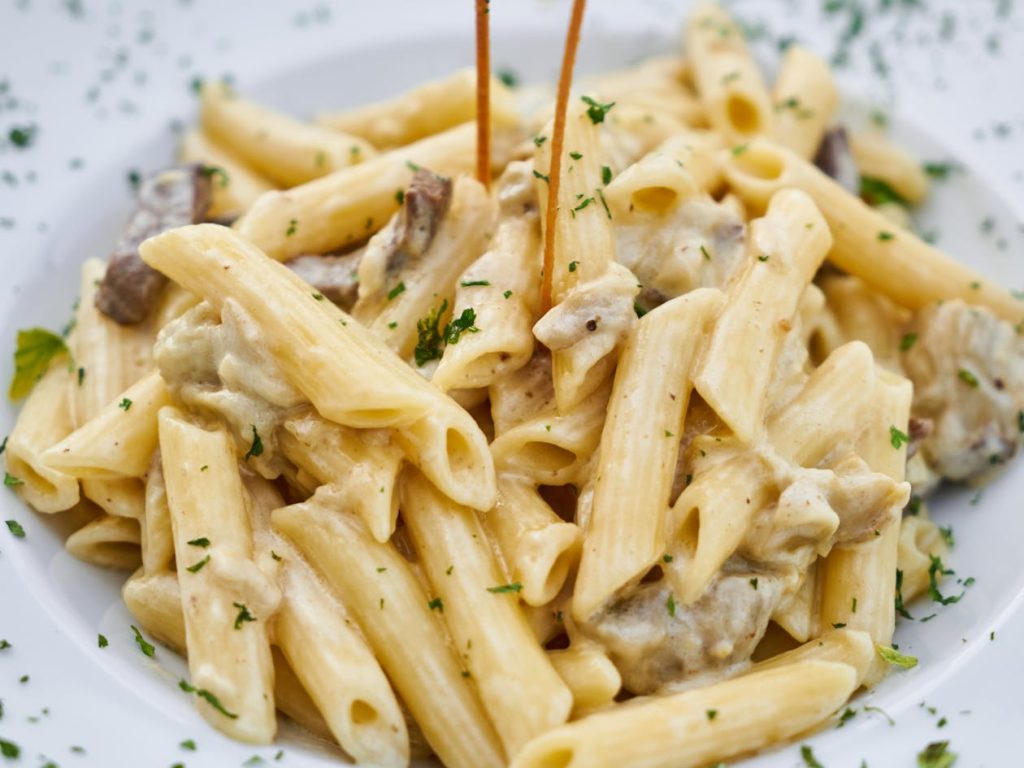
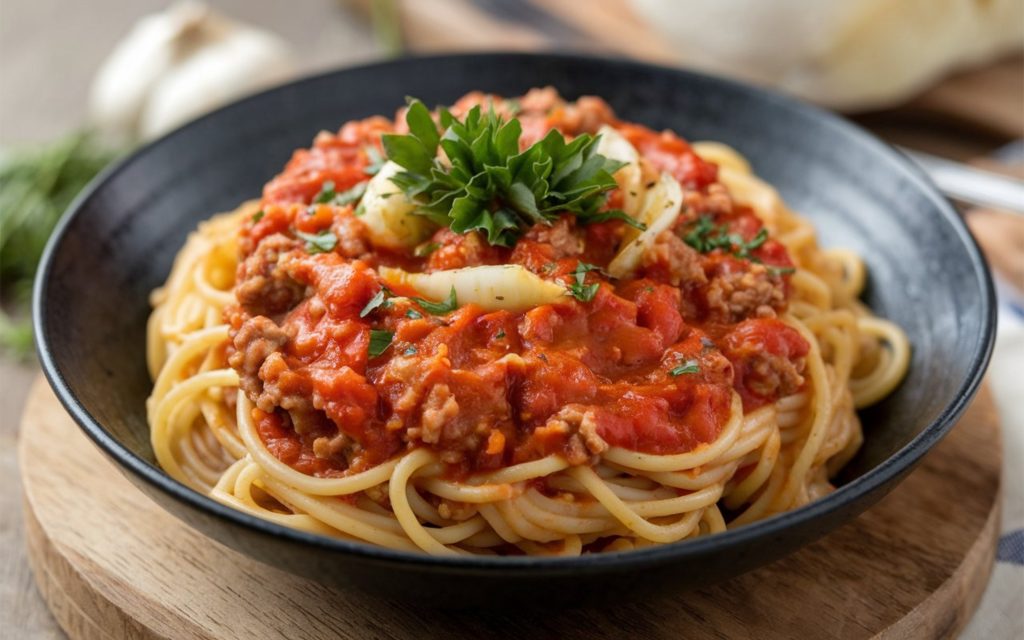
Barilla’s familiar blue and red boxes command a 34% market share in American grocery stores. La Molisana packages line specialty food aisles. Garofalo and Rummo cater to discerning home cooks willing to pay premium prices for superior quality. All 13 companies now face an impossible choice between absorbing devastating tariff costs or abandoning the American market.
Jim Donnelly serves as Chief Commercial Officer for Rummo USA. He confirmed the company denies allegations of undercutting on pricing and faces penalties because of other companies’ failures to supply information. Rummo pasta currently retails at an average of $3.99 per box. Under the proposed tariff structure, prices would jump to between $6.49 and $7.99.
“We will absorb this until this bad ‘cookie cutter judgment’ is fixed. We are confident the government will see this as a big mistake,” Donnelly told NBC News.
Panic buying began almost immediately after news broke. Kelly, a 42-year-old product manager living outside Philadelphia, suffers from celiac disease. Eating gluten triggers immune responses that lead to serious digestive issues. She saw fellow gluten-free people on Reddit and TikTok expressing alarm over the tariff news. Rummo’s gluten-free spaghetti, made from corn and brown rice, has earned a reputation as the best option available.
Kelly left some boxes on Wegmans’ shelves for other shoppers but acknowledged the terror of losing access to safe food options. Celiac sufferers already navigate limited choices daily. Removing a staple item adds one more burden to an exhausting routine.
How a Missouri Pasta Maker Triggered an International Trade War
8th Avenue Food & Provisions owns the Ronzoni brand. Winland Foods produces pasta under several labels, including Prince, Mueller’s, and Wacky Mac. Both Missouri and Illinois-based companies filed dumping complaints in 2024, claiming Italian competitors sold products at artificially low prices and undercut local manufacturers.
Commerce Department officials focused their review on La Molisana and Garofalo as Italy’s two largest exporters. Any sale price below either producer’s costs or the prices they charge in Italian markets would constitute dumping under the standards applied to numerous Italian pasta reviews since 1996.
Officials allege both companies presented information incorrectly or withheld it, which hampered analysis. White House spokesperson Kush Desai described three separate failed attempts to obtain proper documentation. “After they screwed up their initial responses, the Commerce Department explained to them what the problems were and asked them to fix those problems; they didn’t,” Desai said in an emailed statement. “And then Commerce communicated the requirements again, and they didn’t answer for a third time.”
Commerce Department representatives extended the 92% duty estimate to 11 other companies based on an assumption that the two primary respondents’ behavior represented the entire industry. Neither La Molisana nor Garofalo responded to requests for comment from multiple news organizations.
What Dumping Actually Means and Why Italy Disputes the Charges
Dumping occurs when companies sell products in importing countries for less than they charge in their home markets. World Trade Organization rules allow affected nations to impose tariffs that level the playing field for domestic producers. Commerce Department officials insist their investigation follows standard protocols used for decades.
Margherita Mastromauro serves as president of the pasta makers sector within Unione Italiana Food. She told reporters that Italian pasta prices in American markets remain high and certainly higher than American-made rivals. Her analysis directly contradicts dumping claims and suggests the entire premise rests on faulty assumptions.
Lucio Miranda, president of consultancy group Export USA, agreed with her assessment. Speaking by phone from New York, the Italian expert predicted catastrophic results. “A duty rate of 107% would definitely kill this flow of export,” Miranda said. “It’s not going to be something that you can just dump on the consumer and move on, life continues. It will definitely be a deal killer.”
Breaking Down the 107% Number Everyone’s Talking About
Commerce Department officials structured their proposed penalty in two parts. First came the 92% anti-dumping duty based on their preliminary findings about Italian companies. Second came the 15% blanket tariff that Trump’s administration already imposed on European Union exports.
Stacked together, these measures create a 107% total threat to Italian pasta makers. Officials plan to apply tariffs not just to future imports but retroactively to the 12 months through June 2024. They note that only 16% of total Italian pasta imports may face these penalties, though that figure offers little comfort to affected companies and consumers.
January 2, 2026, marks the scheduled date for a final decision. Officials could extend their timeline by 60 days if needed. Industry representatives anxiously await what Commerce Department spokespeople call a “not final determination” while preparing for worst-case scenarios.
Small Italian Towns Face Economic Devastation
Benevento sits about an hour’s drive northeast of Naples. Fifty-five thousand people call this sleepy hilltop town home, enjoying its ancient Roman theater and famous Aglianico red wine. Pasta Rummo has operated here since 1846, priding itself on a seven-phase “slow work” production method that distinguishes its products from mass-market alternatives.
CEO Cosimo Rummo faces losing annual exports worth 20 million euros to American markets. He expressed outrage during a phone interview about what he considers senseless policies. “These tariffs are completely senseless,” Rummo said. “These are fast-moving consumer goods… Who would ever buy a pack of pasta that costs 10 dollars, the same price as a bottle of wine?”
Rummo has no intention of relocating production to American soil, even though some companies have chosen that path to avoid tariffs. Barilla established large-scale production facilities in the United States decades ago, making it the main Italian pasta brand in American stores while maintaining operations in Italy.
Mastromauro warned that medium and small producers face potential fatal blows to their operations. Family businesses that survived world wars and economic crises now confront extinction over trade policies they consider unjust and unfounded.
American Pasta Makers See Business Opportunity in Crisis
Scott Ketchum founded Sfoglini, a US-produced artisanal pasta brand. He predicts domestic manufacturers will take advantage of tariff news by raising prices slightly. “That’s just business,” Ketchum said matter-of-factly.
Sfoglini already charges premium prices around $6 per 12-ounce box due to organic wheat imported from Italy. Ketchum pays tariffs on that ingredient now and watched Trump administration officials increase wheat tariffs from 10% to 15% after negotiations.
Laing warns that news stories about tariffs train consumers to expect pasta price increases without realizing most products face no import penalties. Stores could markup domestic brands by a dollar or more, claiming tariff-related costs that don’t actually exist. Off-brand pasta boxes become more expensive despite remaining tariff-free.
America ranks as the second-largest pasta producer globally. Domestic companies stand poised to capture market share abandoned by Italian competitors. Whether they maintain reasonable pricing or exploit consumer confusion remains an open question.
Political Fallout Crosses Party Lines and Ocean
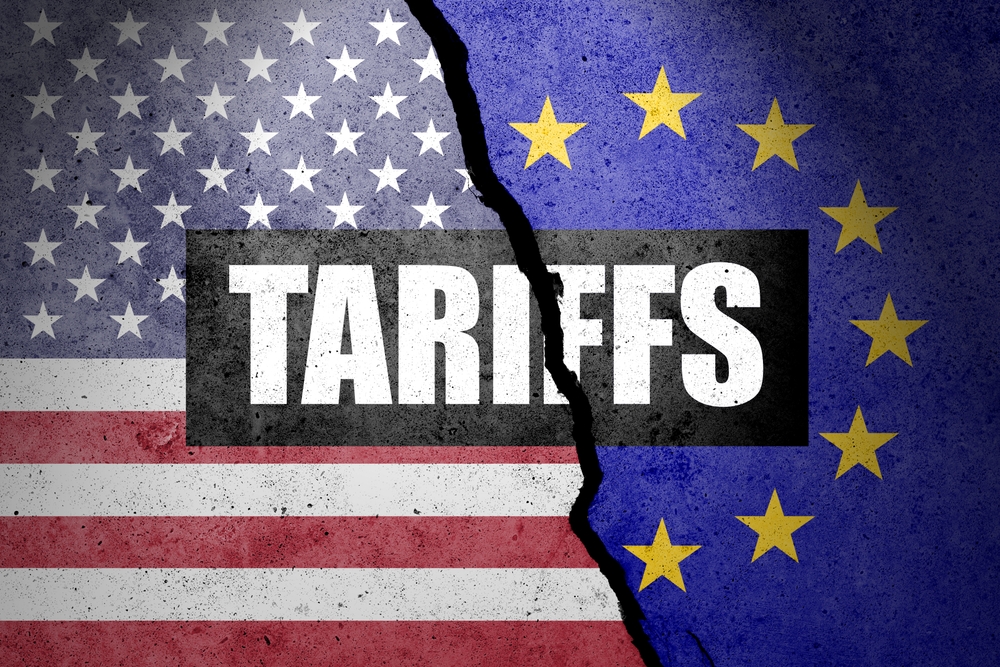
Italian Agriculture Minister Francesco Lollobrigida told lawmakers his government works with the European Commission on diplomatic efforts while supporting companies’ legal actions opposing American sanctions. EU Trade Commissioner Maros Sefcovic addressed reporters in Rome, calling the combined 107% levy unacceptable and stressing a lack of evidence backing American decisions.
Political reactions in America transcended typical partisan divisions. MSNBC host Chris Hayes declared himself a one-issue voter over pasta access. Reddit users compared the situation to conservative complaints about Columbus Day. Social media is filled with references to Tony Soprano’s son asking about ziti.
Robert Tramonte owns Arlington, Virginia’s Italian Store. He called his supplier seeking assurances after news broke. Warehouse inventory should keep prices steady through Easter, offering temporary relief. Tramonte’s clients demand top-shelf products and expect authentic Italian options. Made-in-America pasta simply doesn’t measure up.
“They’ve tried to make Italian products and use the same ingredients, but the source wasn’t Italy,” Tramonte explained. “And they just didn’t taste the same.”
Why Grocery Prices Keep Rising Despite Administration Claims
Yale Budget Lab estimated in September that tariffs cost American households an extra $2,400 annually. Government shutdown delays affected SNAP benefits, leaving food stamp recipients anxious and hungry. President Trump told reporters, inflation is way down, earlier in November, even as grocery prices increased under his administration.
Pasta tariffs add pressure to families already stretched thin by rising costs across multiple categories. Friday’s executive order exempted 200 food items from tariffs but conspicuously excluded pasta. Coffee, beef, and bananas gained protection while Italy’s signature export faced punishment.
Kelly understands that worse problems exist than missing out on spaghetti. Yet celiac disease consumes enormous mental energy planning every meal around safety concerns. Constant vigilance about what foods prove safe creates exhausting background anxiety. Watching staple foods potentially disappear adds another burden to an already difficult condition.
Italian pasta may vanish from American grocery shelves by late January. Or Commerce Department officials may reconsider their preliminary findings and extend review timelines. Thirteen companies wait for answers while consumers stockpile their favorite brands and restaurant owners develop contingency plans.
One thing seems certain in an uncertain situation. America’s relationship with Italian pasta will never quite look the same again, regardless of how bureaucrats in Washington ultimately decide this trade dispute.