
Your cart is currently empty!
Italy just upgraded dogs to cabin class. No more cargo holds for dogs!
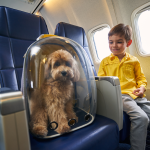
For many pet owners, the thought of sending a beloved dog into an airplane’s cargo hold is enough to reconsider the trip entirely. The dim, noisy, and often unpredictable environment beneath the cabin can be stressfu: and in some tragic cases, dangerous: for animals. Until recently, air travel rules in most countries left owners of medium and large dogs with few alternatives. But this spring, Italy took a decisive step toward changing that reality.
Contents
show
In a move hailed by animal welfare advocates and travelers alike, Italy’s civil aviation authority has redefined the way dogs can fly, allowing many to join their humans in the passenger cabin rather than being stowed below. It’s a shift that’s not just logistical: it’s cultural, reflecting a growing recognition of the deep emotional bonds between humans and their pets. And with Italy already known for its pet-friendly train network, the country is quickly becoming a model for integrated, humane travel.

Italy’s Landmark Policy Change for Canine Travelers
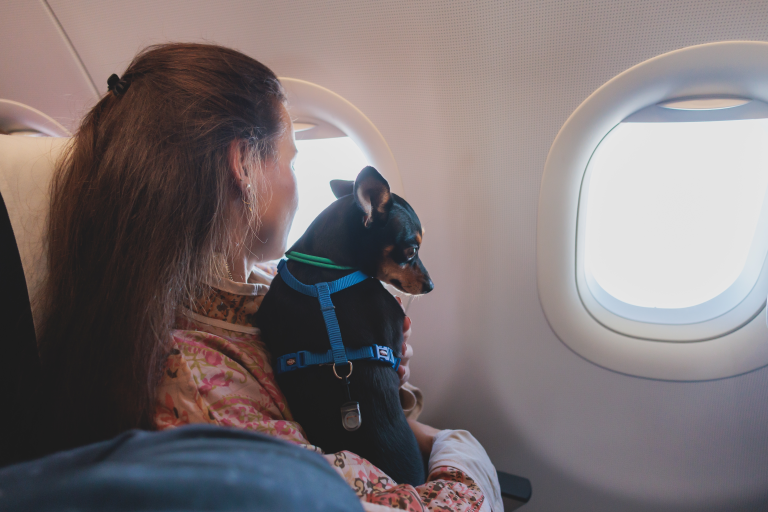
On May 12, 2025, Italy’s civil aviation authority, ENAC (Ente Nazionale per l’Aviazione Civile), approved a groundbreaking update to its pet travel regulations: medium and large dogs are no longer automatically consigned to the cargo hold during flights. Instead, as long as the combined weight of the dog and its carrier does not exceed the average human passenger, they can travel in the cabin alongside their owners. This marks a decisive departure from the long-standing limit that confined in-cabin travel to animals under 10 kilograms (about 22 pounds) in small carriers stowed beneath the seat.
The implications are both practical and emotional. For years, pet owners have expressed concerns about the stress, disorientation, and potential health risks of cargo-hold travel for animals. Incidents of pets being lost, injured, or worse during air transport have underscored those fears. Now, Italian travelers can secure their dogs in approved carriers: belted in like any other passenger:ensuring that their companions are visible, accessible, and safe throughout the journey.
While the new ENAC guidelines establish a national standard, individual airlines still have the authority to set specific conditions. These must be reviewed and approved by ENAC before implementation, and could include limits on the number of pets allowed per flight or additional requirements for securing the carrier. The policy does not extend to all large breeds: especially those exceeding the weight threshold: but it opens the cabin door to most mid-sized and larger dogs, dramatically expanding options for pet-inclusive travel.
Transport Minister Matteo Salvini, who championed the change, described it as a “battle of common sense and civility,” emphasizing that pets are not cargo but companions deserving humane treatment. For Italy: a country already noted for pet-friendly train travel: this decision strengthens its position as a leader in compassionate, animal-inclusive transportation policy.
The Emotional and Social Significance of the Change
For many people, a dog is not merely a pet: it is an emotional anchor, a source of comfort, and a constant presence in the rhythms of daily life. In a fast-moving world marked by increasing stress, loneliness, and disconnection, pets offer a kind of grounding that is both emotional and physiological. Studies have shown that interacting with dogs can lower cortisol levels, reduce blood pressure, and release oxytocin, the hormone associated with bonding and trust. Being able to keep that emotional lifeline close, even during the often-stressful experience of air travel, is no small matter.
Italy’s new policy acknowledges this reality. By allowing more dogs into the cabin, the regulation validates the bond between human and animal as something worth protecting in public spaces. It signals a cultural shift in how society defines “family” and whose needs are considered in the design of transportation systems. Just as a parent would never place a toddler alone in the cargo hold, more people are questioning why such separation has been the norm for animals who often occupy similarly important roles in our lives.
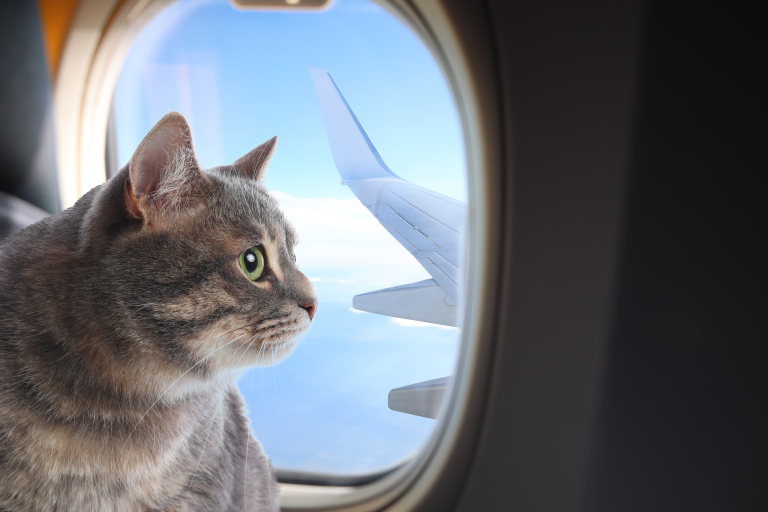
There is also an inclusivity dimension to this change. For individuals with emotional support animals: especially those dealing with anxiety, PTSD, or other mental health conditions: the ability to keep a dog within sight and reach during a flight is not just comforting; it can be critical to their well-being. While Italy’s law doesn’t create a special category for emotional support animals beyond its general pet policy, the outcome for those passengers is the same: a more humane travel experience that takes emotional needs seriously.

Setting a Precedent for Global Aviation
Italy’s decision does not exist in isolation: it sends a clear message to the global travel industry. With over 470 million dogs kept as pets worldwide, the demand for safe and dignified travel options is steadily increasing. Many airlines have been slow to adapt, citing logistical challenges and passenger preferences, but history suggests that when one country or airline sets a humane standard, others often follow. Precedents such as banning cosmetic animal testing or outlawing puppy mills began in specific countries before spreading internationally.
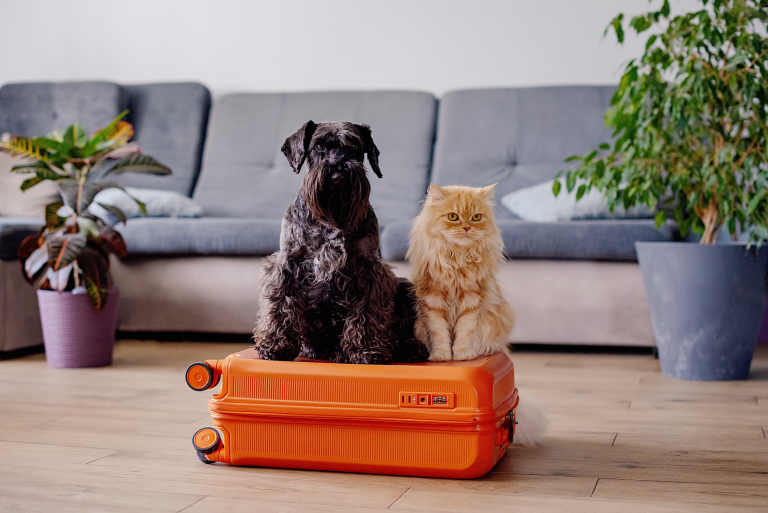
In Europe, where borders can be crossed quickly by plane, train, or car, harmonizing pet travel standards could significantly improve the travel experience for pet-owning families. Italy has already demonstrated consistency in this area, with its national railways allowing dogs to accompany owners: especially during peak travel seasonsunder clear, pet-friendly policies. This cross-platform inclusivity reduces stress for travelers, offering predictability from one leg of the journey to the next.
The ripple effects could extend beyond the EU. Airlines in North America, Asia, and other regions face growing pressure from passengers to rethink outdated pet transport rules. In a competitive travel market, carriers that fail to modernize risk alienating a significant segment of customers. Italy’s approach is particularly instructive because it blends compassion with practical regulation: setting weight and carrier standards that balance safety, comfort, and feasibility. For global carriers watching closely, this may be the blueprint for how to integrate larger pets into cabins without sacrificing operational efficiency.
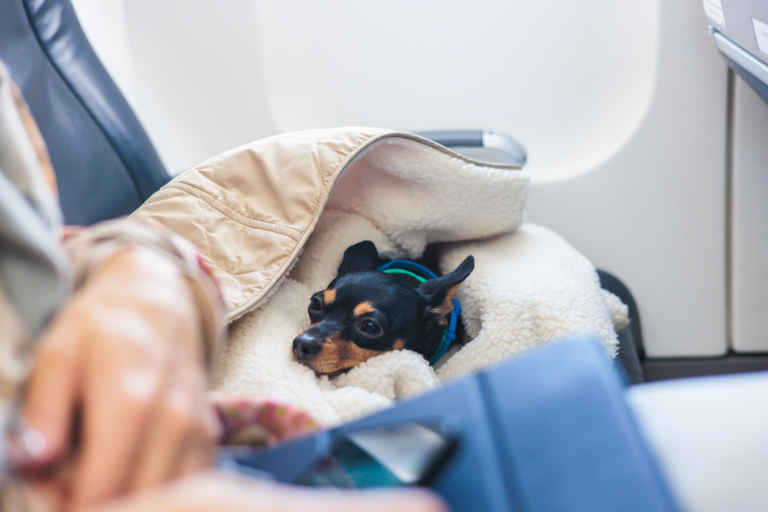
Addressing Public Health and Accessibility Concerns
While the policy has been widely celebrated, it has also prompted questions about passenger comfort, allergies, and phobias. For individuals with severe dog allergies or anxiety around animals, sharing close quarters in a pressurized cabin can be daunting. Italy’s approach does not dismiss these concerns it leaves room for airlines to develop protocols that balance inclusivity for pet owners with consideration for other passengers.
Most airlines already have procedures in place for accommodating passengers with allergies, such as assigning seating away from pets or recommending protective measures like masks or allergy medication. Advance communication remains key; passengers concerned about exposure are encouraged to notify the airline ahead of travel, giving staff the best chance to arrange seating that minimizes contact. In cases of severe allergies, some carriers may cap the number of pets per flight or adjust seating configurations to create more separation.
It is also worth noting that many concerns raised are not unique to dogs. Allergens and discomfort can be caused by other animals, perfumes, or environmental factors within the cabin. The broader challenge for the aviation industry is not whether pets should be present, but how to accommodate diverse