
Your cart is currently empty!
Jaw-Dropping Amount Trump’s Vacations Cost US Taxpayers After He Slams Non-working Holidays in Fiery Rant

As Americans debate work-life balance, national productivity, and the cost of government operations, few topics reveal the tension between leadership and public accountability more starkly than the cost of presidential travel. In recent months, former President Donald Trump has reignited controversy—not through policy, but through practice. After publicly criticizing what he called an excess of “non-working holidays” and their alleged drain on the U.S. economy, revelations about the expense of his own leisure trips have cast a critical spotlight on how public resources are spent.
Contents
show
With travel to his private resort Mar-a-Lago becoming a frequent routine, the cumulative cost to taxpayers is staggering—reaching nearly $30 million in just the first few months of 2025 alone. These trips go far beyond standard transportation expenses, placing unique strain on federal security forces and local law enforcement, particularly in Palm Beach County, Florida. And while all presidents travel, critics argue that Trump’s personal business interests and repeated use of private properties present a conflict of interest—and a growing tab that raises difficult ethical and fiscal questions.
The Real Cost of Presidential Leisure

The costs associated with presidential travel are substantial and multi-faceted. According to a 2019 report from the Government Accountability Office (GAO), four of President Trump’s trips to Mar-a-Lago in 2017 cost the government approximately $13.6 million. The bulk of these expenses went to the Department of Defense and the Department of Homeland Security for operational and security support. These figures include the cost of operating aircraft—with Air Force One estimated to cost over $200,000 per flight hour—as well as deploying cargo planes for vehicles, ground support, and extensive security personnel.
Beyond federal agencies, local governments bear a significant financial burden. The Palm Beach County Sheriff’s Office, for example, has consistently reported substantial overtime costs to secure Mar-a-Lago during presidential visits. Sheriff Ric Bradshaw has publicly addressed these challenges before county commissioners, stating, “They request it, and then we provide it. It’s expensive, but we don’t really have a choice.” While all presidents travel, the choice of a private, publicly accessible club as a frequent destination creates unique and recurring costs that a secure location like Camp David does not.
Presidential Retreats in a Modern Context

Historically, presidential travel for rest and work outside of Washington D.C. is a well-established practice. Presidents have long favored familiar, secure locations, from Franklin D. Roosevelt’s estate in Hyde Park to Ronald Reagan’s ranch in California and George W. Bush’s in Crawford, Texas. These retreats were generally understood as necessary for governance and continuity, allowing a president to work in a less formal setting. While these trips often drew partisan criticism over costs, the destinations themselves were typically private homes or government-owned facilities like Camp David, which is designed to minimize security and logistical expenses.
In the modern era, the frequency and cost of this travel have faced heightened public and governmental scrutiny. President Joe Biden’s regular trips to his Delaware residences, for example, have incurred significant costs for local and federal agencies.
Similarly, President Donald Trump’s travel has been extensively documented, with a Washington Post tally noting over 150 visits to his golf properties during his first term. This level of travel from any president places a substantial financial and operational demand on the Secret Service, the Department of Defense, and local authorities.
The central distinction highlighted by non-partisan watchdog groups, such as the Government Accountability Office (GAO), is the commercial nature of President Trump’s preferred destinations. Unlike a private home or a government retreat, properties like Mar-a-Lago are for-profit businesses from which the president benefits financially. Ethics experts argue this creates a unique potential for conflict of interest, as taxpayer funds are used to support the security and logistics of a private enterprise. This has led to pointed criticism from political opponents, like Representative Jasmine Crockett, who question the value of such expenditures and contrast them with calls for fiscal restraint. The issue thus shifts from a simple matter of travel to a broader debate about transparency and the ethical boundaries of public service.
Mandated Security, Questionable Costs

The controversy over presidential travel costs is rooted not in illegality, but in a legal and ethical framework that experts argue is outdated. There are no specific federal laws that prohibit a president from visiting properties they own. The Secret Service is legally mandated to provide protection to the president wherever they choose to go, making security a requirement regardless of the destination or its ownership. This mandate means that cost considerations are secondary to the agency’s security assessment.
This has led watchdog groups to focus on ethical principles and constitutional clauses. The Office of Government Ethics (OGE) has repeatedly advised on the appearance of using public office for private gain. Critics have also pointed to the U.S. Constitution’s Emoluments Clauses, which restrict federal officeholders from receiving payments or gifts from foreign and domestic governments, arguing that payments from such entities to a president’s private business could constitute a violation. While these arguments have been tested in court, they highlight a legislative framework that never fully anticipated a president so frequently utilizing their own commercial enterprises as official bases of operation, prompting calls for new legislation to mandate greater transparency and reimbursement.
The Ripple Effect on Local Communities and Security

The logistical requirements of presidential travel invariably create a significant impact on the ground, extending beyond federal agency budgets. Local communities, particularly those housing frequently visited private residences, must manage the complex security operations. This places a considerable strain on local law enforcement, who are tasked with road closures, traffic control, and supplementing the Secret Service’s security perimeter. Palm Beach County Sheriff Ric Bradshaw has previously highlighted this demand, noting the “substantial” need for manpower and resources his office must provide, often on short notice.
Securing a private, commercial property like Mar-a-Lago presents a fundamentally different challenge than a permanent government facility. The White House and Camp David are purpose-built with integrated, hardened security infrastructure. In contrast, a private resort must be temporarily transformed into a secure presidential zone for each visit. This involves establishing secure communications, deploying physical barriers, and coordinating extensive air and sea patrols. The dual function of Mar-a-Lago as both a presidential destination and an active commercial club further complicates security protocols, adding layers of operational complexity for the Secret Service and increasing the overall burden on public resources.
Weighing the Costs: Is a Presidential Visit Worth It?

While the strain on municipal budgets from security overtime is well-documented, a parallel debate exists over the potential economic benefits a presidential presence can bring to a host community. Proponents argue that the national and international spotlight generated by a “Winter White House” functions as a powerful marketing tool, boosting tourism and enhancing the area’s prestige. The influx of the presidential entourage, Secret Service personnel, and a large media corps translates into direct revenue for local hotels, restaurants, and service industries.
However, economists and local officials often question whether these benefits are widespread or are significant enough to offset the direct costs borne by taxpayers. The economic activity may be concentrated in high-end establishments, with little trickle-down effect on the broader community. Furthermore, disruptions like road closures and airport delays can negatively impact other local businesses. The core of the issue for communities like Palm Beach is a complex cost-benefit analysis: weighing the tangible security expenditures and public inconvenience against the more intangible benefits of global exposure and associated commerce. This economic tension remains a key, yet often overlooked, aspect of the presidential travel debate.
A Renewed Focus on Public Accountability
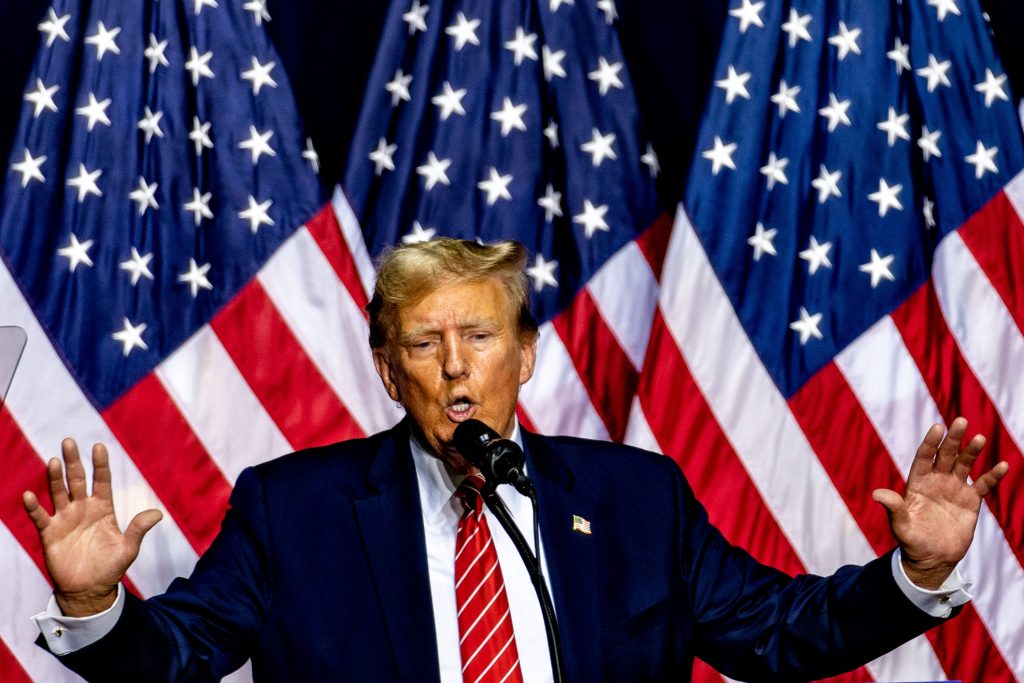
The costs and logistics associated with presidential travel, whether to a family home in Delaware or a private club in Florida, highlight a persistent tension within American governance: balancing the non-stop demands of the presidency with the responsible stewardship of public funds. The scrutiny applied to President Trump’s travel, particularly regarding his use of commercial properties, has elevated this long-standing issue into a prominent national conversation.
Ultimately, the debate transcends partisan criticism and centers on fundamental questions of transparency, ethics, and precedent. It has amplified calls from oversight bodies and lawmakers for clearer guidelines that can prevent potential conflicts of interest for any president. As the nature of the presidency continues to evolve, the expectation that the officeholder remains a careful steward of public resources and maintains a distinct line between official duties and private interests will likely remain a key measure of public trust and accountability.