
Your cart is currently empty!
Jimmy Kimmel’s Oscars Joke About Melania Trump Sparks Immediate Reaction Online
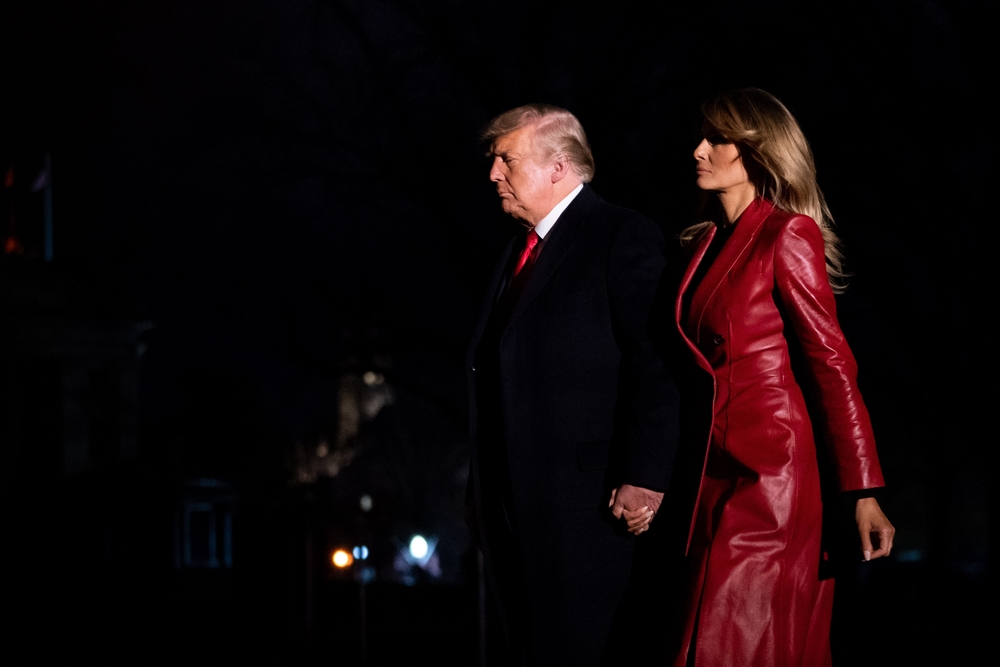
The Oscars are usually a place where filmmakers are honored, speeches are carefully prepared, and the biggest moments revolve around who wins and who loses, but every so often something happens that cuts through all of that and becomes the real story people carry with them after the ceremony ends. This year, that moment arrived when Jimmy Kimmel stepped onto the stage and delivered a series of remarks that quickly pulled attention away from awards and toward something far more layered, touching on politics, media influence, and a documentary tied to the White House in a way that felt both unexpected and completely in line with his style of humor.
Contents
show
What began as a straightforward presentation for the Best Documentary categories turned into a moment that blended commentary with comedy in a way that immediately sparked reactions across the room and online, as Kimmel used his time not just to celebrate filmmakers but to highlight ideas about free speech, storytelling, and the role of media in shaping public perception. Within minutes, clips of the moment began circulating widely, with some viewers praising the sharpness of the jokes while others questioned whether the tone belonged on a stage meant to celebrate cinematic achievement, showing just how quickly a few lines can shift the mood of an entire global event.
A Joke That Shifted the Room
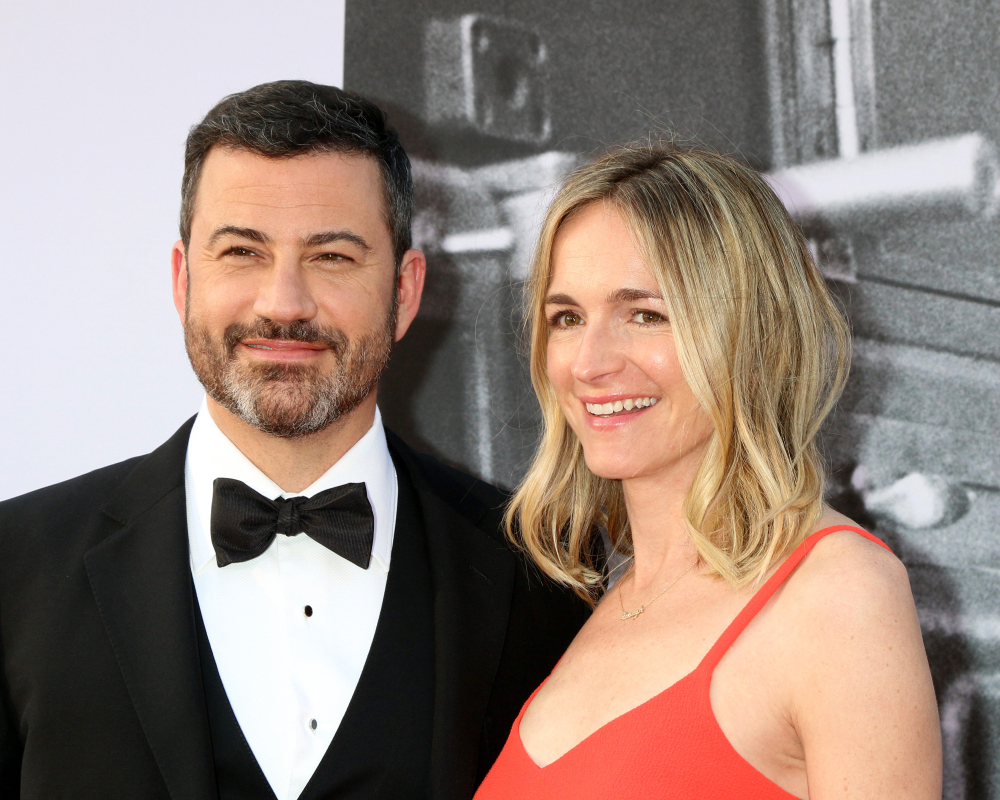
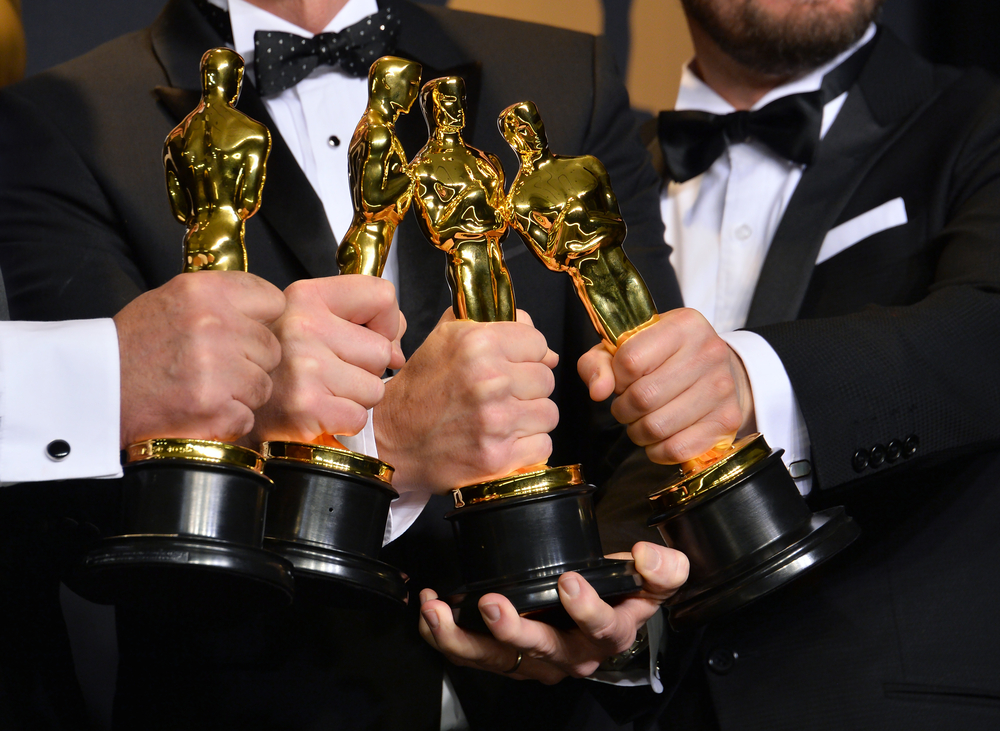
While presenting the awards for Best Documentary Feature and Best Documentary Short, Kimmel began in a tone that felt grounded and respectful, focusing on the courage it takes for filmmakers to tell stories that challenge power and expose uncomfortable truths, especially in situations where doing so can come with real personal risk. He spoke in a way that aligned with the deeper purpose of documentary filmmaking, emphasizing that these stories are not just entertainment but acts of truth telling that can carry serious consequences depending on where and how they are made.
He then delivered one of the most widely quoted lines of the night, saying, “As you know, there are some countries whose leaders don’t support free speech.” After pausing just long enough to let the statement settle, he followed it with, “I’m not at liberty to say which,” before landing the punchline, “Let’s just leave it at North Korea and CBS.” The shift from serious reflection to pointed humor was immediate, catching the audience in a moment where laughter and hesitation seemed to exist at the same time.
Inside the room, the reaction reflected that balance, with some people laughing quickly while others appeared unsure how far the joke was meant to go or what exactly it was implying, creating a kind of tension that has become familiar in Kimmel’s comedic style. It is this ability to walk the line between humor and commentary that often makes his remarks linger longer than expected, especially when delivered on a stage as visible as the Oscars.
The Melania Documentary Dig
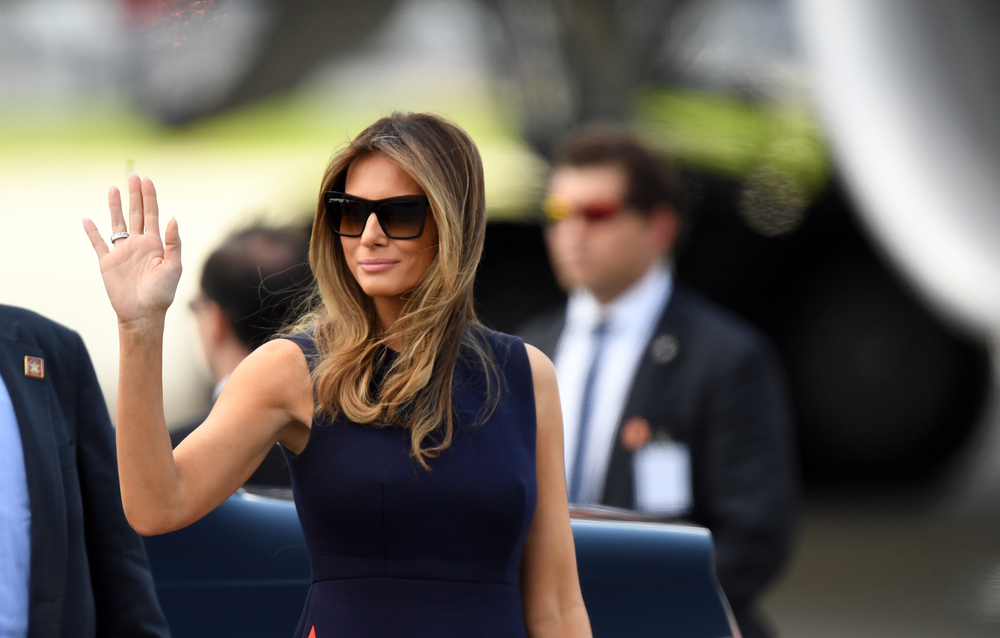
Kimmel did not stay on broad commentary for long and soon shifted into a more specific reference that would become the defining moment of his appearance, turning attention toward a documentary that had already been surrounded by conversation before the ceremony even began. Referring back to the category he was presenting, he said, “There are also documentaries where you walk around the White House trying on shoes,” a line that immediately drew a reaction because of how clearly it pointed toward Melania Trump’s recent film.
The documentary, titled “Melania,” follows the First Lady’s life in the days leading up to Donald Trump’s second presidential inauguration in 2025 and was directed by Brett Ratner and released through Amazon MGM Studios, placing it firmly within the kind of high profile projects that tend to attract both attention and scrutiny. Even before the Oscars, the film had struggled to resonate with critics, making it a natural target for a joke that contrasted it with more traditional, high stakes documentary storytelling.
By framing the film in such a casual and almost dismissive way, Kimmel created a sharp contrast between documentaries that risk real consequences to tell difficult truths and those that focus on more personal or lifestyle driven narratives, reinforcing a perception that had already been forming around the project. The line worked not just because it was humorous, but because it echoed a broader skepticism that had already taken hold among audiences and critics.
A Film Surrounded by Questions
Long before it became the subject of an Oscars joke, the documentary had already drawn attention due to the circumstances surrounding its acquisition and release, with reports indicating that Amazon Studios paid around $40 million for the rights, a figure that immediately sparked debate across the media industry. For many observers, the number alone raised questions about what justified such a significant investment, especially for a project that did not appear to align with the kind of critical acclaim often associated with high value documentary deals.
The reception of the film added to that uncertainty, as it held an approval rating of around 11% on Rotten Tomatoes, suggesting that critics were largely unconvinced by its approach or impact, which only intensified the conversation around its purpose and value. This gap between financial backing and critical response became one of the most discussed aspects of the project, feeding into a wider narrative about expectations versus delivery.
Some commentators went further by questioning whether the deal reflected broader relationships between media companies and political figures, raising concerns about how such projects might influence public perception or blur the boundaries between storytelling and image shaping. While no direct evidence has confirmed those suspicions, the existence of the conversation itself gave Kimmel’s joke additional weight, as it tapped into doubts that were already present in public discourse.
The History Behind the Humor
Kimmel’s remarks carried additional meaning because they did not exist in isolation, but rather formed part of a long running dynamic between him and Donald Trump that has unfolded over several years through television appearances, public statements, and media coverage. Their exchanges have often mixed humor with criticism, creating a pattern where each new comment feels like a continuation of an ongoing conversation rather than a standalone moment.
In 2025, that tension became more visible when “Jimmy Kimmel Live!” faced a temporary cancellation following controversial remarks connected to political commentary, a development that Donald Trump publicly reacted to by celebrating it, further intensifying the divide between the two. This moment added another layer to their relationship, turning it into something that audiences were already familiar with by the time the Oscars arrived.
Kimmel responded in the way he typically does, using humor to push back and keep the exchange alive, at one point joking about challenging Trump to a talent competition and saying he could “play golf, spank a porn star and ruin the country,” a line that reinforced the tone of their public interactions. Against this backdrop, his Oscars remarks felt less surprising and more like a continuation of a pattern that audiences had come to expect.
BREAKING: Jimmy Kimmel just brutally mocked the new Melania documentary in a way we didn’t think was possible. Wow. pic.twitter.com/NaHDYcL8q2
— Democratic Wins Media (@DemocraticWins) January 29, 2026
Comedy, Criticism, and the Oscars Stage
Award shows like the Oscars have increasingly become spaces where entertainment and broader cultural commentary intersect, with presenters and hosts using the platform to express views that extend beyond film and into the wider world. While the primary purpose of the event remains to celebrate artistic achievement, moments like Kimmel’s segment show how easily that focus can expand into something more complex.
In a short span of time, Kimmel touched on themes such as free speech, media influence, and political image, using humor as a way to connect them in a format that felt both accessible and provocative, especially for a global audience watching in real time. This approach reflects the style of late night television, where comedy is often used as a lens through which serious topics are explored.
For some viewers, this blending of humor and commentary adds depth to events like the Oscars, making them feel more connected to real world conversations, while others see it as a distraction from the purpose of celebrating film. The range of reactions highlights an ongoing discussion about what audiences expect from major cultural moments and how those expectations continue to evolve.
Megyn Kelly Slams Jimmy Kimmel’s ‘Disgusting’ ‘Melania’ Documentary Joke at 2026 Oscars https://t.co/zBjQsh43NC pic.twitter.com/kCNeDlrrtx
— OK! Magazine USA (@OKMagazine) March 17, 2026
What Counts as a Documentary Today
Kimmel’s remarks also sparked a broader discussion about the documentary genre itself, particularly around how it has changed in recent years and what audiences now expect from it. His comparison between high risk storytelling and more personal subject matter raised questions about whether all documentaries should be held to the same standard of depth and impact.
Traditionally, documentaries have been associated with investigation, education, and social relevance, often focusing on stories that reveal hidden truths or challenge existing systems in ways that can have real world consequences. Many of the films recognized at the Oscars continue to reflect this approach, emphasizing substance and significance.
At the same time, the genre has expanded to include more personal, lifestyle oriented, and character driven narratives, especially those centered on well known public figures whose lives attract ongoing public interest. Projects like “Melania” exist within this space, showing that there is still an audience for these stories even when they do not align with traditional expectations of documentary filmmaking.
A Divided Reaction Online
As clips of Kimmel’s remarks spread across social media platforms, reactions quickly divided, with different groups interpreting the moment in very different ways depending on their perspectives and expectations. Supporters praised the comedian for using humor to address issues they believed deserved attention, arguing that satire plays an important role in holding power accountable.
Others felt that the jokes were unnecessary in the context of an awards ceremony and questioned whether targeting Melania Trump directly was appropriate for a setting meant to honor film, suggesting that the remarks crossed into personal territory rather than remaining within professional critique. This difference in interpretation became a central part of the conversation that followed.
The divide reflects a broader cultural dynamic in how satire is received, with some audiences valuing its ability to challenge authority while others see it as contributing to polarization. The Oscars, given their global visibility, often become a stage where these differing viewpoints are expressed and amplified in real time.
The Final Line That Stuck
Before concluding his segment, Kimmel delivered one final remark that tied together the themes of his appearance and ensured the moment would linger beyond the ceremony, saying, “Oh man, is he gonna be mad his wife wasn’t nominated for this.” The line was brief but carefully timed, reinforcing the tone he had established throughout his time on stage.
It served as both a closing joke and a continuation of the broader commentary he had been building, linking the documentary, the public figures involved, and the audience’s perception of both in a single sentence that felt easy to remember and share. Moments like this often gain traction because of how simply they capture a larger idea.
In a night filled with awards, speeches, and carefully planned presentations, this exchange stood out as one of the most talked about highlights, showing how a few lines delivered at the right moment can reshape the narrative of an entire event and become the part people continue to discuss afterward.
More Than Just a Joke
Moments like this go beyond entertainment and reveal how closely connected celebrity culture, politics, and media have become, especially in environments that were once seen as separate from direct commentary on public figures and current events. The Oscars may focus on film, but they also reflect the world in which those films are made and consumed.
Kimmel’s remarks demonstrate the power of comedy to influence conversation, but they also highlight how quickly those conversations can become divided depending on perspective, with the same moment being interpreted in completely different ways by different audiences. This tension is part of what makes such moments resonate long after they occur.
In the end, the significance of this moment lies not just in the joke itself, but in what it reveals about how stories are told, shared, and understood in a time when entertainment and real world issues are deeply intertwined, reminding viewers that some of the most impactful narratives are the ones that unfold live, in front of everyone, without a script.