
Your cart is currently empty!
New Breakthrough Could Replace Fillings With Real Human Teeth
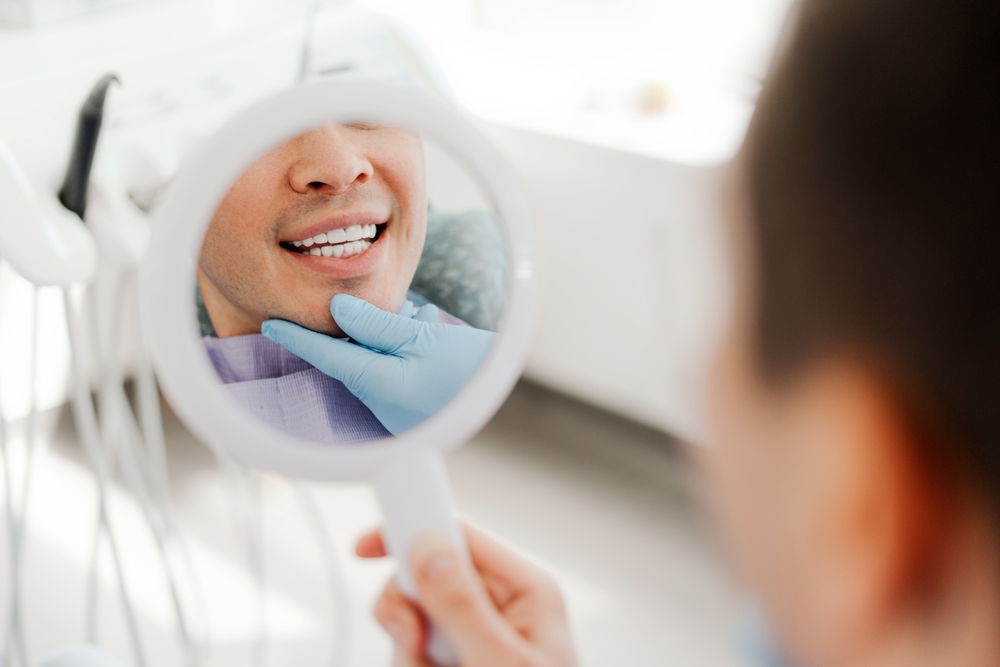
It starts the same way for most people. A slight sensitivity. A dull ache. Then comes the appointment, the chair, the bright overhead light, and the quiet anticipation of discomfort. Dentistry, for all its advancements, has long been associated with repair rather than true healing.
Contents
show
For generations, the solution to damaged or missing teeth has relied on artificial fixes. Fillings patch decay. Crowns reinforce weakened structures. Implants replace what is lost. These methods work, but they are not perfect, and they rarely feel like a true restoration of what once was.
Now, a scientific breakthrough is beginning to challenge that entire approach. Researchers have successfully grown tooth-like structures in a laboratory setting, opening the door to a future where the body may be able to replace its own teeth naturally. While this reality is still years away from everyday dental clinics, the implications are already reshaping how experts think about oral health and regeneration.
A Breakthrough Years in the Making
At King’s College London, researchers have been working for years on one of the most ambitious goals in regenerative medicine: growing real, biological teeth from living cells.
This is not a sudden discovery. Scientists at the institution have been exploring tooth regeneration for more than a decade, building on earlier experiments that combined human and animal cells to form early tooth structures. According to reports from the research teams, the latest breakthrough comes from a deeper understanding of how cells communicate during tooth development.
Dr Ana Angelova-Volponi, who leads work in regenerative dentistry, has described the effort as a way of filling gaps in knowledge as much as in patients’ mouths. By recreating the process of tooth formation in controlled conditions, researchers are uncovering how nature builds something as complex as a tooth from scratch.
The recent success lies in replicating not just the ingredients of a tooth, but the environment that allows those ingredients to come together correctly. That environment has proven to be one of the most difficult pieces of the puzzle.
The Science Behind Growing a Tooth
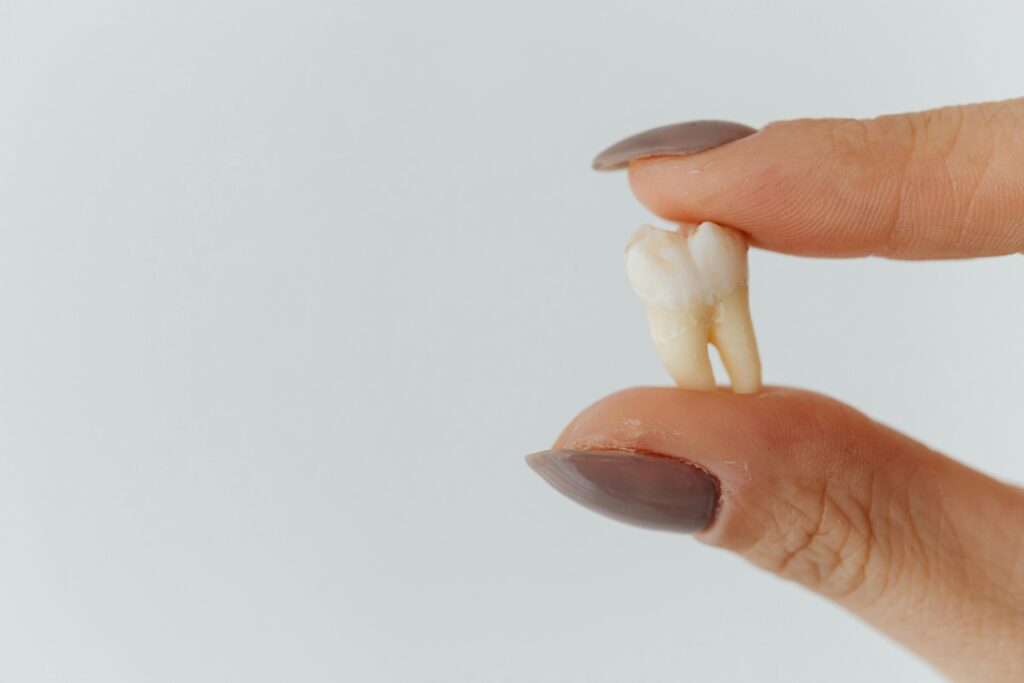
Teeth may appear simple from the outside, but they are intricate biological structures. Each tooth contains multiple layers, including enamel, dentin, and pulp, all formed through a carefully timed interaction between different types of cells.
During natural development, these cells exchange signals in a precise sequence. One group of cells instructs another to begin forming specific tissues, creating a coordinated process that unfolds over time. Replicating this sequence outside the body has long been a challenge.
In earlier experiments, scientists struggled because the signals between cells were delivered too quickly. Without the correct timing, the cells failed to organize themselves properly.
The breakthrough came with the development of a specialized hydrogel. This material mimics the natural environment of the human body, allowing cells to communicate gradually. Instead of receiving all instructions at once, the cells are guided step by step, following a process that closely resembles natural tooth development.
When researchers placed epithelial cells and mesenchymal cells into this hydrogel, the cells began to self-organize. Over time, they formed three-dimensional structures that resemble early-stage teeth, complete with distinct layers.
This may sound like a small step, but in the context of regenerative biology, it represents a major advance. It shows that scientists can recreate the conditions needed for complex organ formation, at least in its early stages.
Why Humans Cannot Regrow Teeth
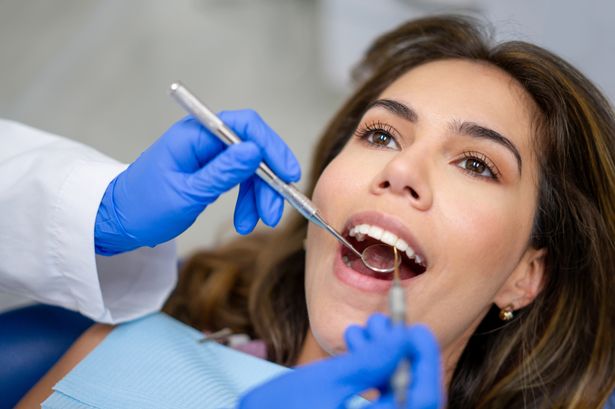
The significance of this research becomes clearer when compared to the limitations of human biology.
Most humans develop only two sets of teeth. The first set, known as baby teeth, is eventually replaced by adult teeth. After that, the body loses its ability to produce new ones.
This limitation is not universal in the animal kingdom. Sharks can grow thousands of teeth throughout their lives, continuously replacing old ones. Elephants develop multiple sets of molars as they age.
The difference lies in the presence of specific stem cells and genetic triggers that remain active in these animals. In humans, those mechanisms become inactive after early development.
Scientists believe that the underlying potential for tooth regeneration may still exist in humans, but it is no longer naturally activated. By recreating the right conditions in the lab, researchers are attempting to unlock that dormant capability.
The Limits of Fillings and Implants
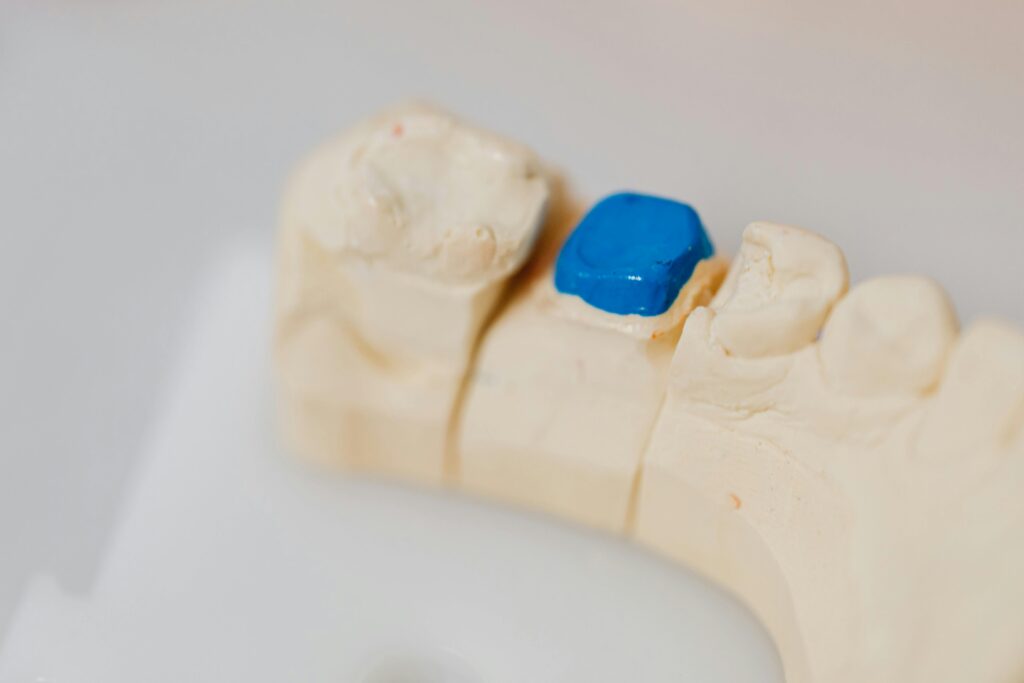
Modern dentistry has made significant progress in treating damaged teeth, but its solutions are largely artificial.
Fillings are commonly used to repair cavities, yet they do not restore the tooth to its original state. Over time, they can weaken the structure and may need to be replaced.
Dental implants offer a more durable solution, but they come with their own challenges. The procedure involves inserting a titanium screw into the jawbone, which requires surgery and a lengthy healing process. Even then, the implant does not fully replicate the natural behavior of a tooth.
According to researchers involved in the recent studies, both fillings and implants have limitations. They cannot adapt, repair themselves, or fully integrate with surrounding tissues in the same way as a natural tooth.
Lab-grown teeth, on the other hand, could offer a biological alternative. Because they would be developed from living cells, potentially even from the patient’s own body, they could integrate seamlessly into the jaw. This would reduce the risk of rejection and provide a more natural function.
How Scientists Are Building Teeth in the Lab
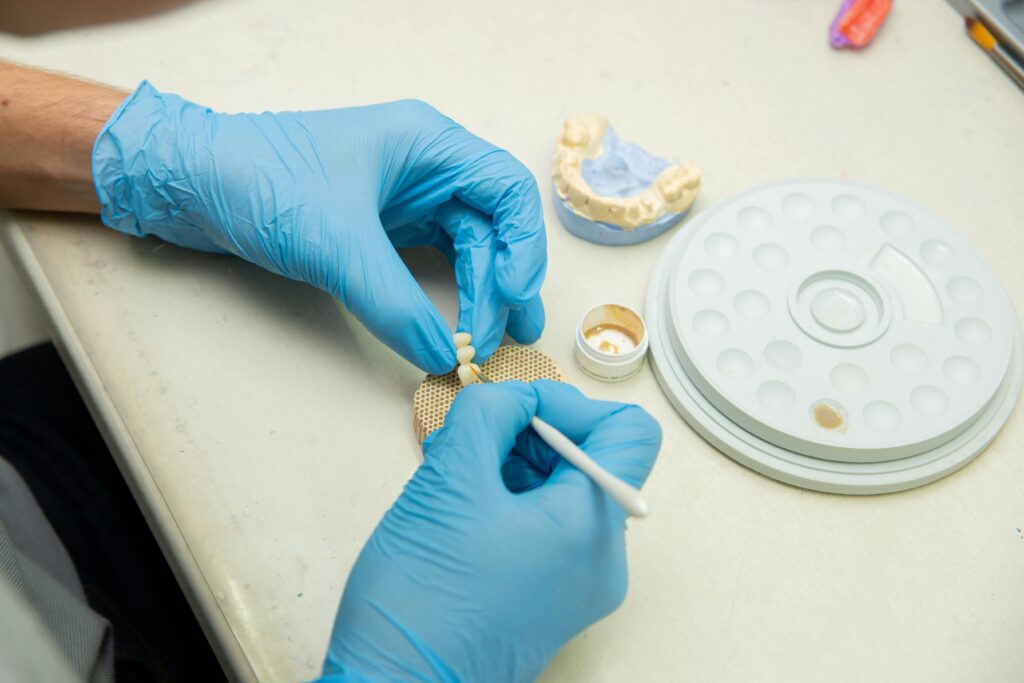
The process of growing teeth in a laboratory involves a combination of biology and engineering.
Researchers begin with two key types of cells. Mesenchymal cells contribute to the formation of connective tissues, while epithelial cells are responsible for forming protective layers.
These cells are placed into the hydrogel, which acts as a scaffold. The material provides both physical support and chemical signals, guiding the cells as they develop.
One of the most important aspects of this process is timing. The hydrogel releases signals slowly, allowing the cells to interact in a controlled manner. This gradual communication is essential for forming structures that resemble real teeth.
After several days, the cells begin to organize into patterns similar to those seen in natural tooth development. These structures are not yet fully functional teeth, but they demonstrate that the process is working.
Researchers have described this stage as creating the blueprint for a tooth. It is a foundational step that could eventually lead to complete tooth formation.
From Laboratory to Real Patients

Turning this scientific achievement into a real-world treatment presents a new set of challenges.
Researchers are currently exploring two main approaches. One involves growing a complete tooth in the lab and then implanting it into the patient’s mouth. The other involves placing early-stage cells directly into the jaw, allowing the tooth to grow the body.
Each method has advantages. Growing a tooth in the lab allows for careful monitoring and control. Growing it in the body may lead to better integration with nerves and blood vessels.
However, both approaches require further research. Scientists must determine which method is safer, more effective, and more practical for clinical use.
The transition from laboratory experiments to human treatments will also require extensive testing. This includes ensuring that the teeth develop correctly, function properly, and do not cause unintended side effects.
A Growing Field of Regenerative Medicine

The effort to grow teeth is part of a larger movement in medicine that focuses on regeneration rather than replacement.
Regenerative medicine aims to repair or replace damaged tissues using the body’s own biological processes. This approach is being explored in many areas, including organ development, skin regeneration, and bone repair.
In dentistry, researchers are also working on techniques to regenerate enamel, rebuild gum tissue, and restore jawbone structure. These developments are gradually changing the way dental care is approached.
Instead of relying on artificial materials, the focus is shifting toward solutions that work with the body’s natural systems.
The work at King’s College London is a key part of this shift. By demonstrating that tooth development can be recreated in a lab, it provides a foundation for future advancements.
Real-World Impact on Oral Health
The potential impact of lab-grown teeth extends beyond convenience. Oral health plays a significant role in overall well-being.
Poor dental health can affect a person’s ability to eat, speak, and interact socially. In some cases, infections in the mouth can spread to other parts of the body, leading to serious health complications.
Older adults are particularly at risk. Studies have shown that a large percentage of elderly individuals experience tooth decay, especially those living in care homes.
A regenerative approach to dentistry could provide long-term solutions for these populations. Instead of repeated treatments, patients could benefit from teeth that function and adapt like natural ones.
The Challenges Ahead
Despite the progress, there are still significant hurdles to overcome.
One of the main challenges is adapting the process for human cells. Much of the current research has been conducted using animal cells, which behave differently from human tissue.
Safety is another critical concern. Scientists must ensure that lab-grown teeth do not trigger immune responses or develop in unexpected ways.
There are also regulatory challenges. Any new medical treatment must undergo rigorous testing before it can be approved for public use. This process can take many years.
Finally, there is the issue of accessibility. Advanced treatments can be expensive, and it will be important to ensure that this technology is available to a wide range of patients.
A Future Without Fillings?
While it is too early to say when lab-grown teeth will become widely available, experts are optimistic about the direction of the research.
Some believe that early versions of this technology could emerge within the next few decades. Others suggest that it may take longer to refine the methods and ensure safety.
What is clear is that dentistry is evolving. The ability to grow tooth-like structures in a lab represents a fundamental shift in how dental problems could be treated in the future.
Rethinking How We Heal
The idea of growing new teeth may still sound unusual, but it reflects a broader change in how science approaches healing.
Instead of relying solely on artificial solutions, researchers are exploring ways to restore the body’s natural abilities. This shift has the potential to transform not just dentistry, but many areas of medicine.
For now, traditional treatments remain essential. Fillings, crowns, and implants will continue to play a vital role in dental care.
But the progress made so far suggests that a different future is possible. One where losing a tooth does not mean replacing it with metal or ceramic, but regrowing something that is truly your own.
That possibility may still be years away, but it is no longer out of reach. And for anyone who has ever sat nervously in a dentist’s chair, it represents a future worth waiting for.