
Your cart is currently empty!
A Man Held His Breath Underwater for 29 Minutes, Shattering the World Record and Even Surpassing Most Marine Mammals

How long could you last without a breath, thirty seconds, maybe a minute if you really pushed it? Most of us would be gasping well before the two-minute mark. Dolphins, designed by evolution for the sea, can manage about ten minutes. Harbor seals stretch their dives to half an hour. On a summer afternoon in Croatia, a man joined their ranks.
Contents
show
Vitomir Maričić, a world-class freediver, sank beneath the surface of a hotel pool and stayed there, motionless, for twenty-nine minutes and three seconds. Longer than it takes to boil pasta, longer than most mammals can endure, longer than anyone thought a human could go. When he finally resurfaced, the line between limitation and possibility had shifted and the breath we take for granted suddenly seemed far more powerful, and far more mysterious, than we imagine.
The Record That Stunned the World
On June 14, 2025, in the seaside town of Opatija, Croatia, freediver Vitomir Maričić did what once seemed impossible: he held his breath underwater for 29 minutes and 3 seconds. The attempt took place in a hotel pool, carefully overseen by Guinness World Records judges and witnessed by more than a hundred spectators. As the clock ticked past the 20-minute mark, then 25, and finally half an hour’s edge, it became clear that the boundaries of human endurance were being redrawn in real time.
The previous record, 24 minutes and 37 seconds, set by fellow Croatian Budimir Šobat in 2021 already stood as a marvel of discipline and physiology. Maričić didn’t just inch past it; he added nearly five minutes, an eternity in the world of static apnea. To put the numbers in perspective, most untrained people can barely last a single minute without gasping for air.
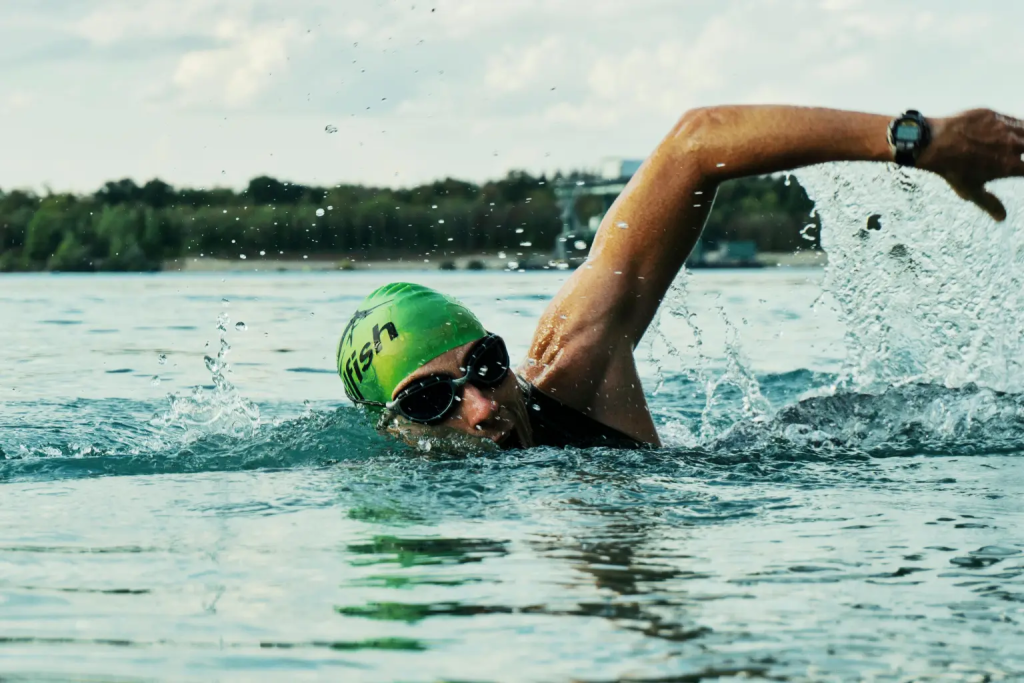
Even elite freedivers working without oxygen assistance peak around 10 or 11 minutes. With oxygen loading, Maričić matched harbor seals, whose evolutionary adaptations allow them to forage underwater for up to half an hour. Dolphins, by comparison, average just ten minutes. His feat pushed humans into a category long thought reserved for the animal kingdom’s diving specialists.
What made the moment even more striking was Maričić’s composure afterward. Emerging from the water to cheers and flashing cameras, he downplayed the spectacle. “After the 20-minute mark, everything became easier, at least mentally,” he explained, “got worse and worse physically, especially for my diaphragm, because of the contractions. But mentally I knew I wasn’t going to give up.” In his words lies the essence of the achievement: the record was less about lungs of steel than about surrendering to stillness and reshaping the body’s most primal impulse.
How the Human Body Copes Without Air
To appreciate what Vitomir Maričić accomplished, it helps to understand how fragile the human relationship with oxygen really is. Air contains about 21 percent oxygen, but our bodies only extract a fraction of it with each breath just enough to keep us moving comfortably. The problem isn’t simply running out of oxygen; it’s what happens as carbon dioxide (CO₂) builds up in the bloodstream. Specialized sensors in the brain and neck, called chemoreceptors, monitor CO₂ levels closely. Rising CO₂ is what creates that panicked, irresistible urge to breathe, long before oxygen is actually depleted.
This is why most of us resurface gasping after less than a minute. Our oxygen is still there, but the nervous system reacts as if it’s disappearing, sounding alarms too loud to ignore. Freedivers train to quiet that reflex. They learn to tolerate the chest spasms and diaphragm contractions that signal CO₂ buildup, extending the body’s natural limits.
Maričić also had another advantage: oxygen loading. For ten minutes before his dive, he inhaled pure oxygen, a process known as denitrogenation. By flushing nitrogen from his blood and saturating his red blood cells and plasma with oxygen, he entered the pool with almost five times more oxygen reserves than normal. The technique is sometimes used in medicine to keep patients alive during emergencies; Maričić used it to buy time underwater. It delayed the body’s panic signals, allowing him to slip past the ordinary barriers of human physiology.
Yet oxygen loading alone doesn’t explain nearly half an hour without air. Another critical factor is the mammalian dive reflex, a built-in survival mechanism humans share with dolphins, seals, and whales. When the face is submerged, the body automatically slows the heart rate, narrows blood vessels in the limbs, and reroutes circulation toward the brain and vital organs. The spleen even contracts, releasing extra oxygen-rich blood cells into circulation. Normally, these reflexes stay hidden, but under pressure and with training they become powerful allies.
In Maričić’s case, every layer of biology was working in his favor. Stillness kept his oxygen consumption low. Training taught him to endure the discomfort of CO₂ buildup. Oxygen loading gave him an extraordinary starting reserve. And the dive reflex extended the lifespan of every molecule of oxygen in his body. Together, these mechanisms turned what would be a desperate struggle for most people into a controlled, deliberate act of endurance.
Training the Mind and Body

At the heart of this lies a paradox: success depends less on fighting the body and more on calming it. That mental state is what allows elite divers to reduce their oxygen consumption to the bare minimum. Stress or anxiety, by contrast, quicken the heart rate, burn through reserves, and shorten endurance. Studies confirm that relaxation techniques similar to those used in meditation and yoga can slow the metabolism, lower cortisol levels, and even alter brain activity patterns in ways that extend breath-holding capacity.
Physical preparation is just as methodical. Divers practice with structured “CO₂ tables” and “O₂ tables,” training regimens that gradually increase breath-hold difficulty to condition both body and mind. Some add apnea walks, holding the breath while moving slowly on land to mimic the physical stress of diving. These drills not only build tolerance to carbon dioxide but also teach divers to remain calm through the diaphragm spasms that would send most people scrambling for air.
Even the way a freediver breathes before and after a hold is finely tuned. Contrary to the myth of hyperventilation, the safest and most effective “breathe-up” is calm and deliberate: slow, diaphragmatic breathing followed by a single full but unforced inhalation. After resurfacing, divers perform recovery breathing short, pressurized breaths designed to quickly restore oxygen levels and maintain airway control. Each element is rehearsed to reduce wasted effort and avoid mistakes in the razor-thin space between endurance and blackout.
What emerges is a practice that’s as much art as science. It draws from physiology, yes, but also from centuries-old traditions of breath control found in yoga and martial arts. In freediving, the body and mind become a single system where stillness is strength and surrender is survival. For Maričić, years of refining that system meant that when the moment came, he could turn twenty-nine minutes without air into an act of composure rather than desperation.
Lessons from Traditional Diving Cultures
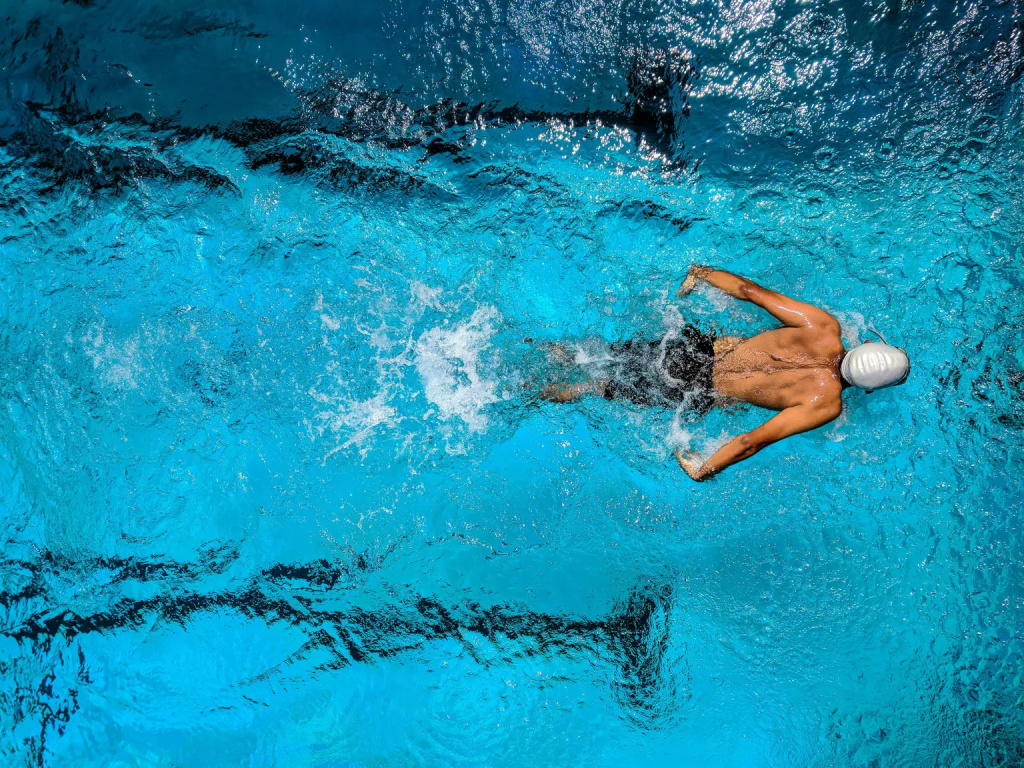
While Vitomir Maričić’s world record may seem like a singular modern achievement, human history is filled with examples of people who relied on breath-holding as part of daily survival. Long before freediving was a sport, entire cultures developed techniques and even physical adaptations that allowed them to thrive beneath the waves.
On South Korea’s Jeju Island, the Haenyeo, often called the “sea women,” have been diving for shellfish and seaweed for centuries. Many of these women continue diving well into their 60s and 70s, spending hours each day plunging repeatedly into cold coastal waters. Each dive may only last two or three minutes, but the cumulative demand across thousands of dives requires extraordinary stamina. Research suggests that over generations, their bodies have adapted, showing altered cardiovascular responses to immersion and a heightened tolerance to cold. Breath-holding, for the Haenyeo, belongs less to display and more to daily survival and heritage.
Further south, in the waters of Southeast Asia, live the Bajau, often referred to as “sea nomads.” For centuries, they have hunted fish and collected food from the sea using little more than handmade wooden goggles and spears. Bajau divers are known to descend hundreds of feet and stay underwater for up to 13 minutes on a single breath. Scientific studies have uncovered part of their remarkable ability: the Bajau possess spleens up to 50 percent larger than those of neighboring land-based populations. Since the spleen serves as a reservoir of oxygen-rich red blood cells released during dives, this enlargement provides a biological edge. Genetic studies suggest that natural selection favored individuals best suited for this lifestyle, leaving behind a community whose bodies are subtly but significantly reshaped by the sea.
Risks and the Fine Line Between Triumph and Tragedy
One of the most immediate threats is shallow-water blackout, also known as hypoxic blackout. This occurs when oxygen levels drop too low before the brain can register the need to breathe. A diver can lose consciousness silently, often just feet from the surface. Without instant rescue, the result is almost always fatal. Closely linked is the issue of oxygen toxicity. Breathing pure oxygen, while extending reserves, also introduces its own hazards. At high concentrations, oxygen can cause dizziness, confusion, seizures, and even organ damage. Freedivers walk a tightrope between using it as a tool and succumbing to its dangers.
Even without oxygen assistance, freediving carries serious physiological risks. At depth, lung tissue compresses under pressure, sometimes causing barotrauma pain, bleeding, or even structural injury known among divers as “lung squeeze.” Repetitive deep dives have also been linked to decompression-like symptoms, as nitrogen bubbles form in the bloodstream much as they do in scuba divers. Though less common, long-term stress on organs like the kidneys and spleen is a growing area of research.
These hazards are why elite divers stress strict protocols: no dive without a trained buddy, no hyperventilation before a hold, and always rehearsed recovery breathing on resurfacing. Even then, accidents occur. Past champions such as Aleix Segura who once held the record Maričić surpassed have spoken of the razor-thin margin between a triumphant resurfacing and a blackout. Segura himself likened oxygen-assisted records to “doping,” pointing out how reliance on O₂ blurs the line between human endurance and artificial advantage.
For the average person, the so-called “safe apnea time” with oxygen assistance is about eight minutes less than a third of what Maričić achieved. His 29-minute feat should be viewed not as an invitation to imitate, but as a controlled experiment in the extreme, backed by years of training and professional oversight. Freediving, whether competitive or traditional, is a sport where discipline and humility must weigh as heavily as ambition.
Breath as a Bridge
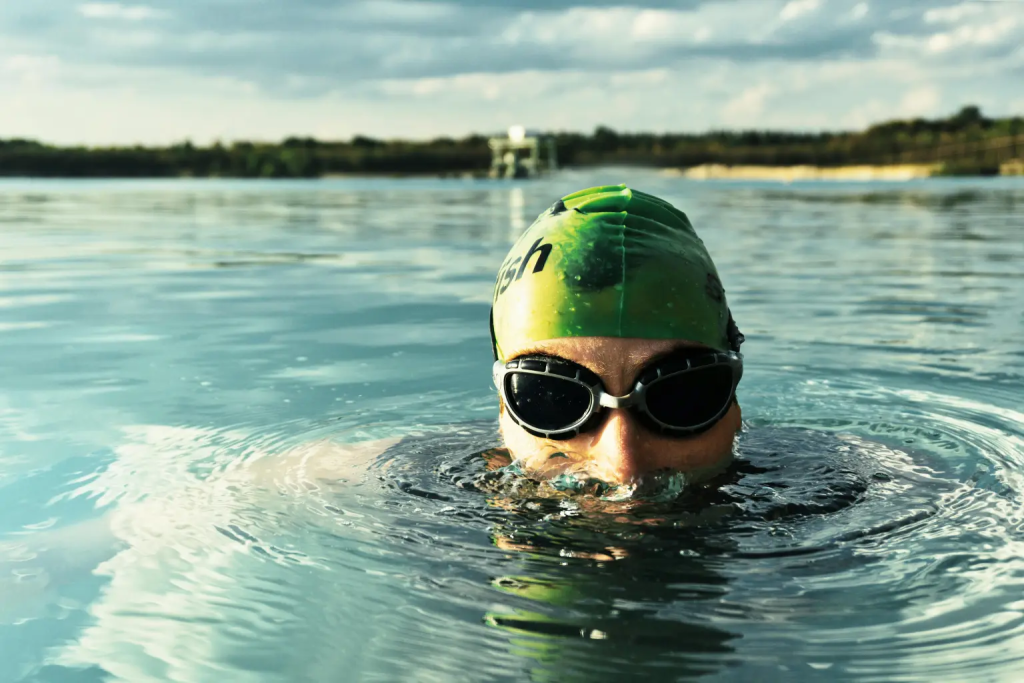
Vitomir Maričić’s 29-minute dive was more than a number in a record book. It was a reminder that the breath, the invisible rhythm that keeps us alive, can be both fragile and powerful. For him, it became a platform to draw attention to ocean conservation, linking personal achievement to a larger cause. For the rest of us, it offers a lesson that doesn’t require world records or risk: the simple act of slowing down and reconnecting with our own breathing.
Science shows that deliberate breathing can lower stress, sharpen focus, and bring the body back into balance. Ancient practices like yoga and meditation have long treated the pause between breaths as a gateway to awareness. Freediving, in its most extreme form, echoes that same truth: mastery comes not from force, but from surrender, from quieting the body’s alarms and allowing mind and body to work in harmony.
We may never hold our breath for half an hour, but we can reclaim the breath we overlook every moment. In a restless world, learning to pause, to notice, and to breathe fully may be the most radical endurance feat of all.