
Your cart is currently empty!
Meloni Rejects Italy Entering the Iran War and Explains Why
As tensions continue to rise across the Middle East following Iranian strikes and growing regional instability, governments across Europe are being forced to confront difficult decisions about how far they are willing to go in supporting their allies while avoiding a wider military confrontation. The possibility that the conflict could spread beyond its current boundaries has triggered urgent diplomatic discussions among Western leaders, while Gulf countries increasingly seek stronger defensive support against drone and missile attacks. In this complex geopolitical environment, every public statement from major leaders carries significant weight. Italy, which maintains diplomatic, economic, and military ties throughout the region, has now made its position clear through the words of Prime Minister Giorgia Meloni, who has firmly rejected the idea of Italy entering the war while still acknowledging the need to support partners and protect Italian nationals and military personnel stationed abroad.
Contents
show
Meloni’s statement reflects the complicated balance that many European governments are attempting to maintain as they respond to the growing crisis. On one side there is mounting pressure to support allies and help deter further escalation from Iran, particularly as concerns grow about missile programs, drone warfare, and the possibility of a wider regional conflict. On the other side there is strong political caution within Europe about becoming directly involved in another international war, especially after years of military commitments in different parts of the world. By emphasizing diplomacy, defensive cooperation, and the safety of Italians living in the Middle East, the Italian government is attempting to navigate a dangerous geopolitical moment in a way that supports its partners without pulling the country into direct military confrontation.
Italy Draws a Firm Line Against Entering the War
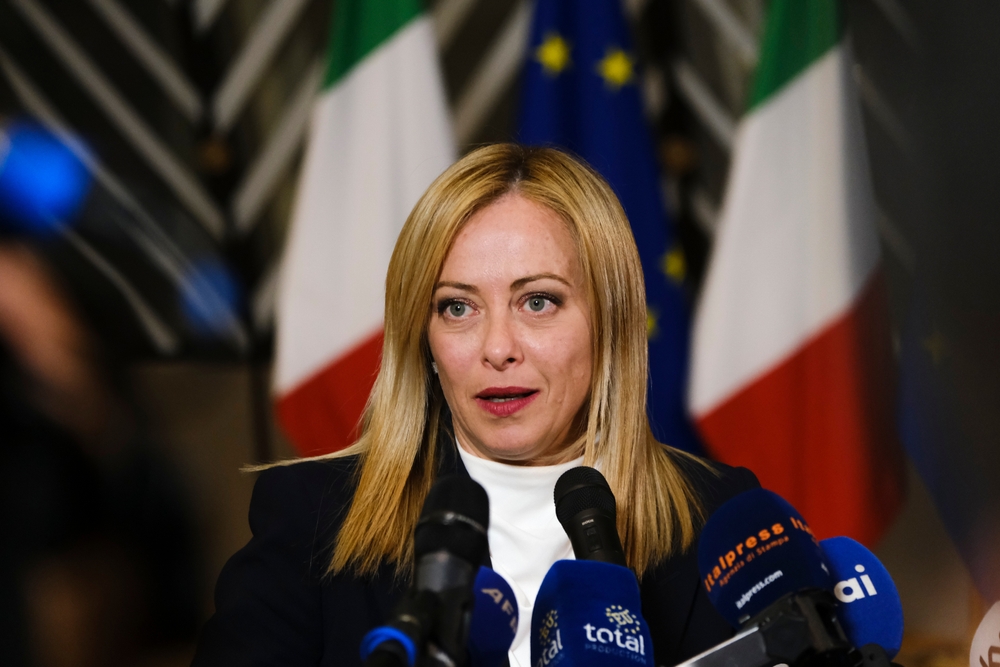
Speaking to Italian radio station RTL 102.5, Prime Minister Giorgia Meloni addressed the rapidly developing crisis and made it clear that Italy does not intend to join the war involving Iran. Her remarks came at a time when tensions across the region were escalating and analysts were increasingly discussing the possibility that Western nations could be drawn deeper into the confrontation between Iran and its regional rivals. By publicly clarifying Italy’s position, Meloni aimed to reassure both the Italian public and international partners that Rome is pursuing a measured and cautious strategy rather than rushing into a military response.
Meloni explained that Italy’s decision is influenced by both strategic calculations and humanitarian concerns tied to the country’s presence in the region. Tens of thousands of Italian citizens live and work across Middle Eastern countries, and the Italian military maintains a presence through various international missions and security partnerships. Because of this reality, the government believes that its most urgent responsibility is ensuring the safety of those citizens and personnel while preventing further escalation that could endanger them.
She emphasized this point directly when discussing the government’s priorities, saying, “This is not only because they are friendly nations, but above all because tens of thousands of Italians live in the region and around 2,000 Italian troops are deployed there — people we want, and must, protect.” The statement illustrates how Italy’s approach to the crisis is shaped by the need to protect its citizens and troops while carefully avoiding decisions that could deepen the conflict or place them in greater danger.
Defensive Assistance to Gulf Partners
Although Italy has ruled out direct participation in the war, the government has acknowledged that its regional partners may require defensive support as the security situation deteriorates. Several Gulf countries have been dealing with increasing threats from Iranian drone and missile systems, particularly the Shahed drones that have been used in conflicts across multiple regions in recent years. These weapons have become a major concern for governments attempting to defend critical infrastructure, energy facilities, and population centers against sudden attacks.
Italian officials have confirmed that several strategic Gulf partners have formally asked Italy for assistance in strengthening their air defense capabilities. These requests reflect growing concern among regional governments that existing defense systems may struggle to keep pace with the scale and frequency of drone attacks. By helping reinforce defensive systems, Italy can provide meaningful support to its allies without deploying combat forces or directly participating in offensive operations.
Defense Minister Guido Crosetto has also clarified that the United States has not requested permission to use Italian military bases for operational strikes related to the conflict. Such a request would represent a major political and military decision for Italy and would require formal authorization from the Italian Parliament before any action could be taken. This legal safeguard ensures that any potential involvement in military operations would be subject to national debate and democratic approval rather than being decided solely by the executive branch.
Diplomacy Remains Italy’s Core Strategy
Despite the growing military tensions in the region, Italian leaders continue to emphasize that diplomacy remains the most important path toward resolving the crisis and preventing further escalation. While many governments are strengthening defensive capabilities and preparing contingency plans, Italian officials argue that long term stability cannot be achieved through military responses alone. Instead they believe that sustained diplomatic engagement between regional powers and international actors remains essential if a broader conflict is to be avoided.
Foreign Minister Antonio Tajani reinforced this message during a briefing to Italy’s Chamber of Deputies, where he addressed lawmakers about the evolving crisis involving Iran and the requests for assistance coming from Gulf countries. Tajani explained that Italy’s foreign policy has long been rooted in maintaining dialogue with all parties while defending national interests and supporting international stability. According to him, diplomacy may sometimes appear fragile or slow, but it remains the only realistic path toward a lasting solution.
During his remarks to parliament he said, “Despite its complexity, we remain convinced that the diplomatic path is the only one capable of producing lasting results, even when it appears fragile and distant. We will make every possible effort to help achieve peace in the Middle East.” Tajani also reaffirmed the core principle guiding Italy’s response to the crisis, stating, “I want to reiterate in this Chamber that Italy is not at war with anyone and will not be at war with anyone. This is the essence of our foreign policy: speaking with everyone without ever renouncing our values.”
Concerns Over Iran’s Military Activities
Even while advocating diplomacy, Italian officials have expressed strong concern about Iran’s recent military actions and the potential consequences for regional stability. According to statements from government leaders, Tehran’s expanding drone and missile operations against neighboring countries represent a dangerous escalation that could trigger a much wider conflict across the Middle East. The growing use of advanced drones and long range missile systems has intensified worries among European and Gulf leaders who fear that the conflict could spread rapidly if deterrence efforts fail.
Reports suggest that Iran may have stockpiled large numbers of Shahed drones and other missile technologies capable of striking targets across the region. These weapons have already demonstrated their effectiveness in multiple conflicts, raising fears that sustained attacks could overwhelm defensive systems and threaten critical infrastructure in several countries simultaneously. For governments observing the situation, the scale of these capabilities underscores the importance of strengthening air defense systems and maintaining strong diplomatic pressure to prevent further escalation.
Tajani addressed these concerns directly when speaking to parliament about Iran’s actions and their broader implications. He stated, “Iran cannot be allowed to acquire nuclear weapons or possess missile systems capable of representing an existential threat to Israel, to the region and to Europe. The choice by extremists to attack countries such as Cyprus, Turkey, the Gulf states and now also Azerbaijan — states that had never conducted operations against Tehran — is unacceptable.” He continued by condemning the attacks, saying, “These are senseless actions that the Italian government has condemned without hesitation.”
European Coordination Behind the Scenes
Italy’s response to the crisis is also being shaped by close coordination with other European leaders who are monitoring developments across the Middle East. As the conflict evolves, governments across the European Union are working together to evaluate security risks, protect economic interests, and determine how best to support regional stability without escalating the situation further.
According to reports, French President Emmanuel Macron held discussions with Prime Minister Giorgia Meloni and Greek Prime Minister Kyriakos Mitsotakis as the three leaders examined potential responses to the growing instability. Their conversations focused on ensuring that European countries remain aligned in their approach while also addressing the security concerns created by the conflict.
Among the issues discussed were possible deployments of military assets to strategic areas such as Cyprus and the eastern Mediterranean. These deployments are primarily aimed at monitoring developments and safeguarding maritime routes that are critical for global trade and energy transportation. European leaders are also paying close attention to the security of shipping lanes in the Red Sea, which remain vital for international commerce and supply chains.
The Economic Risk of a Wider Conflict
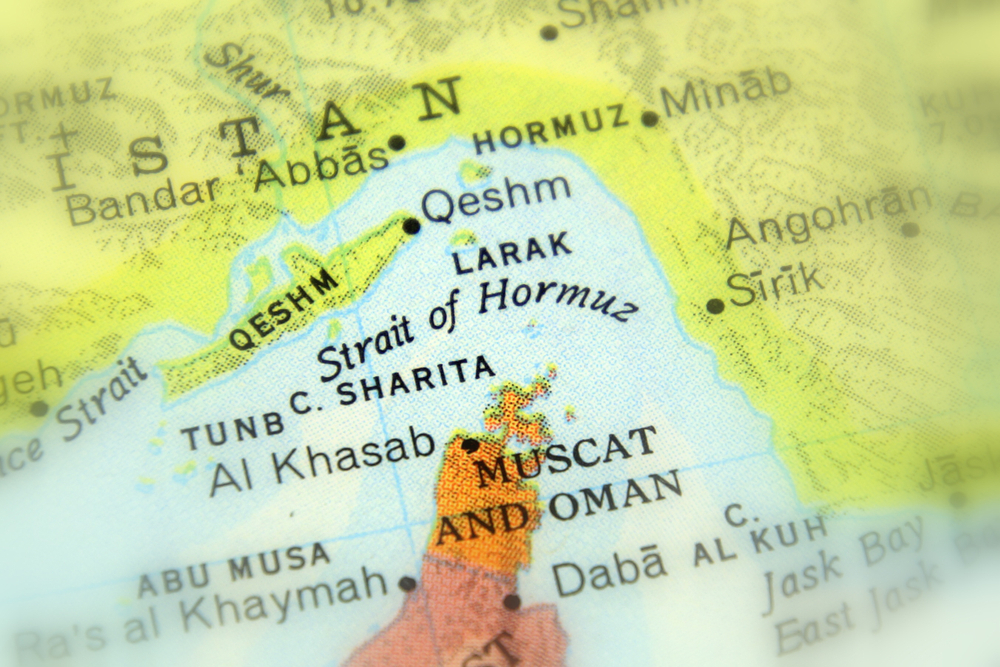
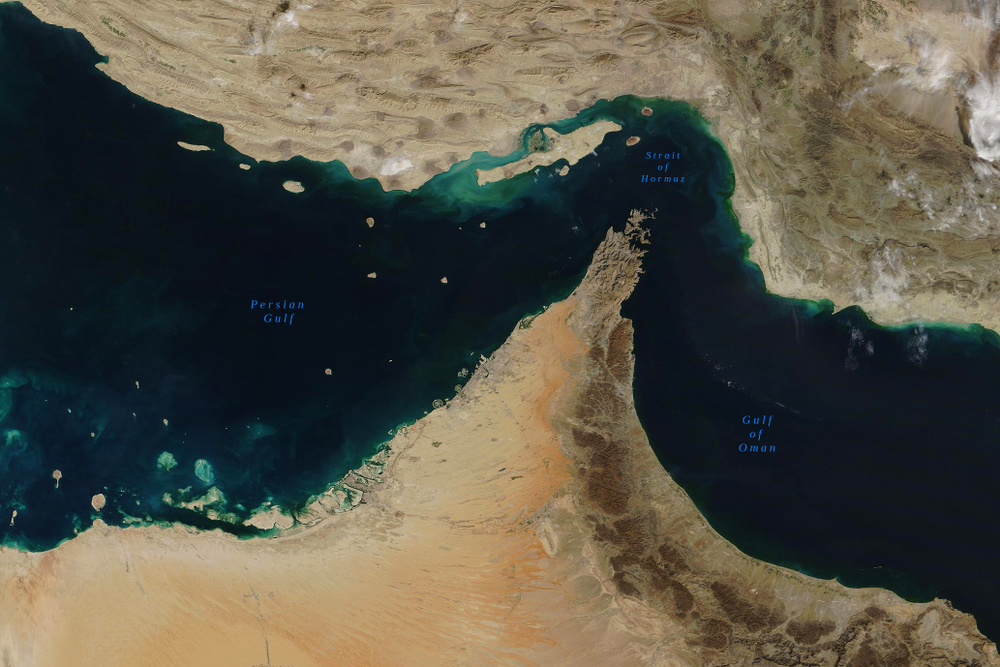
Beyond the immediate security concerns, the conflict has also triggered serious economic worries, particularly regarding global energy markets. One of the most sensitive areas in this regard is the Strait of Hormuz, a narrow maritime corridor that plays a crucial role in global oil transportation. A significant portion of the world’s oil supply passes through this passage every day, making it one of the most strategically important waterways in the global energy system.
Italian officials have warned that any prolonged disruption to shipping through the Strait of Hormuz could have far reaching consequences for the global economy. Even the possibility of restricted access or temporary closures can cause sharp increases in oil prices as markets react to the risk of supply shortages. Such price volatility can quickly spread through international markets, affecting everything from transportation costs to electricity prices.
Foreign Minister Tajani discussed these concerns during a phone call with United States Secretary of State Marco Rubio. During their conversation the two officials addressed the potential economic consequences of escalating tensions and the importance of maintaining stability in global energy supply routes. Italian authorities continue to monitor developments closely, particularly as fluctuations in oil and gas prices could have significant implications for European economies.
Protecting Italian Citizens and Troops Abroad
Another major priority for the Italian government during the crisis is ensuring the safety of Italian citizens living in the Middle East as well as the approximately 2,000 Italian troops deployed across the region. With tensions rising and the possibility of further attacks increasing, Italian authorities have been working to coordinate evacuation and protection efforts for civilians who may be at risk.
The government has launched emergency coordination measures to assist citizens in affected areas and to ensure that evacuation routes remain available if the situation deteriorates further. Italian diplomats and military officials are working closely with regional partners to organize safe convoys and identify secure airports from which civilians can depart if necessary.
Prime Minister Meloni acknowledged the support that some countries in the region have already provided to help facilitate these operations. She said, “Some convoys are moving toward neighbouring countries, and we are beginning to arrange departures from safer airports. For this, we must also thank the United Arab Emirates and Oman, which are friendly countries and are helping us.” These cooperative efforts highlight the importance of international partnerships during moments of crisis.
Meloni Draws a Clear Line
Italy’s response to the escalating conflict involving Iran demonstrates a strategy built around caution, diplomacy, and the protection of national interests. Prime Minister Giorgia Meloni has made it clear that Italy will not enter the war, even as the government continues to support allies and strengthen defensive cooperation across the region. This approach reflects a broader effort to prevent further escalation while still addressing the security concerns raised by Iran’s actions.
By prioritizing diplomatic engagement, defensive assistance, and the safety of its citizens and troops, the Italian government is attempting to navigate one of the most complex geopolitical crises in recent years without pushing the country into direct military confrontation. As tensions across the Middle East continue to evolve, Italy’s position highlights the difficult choices governments face when balancing alliance commitments, national security responsibilities, and the risks associated with a wider regional war.
Antonio Tajani, EU Middle East policy, Giorgia Meloni, global energy security, Gulf states defense, Iran drones, Iran missile threat, Iran regional tensions, Italy diplomacy, Italy foreign policy, Italy Iran war, Italy military policy, Middle East conflict, Middle East geopolitics, Strait of Hormuz crisis