
Your cart is currently empty!
New Microsoft Data Shows the Jobs Least Likely to Be Replaced by AI

Most of us have quietly wondered if a computer could eventually do our job. We grew up assuming that physical labor was at risk while office careers were the safe bet for the future. A surprising new analysis from Microsoft flips that idea upside down. By tracking real-world usage, the data reveals a shift that few saw coming, one where a college degree might offer less protection than a steady hand and a little bit of human kindness.
Contents
show
Microsoft Research Redefines the AI Employment Landscape
The question of whether a computer could eventually do your job is no longer just a plot point in science fiction movies. It has become a genuine dinner table conversation for families across the country. While fear of automation is not new, data from Microsoft offers a concrete look at how this shift is actually playing out in the real world. Rather than relying on theoretical guesses, researchers analyzed over 200,000 actual conversations with their AI tool to see exactly what tasks users are offloading to machines.

The results validate the anxiety many workers feel. According to consulting firm Challenger, Gray & Christmas, employers cited artificial intelligence as the direct cause for at least 55,000 layoffs in 2025. This technological pivot contributed to a broader economic trend that saw the workforce shrink by over 1 million jobs, the largest cut since the pandemic.
What makes this study particularly interesting is how it challenges our traditional views on career safety. We often assume that advanced degrees and office jobs provide a shield against automation. However, the data suggests the opposite is true. AI excels at “knowledge work” involving data processing, writing, and organization.
Consequently, white-collar professionals are now facing the same efficiency pressures that manufacturing workers faced decades ago. Paradoxically, the jobs that require physical presence and human touch are becoming the most secure roles in the modern economy.
The Unexpected Risk to Office Jobs

For decades, the standard career advice has been simple. We are told to go to college, get a degree, and find a stable office job to ensure financial security. We generally assumed that automation was a threat limited to factories or manual labor. However, the Microsoft data suggests this long-held belief is no longer accurate.
The study indicates that professionals who work primarily with information are now on the front lines of this technological shift. Interpreters, historians, and writers spend their careers synthesizing data and communicating ideas. Since modern AI is designed specifically to process language and information, these roles have a high “applicability score” for automation.
This creates a surprising reality where a master’s degree does not guarantee safety. The research highlights that high-level roles like data scientists and business analysts are actually more exposed to AI than many service positions. If a job consists mostly of tasks done on a computer screen, it inherently overlaps with the capabilities of generative AI. The technology we use to be more efficient is now capable of performing many of the core tasks that define these careers.
Why Hands-On Jobs Are Future-Proof
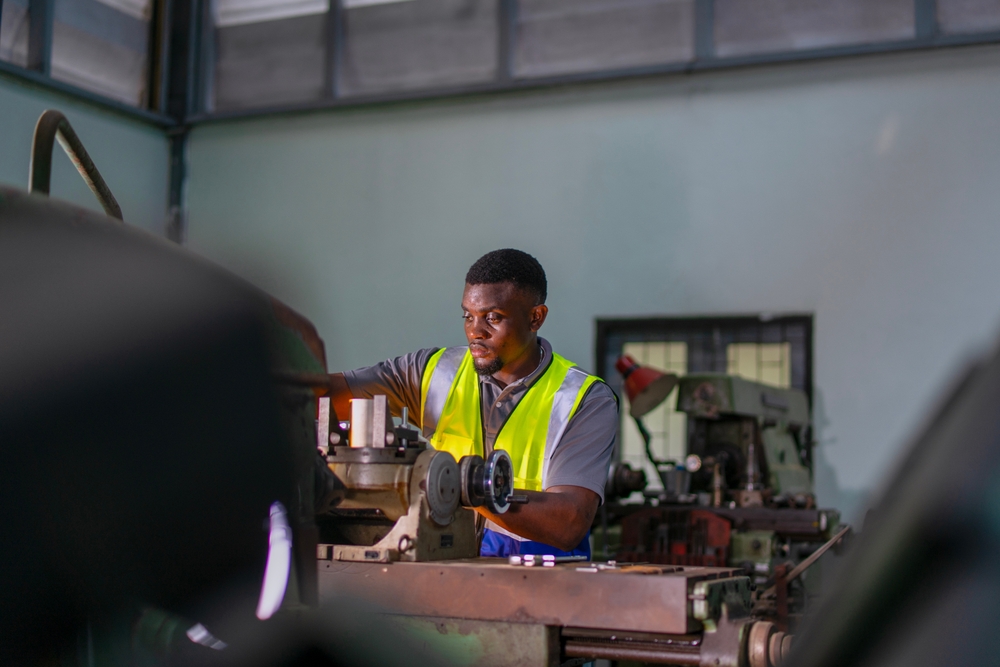
Microsoft’s data highlights a significant reversal in career stability. While entry-level office workers with college degrees face high risks of displacement, roles requiring physical dexterity are becoming the most secure. The report suggests that professions often labeled as manual labor are safe because they handle unpredictable real-world problems that robots cannot yet handle.
Take the role of an embalmer. It appeared in the top five most secure jobs for reasons that go beyond simple physical work. Funeral home employees must possess a high level of empathy to support grieving families during their worst moments. Additionally, the work requires specialized motor skills to address the unique challenges presented by each individual case. Giving a loved one to another person requires a level of trust that a machine simply cannot earn.
This trend extends to other trades like automotive glass installers and tire repairers. These jobs demand a specific human touch and real-time problem solving. An algorithm might be able to diagnose a car issue, but it cannot physically change a tire or replace a windshield. The study jokingly notes that marketers or journalists might want to learn how to put up drywall, but the underlying message is serious. As the digital world becomes more automated, the value of physical capability is rising.
A Tool, Not a Replacement

The conversation about artificial intelligence often feels like an all-or-nothing panic. There is a common fear that robots will completely take over, leaving people with nothing to do. However, the Microsoft report paints a picture that is less about total replacement and more about partnership. The data shows that while AI is powerful, it has limits. The research found only a sixty percent match between what users expect AI to do and what the technology can actually achieve.
This gap is significant. It implies that for many professionals, the technology will act more like a highly efficient assistant than a replacement. Writers, financial advisors, and service agents are already using these tools to handle repetitive chores. This shift allows them to focus on the creative or interpersonal aspects of their roles that computers cannot replicate.
The real change lies in how tasks are performed rather than the total elimination of careers. It turns out that AI is currently best at helping with specific parts of a job rather than taking over the entire position. This distinction is important for anyone trying to navigate the changing market. Instead of vanishing, many jobs are simply evolving to include new digital tools.
Adapting to the New Normal

The changes in the job market are undeniable, but they do not have to be a sentence of doom. The most effective way to navigate this shift is to remain flexible. Instead of worrying about which specific job title will disappear next, professionals should focus on building skills that machines cannot easily replicate.
The Microsoft findings point toward a future where the most successful workers are those who can bridge the gap between technology and humanity. This means combining technical know-how with soft skills like critical thinking, creativity, and genuine empathy. If a computer can process the data, a human is still needed to understand what that data means for a real person.
Staying competitive requires a commitment to continuous learning. We must be willing to evolve our workflows and adopt new tools as they arrive. Ultimately, artificial intelligence is reshaping the workplace, but it cannot replace the nuance of human connection. The future belongs to those who can use these powerful tools while doubling down on the qualities that make us people.

If you want to know exactly where you stand, check out the lists below. The data highlights the forty careers most exposed to automation and the forty that are still considered the safest bets.
The Jobs Most at Risk
- Interpreters and Translators
- Historians
- Passenger Attendants
- Sales Representatives of Services
- Writers and Authors
- Customer Service Representatives
- CNC Tool Programmers
- Telephone Operators
- Ticket Agents and Travel Clerks
- Broadcast Announcers and Radio DJs
- Brokerage Clerks
- Farm and Home Management Educators
- Telemarketers
- Concierges
- Political Scientists
- News Analysts, Reporters, and Journalists
- Mathematicians
- Technical Writers
- Proofreaders and Copy Markers
- Hosts and Hostesses
- Editors
- Business Teachers (Postsecondary)
- Public Relations Specialists
- Demonstrators and Product Promoters
- Advertising Sales Agents
- New Accounts Clerks
- Statistical Assistants
- Counter and Rental Clerks
- Data Scientists
- Personal Financial Advisors
- Archivists
- Economics Teachers (Postsecondary)
- Web Developers
- Management Analysts
- Geographers
- Models
- Market Research Analysts
- Public Safety Telecommunicators
- Switchboard Operators
- Library Science Teachers (Postsecondary)
Jobs That Are Here to Stay
- Phlebotomists
- Nursing Assistants
- Hazardous Materials Removal Workers
- Helpers—Painters, Plasterers, etc.
- Embalmers
- Plant and System Operators (All Other)
- Oral and Maxillofacial Surgeons
- Automotive Glass Installers and Repairers
- Ship Engineers
- Tire Repairers and Changers
- Prosthodontists
- Helpers—Production Workers
- Highway Maintenance Workers
- Medical Equipment Preparers
- Packaging and Filling Machine Operators
- Machine Feeders and Offbearers
- Dishwashers
- Cement Masons and Concrete Finishers
- Supervisors of Firefighters
- Industrial Truck and Tractor Operators
- Ophthalmic Medical Technicians
- Massage Therapists
- Surgical Assistants
- Tire Builders
- Helpers—Roofers
- Gas Compressor and Gas Pumping Station Operators
- Roofers
- Roustabouts (Oil and Gas)
- Maids and Housekeeping Cleaners
- Paving, Surfacing, and Tamping Equipment Operators
- Logging Equipment Operators
- Motorboat Operators
- Orderlies
- Floor Sanders and Finishers
- Pile Driver Operators
- Rail-Track Laying and Maintenance Equipment Operators
- Foundry Mold and Coremakers
- Water Treatment Plant and System Operators
- Bridge and Lock Tenders
- Dredge Operators