
Your cart is currently empty!
Mom Ignites Social Media Debate Over Teaching Children to Retaliate Against Bullies

Parenting advice often sets the internet ablaze, but when it comes to how children should handle bullies, emotions can run especially high. A viral TikTok by 27-year-old Brittany Norris sparked a fierce online debate after she declared that she is raising her kids to fight back if hit. “I’m not raising a snitch,” she insisted, explaining that her children are taught to defend themselves physically rather than seek out adult help.
Contents
show
For many parents scrolling through her video, the statement resonated as a call to toughen up in a world where cruelty can leave children powerless. They saw it as an antidote to what they consider overly sheltered modern parenting, a way to instill self-reliance and grit in children who may one day find themselves alone in the face of adversity. Yet for others, the video landed as deeply troubling, suggesting that such advice encourages violence and overlooks the harm that retaliation can cause, both to the child involved and to their broader social development.
The conversation unfolding online reveals a bigger tension within modern parenting: how to balance empowerment with safety, and when to encourage resilience versus when to prioritize intervention. Advocates for Brittany’s approach see it as a necessary lesson in self-respect and deterrence, a way to prevent children from becoming lifelong victims. Critics, however, point out that retaliation rarely solves bullying and can escalate dangerous situations, often leading to disciplinary action that punishes both aggressor and victim equally.
Beneath the surface of this viral clip lies an urgent question that extends well beyond Norris’s household: how do we equip children to face bullying without leaving them vulnerable, but also without teaching them that violence is an acceptable solution? This question is lived out every day in classrooms, playgrounds, and online forums where children navigate the messy reality of human conflict. Understanding the complexities requires looking at research, expert insights, and lived experiences to uncover the nuanced truths behind such a provocative stance.

What Happened
Brittany Norris posted her now-famous TikTok from her home in Louisiana, declaring that she will not raise her children to simply walk away or report when hit by bullies. Her words were blunt and unapologetic: if someone hits her child, she expects them to “hit back harder.” The brevity and forcefulness of her delivery added to its viral impact, with her stance leaving little room for ambiguity. For some, her confidence in her parenting philosophy felt refreshing, a refusal to raise children who remain passive in the face of mistreatment. Supporters of her message shared their own experiences of being bullied and said that learning to physically defend themselves was the only way they were able to put an end to years of harassment.
Yet her words quickly lit up the comment section with a wave of polarized reactions. Many praised her for instilling strength, courage, and backbone into her children, admiring her willingness to go against what they see as overprotective cultural norms. Others, however, accused her of promoting violence and modeling aggression as a solution to interpersonal conflict. For them, the danger was not just in what her children might do but in how they might internalize these lessons, potentially normalizing violence as the first line of defense rather than the last.
More than one mother’s perspective, the TikTok captures a wider debate about generational values and shifting expectations in parenting. In decades past, many parents openly encouraged their children to fight back, with phrases like “don’t be a pushover” and “stand your ground” used as guiding principles. Today, however, schools and psychologists emphasize anti-bullying programs, conflict resolution, and non-violent strategies as the healthier path. Norris’s stance collides directly with these approaches, reviving an old argument and framing it for a digital age where every word can be dissected by millions.
While online debates can be fleeting, the emotional charge surrounding this video highlights how deeply people feel about preparing their children for hardship. Parenting decisions about how to respond to bullies are not made in the abstract. Each parent imagines their own child cornered on a playground or targeted online, and in that moment of imagining, the choice between raising a fighter or a peacemaker feels urgent and personal. This emotional dimension is what fuels the fire, ensuring that the debate is not just about ideas but about the lives and futures of children.
What Experts Say
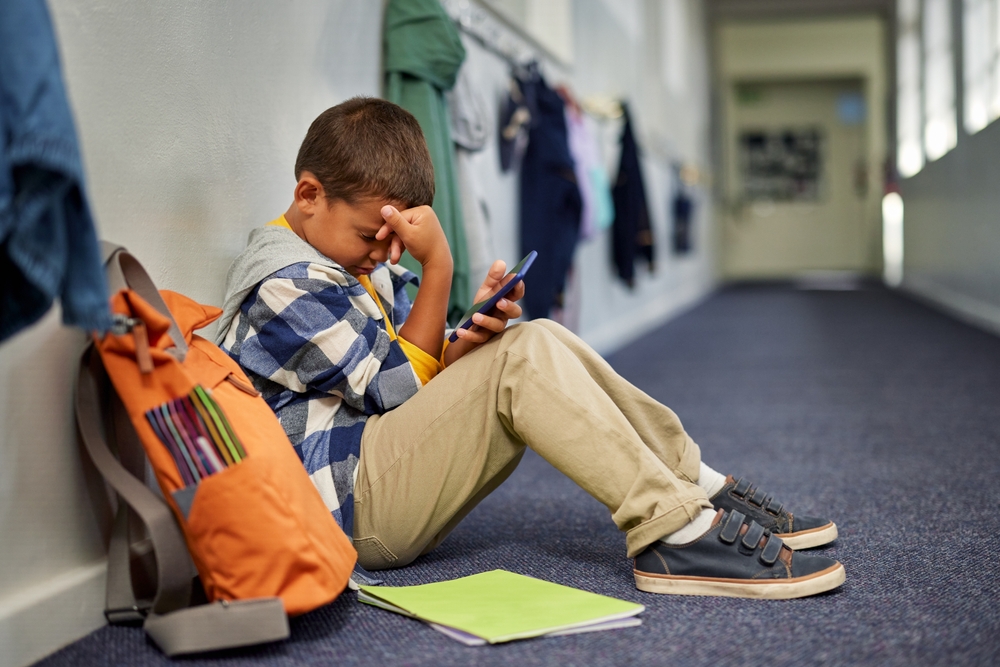
Psychologists and child-development specialists have long studied the impact of bullying and the strategies children use to cope with it. Research consistently suggests that teaching assertiveness, defined as standing up for oneself firmly but without aggression, offers children more protective benefits in the long term than retaliatory violence. Assertiveness allows children to resist mistreatment while maintaining emotional control, and those who develop this skill often report greater self-confidence, healthier friendships, and improved outcomes in academic and social settings. In contrast, aggression frequently escalates conflicts, invites punishment, and can stigmatize children as troublemakers even when they were initially the victim.
Experts also caution that children are not equipped with the same judgment as adults when it comes to gauging proportional responses. A shove might feel to a child like justification for a punch, which in turn might provoke even harsher retaliation. What one child considers self-defense may look like outright aggression to a teacher or bystander, leading to disciplinary consequences that punish both sides. Schools with strict zero-tolerance policies often treat victims and aggressors alike, creating an environment where retaliation can backfire dramatically. Brittany Norris’s advice, critics argue, risks placing her children in exactly this predicament.
Another major concern among professionals is the psychological and emotional toll that comes with encouraging children to fight back. Bullying already generates powerful feelings of anger, fear, and shame. Adding a parental mandate to retaliate may compound these emotions, creating pressure rather than relief. Some children might thrive when given explicit permission to fight back, interpreting it as validation of their strength. Others, however, may feel cornered, worried that they are disappointing their parents if they do not respond with equal force. This emotional complexity highlights why professionals so often emphasize teaching coping skills, emotional regulation, and communication strategies rather than defaulting to violence.
Finally, experts stress the crucial role of adults and school structures in resolving bullying. Effective anti-bullying programs involve teachers, administrators, and parents in creating safe, supportive environments. Research shows that when adults actively intervene and children feel comfortable reporting bullying, incidents decline significantly. The advice to “hit back” can undermine this process by discouraging children from seeking adult help and fostering mistrust. If the goal is long-term well-being, many professionals argue, then solutions must center on empowering children to use their voices and trust the support systems around them.
Real-World Cases & Comparisons
Brittany Norris’s message does not exist in isolation. Social media has amplified similar parental declarations, with many parents on TikTok and Instagram repeating variations of the same mantra: “Don’t start fights, but don’t walk away either.” Such declarations resonate especially in communities where toughness is considered a shield against vulnerability and where physical confrontation has historically been normalized. For these parents, Norris’s video did not feel like provocation but like an affirmation of cultural values they already hold dear. They saw in her words a reflection of their own upbringing and the lessons they want to pass down.
At the same time, educators and child advocates are increasingly promoting alternative approaches. Structured anti-bullying programs that prioritize non-violent strategies have gained momentum in schools worldwide. These programs encourage children to speak up, seek allies, and use strong verbal responses as a first line of defense. They also promote empathy and communication, helping both bullies and their targets understand underlying dynamics rather than perpetuating cycles of aggression. Teachers report that when students are taught to set boundaries with words and rely on adult support, bullying incidents decrease and peer relationships improve. Such data-driven outcomes contrast with anecdotal claims that violence is the only effective deterrent.
The tension between these two perspectives reflects the clash between lived experience and scientific evidence. Parents like Norris point to personal stories of bullies backing down only when confronted physically, while psychologists and educators emphasize statistics showing that violence rarely breaks cycles of harm. Both perspectives contain truth, and it is this duality that makes the debate so difficult to resolve. Parenting is never simply about facts; it is about values, memories, and the vision of the adults we hope our children will become. In this way, the TikTok video serves as a flashpoint for a conversation that is both deeply personal and broadly societal.
Balanced Perspective: Pros & Risks
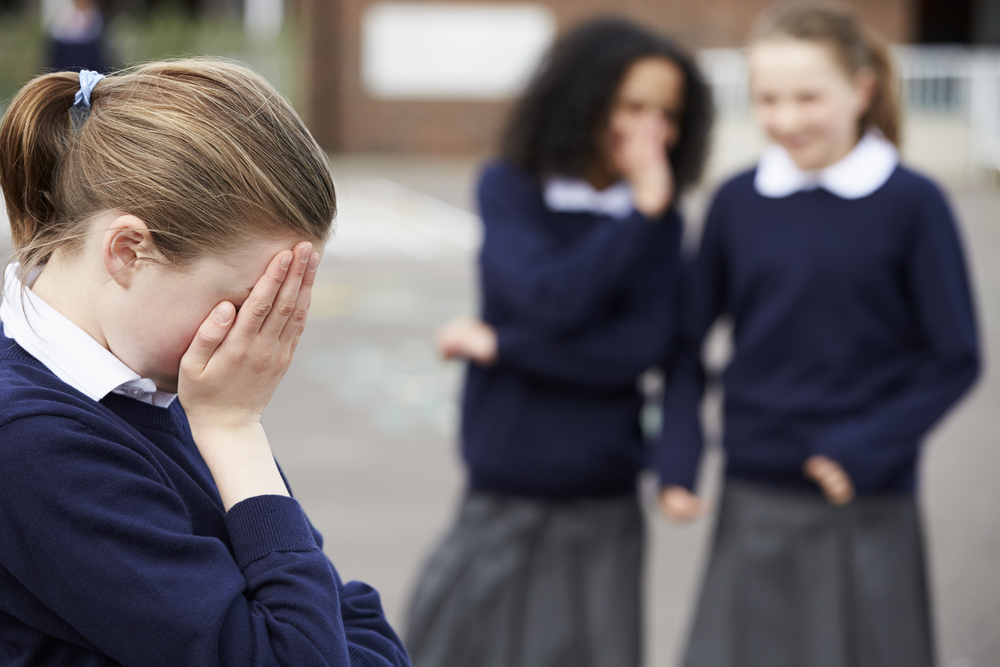
The question of whether children should be taught to hit back is not easily reduced to a simple yes or no. On one hand, there are undeniable benefits to encouraging children to stand their ground, both physically and emotionally. Supporters of Brittany Norris’s stance argue that children who know they can defend themselves may feel less powerless and less likely to internalize the role of a victim. They point out that self-defense is not only instinctive but also a basic human right, and that teaching children to never fight back risks raising individuals who lack the confidence to assert themselves in adulthood.
On the other hand, critics raise serious concerns about the risks of retaliation. Teaching a child to strike back may inadvertently reinforce the idea that violence is a valid solution to conflict, shaping patterns of behavior that extend beyond the playground. It also risks escalating situations in which the bully is physically stronger or has allies, leaving the child more vulnerable than before. In schools with strict disciplinary rules, both children may face punishment regardless of who initiated the conflict, creating consequences that affect academic and social development.
The most balanced perspective acknowledges that context matters greatly. There are scenarios, such as when a child is physically cornered with no adult help nearby, where self-defense may be necessary to prevent harm. But experts caution against making this the default expectation. Instead, they recommend a layered approach: children should first be taught verbal assertiveness, encouraged to seek help from adults, and guided in using de-escalation strategies. Physical defense should be reserved for extreme situations, framed clearly as a last resort rather than the first reaction. This nuanced approach empowers children without encouraging unnecessary violence, teaching them discernment as well as courage.

What Could Be Better Ways
Parents who resonate with Brittany Norris’s instinct to protect their children may still find safer, more constructive alternatives to fighting back. One widely supported method is teaching assertive communication. Through role-playing exercises, children can practice saying phrases like “Stop” or “Leave me alone” with confidence and calmness. This not only equips them to handle confrontations without escalating but also builds social skills they can apply in future relationships. Assertive communication provides a middle ground between silence and aggression, giving children the tools to protect themselves verbally while maintaining composure.
De-escalation techniques are another powerful tool. Walking away, finding friends for support, or redirecting a bully’s attention are strategies that help children reduce tension in volatile moments. Schools that actively promote peer-support systems where children stand up for one another report significant reductions in bullying incidents. These collective approaches demonstrate that strength does not always mean standing alone; sometimes it means knowing when and how to draw on the support of others. By teaching these lessons, parents equip children with the intelligence to handle conflict without unnecessary risk.
Equally important is creating an environment where children feel safe turning to adults. Establishing open communication between parents, teachers, and students ensures that bullying is not hidden in the shadows. When children know they will be heard and supported, they are more likely to seek help early, preventing situations from escalating into violence. Emotional coaching also plays a role, as children who learn techniques like deep breathing or mindfulness can regulate their emotions during stressful confrontations. These practices may not carry the immediate satisfaction of “hitting back,” but they build resilience, patience, and judgment that last far beyond childhood.

Final Thoughts
The viral debate over Brittany Norris’s TikTok is about more than one mother’s parenting philosophy. It touches on a universal parental fear: that our children might be harmed and left defenseless. Her words resonate with many because they promise strength and agency, but they also spark concern because they risk promoting harm and perpetuating cycles of aggression. This divide underscores just how complicated parenting choices can be when it comes to preparing children for the realities of bullying and conflict.
What the debate ultimately highlights is the need for balance. Children must feel empowered to stand their ground, but they must also learn restraint, discernment, and the value of seeking help. When children learn responses that range from verbal assertiveness to seeking allies and, in rare cases, physical self-defense, they are better prepared to navigate a complex world. Strength should not be measured only in fists but also in judgment, patience, and courage. The path forward may not fit neatly into a viral TikTok clip, but it equips children with the resilience to handle adversity in ways that protect both their dignity and their future.