
Your cart is currently empty!
NASA’S Lunar Triumph Reveals How Political Mandates Threatened the Artemis Mission
The successful launch of the Artemis rocket was a breathtaking reminder of humanity’s ability to reach the stars. Yet, getting a spacecraft off the launchpad requires navigating a complex web of challenges far beyond physics and engineering. While the world watched the skies, a quieter debate was unfolding on the ground regarding the true focus of modern space agencies. Behind the celebration of this lunar milestone lies a growing friction between strict scientific ambition and shifting administrative priorities, raising vital questions about what it really takes to maintain a competitive edge in the new space age.
Contents
show
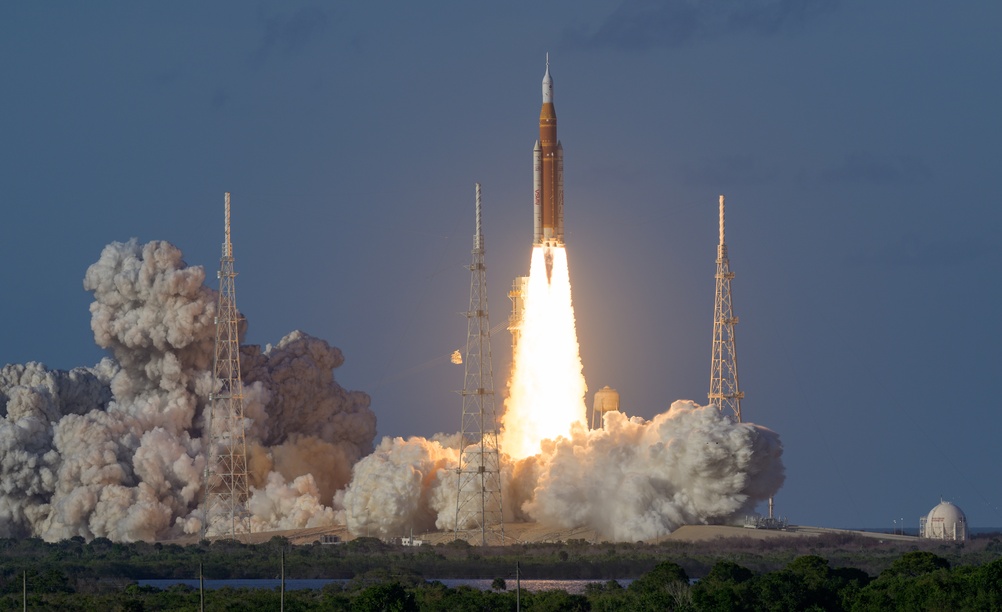
The recent Artemis launch reminded everyone of the thrill of space exploration, taking a massive step toward putting humans back on the moon. But behind the scenes, getting this rocket off the ground involved more than just engineering. It brought up serious questions about how government agencies handle their priorities. Specifically, debates have surfaced over whether NASA should focus strictly on science or if it must also navigate workplace initiatives like diversity, equity, and inclusion policies.
Some lawmakers argue that these administrative rules pull attention away from actual space travel. Senator Rick Scott recently outlined this concern, arguing that recent political mandates loaded the agency with tasks unrelated to exploring space. Stressing the need to stay on track, he noted, “As exciting as this mission is, it’s only the beginning of America’s new future on the final frontier.” From this viewpoint, keeping NASA out of political crossfires is necessary for the country to remain a top leader in aerospace.
On the other hand, supporters of these workplace policies point out that a modern workforce brings fresh ideas to the table. They argue that updating office culture does not have to ruin scientific standards. The friction between these two sides shows the tricky spot government organizations find themselves in today. The main hurdle is making sure office initiatives do not turn into red tape that slows down rocket launches. As the push to build a lasting presence on the moon continues, matching political goals with the strict rules of rocket science will remain a major test.
The Impact of Inconsistent Leadership on NASA
Space exploration requires decades of planning, making sudden changes in leadership a major hurdle. When new presidents take office, their distinct priorities often alter the path of government agencies. For NASA, this has meant dealing with shifting budgets and constantly changing goals.
In his recent commentary, Senator Scott highlighted this historical struggle. He pointed out how the cancellation of previous space programs left the agency without clear goals, stating, “For decades, NASA struggled with inconsistent direction.” He explained that past decisions, such as ending the Constellation program, caused regions heavily reliant on the aerospace industry to suffer economically. While noting that focus improved in later years, he argued that the current administration has once again burdened the agency. According to Scott, the White House recently “overloaded NASA with political mandates that had little to do with space exploration.”
This back and forth creates a difficult environment for engineers and scientists who need long term stability to build complex rockets. Programs that take ten years to develop cannot easily adapt to rules that change every four years. Those looking at the situation from an operations standpoint agree that technical missions work best when insulated from election cycles. When agencies are required to adopt new administrative focus areas, from workplace culture shifts to new environmental tracking, it takes time and resources away from their primary scientific goals. Ensuring that space exploration remains focused on the stars, rather than the changing political winds in Washington, is vital for future success.
Staying Ahead in the Modern Space Race

As the world watches the Artemis rockets launch, the reality of global competition becomes impossible to ignore. Space exploration is no longer a race between just two countries. Today, multiple nations are pouring resources into their own aerospace programs, hoping to claim their spot on the lunar surface and beyond.
This worldwide push adds a lot of urgency to the debate over how federal agencies operate. According to Senator Scott, the country faces a critical choice in how it handles this growing rivalry. In his recent commentary, he stressed that losing focus could cost the nation its top position. He cautioned, “As Artemis III approaches, the stakes could not be higher. The United States can lead a new Space Age or fall behind because of distractions and misplaced priorities.”
When a space agency has to divide its attention between building deep space habitats and fulfilling new administrative mandates, it risks slowing down important timelines. Other nations, particularly those with strictly focused and heavily funded government programs, do not face the same internal debates over workplace culture. They are moving full speed ahead toward their engineering goals.
To keep a competitive edge, many experts believe the agency needs a clear focus on its main job: exploring the unknown. Delays caused by changing political goals or added paperwork do more than just frustrate engineers. They give rival programs a real chance to catch up and potentially overtake major milestones. Keeping all efforts focused on the actual mission is vital to ensuring that the next chapter of space discoveries remains driven by countries that value scientific progress.
Prioritizing Expertise in Aerospace Hiring

Rocket science is famously unforgiving. A single math error can compromise a multibillion dollar launch. Because of the intense demands of space travel, many experts argue that aerospace agencies must build their teams strictly based on skill, experience, and merit. Recently, public debate has focused heavily on how these highly technical teams are assembled.
Following the latest Artemis mission, Senator Rick Scott pointed directly to this issue, calling on Congress to pass the Dismantle DEI Act. He argued that lawmakers need to protect NASA from politicized mandates that influence hiring practices. The core of his argument is that an agency tasked with keeping astronauts alive must prioritize pure engineering excellence over administrative diversity targets.
Supporters of current workplace policies counter that expanding the hiring pool actually helps find top talent that might otherwise be missed. They believe that bringing together engineers from different backgrounds leads to better problem solving. However, critics remain concerned that adding strict demographic targets could accidentally distract from the rigid technical standards required for deep space exploration.
When an agency is designing life support systems for the moon, every team member must be the absolute best in their field. Ensuring that the hiring process remains focused entirely on technical capability is critical for the safety of the crew and the success of the mission.
Securing the Future of Space Exploration

The success of the Artemis program is a powerful reminder of what humanity can achieve when aiming for a massive goal. However, it also acts as a warning about how easily that success can be derailed. If the nation wants to keep its edge in the stars, there must be a united effort to keep space agencies strictly focused on science.
Lawmakers and the public now face a choice. The path forward requires removing administrative burdens that do not directly help launch rockets or keep astronauts safe. By supporting policies that protect scientific agencies from shifting political mandates, the country can ensure that its engineers and scientists are allowed to do what they do best: push the boundaries of human knowledge.
The next steps are clear. It is time to champion a system that rewards merit, demands technical excellence, and keeps all eyes on the mission. Returning to the moon, and eventually reaching Mars, will require complete dedication from everyone involved. By prioritizing pure scientific achievement over workplace politics, the next generation can look up at the night sky knowing the future of space exploration is secure and driven by true expertise.