
Your cart is currently empty!
The Hidden Danger Rising Among Long Term Cannabis Users

Cannabis has long carried a reputation as a relatively low-risk substance. For many, it is associated with relaxation, appetite boosts, or creative clarity. But in recent years doctors across the United States have been sounding the alarm about a hidden and often overlooked danger affecting a growing number of chronic cannabis users. Emergency rooms have seen a striking surge of cases involving patients who arrive doubled over in pain, overwhelmed by relentless nausea, and unable to stop vomiting. What makes it even more concerning is that many of these individuals have no idea that cannabis might be the cause.
Contents
show
These episodes can be so violent and debilitating that hospital staff have adopted an unsettling term to describe them: scromiting. The word blends screaming and vomiting, and according to both medical experts and social media users who have shared their experiences, it is every bit as horrific as it sounds. Combined with the fact that these symptoms often recur in cycles and elude proper diagnosis for months or years, it becomes clear that chronic cannabis use can sometimes carry far more severe consequences than most people realize.
A condition known as Cannabis Hyperemesis Syndrome, often shortened to CHS, has become a fast-emerging public health concern. Now that global health authorities have formally recognized the condition and assigned it an official diagnostic code, the conversation around long-term cannabis use is shifting. Alongside legalization, increased access, and the rise of high potency products, comes a new understanding that the plant is not without risks. This article explores what is known about CHS, why it is so difficult to diagnose and treat, and why online communities, clinicians, and researchers are urgently trying to raise awareness.
What Exactly is CHS and Why is It Appearing More Often
Cannabis Hyperemesis Syndrome is a disorder that affects some long-term cannabis users. Symptoms typically develop after years of regular use, though research shows that the timeline varies significantly from person to person. The condition causes cyclical bouts of intense nausea, stomach pain, and uncontrollable vomiting. For some individuals, vomiting episodes can occur up to five times an hour. The pain is so severe that people frequently scream in distress, which has contributed to the adoption of the term scromiting in both clinical contexts and social media communities.
Although CHS has only recently gained broader media attention, it has been increasingly observed in emergency rooms over the last decade. According to data cited by hospital systems and academic researchers, ER visits associated with CHS have risen dramatically. One study published in JAMA Network Open found that CHS related emergency room visits increased roughly 650 percent from 2016 to the peak of the pandemic period. Experts believe that a mix of stress, isolation, and increased availability of high potency cannabis products contributed to this surge.

One of the major challenges with CHS is that symptoms mimic other gastrointestinal problems. Patients often arrive in the ER describing what appear to be signs of stomach flu, food poisoning, or cyclic vomiting syndrome. Healthcare providers, unless familiar with CHS, may misdiagnose the issue or treat it as a routine stomach illness. The result is that many patients cycle through repeated ER visits without answers. According to clinicians at the University of Washington, it is common for patients to accumulate thousands of dollars in medical bills before the correct diagnosis is made.
The World Health Organization formally recognized CHS in October and assigned it a diagnostic code. This new classification helps hospitals track cases more accurately and allows researchers to analyze trends. The CDC has already incorporated this code into United States diagnostic systems. Experts say that this step can improve early detection and help clinicians recognize repeating patterns in patients who may unknowingly be caught in a cycle of relapse and recurrence.
Stories of Scromiting and Why People Do Not Initially Connect It to Cannabis
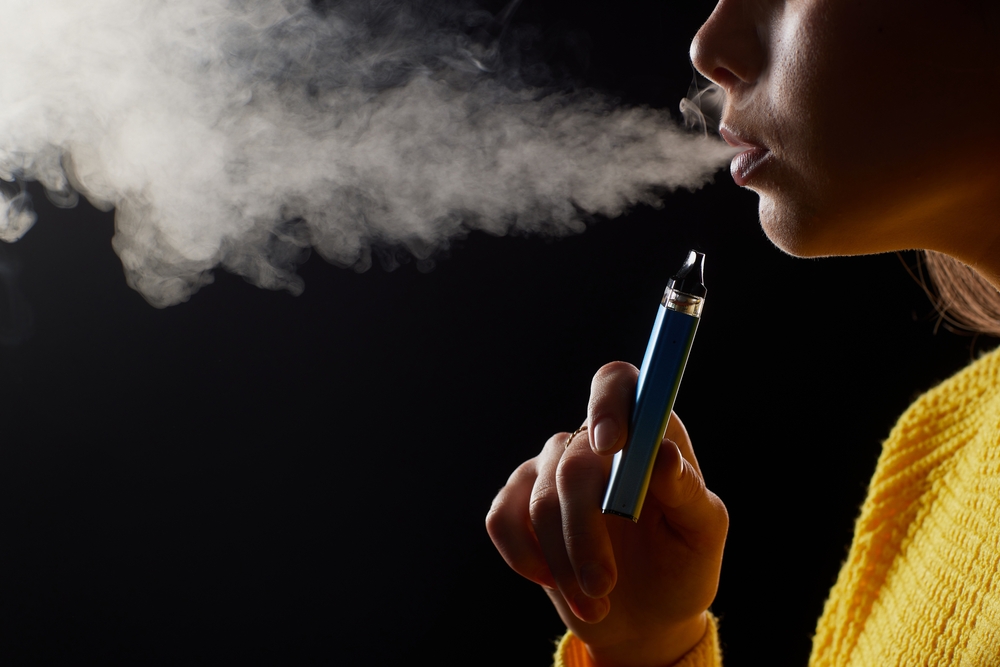
One of the most eye opening aspects of CHS is how little awareness exists among people who use cannabis regularly. On TikTok, individuals who have lived through CHS episodes have begun sharing personal stories. Many of these users consumed cannabis daily for years before experiencing symptoms. They often initially assumed they had food poisoning or another unrelated illness.
A TikTok user who goes by vanillasunshineee205 described her first scromiting episode as worse than childbirth. She recounted screaming from pain and vomiting repeatedly, unable to find relief. For her and many others, the experience was so intense that it felt life threatening. Another user, lizhaniford, said she almost died from it after being unable to eat or drink for a week. She had been smoking three to four times a day for more than four years and did not realize the connection between her cannabis use and the severe vomiting spells.
These stories highlight a common theme. People often continue using cannabis even after their first episode of scromiting because they assume the condition stems from something else. Since episodes occur intermittently and may be separated by weeks or months, users may perceive the situation as a temporary stomach bug rather than a reaction to cannabis. Even after receiving a diagnosis, some struggle to accept the connection or to stop using cannabis, especially if cannabis has been a longstanding coping tool or part of a daily routine.
Social media has played a significant role in raising awareness. Videos showing reenactments of scromiting episodes have gone viral. Some users who have recovered dedicate their pages to educating others. One influencer, who posts under the name ms.womanist3, said that smoking nearly killed her and that the only way she found relief was by quitting completely. As more patients speak publicly, awareness grows, yet the syndrome remains largely underrecognized in the general population.
Understanding the Science and Theories Behind CHS

Researchers are still trying to understand what causes CHS. The most widely accepted theory is that long-term overstimulation of the endocannabinoid system interferes with the body’s natural ability to regulate nausea and vomiting. The endocannabinoid system plays a key role in maintaining balance across many bodily functions, including mood, appetite, digestion, and pain perception.
Cannabis contains numerous compounds known as cannabinoids, the most famous being THC and CBD. While cannabis is often used medically to relieve nausea, experts note that these anti nausea effects usually come from low dose cannabinoid products, often containing less than 5 percent THC. Modern recreational cannabis, by contrast, can exceed 20 percent THC and in some concentrated forms can reach above 90 percent.
High potency cannabis may overstimulate receptors in ways that researchers still do not fully understand. Although cannabis has been used medicinally for centuries, the high potency products available today are far stronger than those used historically. This shift may help explain why CHS seems to be appearing more frequently among young adults and adolescents.
Researchers from George Washington University surveyed over 1,000 people diagnosed with CHS and found that early onset cannabis use was associated with higher risks of severe symptoms. Nearly half of respondents reported using cannabis daily for more than five years before experiencing CHS. Adolescents appear particularly vulnerable. Studies show that ER visits for CHS among teenagers increased more than tenfold from 2016 to 2023, with the fastest growth occurring in states where cannabis remains illegal. This suggests complex interactions between access, potency, behavioral factors, and possibly genetics.
Even with growing knowledge, many questions remain. Why do some long-term users develop CHS while others do not. Is the condition linked to genetics, frequency of use, potency, or some combination. Medical professionals emphasize that the threshold varies widely from person to person, meaning even occasional users could be susceptible under certain circumstances.
Why Diagnosing CHS is So Difficult for Doctors

CHS is notoriously difficult to diagnose. Its symptoms overlap with many more common gastrointestinal disorders. Without awareness of the patient’s cannabis use, clinicians may incorrectly suspect infections, gallbladder issues, or cyclic vomiting syndrome.
Providers typically consider several criteria when diagnosing CHS. These include long-term, frequent cannabis use, severe cyclic vomiting episodes, abdominal pain, relief through hot baths or showers, and complete cessation of symptoms once cannabis use stops. Hot showers are often a key detail. Patients describe spending hours each day under hot water because it provides temporary relief. Doctors are not entirely sure why heat helps, but they consider it a distinct clue.
Because there is no specific test for CHS, diagnosis relies heavily on patient honesty and clinician familiarity. Some patients hesitate to disclose cannabis use, particularly adolescents or individuals living in areas where cannabis use is stigmatized or illegal. Without that information, clinicians may focus on ruling out other conditions through blood tests, imaging scans, and hospital observation.
Misdiagnosis can lead to repeated emergency room visits, ineffective treatments, and worsening dehydration. Some individuals undergo extensive imaging and lab work before the true cause is identified. With the WHO’s new diagnostic code for CHS, clinicians hope that awareness will improve and that fewer patients will suffer long periods of uncertainty.
The Challenges and Reality of Treatment

Despite the availability of modern gastrointestinal treatments, CHS remains extremely challenging to manage. Standard anti nausea medications often fail to provide relief. In many cases, doctors must resort to alternative medications such as haloperidol, normally used to treat psychotic episodes, or benzodiazepines for short term symptom relief.
Some people find relief through capsaicin cream applied to the stomach area. Capsaicin creates a warming sensation on the skin that appears to mimic the soothing effect of hot showers. Others rely on continuous hot bathing to manage symptoms during acute episodes, though excessive use of hot water raises risks of dehydration and even burns.
Severe CHS often requires hospitalization. Patients may need intravenous fluids to correct dehydration, electrolyte replacement, and monitoring for complications. The disorder can lead to weight loss, malnutrition, and in extreme cases, kidney failure or heart rhythm problems. A small number of deaths have been linked to CHS related complications.
Unfortunately, there is currently only one known cure for CHS. Complete cessation of cannabis use permanently stops the cycle of nausea and vomiting. Recovery typically begins within days of quitting but can take months before symptoms fully resolve. This creates a difficult path for individuals who rely on cannabis for anxiety, pain, or sleep. Many people relapse because they assume a later episode is unrelated or because withdrawal poses its own challenges.
Public health experts stress the importance of support systems for those attempting to quit. Addiction counselors, support groups, and medical providers can help users navigate the process. Some social media influencers who have overcome CHS now use their platforms to encourage others to seek help and to share relapse prevention strategies.
Cannabis Culture and Public Health

The recognition of CHS as a diagnosable syndrome raises important questions about cannabis education. As cannabis becomes increasingly normalized and legalized in many regions, discussions about its risks often lag behind its cultural acceptance. Many consumers assume cannabis is harmless or considerably safer than alcohol or other drugs. While cannabis does have therapeutic uses and poses fewer risks than some substances, CHS demonstrates that it is not without serious potential consequences.
Public health experts argue that awareness needs to grow alongside legalization. This does not mean discouraging responsible adult use, but rather acknowledging the complexities of a substance that interacts differently with every individual. The rise in high potency products adds another layer of risk. Extracts and concentrates now far exceed the THC levels present in cannabis products of previous decades.
One of the greatest challenges is bridging the gap between medical guidance and user perceptions. Some individuals resist the possibility that cannabis could cause harm because it contradicts their personal experiences or beliefs. Others rely on cannabis to manage chronic stress or trauma and fear that quitting will remove a valuable coping mechanism.
The WHO’s new diagnostic code represents forward movement in understanding CHS. It helps researchers gather accurate data and opens pathways for deeper study into the causes, risk factors, and treatment options. It also helps clinicians track cases more easily across regions, which encourages collaboration and supports evidence based care.
A Condition Worth Recognizing and Discussing
Cannabis Hyperemesis Syndrome is an evolving health concern that reflects the changing landscape of cannabis use. As legalization expands and high potency products become more widely accessible, medical experts are seeing new patterns of illness that challenge long standing assumptions about cannabis safety. While CHS does not affect all users, it is serious, recurring, and potentially dangerous for those who develop it.
The growing body of research, combined with personal testimony from people who have endured scromiting episodes, makes it clear that awareness is essential. Understanding the signs, recognizing the connection to long-term cannabis use, and seeking appropriate help can prevent years of painful cycles and repeated ER visits.
As with many health conditions, early recognition makes a significant difference. For cannabis users, especially those who consume daily or rely on high potency products, staying informed is a critical part of staying safe. CHS is tough to treat, but with support, education, and honest conversations, people who experience it can find relief and reclaim their wellbeing.