
Your cart is currently empty!
New Research Reveals a Hidden Biological Mode Between Living and Dying
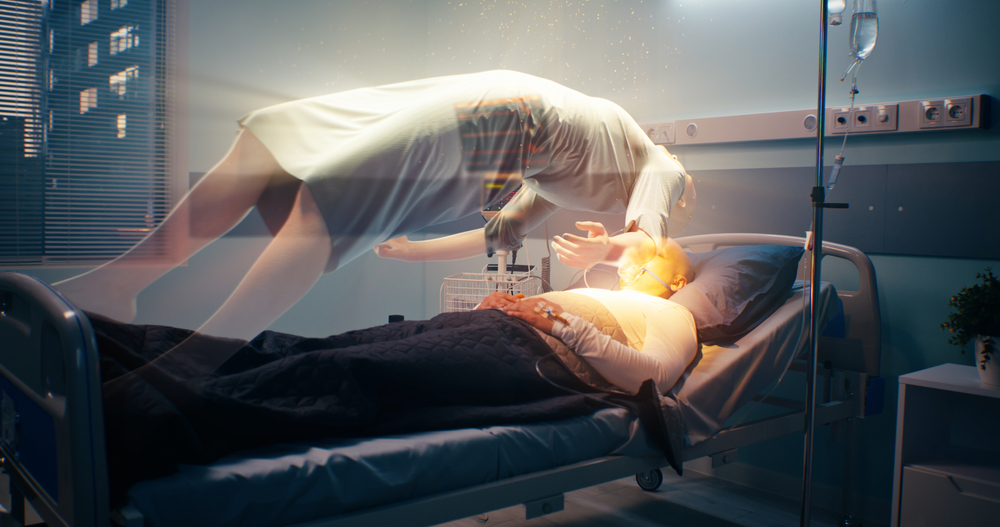
The boundary between life and death has always appeared absolute. Across cultures, eras, and scientific disciplines, the moment when a heartbeat stops and brain activity ceases has long been seen as the definitive end. Yet a new wave of research suggests that this narrative may be incomplete. Several teams of scientists have uncovered evidence of a previously unknown biological condition that exists in the liminal space between living and dying. According to early reports and reference investigations from various research universities, this discovery is challenging established ideas about what it means to exist.
Contents
show
These findings propose that cells and cellular systems can occupy a third state that is neither fully alive nor entirely dead. To some researchers, this state is reminiscent of a quiet survival mode, while others describe it as a molecular rearrangement that grants temporary extensions of function in ways not previously imagined. The implications are immense and they reach into medicine, organ preservation, emergency response, and philosophical understandings of consciousness.
As scientists continue to investigate this perplexing phenomenon, public fascination is growing rapidly. What was once the domain of speculative fiction is now rooted in laboratory evidence. This article explores the emerging science behind the third state and the many questions it raises about our own biological boundaries.
Exploring the Newly Discovered Third State
The concept of a midpoint between life and death was once thought impossible but recent breakthroughs suggest that cells may be able to temporarily exist in a condition that defies classical definitions. According to insights reported in Popular Mechanics, the research began with experiments involving small biological constructs called biobots, which displayed unusual responses after entering extreme physical conditions. These biobots appeared to operate without meeting the conventional requirements for life yet they also had not deteriorated enough to be considered dead.
The reference material from AIU describes this state as an intricate biological bridge. In this state, cellular mechanisms slow drastically as if switching into a minimal energy configuration. The cells neither grow nor divide, yet they maintain a form of internal order that prevents total collapse. Researchers compare it to a suspended animation but emphasize that it is not simply a slowed version of life. Instead, it seems to be a different biological mode altogether.
In laboratory settings, this third state was observed under controlled stress conditions. When tissues were deprived of normal oxygen levels, their molecular structures shifted in ways that extended their functional survival beyond expectations. These outcomes present a puzzle for biologists because the cells do not behave as living cells should, yet they also resist the disintegration that accompanies cellular death. The discovery emerged not from a single breakthrough but rather from a series of unexpected results that forced scientists to rethink their assumptions.
The implications for this discovery are enormous. If cells can retreat into this third state, it suggests that our traditional definitions of life and death may be overly simplistic. The human body may possess hidden capabilities that activate under certain kinds of extreme duress. This raises a powerful question. How many biological processes could be rewired or extended if we better understood this newly identified condition?
How Researchers Stumbled Upon the Life Death Midpoint
The investigation into this third state did not begin with a search for new biological categories. Instead, the breakthrough came from studies on resilience. Scientists were attempting to see how far they could push cellular materials before they completely failed. In the process, they noticed repeating abnormalities in the way certain cells responded to severe external pressures.
These anomalies were subtle at first. Microscopic evaluations showed that some cells refused to die in the expected timeline. Instead of collapsing, they entered a state of unusual quietness. Researchers initially believed these cells were simply malfunctioning or experiencing some sort of delay. However, the patterns continued across multiple experiments and across different types of tissues, which made it clear that something else was happening.

Reports from CBS affiliates highlight that once this pattern became undeniable, the scientific teams shifted focus entirely. They began measuring the minute electrical and chemical signals within the suspended cells and found that even while these signals were severely diminished, they still existed. This meant the cells were not dead, but they were no longer operating within normal living parameters.
Over time, the scientific teams began to recognize this as a distinct biological phenomenon. It was not accidental. It was not random. It appeared to be a previously unknown mode of survival encoded deep within cellular biology. The scientists involved have repeatedly emphasized that they did not set out to redefine life and death. They simply followed the evidence that kept pointing toward a new biological category.
What This Discovery Reveals About Cellular Survival
Cells have long been known to possess remarkable adaptability, but this third state expands that understanding significantly. When researchers inspected the biochemical activity occurring within this state, they found that certain proteins shut down while others were activated in unusual patterns. These patterns appeared to preserve the overall structure without enabling traditional function. The cell was essentially conserving its identity while shutting down most of its activity.
The reference from AIU explains that this mode may represent an evolutionary adaptation that allows organisms to survive otherwise fatal conditions. Instead of dying immediately, the cells appear to suspend themselves in a delicate equilibrium. They neither progress nor decay. They simply remain. This phenomenon stands apart from known survival strategies such as hibernation or metabolic slowdown because it does not involve typical life processes at all.
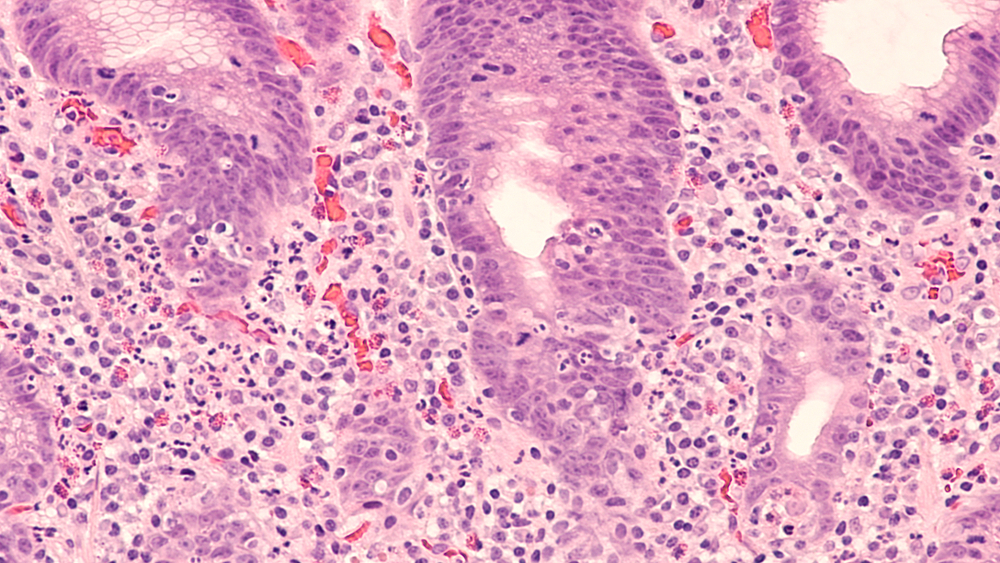
Some researchers believe that the third state may be triggered by a threshold event where energy becomes so limited that the cell must choose between rapid death or entering a protective paused mode. The cell seems to retain enough molecular integrity to potentially revive if conditions return to normal. This aspect raises exciting possibilities for organ preservation. If tissues can be encouraged to enter the third state on command, they may be able to remain viable for significantly longer periods.
There are medical implications that stretch even further. Emergency medicine often grapples with the narrow window of time between injury and irreversible damage. If the third state can be activated intentionally, it could transform the way paramedics and trauma teams approach life-threatening events. Trauma care might one day involve inducing this state to provide doctors with more time to act.
Philosophical and Ethical Questions Raised by the Third State
Beyond the laboratory and medical potential, this discovery raises profound questions about the nature of existence itself. Philosophers, scientists, and ethicists are already discussing what it means for a cell or even a person to occupy a state that sits outside traditional definitions of being alive or dead.
One of the largest philosophical challenges involves how we define the beginning and end of life. If biological systems can remain in a third state for extended periods, how does that change the ethical frameworks used in hospitals and medical decision making? Many existing protocols depend on clear cut definitions of life and death. This new discovery complicates those definitions.
There are also questions about personal identity and consciousness. While the third state has only been observed at the cellular level so far, some theorists wonder whether larger biological systems might be capable of something similar. The references do not suggest that conscious beings can enter the third state, but the idea has sparked discussions about the limits of human survival.
Ethical considerations also arise regarding how such a state might be induced, manipulated or used in future technologies. Could it be misused? Could it enable new forms of biological enhancement or create new medical dilemmas? As researchers continue to explore this area, it is clear that ethics committees will need to be deeply involved.
Future Applications and Unanswered Questions
Scientists are just beginning to understand this third state. The research is still in its early phases but the potential applications are already drawing the attention of medical professionals and technology innovators. The idea that tissues could be preserved longer without decay could revolutionize organ transplantation. This could allow doctors to operate with greater flexibility and significantly reduce the number of organs lost due to time constraints.
Other future applications include space travel. Human exploration beyond our planet requires new approaches to biological preservation. If cellular systems can enter a state of suspended stability without damage, it may one day assist astronauts in coping with extreme conditions. Some scientists speculate that biobots capable of entering this third state might be used for long term missions where energy is scarce.
Yet for every new possibility, there are many unanswered questions. How long can cells remain in this state? Can whole organs safely enter the third state? Can this process be reversed without complications? These unknowns ensure that researchers will continue to investigate the phenomenon for many years.
Another unanswered question involves how widespread this capability is across species. If plants, animals, and microorganisms can all enter this state, it could shift our understanding of the natural world. It may even offer insights into how life evolved and adapted to extreme challenges throughout Earth’s history.
Redefining the Edge of Existence
The discovery of a third state between life and death reminds us that biology still holds countless secrets waiting to be uncovered. What began as an unexpected observation has grown into a transformative insight that may one day reshape emergency medicine, organ preservation, and scientific definitions of existence. As researchers continue to examine this phenomenon, the world watches with fascination.
This discovery challenges traditional boundaries and invites us to rethink long-held assumptions. It encourages both scientific curiosity and philosophical reflection. Perhaps most importantly, it opens the door to future breakthroughs that could extend human life, preserve vital organs, and deepen our understanding of what it truly means to be alive.
As new experiments are conducted and more evidence emerges, this third state may become a cornerstone of modern biology, much like DNA or cellular regeneration once were. The coming years will not only reveal how this state functions but also how humanity might responsibly harness it. What seems mysterious today could soon become one of the most powerful tools in the scientific world, redefining our relationship with life itself.