
Your cart is currently empty!
No One Will Quote Him a Price. Inside the Fertilizer Crisis Crushing American Farms
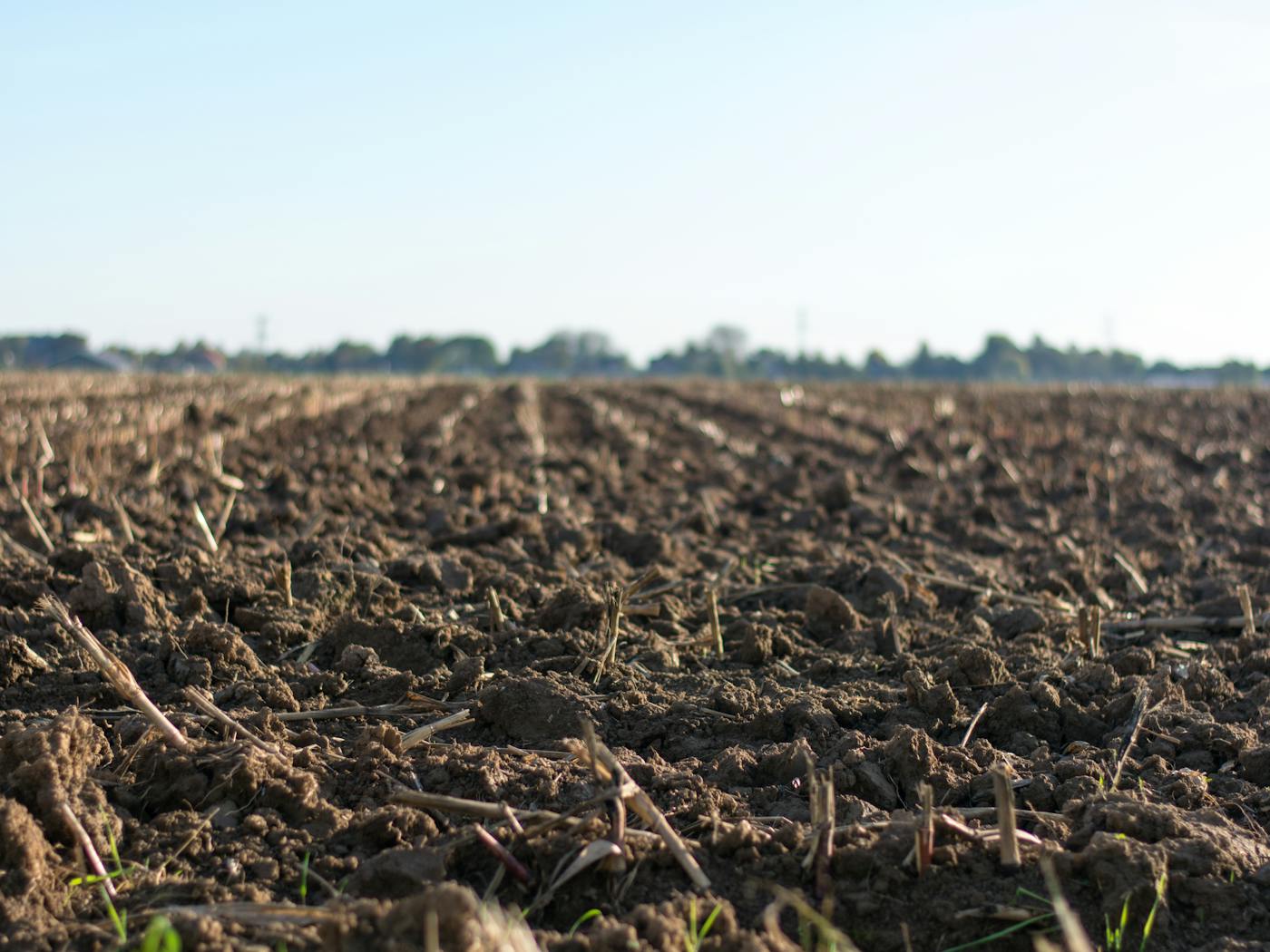
John Yeley picks up the phone and dials his fertilizer suppliers. He has done it every spring for years, a routine call to lock in nitrogen prices before planting season. But in March 2026, no one on the other end will give him a number. Not one retailer can commit to a quote. Only a single supplier, out of several Yeley normally works with, has returned his call with any figure at all.
Contents
show
Yeley, a seventh-generation Illinois farmer who grows corn and soybeans, is not facing a local shortage or a billing error. He is caught in the fallout of a war that started thousands of miles from his fields, and he is far from alone.
Across the country, American farmers entering their most expensive season of the year are discovering that the fertilizer they depend on has become harder to find and far more costly to buy. What is driving the spike sits at the intersection of geopolitics, global shipping, and an agricultural economy that was already buckling before the first bombs dropped.
A Chokepoint Shut Down at the Worst Possible Moment
On February 28, US and Israeli strikes targeting Iran ignited a conflict that quickly snarled maritime traffic through the Strait of Hormuz. Roughly one-fifth of the world’s oil and one-third of its fertilizer pass through that narrow waterway. Since the war broke out, traffic has all but halted.
About 35 percent of fertilizer used in the United States is imported, including nitrogen and phosphorus sourced from the Middle East. Around half the global supply of urea, a crystallized nitrogen compound that powers much of the world’s farming, originates in the region, along with 30 percent of ammonia. With the strait effectively closed, those supplies have been cut off during the very weeks when American farmers finalize their spring planting inputs.
Benchmark nitrogen prices at New Orleans sat at $350 per short ton in late December. By late February, just before the conflict, they had climbed to $470. As of March 10, they were trading near $600, according to Profercy, a global fertilizer pricing and analysis firm. Imported urea prices jumped nearly 30 percent in the first week after fighting began.
Even domestically produced fertilizer is getting more expensive. Natural gas, a key input in nitrogen manufacturing, has surged with the war. So farmers who rely on American-made products face rising costs too.
A Squeeze That Started Long Before Iran
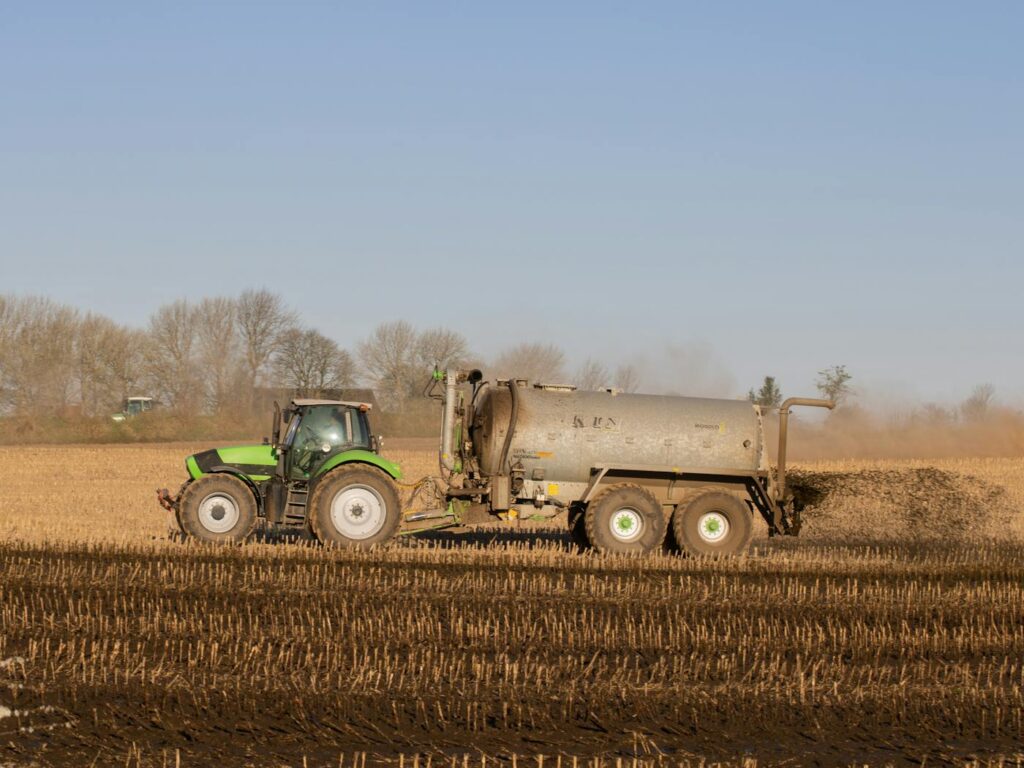
Fertilizer prices did not spike overnight. They have been elevated since the Russia-Ukraine war disrupted raw materials and natural gas supplies years ago. China’s decision to cut phosphate exports and prioritize domestic needs tightened the market further. Between February 2025 and February 2026, nitrogenous fertilizer costs rose 22 percent, according to the Bureau of Labor Statistics, all before Iran entered the picture.
Todd Littleton, a third-generation Tennessee farmer who grows corn, soybeans, and wheat, expects to pay $100,000 more for fertilizer in 2026 than he did last year, a 40 percent increase. For a producer already reeling from consecutive record losses, the timing could not be worse.
“The problem is, is we’re so strained financially coming into this issue,” Littleton said. “We have had a couple of record losses the last couple years, so everyone’s kind of grabbing at straws anyway, and then to have input prices increase yet again, it just really couldn’t happen at a worse time.”
Rodney Bushmeyer, whose family has farmed the same Illinois land for over a century, says fertilizer costs have increased “dramatically” over the past five or six years, with some products doubling in price. At current crop values, he sees no profit at all, and he warns that the situation will eventually push operations like his out of business.
Growing Crops at a Loss

American agriculture has been in a recession for at least three years, according to Chad Hart, an economics professor and crop market specialist at Iowa State University. Low crop prices, rising farm bankruptcies after the pandemic, and the US-China trade war’s closure of a major export market have combined to erode farm incomes well before fertilizer became a headline crisis.
Farmers now lose money growing corn, oats, rice, and other staple crops. Farm debt hit a record high in 2025. Equipment has become more expensive. Diesel, which powers nearly every machine on a working farm, has climbed with the war. Seeds, pesticides, and healthcare costs have all risen, while revenues from crops have fallen.
Josh Manske, who grows corn and soybeans in southwest Iowa, describes the market as “just unsustainable.” Josh Boxell, farming 50 miles north of Indianapolis, points out the disconnect between what farmers earn and what consumers pay, noting that crop prices keep dropping while grocery bills keep climbing.
Why Farmers Cannot Simply Use Less

Fertilizer is the most volatile and largest non-land production cost for most American farmers. Corn, the nation’s biggest crop, it accounts for roughly 20 percent of total production expenses, according to the USDA. About half of all agricultural production can be attributed to fertilizer use, per the Fertilizer Institute.
Cutting back is not a viable option. Angela Guentzel, a sixth-generation Minnesota farmer and board member of the Minnesota Corn Growers Association, purchased her fertilizer in the fall before the price spike. But she recognizes that if costs remain elevated, farmers will face an impossible choice between spending money they do not have and accepting lower yields they cannot afford.
Guentzel framed the stakes in terms that extend far beyond any single farm. “Food security is basically national security,” she said. “Everything on the table starts with a farmer and seed in the ground. And fertilizer isn’t really an optional thing.”
Lance Lillibridge, who farms about 1,250 acres of corn in east-central Iowa, warns that skipping fertilizer would reduce crop yields and drive up grocery costs for everyone. He also points to concentration in the fertilizer industry as a structural problem, arguing that a handful of companies wield enough market power to manipulate prices with little accountability.
Planting Decisions Are Already Shifting
USDA’s February estimates projected a 4-million-acre swing from corn to soybeans in 2026, partly because soybeans require less fertilizer and are cheaper to grow. Official planting-intention survey results, due March 31, could show an even larger shift if farmers responded to the price spike after the war began.
Farmers who delayed fall fertilizer purchases, hoping for lower prices, are now locked into the surge. Others who applied fall fertilizer still need additional spring nutrients and face the same elevated costs. Matt Bennett, CEO of AgMarket and a seventh-generation Illinois grain farmer, says growers are caught between high prices and the biological reality that crops need feeding.
A separate uncertainty looms over supply itself. Fertilizer shipments from the Middle East take 30 to 45 days to reach the Port of New Orleans. An unknown volume of already-purchased product may be floating in the Red Sea, unable to ship through the conflict zone. Philip Coffin, an independent grain analyst, identifies this as the most pressing question, how much ordered fertilizer will get hung up and never arrive for spring planting.
Federal Aid Arrives and Disappears

Over $12 billion in one-time USDA payments began reaching farmers on February 28, intended to offset tariff losses and elevated input costs. Aaron Lehman, president of the Iowa Farmers Union, jokes that the checks barely arrived before heading straight to the fertilizer dealer. Boxell calls the payments a safety net but says they will not fix the problem of net loss, only take a little edge off.
Jacqui Fatka, a farm supply economist at CoBank, puts the math in perspective. Payments work out to roughly $44 per corn acre against an estimated $900 per acre in production costs. USDA says it has distributed more than $30 billion in additional aid since January 2025, and the White House recently announced it would allow Venezuelan fertilizer imports to help ease the shortage. Agriculture Secretary Brooke Rollins called the move a step that puts farm security first. But it remains unclear how much fertilizer Venezuela can produce or how quickly any of it would reach American farms.
Even if the Iran conflict ended tomorrow, experts warn prices would not fall fast. Existing disruptions from Russia-Ukraine and Chinese export restrictions remain unresolved. Fatka says there will be a long tail before supply chains recover.
A Family Business Running Out of Room

For farmers whose families have worked the same land for generations, the crisis carries a weight that balance sheets alone cannot capture.
Lillibridge grew up on a farm and survived the 1980s agricultural crisis, when a high school teacher told him he would never make it in farming. He spent five years working in a factory before returning to the land in the 1990s. He managed to buy acreage before the ethanol boom and build a full-time operation. Now, watching fertilizer prices climb beyond what his margins can absorb, he faces a question he never expected to ask.
“I’ve got a 19-year-old son. This is what he wants to do,” Lillibridge said of farming. “And I just don’t know if it’s going to be a good thing for him to do.”
Bushmeyer, 69, still gets to watch the sunrise on his way to work every morning. His wheat is planted. Soy and corn will follow in the coming weeks. He quotes his father’s old saying about being at the mercy of weather and government, neither of which a farmer can control. He remains optimistic because, as he puts it, without optimism, no one would ever try to raise a crop.
But somewhere between that optimism and the $600-per-ton nitrogen price on his next invoice sits a gap that generational resilience alone may not be able to bridge. Manske, looking past this season and into 2027, asks the question hanging over every farm in the country. When he has to price fertilizer again, what will signing for next year’s crop even look like? Nobody picking up the phone can give him an answer.
American Farm Bureau Federation, American farmers, corn farming, crop prices, farm debt, farm subsidies, fertilizer prices, food prices, grocery costs, Iran war, natural gas prices, nitrogen fertilizer, rural economy, soybean farming, spring planting season, Strait of Hormuz, urea prices, US agriculture, USDA, Venezuela fertilizer imports