
Your cart is currently empty!
Officials Investigate Illegal Killing Of Well-Known Yellowstone Wolf Near Park Boundary
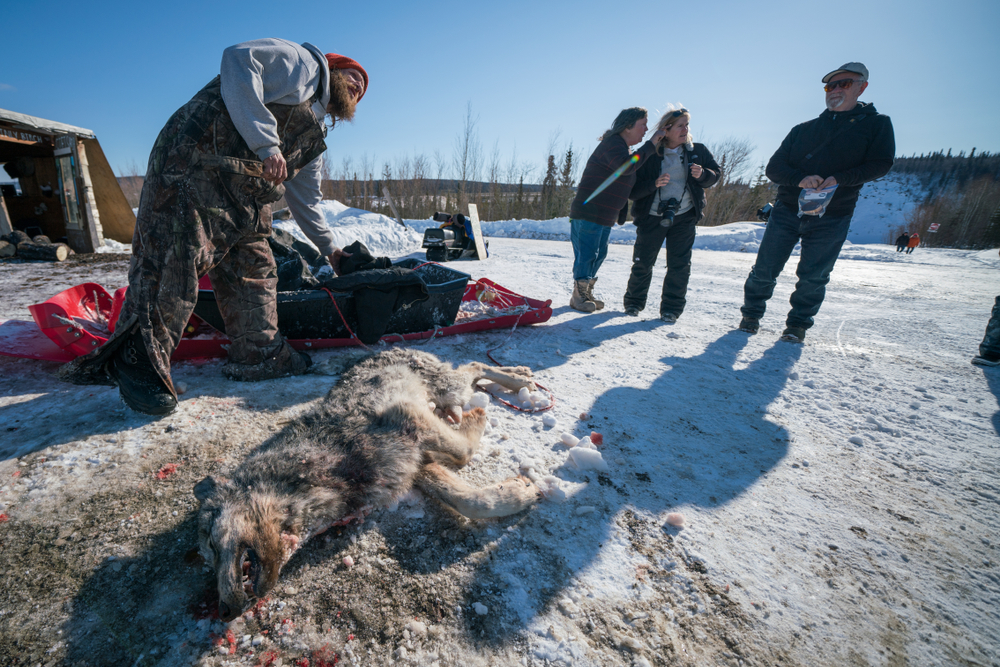
The illegal killing of a gray wolf just north of Yellowstone National Park has drawn intense attention from wildlife advocates, researchers, and the many visitors who have followed the park’s wolves for years. According to officials and wolf advocates, the animal was shot around Christmas outside the park’s boundary, despite having spent most of her life under federal protection. This was not an unknown wolf living far from human view. Those familiar with Yellowstone’s wolves say she belonged to the Junction Butte pack, a group that has become one of the most closely watched wildlife families in the world. Her death has exposed how narrow the line is between safety and danger for animals that live near the edges of protected land.
Contents
show
For decades, Yellowstone’s wolves have been held up as proof that conservation can work when science, public support, and legal protections align. Visitors routinely stop along the park’s northern roads to watch wolves move across open valleys, hunt elk, and raise pups. Many feel a personal connection to these animals, even if that connection is built from distance and observation. The killing of this wolf has shaken that sense of security and forced renewed scrutiny of how wolves are managed once they cross out of the park, even briefly, into areas governed by very different rules.
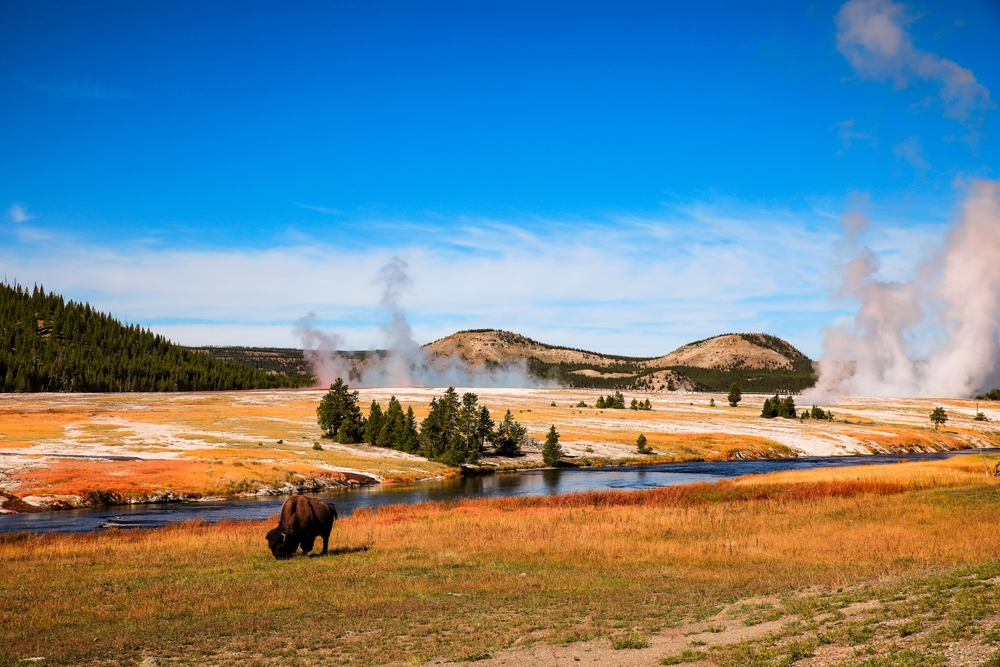
A wolf from the Junction Butte pack
Numerous wolf advocates, wildlife watchers, and guides have said the poached wolf was a female identified as 1478F, born into the Junction Butte pack. Yellowstone National Park and Montana Fish, Wildlife & Parks have declined to confirm her identity while the investigation remains active. Yellowstone spokesperson Linda Veress referred questions to state officials, and Morgan Jacobsen of Montana Fish, Wildlife & Parks said, “Since the investigation is still ongoing, it’s not information we can confirm at this time.”
The Junction Butte pack has been described by Yellowstone National Park as “the most viewed wolf pack in the world.” The pack formed in 2012 and lives primarily in the northern portion of the park, where its dens and hunting grounds are visible from major roads. Because of this access, the pack has been observed by millions of visitors and studied extensively by researchers.
Marc Cooke, vice president and board member of Wolves of the Rockies, described 1478F as “a rising star within the pack.” Guides and longtime wolf watchers say her presence mattered not only biologically, but emotionally, as part of an ongoing story that people followed year after year.
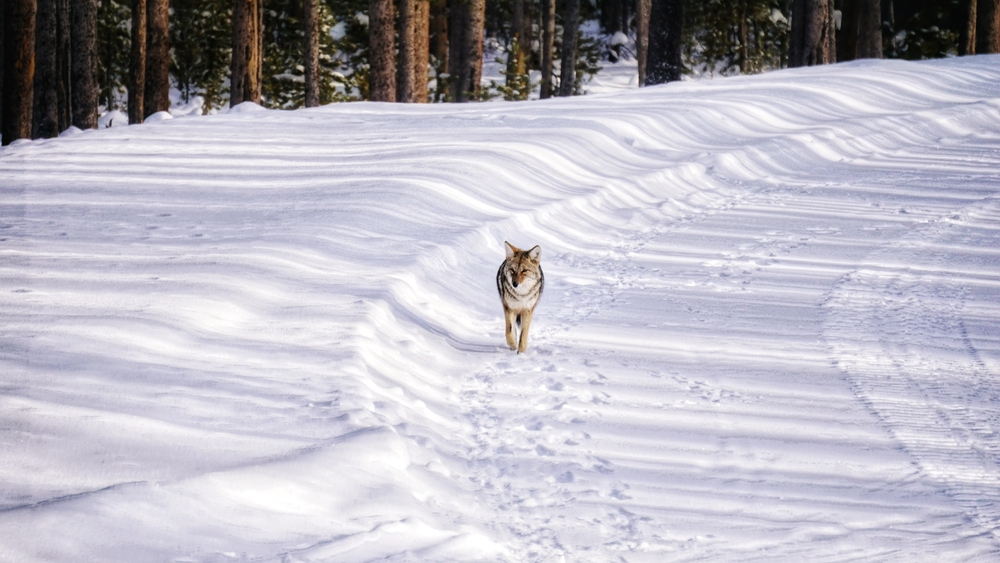
The collar that signaled something was wrong
Many Yellowstone wolves wear radio collars that allow researchers to track their movements and survival. These collars are designed to send alerts when they stop moving for a prolonged period, signaling a possible death. In this case, that technology was the first sign that something had gone wrong.
Montana Fish, Wildlife & Parks officials said they began investigating after receiving a “mortality signal” from the collar. These alerts can be triggered by natural deaths, conflicts with other wolves, or legal hunting activity outside the park.
When officials arrived at the location north of Yellowstone, they did not find a wolf. Instead, they found only the collar, which had been cut off and thrown into a tree. The absence of the animal itself immediately raised concerns and shifted the investigation toward poaching.
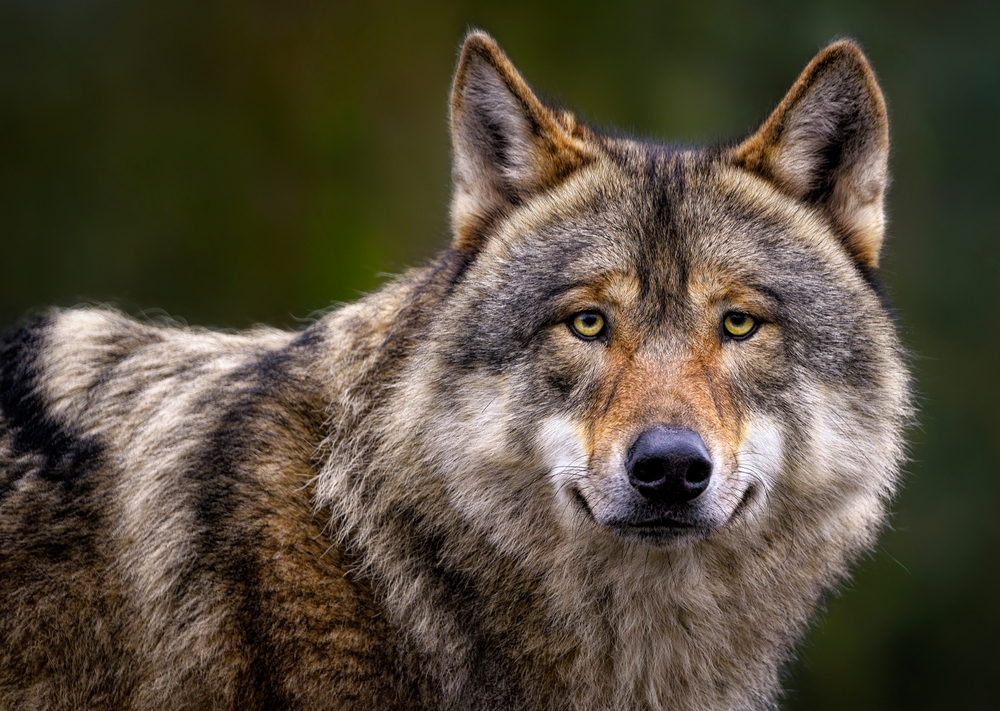
Why the killing was illegal
The wolf was killed in Montana hunting unit 313, an area that sometimes allows legal wolf hunting. According to Montana Fish, Wildlife & Parks, the unit’s quota of three wolves had already been met earlier in the season.
Because the quota had been filled, the unit was closed to legal wolf hunting as of Nov. 16. Game wardens believe the wolf was shot around 10 p.m. on Christmas Day, well after the closure took effect.
As a result, the shooting was illegal. Officials have said the removal and disposal of the tracking collar further suggests an attempt to avoid detection, though no suspects have been identified publicly.
Why Yellowstone wolves face higher risks
Wolves that live most of their lives inside Yellowstone tend to be less skittish around people and vehicles than wolves in more remote areas. Growing up near roads and visitors changes how they respond to human presence.
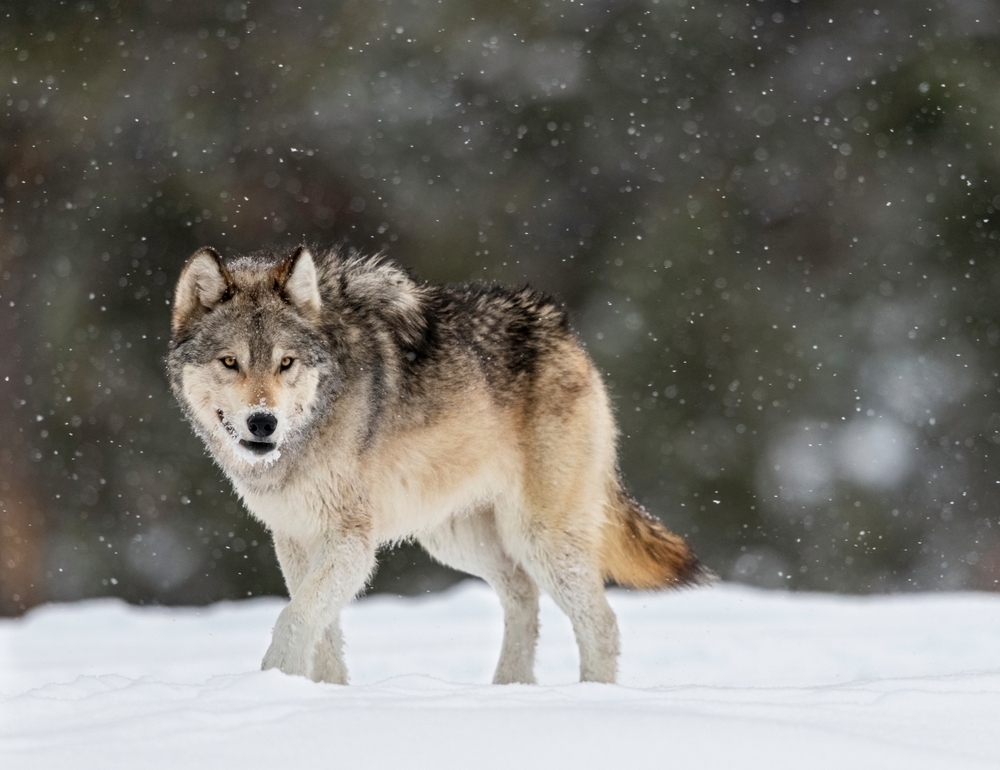
Historically, this has made park wolves easier targets once they step outside protected boundaries. Hunters sometimes wait just beyond the park border in Montana, where state hunting regulations apply instead of federal protections.
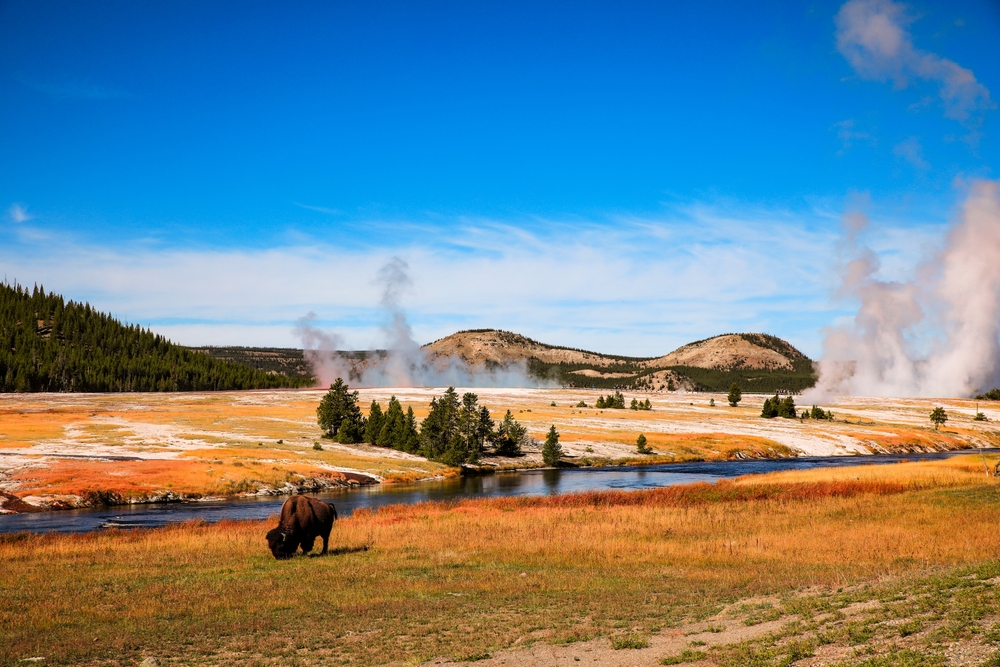
During winter, elk move out of higher elevations into valleys with less snow. Wolves follow this migration, which often draws them outside the park near communities such as Gardiner and Jardine, placing them at greater risk.
Research, collaring, and long term data
Yellowstone scientists aim to collar about 30 percent of each wolf pack, focusing on breeding wolves and their pups. According to a Yellowstone National Park webpage, “This radio-collared population, combined with monitoring data, supports long-term research, guides management actions in the park, and helps with decisions within and beyond Yellowstone’s boundaries.”
The information collected through these collars has supported decades of research into wolf behavior, survival, and movement. It has also played a role in shaping how wolves are managed both inside the park and in surrounding states.
When a collared wolf is killed illegally, it disrupts that research and removes years of potential data. Scientists and advocates say these losses weaken the scientific foundation used to guide wildlife policy.
A pack already experiencing losses
Wolf 1478F was not the first member of the Junction Butte pack to die this winter. Earlier in the season, her sister was legally killed after leaving the park and entering Montana.
While that killing complied with state law, advocates say it still had consequences for the pack. Adult females play critical roles in hunting, pup rearing, and maintaining social stability.
Repeated losses, even when legal, can strain a pack’s ability to survive and reproduce, increasing the risk of fragmentation or collapse.
Yellowstone wolves by the numbers
As of 2024, there were at least 108 wolves living in Yellowstone National Park, spread across nine packs. These numbers change from year to year due to births, deaths, dispersal, and hunting related mortality.
Some wolves spend nearly their entire lives inside the park, while others leave as they mature to find mates or establish new territories. This makes defining a “park wolf” difficult in practice.
That uncertainty has fueled ongoing debates about whether protections should extend beyond the park’s borders for wolves that spend most of their lives under federal protection.
A history of controversy near the border
Wolf hunting near Yellowstone’s northern boundary has long been controversial. After years of strict quotas, Montana lifted restrictions in the winter of 2021 and 2022.
By the end of that season, 25 Yellowstone wolves had been killed. Nearly one fifth of the park’s wolf population was gone, and the Phantom Lake pack no longer existed.
Although quotas were reinstated in 2022, advocates say the impact of that season continues to shape wolf populations in northern Yellowstone.
Recent winters remain dangerous
During the 2023 to 2024 season, 13 Yellowstone wolves were shot or trapped legally, killed by poachers, or died from hunting related injuries. Three of the park’s 11 wolf packs at the time dissolved.
Researchers say these losses show how quickly gains can be reversed, especially for packs that live close to the park boundary.
For many advocates, the numbers raise questions about whether current regulations are enough to protect wolves that spend most of their lives inside Yellowstone.
A growing reward and ongoing investigation
Montana Fish, Wildlife & Parks initially offered a $1,000 reward for information leading to an arrest and conviction. Wolves of the Rockies and the Large Carnivore Fund later partnered to raise additional funds.
As of Jan. 23, the groups had raised nearly $36,000 more. They say the goal is to identify who killed the wolf and ensure accountability.
Officials continue to ask anyone with information to come forward as the investigation remains active.
A moment of reckoning
The killing of this wolf has become a symbol of the risks Yellowstone wolves face beyond the park’s borders. For many people, these animals represent one of the most visible successes of modern conservation.
This case shows how fragile that success can be when protections change abruptly at state lines. A wolf born and raised under federal protection can still be killed in a single night once it crosses into a different jurisdiction.
As the investigation continues, advocates hope the case leads to stronger enforcement and a broader discussion about how Yellowstone’s wolves are protected in practice, not just in theory.
endangered wildlife, gray wolf, human wildlife conflict, illegal wolf killing, Junction Butte pack, Montana Fish Wildlife and Parks, Montana wolf hunting, national park wildlife, park wolves, Wildlife Crime, wildlife investigation, wolf advocacy, wolf conservation, wolf hunting controversy, wolf poaching, wolf protection laws, wolf tracking collar, Yellowstone National Park, Yellowstone wolf, Yellowstone wolves