
Your cart is currently empty!
Olympic Cross-Country Ski Race Interrupted by Escaped Dog Named After Tolkien Villain
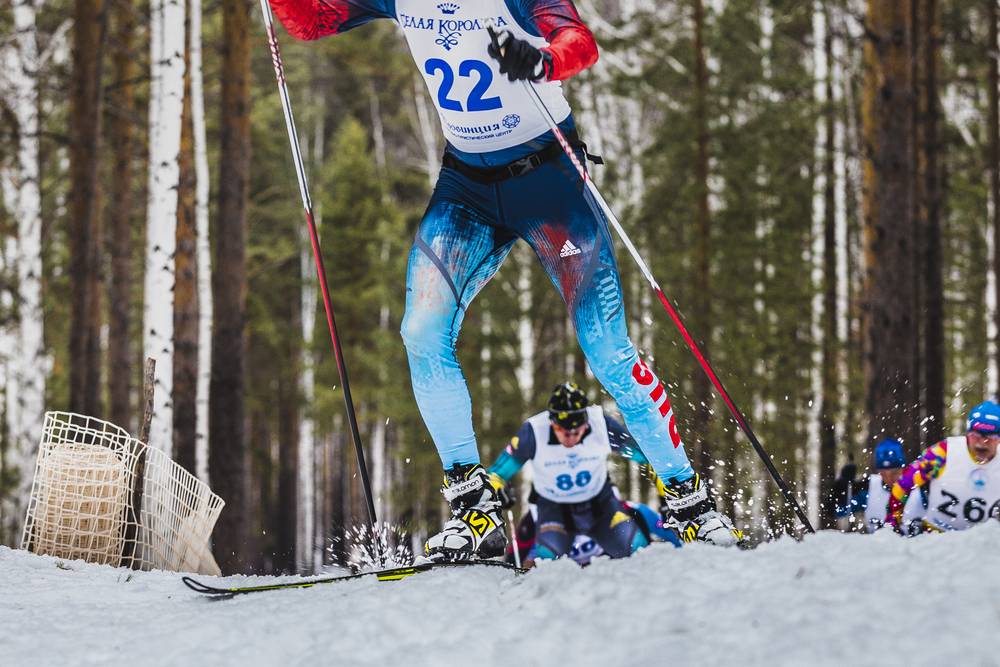
In the high stakes world of Olympic competition, every second matters. Athletes train for years for moments that unfold in minutes, sometimes even seconds, under the scrutiny of global audiences. So when an unexpected competitor entered the women’s cross country ski team sprint qualifier, it was not another nation’s rising star or a late tactical surge.
Contents
show
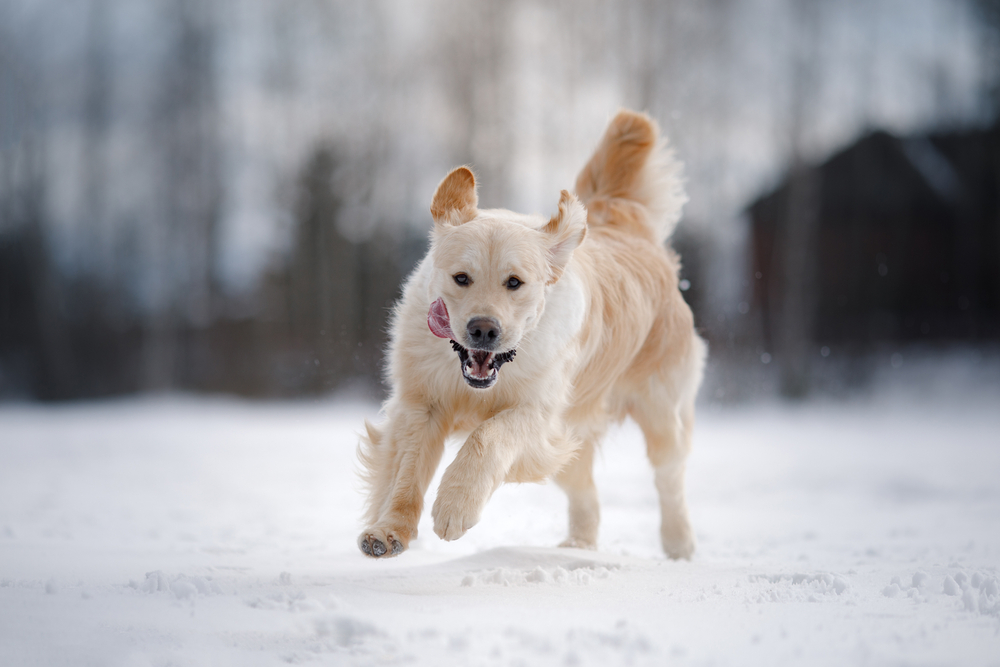
It was a two year old Czechoslovakian wolfdog named Nazgul.
The interruption, both surreal and strangely heartwarming, offered a rare reminder that even the most meticulously organized global sporting events remain subject to life’s unpredictability. In this case, that unpredictability arrived on four legs.
A Race Nearing Its Breaking Point
Cross country sprint racing compresses the full strain of endurance skiing into a narrow window where there is little margin for error. A qualifier is not a ceremonial warm up. It is a first cut that forces athletes to balance urgency with restraint, knowing that pushing too hard too early can unravel in the final meters, while leaving anything in reserve can cost a place in the next round. Skiers enter the finishing straight with their technique already under pressure, poles biting less cleanly as fatigue mounts and leg turnover slows. In those seconds, even small disruptions in rhythm can feel amplified because the body is operating near its limit.
The team sprint format adds its own kind of intensity. Athletes are racing not only for their individual placement but for the survival of a partnership, with qualifying performances shaping the path to the medal round. The demand is both physical and strategic. Competitors have to read spacing, choose when to match a surge, and protect speed through the final approach, all while coping with changing snow texture, the day’s glide, and the cumulative toll of repeated accelerations. That is what makes the homestretch so unforgiving. It is a place where the sport’s most technical details and its most human limits meet, and where the simplest objective becomes the hardest one: keep moving efficiently until the line is behind you.
Athletes React in Real Time
For the athletes on course, the appearance of Nazgul unfolded in the narrow window where concentration is at its most intense. The final meters of a qualifying effort demand full attention to technique, breathing, and timing. Competitors are processing physical signals from their bodies while tracking the movement of nearby skiers and the position of the finish line. Any unexpected stimulus in that moment must be interpreted almost instantly, often without the luxury of stepping back to understand what is happening.
According to reporting from NPR, Croatian skier Tena Hadzic admitted she briefly wondered whether she might be hallucinating. Extreme fatigue and oxygen debt can blur perception in endurance sport, particularly during an all out push to the line. In such conditions the brain prioritizes forward motion and race completion, which can make unusual sights difficult to immediately process.
Argentina’s Nahiara Díaz González offered a different perspective shaped by that same competitive focus. She explained that she was too concentrated on finishing to fully register the sudden presence of a dog on the course. Her response reflects a common instinct among elite competitors. When the body is approaching its limits, attention narrows to the most immediate objective, which in this case was simply crossing the line.
Sweden’s Maja Dahlqvist, who would later win gold with teammate Jonna Sundling, described the moment as something she had “never seen ever before.” The comment captures the unusual nature of the scene without overstating its impact. While the image of a wolfdog sprinting through an Olympic course may appear humorous to spectators, for those racing it registered as a brief but perplexing interruption inside an otherwise highly controlled environment.
Officials later confirmed the episode occurred during the qualifying round and did not affect the results. That clarification matters within Olympic competition, where fairness and timing accuracy are essential. The athletes completed their efforts under the same recorded conditions, allowing the event to proceed without procedural complications.
How Nazgul Made It Onto the Course
Nazgul’s brief appearance on the Olympic course ultimately traced back to a far simpler explanation than the spectacle might suggest. According to reporting from NPR, the two year old Czechoslovakian wolfdog had been staying with his owners at a nearby bed and breakfast. When they left that morning, the dog reportedly became distressed and began crying, a reaction his owners later said was unusual but consistent with his strong attachment to them. At some point he managed to break free and run toward the activity surrounding the race venue.
Race officials moved quickly once the dog reached the course. Nazgul was collared and safely escorted away from the track before being returned to his owners. The response was calm and controlled, reflecting the protocols that event staff follow when unexpected disruptions occur during competition. Importantly, the situation was resolved without harm to the animal, the athletes, or the race infrastructure.
According to NPR, the owners later described Nazgul as “stubborn, but very sweet,” a characterization that offers some insight into the personality behind the moment. Young dogs often react impulsively when separated from familiar people, particularly in stimulating environments filled with movement, sound, and unfamiliar scents. A race venue, with crowds, equipment, and constant activity, can easily attract the attention of an energetic animal seeking its way back to its owners.
Nazgul’s breed also provides useful context. The Czechoslovakian wolfdog was developed in the twentieth century through controlled crossings between German Shepherds and Carpathian wolves. The breed is widely recognized for endurance, alertness, and strong physical capability. These characteristics have made the dogs valuable in working roles, but they also mean they require consistent training, structure, and activity. Without that outlet, their curiosity and energy can quickly translate into exploratory behavior.
When Elite Sport Meets Unscripted Reality
Major international sporting events depend on meticulous planning. Olympic competitions involve coordinated systems that range from course design and security to athlete scheduling, broadcast operations, and timing technology calibrated to fractions of a second. These layers of organization are intended to protect athlete safety, maintain fairness, and deliver a consistent experience for a global audience.
Yet live sport, especially outdoor competition, can never be fully controlled. Weather, open venues, large crowds, and nearby facilities create an environment where unexpected interruptions remain possible. Organizers prepare for many contingencies, but unpredictability is an inherent feature of events that unfold in real time.
Nazgul’s appearance briefly illustrated that reality. Officials responded quickly, secured the course, and allowed the race to continue without affecting the results. For viewers, the moment became a reminder that beneath the structure of elite competition, sport still unfolds in the real world, where even the most carefully planned events can intersect with the unexpected.
The Balance Between Levity and Respect
Incidents like Nazgul’s unexpected run across the course require careful editorial balance. The image invites humor and curiosity, yet the setting is a serious international competition shaped by years of preparation and national selection. Responsible coverage recognizes both realities, ensuring the novelty of the moment does not overshadow the legitimacy of the athletes’ effort.
The reactions of the competitors themselves reinforce that balance. None suggested the moment compromised the event. Instead their responses reflected brief surprise before returning to the task of finishing the race. This composure illustrates a defining trait of elite athletes: the ability to maintain focus and adapt when circumstances shift unexpectedly.
Seen in this light, the episode becomes less about disruption and more about professionalism. The athletes completed their efforts, officials secured the course, and the race proceeded under its official procedures. What remained for audiences was a rare moment of levity within an otherwise demanding Olympic contest.
Acknowledging both dimensions allows the episode to be remembered in a way that respects the athletes while still appreciating the human side of sport. The Olympic stage is defined by excellence and discipline, yet it is also part of the real world where unpredictable events occasionally appear without invitation.
A Reminder of Joy Within Intensity
Elite endurance sport is defined by discipline, repetition, and physical strain. Cross country skiers spend years refining technique, building aerobic capacity, and training through demanding winter conditions where success is often measured in fractions of a second. The culture of the sport rewards efficiency, resilience, and sustained effort rather than spectacle.
Moments of spontaneity stand out precisely because they contrast with that intensity. They do not diminish the seriousness of the competition or the preparation behind it. Instead they briefly expand the emotional range of the event, reminding viewers that even the most demanding contests unfold within a broader human setting that includes curiosity, humor, and surprise.
Nazgul’s appearance captured that contrast. A dog sprinting across the snow beside Olympic athletes created an image that did not change the race but momentarily softened the atmosphere of an otherwise grueling event. The moment underscored a simple truth about global competition: even in arenas defined by discipline and physical limits, brief flashes of joy can still appear.
When the Unexpected Becomes the Memory
While the race itself will remain preserved in official Olympic records, Nazgul’s brief run across the snow may live on in a different way. Competitive results are documented in statistics and timing sheets, but certain images linger in public memory because they capture something numbers cannot. A dog crossing an Olympic finish line beside elite skiers is one of those rare moments that stands apart from the usual rhythm of competition. In modern media environments such scenes travel quickly across platforms, reaching audiences who may not normally follow cross country skiing. What resonated with many viewers was not simply the novelty, but the contrast between the seriousness of Olympic competition and the spontaneous curiosity of an animal running toward the activity around it.
There is also a quiet irony in the name Nazgul, drawn from J. R. R. Tolkien’s The Lord of the Rings, a reference usually associated with menace rather than warmth. Yet the moment unfolded very differently. The athletes continued racing, officials responded efficiently, and the competition proceeded without affecting the results. What remained was a brief image that coexisted alongside the intensity of elite sport. For many watching, it served as a reminder that excellence and unpredictability often share the same stage, and that even within the most disciplined arenas of human achievement, a small moment of joy can arrive without warning and leave a lasting impression.