
Your cart is currently empty!
Experts Warn Only Two Countries Could Survive Nuclear Winter After World War 3
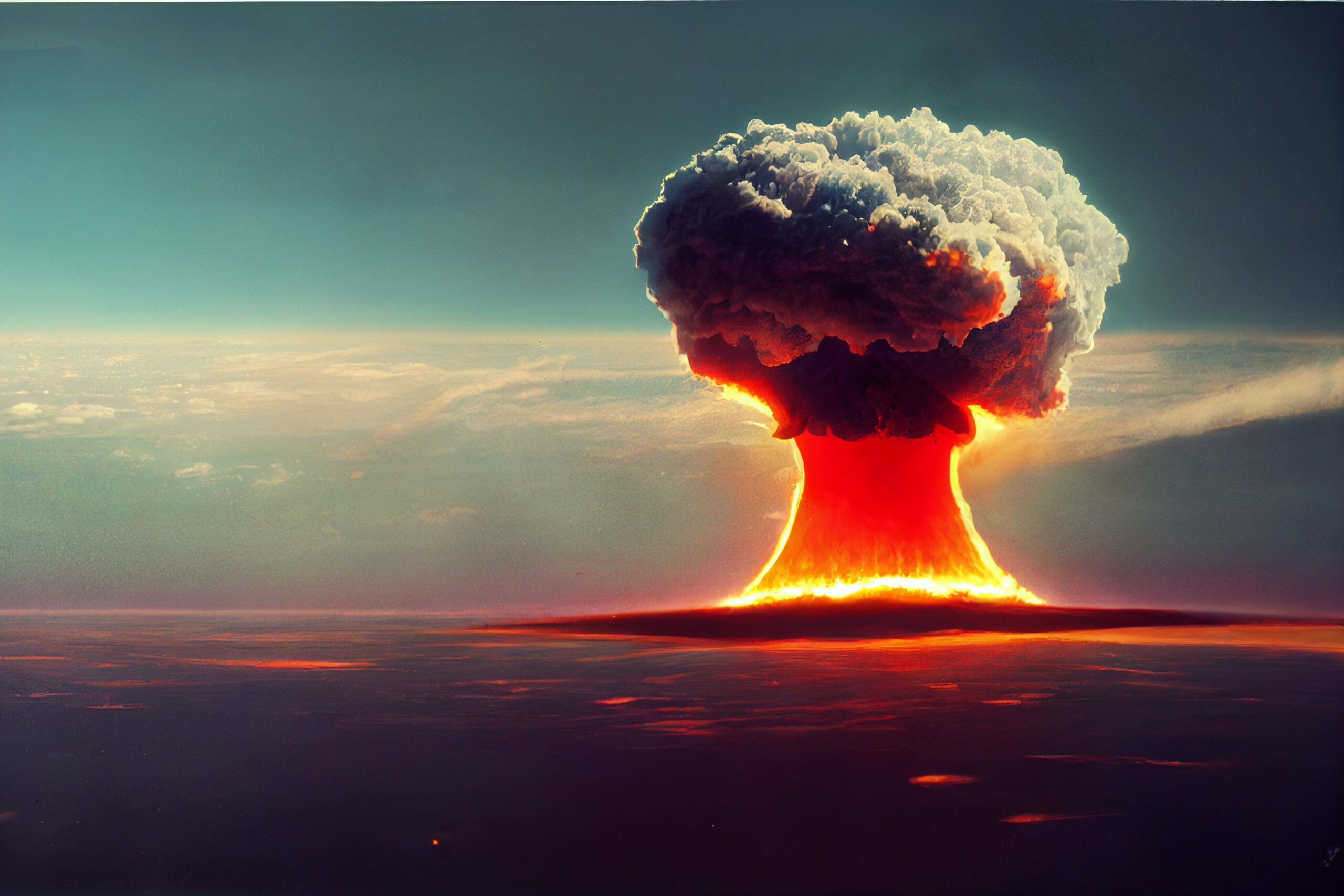
The idea of a nuclear war has haunted global politics for decades. Since the first atomic bombs were used during the Second World War, scientists, policymakers, and ordinary citizens have all wrestled with the same terrifying question. What would happen if nuclear weapons were ever used on a large scale again?
Contents
show
Today that concern is resurfacing as geopolitical tensions rise across several regions of the world. Conflicts involving nuclear capable states, including tensions between the United States, Israel, Iran, India, and Pakistan, have reignited debates about how close humanity might be to a global catastrophe. Military analysts often focus on the immediate devastation of nuclear explosions, yet researchers say the long term consequences could be far more devastating than the blasts themselves.
Recent scientific research has explored a disturbing possibility. Even a relatively small nuclear conflict could reshape the entire planet’s climate, destroy food systems, and leave billions of people facing famine. Some researchers believe that only a handful of places on Earth might remain capable of supporting agriculture in the aftermath. According to several studies and expert assessments, Australia and New Zealand are often identified as the two countries most likely to maintain functioning food systems in a post nuclear world.
The Growing Fear of Nuclear Escalation
Concerns about nuclear conflict tend to surge whenever tensions rise between powerful states. In recent years, several flashpoints have drawn attention from military analysts and global security experts.
The Middle East has been one of the most volatile regions. Exchanges of missile strikes and drone attacks involving Iran, Israel, and other regional actors have heightened fears that a wider conflict could draw in nuclear capable powers. At the same time, tensions between India and Pakistan remain a major source of concern due to their long running dispute over Kashmir and their growing nuclear arsenals.
Researchers studying nuclear risk often point out that a large global war between superpowers is not the only danger. A regional conflict involving nuclear weapons could still trigger worldwide consequences. In fact, many scientists now believe that a smaller nuclear war is statistically more likely than a massive exchange between the world’s largest nuclear powers.
Even a limited conflict could have global consequences because nuclear explosions create massive firestorms that send enormous amounts of soot into the atmosphere. Once this soot spreads across the planet, it can block sunlight for years and dramatically cool the Earth’s climate.
Understanding the Concept of Nuclear Winter

The term nuclear winter was first introduced during the Cold War when scientists began studying how nuclear explosions might affect the global environment. Early research suggested that the smoke from burning cities could rise high into the atmosphere and spread around the planet.
When sunlight is blocked by thick layers of soot, global temperatures can drop significantly. This cooling effect can last for years, creating conditions that resemble a sudden ice age. Crops fail, growing seasons shorten, and food supplies collapse across large regions of the world.
Modern climate models have allowed researchers to study this phenomenon in greater detail. Scientists such as Brian Toon and Alan Robock have used advanced simulations to examine how even a relatively small nuclear conflict could disrupt global agriculture. Their work suggests that a war involving around one hundred nuclear weapons could release millions of tonnes of soot into the atmosphere.
Within just a few years, global temperatures could fall by more than one degree Celsius. While that number might seem small, it would have enormous consequences for food production. Major agricultural regions in North America, Europe, and Asia could experience colder growing seasons, less rainfall, and reduced sunlight.
The result would likely be widespread crop failures. Wheat, maize, and soybean production could decline sharply across many parts of the world. Scientists warn that global grain reserves could be exhausted within a year or two, leaving billions of people at risk of starvation.
A Planet Wide Food Crisis

One of the most alarming findings from recent nuclear winter research involves food security. While nuclear explosions would kill millions immediately, the majority of deaths could occur later through famine and societal collapse.
Researchers examining agricultural models have found that even a limited nuclear war between India and Pakistan could cause severe disruptions to global food production. Over a five year period, maize production could fall by more than ten percent, wheat production could drop significantly, and soybean harvests could shrink dramatically.
These declines might appear modest at first glance, yet global food systems operate on tight margins. Many countries rely heavily on imports to feed their populations. If several major food producing regions experience crop failures simultaneously, international trade could collapse.
As supplies diminish, prices would rise sharply. Nations would likely restrict food exports to protect their own populations. That response could trigger widespread shortages across vulnerable regions that rely on imported grain.
Food security experts believe this chain reaction could produce the worst famine in recorded history. Some projections suggest that more than a billion people could face severe hunger following a regional nuclear conflict. In a larger global war, the number of people at risk could climb into the billions.
Why Australia and New Zealand May Fare Better

Despite the bleak outlook described by many scientific studies, some regions of the world might experience less severe disruptions than others. Research examining global climate patterns suggests that countries in the Southern Hemisphere could be somewhat insulated from the worst effects of nuclear winter.
Australia and New Zealand frequently appear in these discussions. Their geographical location places them far from many of the most likely nuclear conflict zones in the Northern Hemisphere. This distance reduces the likelihood that their cities would be direct targets in a nuclear exchange.
Another important factor is agriculture. Both countries possess significant farming capacity and relatively low population densities compared with many other developed nations. Large areas of arable land could allow food production to continue even if global trade collapses.
Studies examining potential nuclear winter scenarios suggest that the Southern Hemisphere would still experience cooling and reduced sunlight. However, the temperature drops might be less severe than those affecting the Northern Hemisphere’s agricultural heartlands.
Experts have therefore proposed that Australia and New Zealand could remain capable of sustaining agriculture when many other regions cannot. This does not mean that life there would continue normally. Food supplies would still be limited and global economic systems would likely collapse. Yet compared with many other parts of the world, these countries might retain the capacity to produce enough food to support their populations.
Life After Nuclear War
Surviving the initial explosions of a nuclear war would only mark the beginning of a much longer struggle. The environmental consequences could transform everyday life in ways that are difficult to imagine.
One major concern involves the destruction of the ozone layer. Nuclear detonations release chemicals that can damage the protective layer of gases surrounding Earth. If the ozone layer were severely depleted, harmful ultraviolet radiation from the Sun could reach the surface in greater amounts.
Exposure to increased ultraviolet radiation would raise the risk of skin cancer and harm crops and ecosystems. In combination with colder temperatures and reduced sunlight, these effects could further strain global agriculture.
In many parts of the world, surviving populations might be forced to adapt to harsh living conditions. With surface environments becoming dangerous or unstable, some experts suggest that people could be pushed to live underground for extended periods.
Communities would need to rely on stored food, artificial lighting, and controlled growing environments to survive. Access to clean water, medical care, and reliable energy would become critical challenges.
Social systems would also face immense strain. Governments and institutions might struggle to maintain order as populations compete for limited resources. Conflicts over food and shelter could become widespread.
Even in regions better positioned for survival, daily life would likely involve strict rationing, economic disruption, and reduced global communication.
The Wider Environmental Consequences
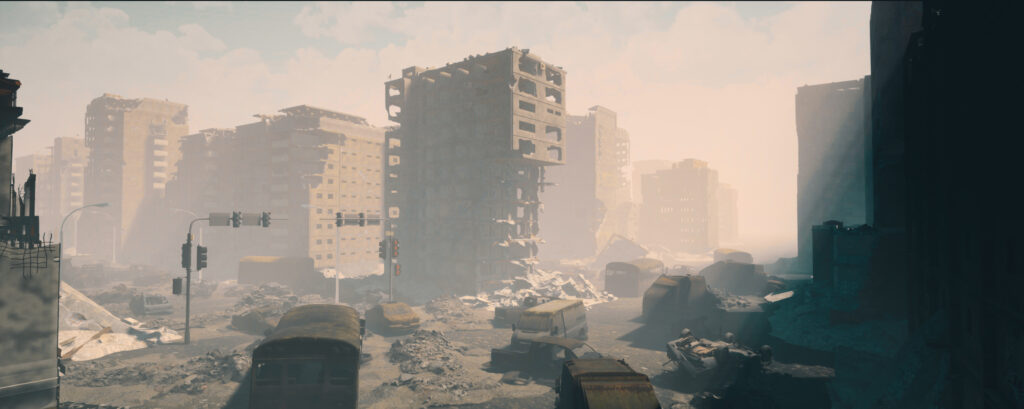
Beyond agriculture and human survival, nuclear winter could transform Earth’s natural systems. Scientists have begun exploring how oceans, ecosystems, and weather patterns might respond to such a dramatic climate shift.
Recent research suggests that the cooling of ocean waters could alter marine chemistry in unexpected ways. For example, changes in ocean conditions might affect the availability of minerals that marine organisms need to build shells and skeletons.
Coral reef ecosystems could face particular risks. These environments already struggle with rising ocean temperatures and acidification. A sudden shift toward colder and darker conditions might disrupt delicate ecological balances that support marine biodiversity.
Scientists have also proposed the possibility of a phenomenon sometimes called a Nuclear Nino. Similar to the El Nino climate pattern, this effect could alter ocean currents and weather systems around the Pacific Ocean. Regions around the world could experience unusual cycles of droughts and heavy rainfall lasting several years.
These environmental disruptions would compound the humanitarian crisis created by food shortages and economic collapse.
The Ongoing Debate Among Scientists

Although many researchers agree that nuclear war would have severe environmental consequences, there remains debate about how extreme those effects might be. Different scientific models sometimes produce different predictions regarding the amount of soot that burning cities would inject into the atmosphere.
Some researchers argue that earlier studies may have overestimated how much smoke would rise into the upper atmosphere. If less soot reaches high altitudes, the cooling effect could be smaller than predicted.
Other scientists believe the opposite may be true. Observations from large wildfires have shown that smoke can rise higher and remain in the atmosphere longer than previously expected. These findings suggest that nuclear winter could potentially be more severe than certain models indicate.
Despite these uncertainties, most experts agree on one fundamental point. Any nuclear war would produce catastrophic humanitarian and environmental consequences.
Why Nuclear Risk Still Matters Today
More than three decades after the end of the Cold War, nuclear weapons remain a central feature of global security. Several countries maintain large arsenals of warheads, while others continue developing new capabilities.
Arms control agreements that once helped limit nuclear stockpiles have weakened in recent years. Some nations have withdrawn from key treaties, and geopolitical rivalries between major powers have intensified.
Meanwhile, emerging nuclear states and regional conflicts introduce additional layers of risk. Situations involving countries such as North Korea, Iran, India, and Pakistan demonstrate how regional tensions could escalate into nuclear crises.
Researchers studying global catastrophic risks emphasize that understanding the potential consequences of nuclear war can help inform policy decisions. By examining the environmental and humanitarian impacts in detail, scientists hope to provide leaders with a clearer picture of what is at stake.
A Reminder of What Is at Stake
The research surrounding nuclear winter presents a sobering picture of humanity’s vulnerability. Even a limited nuclear conflict could disrupt climate systems, devastate food supplies, and threaten billions of lives.
The suggestion that only a few countries might remain capable of sustaining agriculture highlights how fragile global civilization could become in the aftermath of nuclear war. Australia and New Zealand may appear comparatively resilient in some models, yet even those societies would face immense challenges in a transformed world.
Ultimately, the scientific studies exploring nuclear winter are not predictions of an inevitable future. Instead they serve as warnings about the consequences of choices made by governments and leaders.
The existence of nuclear weapons means that humanity holds the power to create unprecedented destruction. At the same time, it also holds the power to prevent that outcome through diplomacy, arms control, and international cooperation.
Understanding the full scale of the risks may be one of the most important steps toward ensuring that such a catastrophe never occurs.