
Your cart is currently empty!
Photo Goes Viral After People Questioned Why Engineers Built a Winding Road Instead of a Straight Route but This Is Why
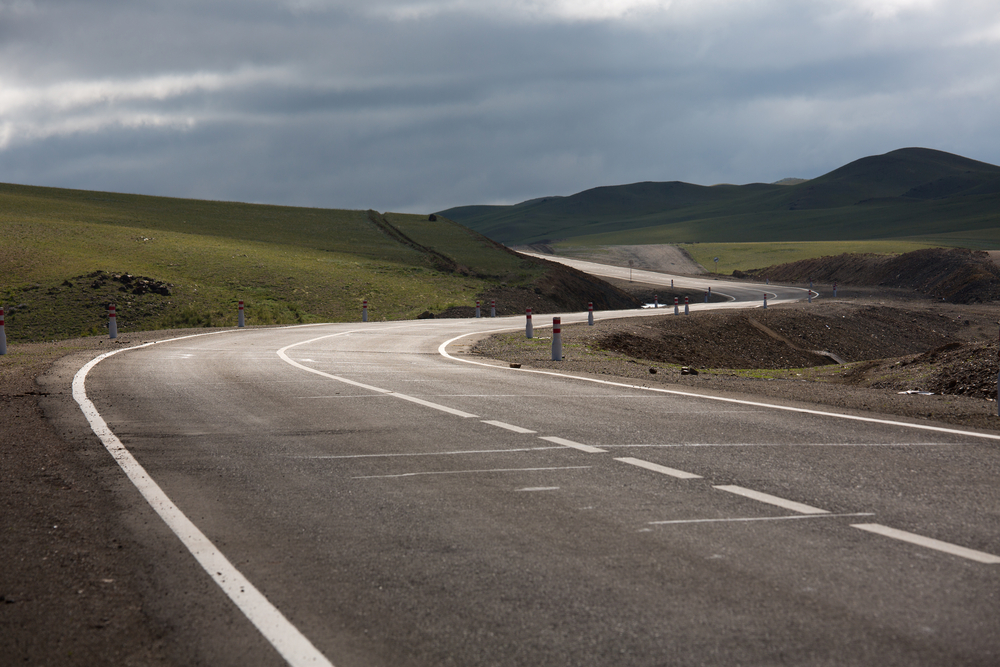
A single photograph of a winding mountain road recently spread across social media and quickly caught people’s attention. The image showed a road zig-zagging across a steep hillside, turning sharply again and again instead of heading straight up the slope. At first glance, the design looked strange to many viewers. Instead of taking what seemed like the obvious path directly uphill, the road stretched back and forth across the mountain in a series of bends. As the photo circulated online, people in the comments began asking the same question over and over again. “Why didn’t engineers build a straight road up the hill instead?” For those unfamiliar with how roads are designed in mountainous terrain, the winding route appeared unnecessary and overly complicated.
Contents
show
The curiosity quickly turned into a wider conversation as more people saw the image. Some viewers assumed the road must have been poorly planned, while others joked that whoever designed it had made the journey far longer than it needed to be. After all, a straight road would clearly be shorter and might appear faster for drivers trying to reach the top of the mountain. But the truth behind the design reveals something far more interesting. What looks like a strange or inefficient road is actually the result of careful engineering decisions based on physics, safety, and the practical realities of building infrastructure in steep and unstable landscapes.
The Viral Photo That Sparked the Question
The image that triggered the debate shows a narrow road carved across a steep mountainside. Instead of climbing directly upward, the road repeatedly turns back on itself, creating a pattern that resembles a long ribbon laid across the slope. Each bend allows the road to gain a little height before turning again and continuing the climb. From above, the design can look unusual because the road appears much longer than a straight path would be. That visual effect is exactly what caused so many people online to question why engineers chose such a winding route.
As the photo circulated across different social media platforms, the same question continued to appear in comment sections. Many viewers repeated the exact phrase “Why didn’t engineers build a straight road up the hill instead?” because the zig-zagging design seemed like an unnecessary detour. Some people assumed the curves were simply a poor design choice that made the road longer and less efficient. Others wondered whether the road had been built that way because of construction mistakes or a lack of better planning.
However, road engineers and people familiar with mountain infrastructure quickly explained that the design was not accidental at all. The winding route actually solves several critical problems that would appear if a road attempted to climb the mountain directly. What might seem like an inefficient path is actually a carefully planned solution that allows vehicles to travel safely through terrain that would otherwise be extremely difficult or even impossible to navigate.
The Physics Behind Why Straight Roads Would Be Dangerous
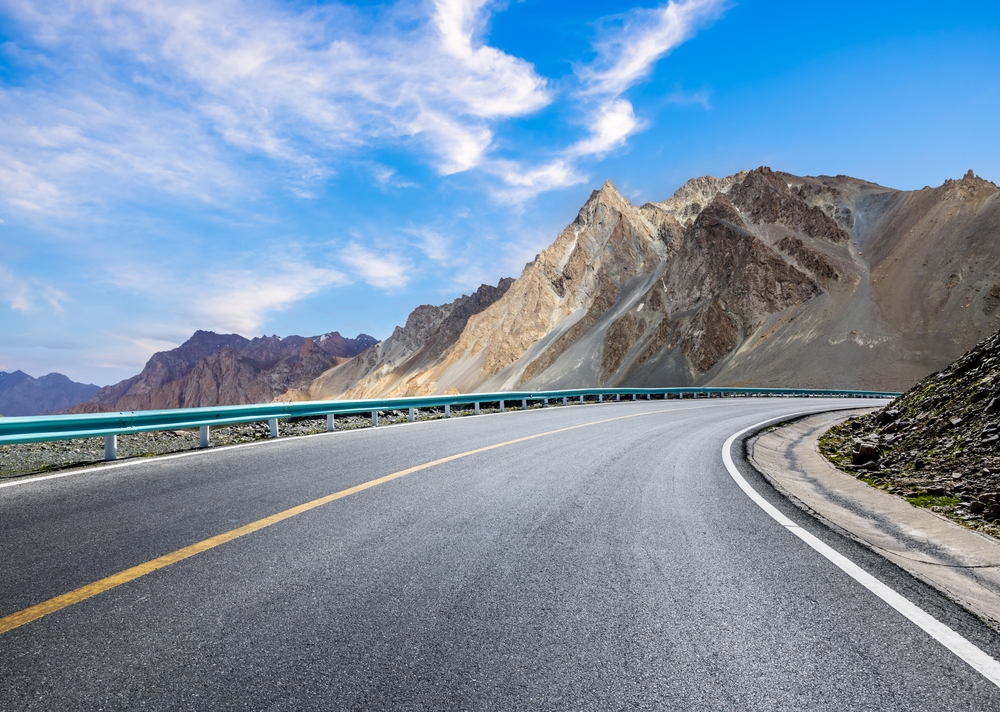
The most important reason mountain roads are built with curves comes down to simple physics. If engineers attempted to build a road straight up a steep mountain, the slope would quickly become far too steep for most vehicles to climb safely. Cars, buses, and trucks all have limits when it comes to how steep a road they can handle. When the gradient becomes too sharp, engines struggle to produce enough power to keep the vehicle moving upward. Tires may also lose traction, especially in wet, icy, or snowy conditions.
Road designers solve this problem by stretching the route across a longer distance. Instead of going directly uphill, the road travels diagonally across the slope before turning and continuing the climb in the opposite direction. By increasing the distance the road travels, engineers reduce the gradient. This means the total height of the mountain is spread out over a longer path, allowing vehicles to climb gradually instead of facing a sudden and extremely steep incline.
This gradual approach makes the road far more manageable for vehicles and drivers. Engines do not need to work as hard, and drivers can maintain better control while climbing. Without these curves, the slope could easily exceed safe driving limits for many vehicles. In extreme cases, a straight mountain road might simply be impossible for ordinary cars and trucks to use.
Why Descending a Straight Mountain Road Would Be Even More Dangerous
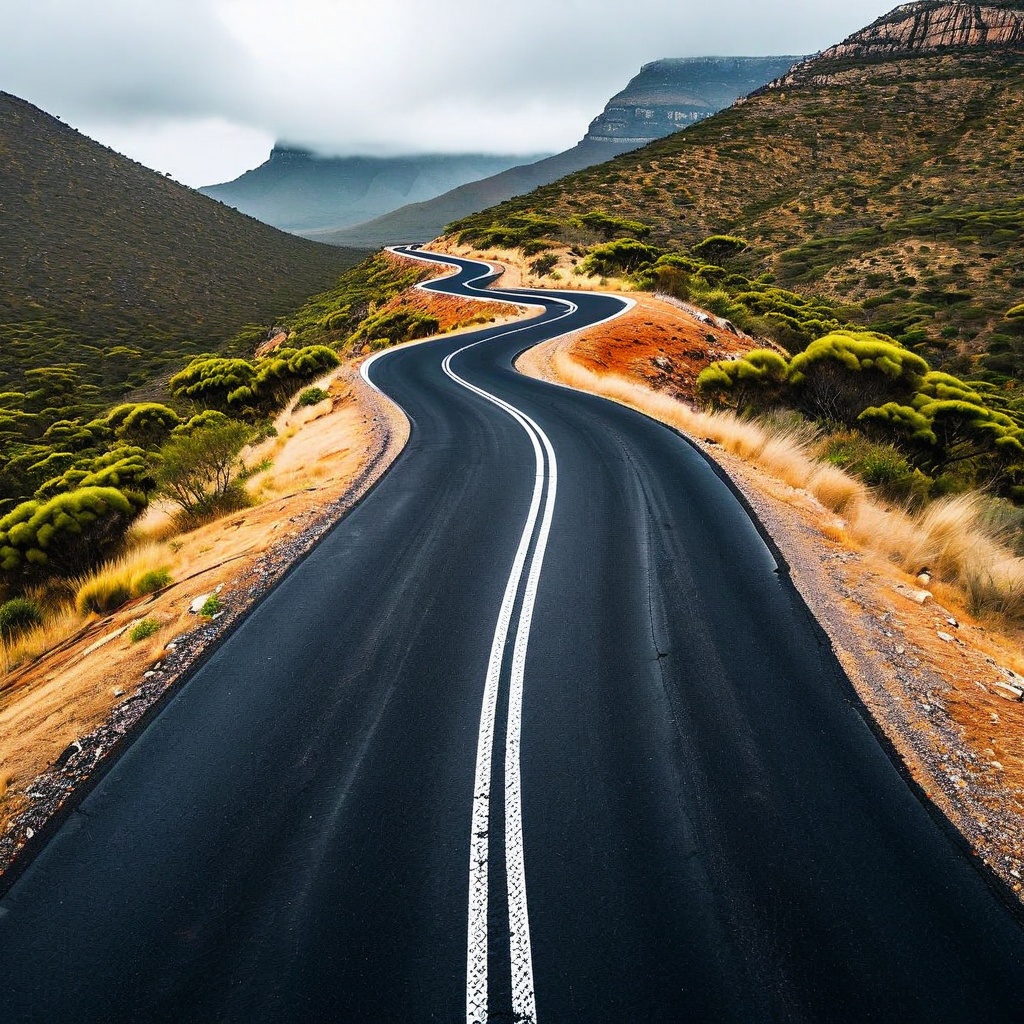
While climbing a steep road presents challenges, the greater danger often appears when vehicles travel downhill. Gravity naturally pulls vehicles faster as they descend, which means drivers must constantly rely on their brakes to control their speed. On very steep slopes this can quickly become a serious safety issue, especially during long descents where braking systems are used continuously for extended periods of time.
Heavy vehicles such as trucks, buses, and delivery vehicles face even greater risks on steep mountain roads. When braking systems are used constantly on a steep descent, they can begin to overheat. Once brakes become too hot, their effectiveness decreases and they may fail to slow the vehicle properly. In extreme cases this can lead to a complete loss of braking power, creating extremely dangerous situations for both the driver and anyone else on the road.
By designing roads with curves and switchbacks, engineers reduce the steepness of the descent and allow vehicles to travel downhill more safely. The gentler gradient allows drivers to maintain steadier speeds without constantly applying heavy braking. This design spreads the elevation change over a longer distance, preventing braking systems from being pushed beyond their limits and greatly reducing the risk of dangerous downhill accidents.
Working With the Mountain Instead of Fighting It
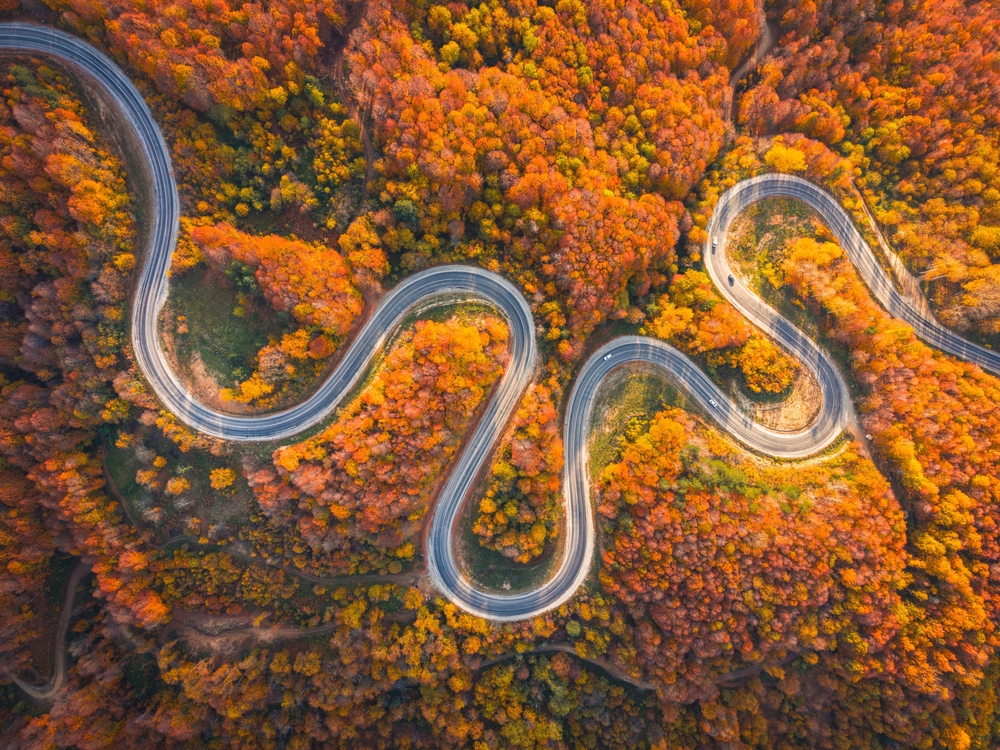
Safety is only one part of the reason mountain roads follow winding paths. The natural shape of mountainous terrain also makes it extremely difficult to build a straight road through steep slopes. Constructing a direct path up the mountain would often require massive excavation work that involves cutting deeply into rock and soil to create space for the roadway.
Creating a straight route would likely require engineers to blast large sections of rock away from the mountainside. After removing so much material, they would also need to install large retaining walls and structural supports to keep the remaining slope from collapsing. These types of construction projects are extremely complex and can take years to complete, especially in remote mountainous regions where transporting heavy equipment and materials is already challenging.
By designing roads that follow the natural contours of the mountain, engineers can avoid much of this massive excavation work. A winding road allows the route to move around the slope instead of cutting directly through it. This approach reduces the amount of rock and soil that must be removed and makes the project far more practical from both an engineering and environmental perspective.
Curved Roads Help Reduce the Risk of Landslides
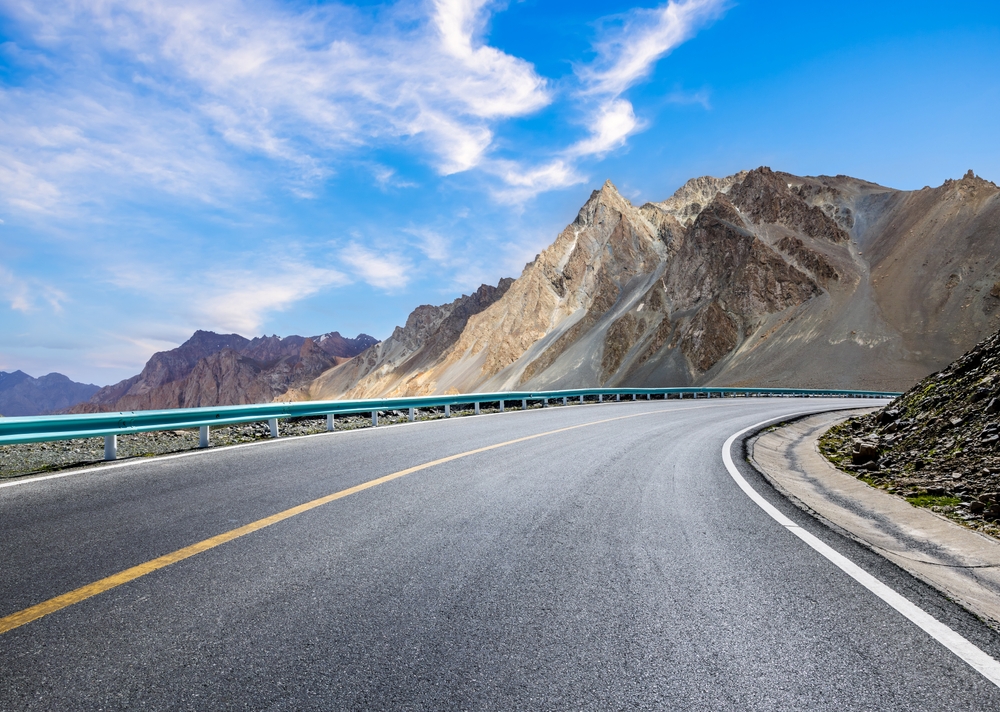
Another major concern when building infrastructure in mountainous regions is the risk of landslides. When large sections of a mountainside are removed to create a straight road, the remaining terrain can become unstable. The mountain’s natural structure relies on layers of soil and rock supporting one another. Removing too much of that support can weaken the entire slope.
Over time natural forces such as rain, erosion, and shifting ground can cause unstable slopes to collapse. When this happens, large amounts of rock and soil can slide down onto the road below. Landslides can block roads for long periods of time and create dangerous conditions for drivers traveling through the area. In some cases they can even destroy sections of the road completely.
Curved roads help reduce these risks by minimizing how much of the mountain must be disturbed during construction. Because the road follows the natural contours of the terrain, engineers can avoid cutting deeply into the hillside. This allows the surrounding rock and soil to remain more stable, lowering the likelihood of landslides and helping ensure the road remains safe for years to come.
Cost and Long Term Practicality
Building roads in mountainous terrain is already one of the most expensive types of infrastructure projects. The steep slopes, unstable ground, and remote locations often require specialized equipment and highly skilled engineering teams. Even relatively small road projects in mountainous regions can cost millions of dollars due to the complexity involved.
If engineers attempted to build straight roads up steep mountains, the costs would increase dramatically. Large scale blasting operations, extensive retaining walls, and heavy structural reinforcements would all be required to keep the road stable and safe. These additional construction steps would significantly increase the time and resources needed to complete the project.
Winding roads offer a far more practical solution. By following the natural shape of the landscape, engineers can reduce excavation work and avoid building massive support structures. This makes the project more affordable and also simplifies long term maintenance. Even though the road may be longer in distance, the overall construction process becomes much more manageable.
What Looks Strange Is Actually Smart Engineering
The viral photograph that sparked so much curiosity is actually a perfect example of how thoughtful engineering works in challenging environments. Each curve in the road serves a specific purpose, helping reduce steepness, improve vehicle control, and protect the surrounding terrain. What might initially appear to be an inefficient design is actually a carefully calculated solution that allows vehicles to travel safely through difficult landscapes.
Across mountainous regions all over the world, similar winding roads connect remote towns and communities that would otherwise be extremely difficult to reach. These routes allow cars, trucks, buses, and emergency vehicles to move safely through terrain that once posed major barriers to transportation. Without switchbacks and curved mountain roads, many of these regions would remain far more isolated.
So the next time you see a road zig-zagging across a mountainside, it is not a sign of poor planning. It is actually the result of careful engineering that balances physics, safety, terrain stability, and construction practicality. What might look like a long detour is often the only safe way to guide vehicles up and down one of nature’s steepest landscapes.
engineering explained, engineering facts, infrastructure engineering, mechanical knowledge, mountain road engineering, mountain road safety, mountain transportation, physics of road gradients, road construction in mountains, road design explanation, road safety design, steep mountain roads, switchback road design, switchback roads, viral internet debate, viral road photo, viral science explanation, why mountain roads have curves, why roads zig zag in mountains, winding mountain road